There’s a certain kind of stillness that settles over you when watching a film like Lucio Fulci’s Ænigma (1987) late at night. It’s not the adrenaline spike of a jump scare, but a creeping unease, the feeling of watching something slightly… off. It begins, perhaps, with the image of Kathy (Ulli Reinthaler), lying comatose in a sterile hospital room, victim of a cruel prank by her classmates at a prestigious New England boarding school. Her eyes are open, unblinking, reflecting the fluorescent lights above. But behind that vacant stare, something malevolent stirs, reaching out across the ether to touch those who wronged her.

Psychic Echoes in Sterile Halls
The setup feels familiar, echoing films like Carrie (1976) or the Aussie cult classic Patrick (1978) – the telekinetically gifted outsider enacting supernatural revenge. When the enigmatic new teacher, Eva Gordon (Lara Lamberti), arrives at the St. Mary's College for girls, she unwittingly becomes the vessel, or perhaps the amplifier, for Kathy’s vengeful consciousness. The plot, penned by Fulci and Giorgio Mariuzzo, sees the popular clique who tormented Kathy picked off one by one through bizarre, psychically orchestrated "accidents." Overseeing the strange events is Dr. Robert Anderson (Jared Martin, known to many from TV's Dallas), the school physician connected to Kathy's care, who finds himself increasingly entangled in the inexplicable horror.
A Maestro's Late, Strange Symphony
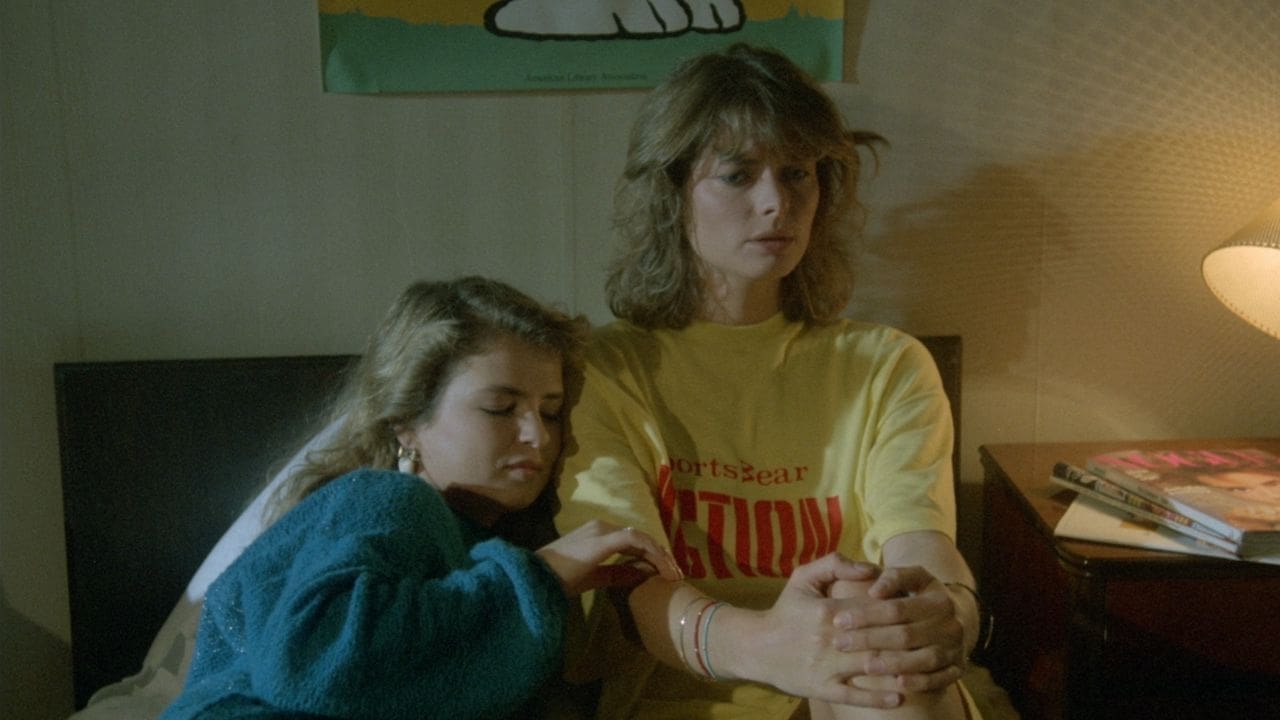
By 1987, Lucio Fulci, the legendary Italian "Godfather of Gore" who gave us stomach-churning masterpieces like Zombi 2 (1979) and the utterly surreal The Beyond (1981), was navigating a different phase of his career. Plagued by health issues and often working with diminished budgets compared to his heyday, his later films possess a unique, sometimes frustrating, but often fascinating quality. Ænigma is pure late-stage Fulci. Filmed primarily in Belgrade, Yugoslavia (a common cost-cutting move for Italian productions then, lending a distinct, slightly displaced European feel), the film lacks the visceral gut-punch gore of his earlier classics. Instead, it leans into atmosphere, dream logic, and moments of startling surrealism.
The characteristic Fulci eye-gouging is absent, replaced by a more cerebral (if no less bizarre) brand of horror. While the pacing can feel sluggish, and the narrative sometimes drifts into incoherence, there are sequences here that lodge themselves firmly in your memory. Fulci’s camera still lingers, finding unsettling compositions in the juxtaposition of the cold, modern hospital and the slightly faded grandeur of the boarding school. The synth score, typical of the era, pulses effectively, underscoring the mounting dread rather than relying on orchestral bombast.
Of Snails and Supernatural Slumber

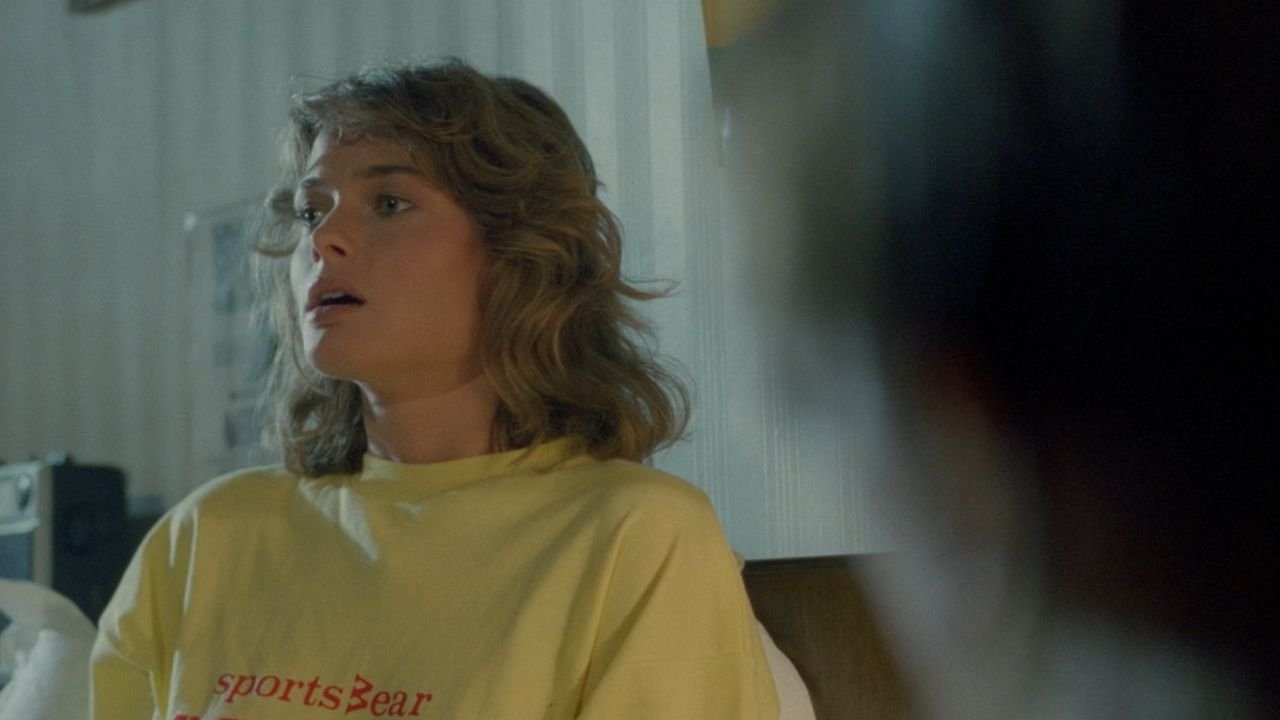
Let's be honest, you can't discuss Ænigma without mentioning that scene. One victim finds herself inexplicably covered, swarmed, and ultimately suffocated by hundreds upon hundreds of snails. It's grotesque, absurd, and unforgettable. Legend has it that procuring and wrangling the sheer number of snails needed for the sequence proved a significant production headache – apparently, the imported gastropods weren't keen on performing under the hot studio lights. This blend of the genuinely disturbing and the logistically ridiculous feels quintessentially Fulci. Other deaths, like a fatal encounter with possessed statues in a museum after hours, maintain this dreamlike, almost hallucinatory quality. The practical effects, while perhaps not as polished as in bigger-budget contemporaries, have that tangible, unsettling quality that CGI often lacks. Doesn't that almost tactile horror feel more unnerving sometimes?
Flawed Fascination
The performances are generally serviceable for the type of film it is. Jared Martin brings a kind of weary gravity to Dr. Anderson, reacting to the escalating weirdness with a believable sense of bewilderment. Lara Lamberti handles the dual nature of her role adequately, shifting between concerned teacher and unwitting psychic conduit. It’s not an actor's showcase, but they fulfill their roles within Fulci’s strange vision.
Ænigma received largely negative reviews upon release and is often relegated to the lower tiers of Fulci's filmography. It lacks the relentless drive of his best work and occasionally stumbles over its own ambitions. Yet, there's an undeniable pull to it, especially viewed through the nostalgic haze of a worn VHS tape. I distinctly remember renting this one, drawn by the evocative cover art and the Fulci name, expecting gore but finding something stranger, slower, more meditative in its madness. It wasn't what I expected, but it stuck with me.
### Final Verdict

Ænigma isn't peak Fulci, nor is it a conventionally "good" horror film by standard metrics. Its plot meanders, logic takes frequent holidays, and the scares rely more on bizarre concepts than visceral shocks. However, its pervasive atmosphere of dreamlike dread, punctuated by moments of startling surrealism (snails!), and its status as a key example of Fulci's later, stranger output make it a fascinating watch for dedicated fans of Italian horror and VHS-era oddities. It embodies that specific feeling of catching something weird and inexplicable on late-night TV, something that doesn't quite make sense but leaves a chill nonetheless.
Rating: 6/10
It’s a flawed but uniquely atmospheric slice of late 80s Euro-horror, worth seeking out for its sheer strangeness and its place in the twilight years of a horror master’s career. It’s less a nightmare, more a lingering, peculiar fever dream discovered on a dusty rental shelf.