Okay, fellow travellers through the magnetic tape twilight, pull up a chair. Tonight, we're venturing into territory that isn't brightly lit by neon nostalgia or warmed by comforting synth scores. Some films found on those dusty video store shelves weren’t escapes; they were confrontations. And few confronted quite like Agustí Villaronga's 1986 debut, In a Glass Cage (Tras el cristal). This isn't a film you easily forget; it's a shard of ice lodged deep in the memory, a chilling testament to cinema's power to disturb long after the VCR clicks off.

The very air seems to thin when discussing this one. There's an immediate sense of transgression, a feeling that you're witnessing something profoundly wrong, yet rendered with an unnerving artistic control. It bypasses cheap shocks for a soul-deep poisoning, the kind of dread that settles in your bones. Remember stumbling upon those tapes with stark, unsettling covers, hinting at horrors beyond the usual slashers? In a Glass Cage felt like the forbidden article whispered about in hushed tones, rarely displayed prominently, yet possessing a dark gravitational pull.
A Prison of Iron and Memory
The premise alone is suffocating. We meet Klaus (Günter Meisner), a former Nazi doctor responsible for monstrous atrocities against children, now ironically imprisoned. Following a botched suicide attempt from a tower – a chilling opening sequence – he's confined to an iron lung, paralyzed from the neck down, utterly dependent on others. He exists within a literal glass cage, his only window to the world reflecting his own ghastly past. Into this hermetically sealed hell arrives Angelo (David Sust), a disturbingly serene young man who presents himself as a nurse, but whom Klaus recognizes with dawning horror as one of his former victims.
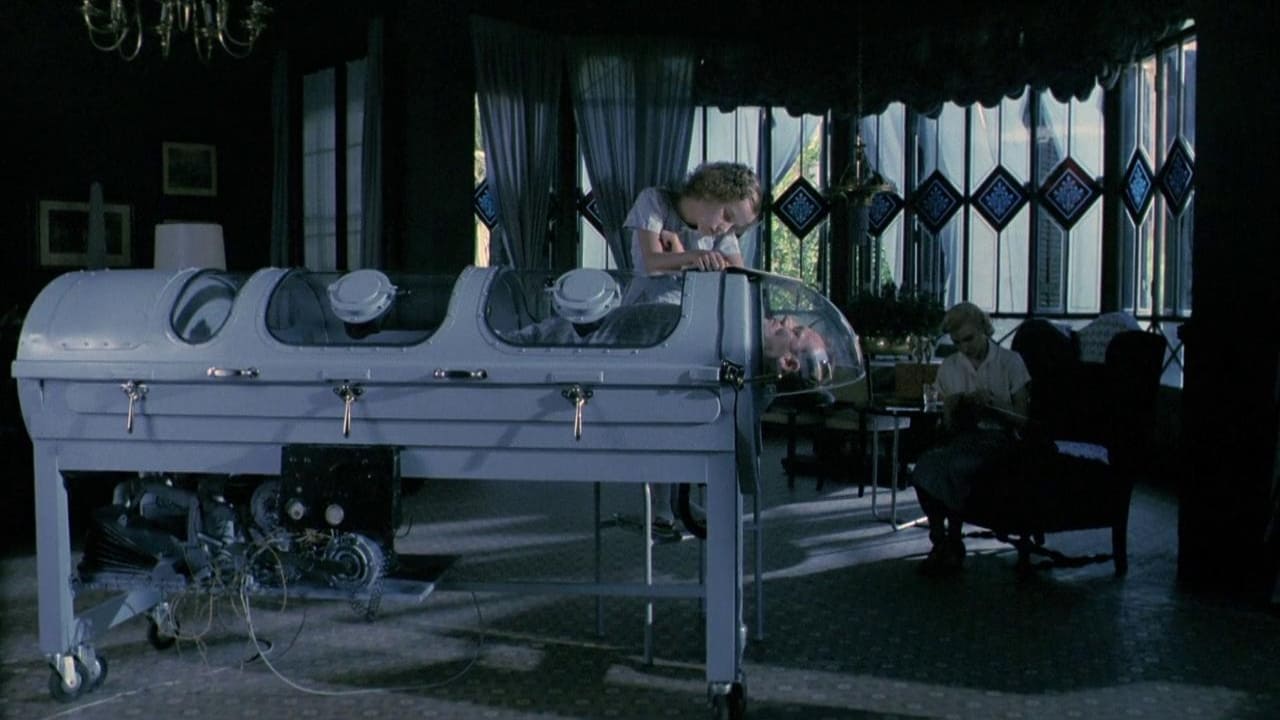
What unfolds is not a simple revenge thriller, but a horrifying symbiotic descent. The power dynamics twist and writhe in the claustrophobic confines of Klaus's isolated villa. Angelo, initially subservient, begins to exert control, not just over Klaus's physical needs, but over his very legacy of evil, seemingly drawn to reenact the horrors inflicted upon him. Caught in the middle is Klaus's wife, Griselda (Marisa Paredes, a frequent collaborator with Pedro Almodóvar), trapped in a marriage built on denial and terror, and their young daughter, Rena.
Crafting Nightmares
Villaronga, making an incredibly bold statement with his first feature, doesn't flinch. The film's visual language is cold, precise, almost clinical. The cinematography lingers on textures – the cold metal of the iron lung, the sterile white walls, the unsettlingly smooth skin of youth contrasted with the ravaged impotence of Klaus. There’s a disturbing beauty in the compositions that makes the ugliness of the subject matter even more profound. It's said Villaronga drew partial inspiration from the historical figure Gilles de Rais, a 15th-century French nobleman and knight accused of horrific crimes against children, lending the narrative chilling historical echoes.
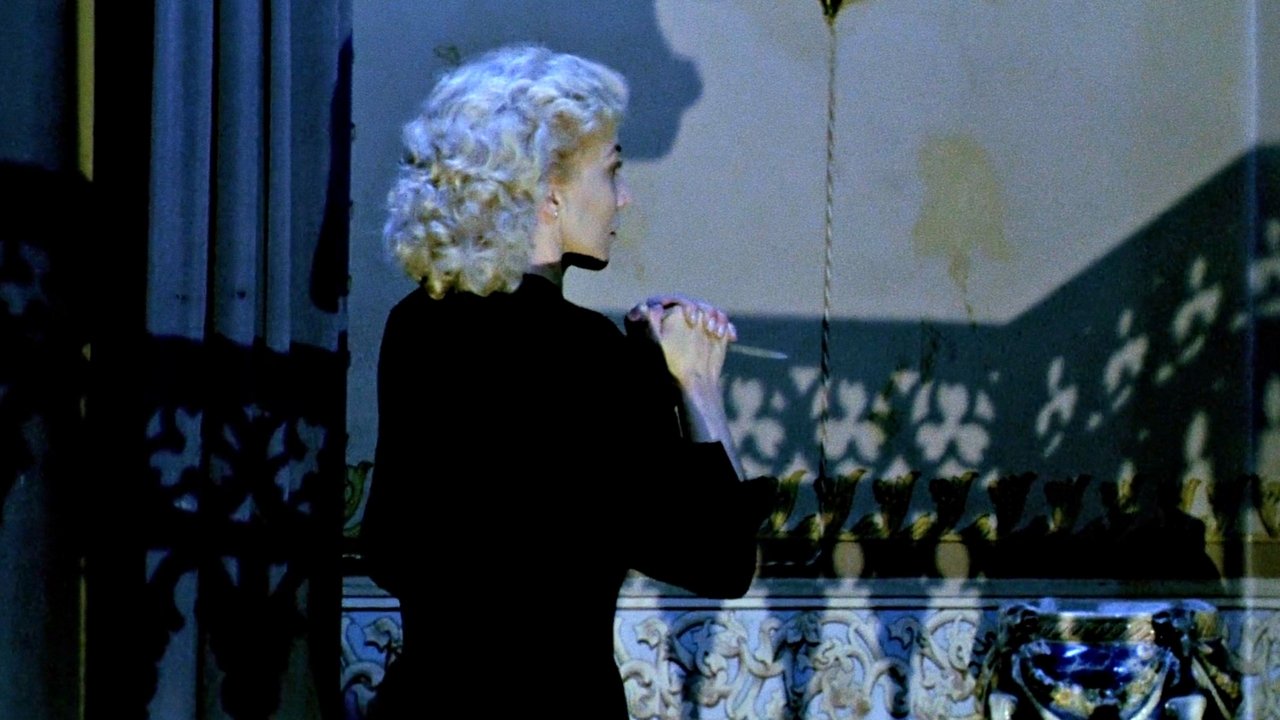
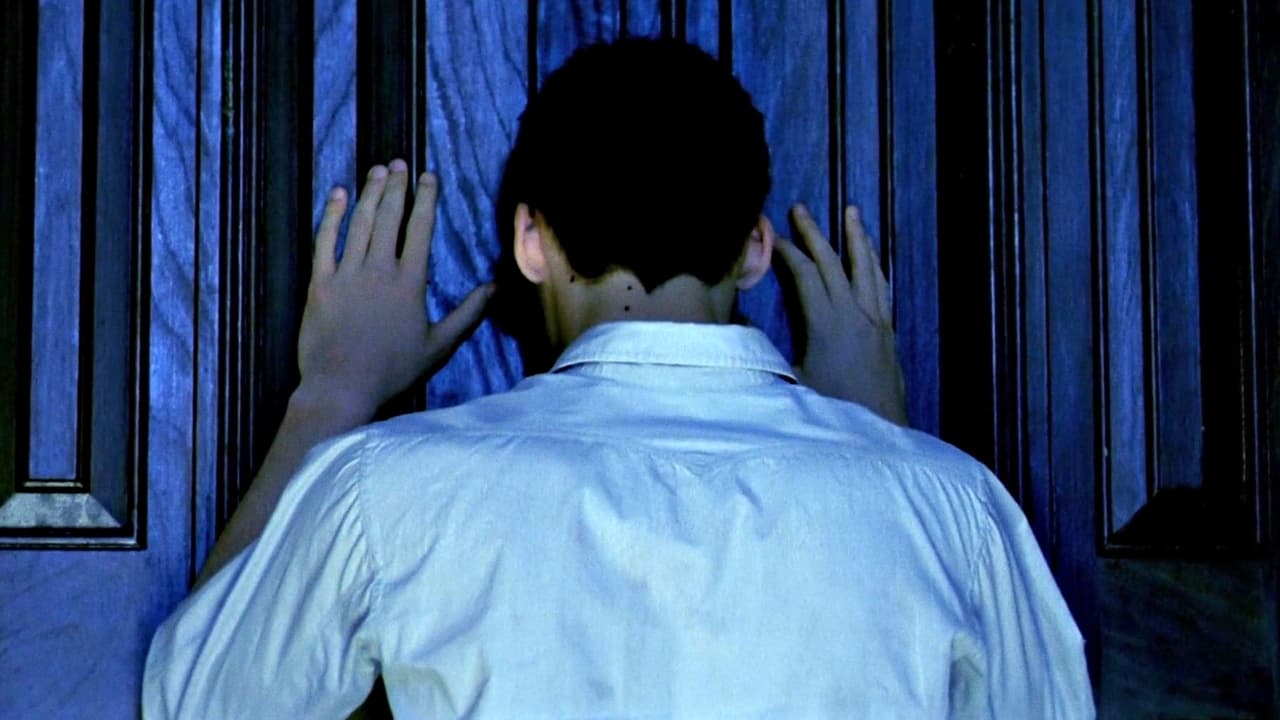
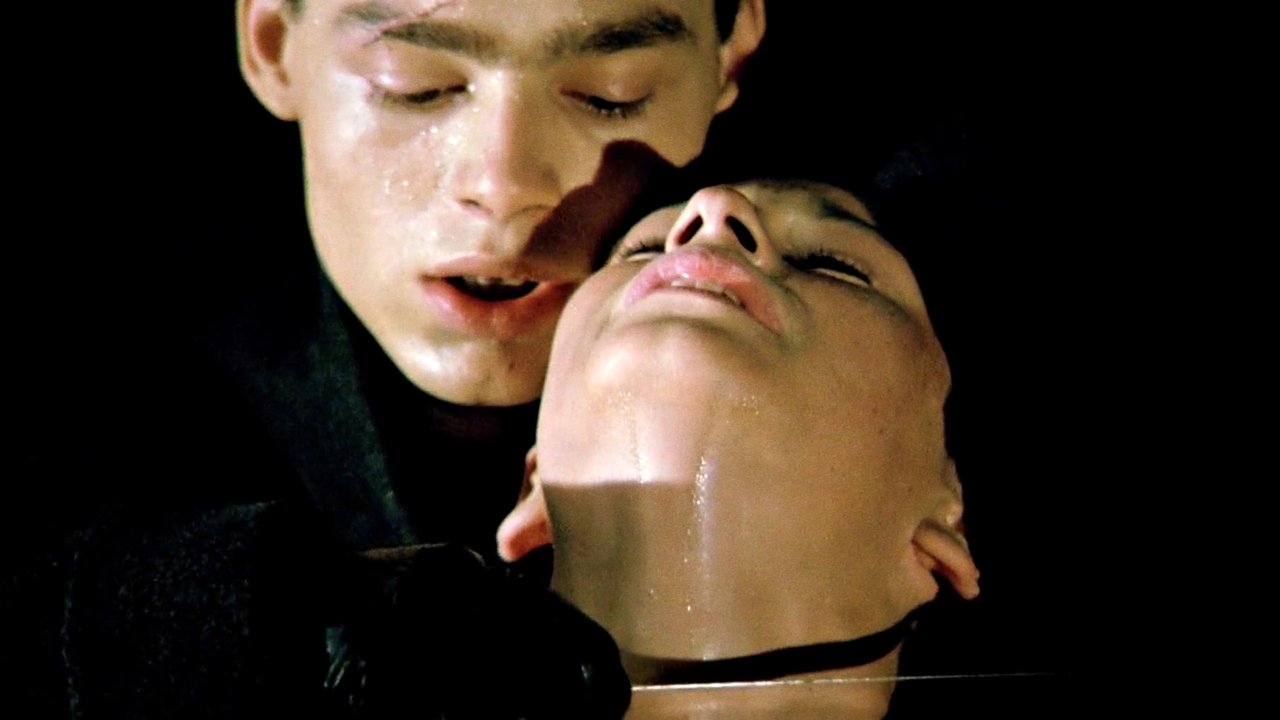
The performances are absolutely crucial and utterly terrifying. Günter Meisner, perhaps known to wider audiences for his brief but memorable role as Arthur Slugworth in Willy Wonka & the Chocolate Factory (1971), is astonishing. Acting almost entirely with his eyes and voice, trapped within the machinery, he conveys a universe of impotent rage, fear, and residual monstrousness. But it's David Sust, in a performance that feels almost alien in its calm intensity, who truly haunts. His Angelo is a chilling enigma – victim turned perpetrator, his motivations complex and deeply unsettling. His placid surface barely conceals the abyss beneath. There's a persistent, if perhaps apocryphal, story suggesting the young actor was deeply affected by the role, requiring significant support during and after filming – hardly surprising given the territory explored.
The Unflinching Gaze
Let's be clear: In a Glass Cage is not for everyone. Its themes of Nazism, pedophilia, torture, and the cyclical nature of violence are explored with an unflinching, almost unbearable directness. This film courted extreme controversy upon release, facing bans and walkouts. Yet, it's precisely this audacity that cemented its place in the annals of extreme cinema. It refuses easy answers or moral comfort. It simply presents a scenario of absolute horror and forces the viewer to confront it. The low budget likely contributed to the stark, minimalist aesthetic, forcing Villaronga to rely on atmosphere, performance, and implication rather than elaborate effects – a choice that ultimately enhances the film's suffocating power. Watching it on VHS, often sourced from specialty distributors or tape-trading circles, felt like an act of cinematic archaeology, unearthing something potent and dangerous.
Did the film push boundaries too far? That debate continues today. But its power is undeniable. It doesn't offer catharsis; it offers a glimpse into the darkest corners of the human psyche, rendered with chilling artistry. It’s a film that questions the nature of evil, the possibility of redemption (or lack thereof), and the terrifying ways trauma can mutate and perpetuate itself. Doesn't that central relationship, the horrific dependency between Klaus and Angelo, still feel like one of cinema's most profoundly disturbing pairings?
Legacy of Unease
In a Glass Cage remains a deeply challenging, provocative piece of work. It's a film that burns itself into your consciousness, demanding reflection even as you recoil. It stands as a stark reminder of the kind of risks filmmakers could take in the 80s, pushing thematic and narrative boundaries far beyond mainstream comfort zones.
Rating: 9/10
This score isn't about enjoyment in the conventional sense – watching In a Glass Cage is an ordeal. The rating reflects its undeniable power, its fearless exploration of taboo subjects, the chilling effectiveness of its performances and direction, and its lasting impact as a landmark of extreme, confrontational cinema. It achieves exactly what it sets out to do, with terrifying precision.
It’s a relic from a time when certain tapes felt genuinely dangerous to watch, promising not escapism, but a harrowing journey into the void. Handle with care.