Okay, settle in. Dim the lights if you haven't already. Tonight, we're cracking open a tape that probably blindsided more than a few unsuspecting renters back in the day, lured in by the promise of animation, only to be confronted with something far darker, far more brutal. We're talking about Felidae (1994), a German animated feature that prowls in the shadows where Disney wouldn't dare tread, leaving a trail of unsettling imagery and existential dread long after the VCR sputters to a stop. This wasn't your typical family fare hidden amongst the colourful boxes at the video store; this was something else entirely.
### Welcome to the Neighbourhood
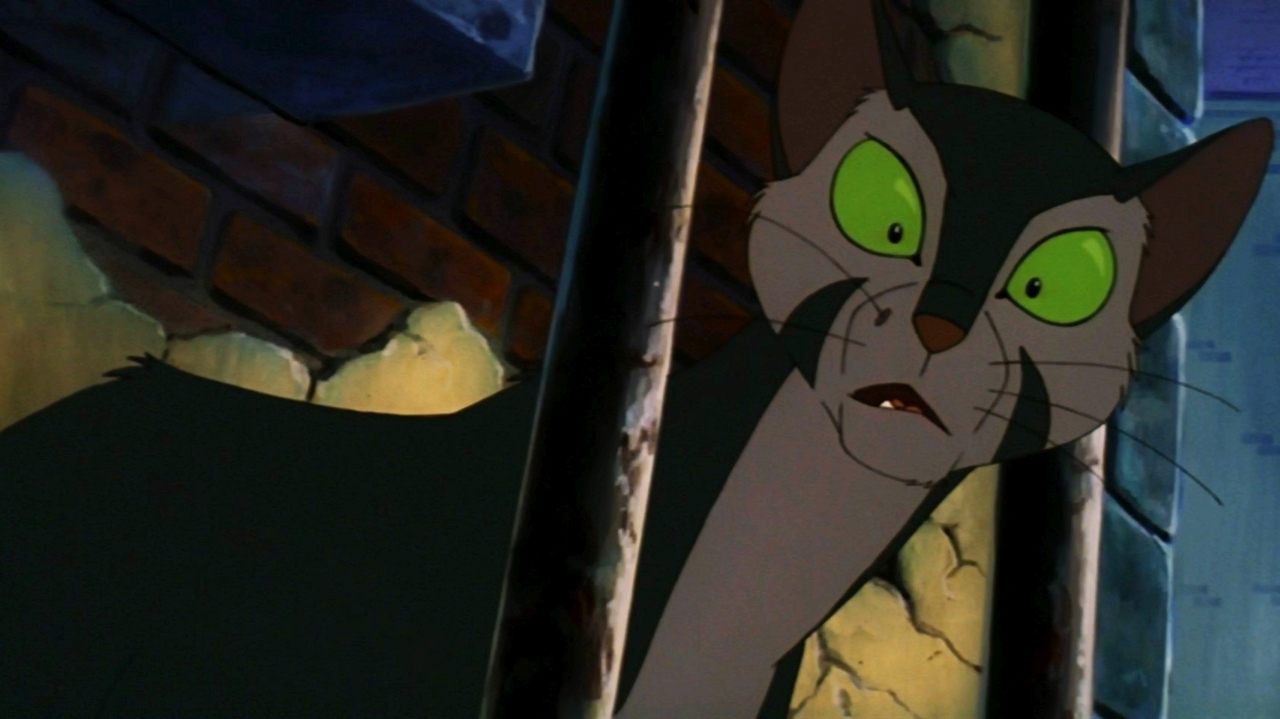
The premise lures you in with a familiar noir setup, albeit with a feline twist. Francis (Ulrich Tukur delivering a world-weary, intelligent performance in the original German track), a thoughtful and observant tomcat, moves into a dilapidated new neighbourhood with his owner. Almost immediately, he stumbles upon a grisly murder – the first of many. The victims are local cats, dispatched with surgical precision. Driven by curiosity and a sense of unease that mirrors our own, Francis takes it upon himself to investigate, navigating a treacherous urban landscape populated by suspicious strays, a bizarre religious cult led by the enigmatic Joker (Helge Schneider), and the hulking, cynical Bluebeard (Mario Adorf), who becomes his reluctant guide through the feline underworld.
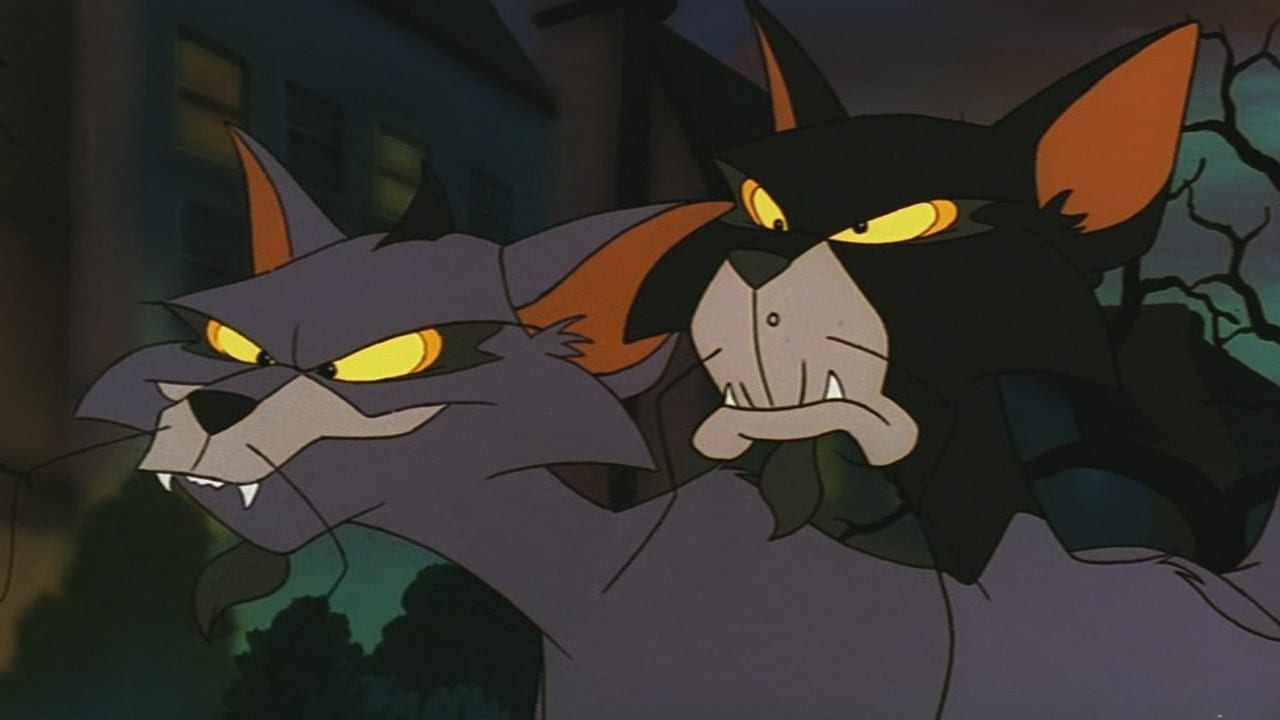
What starts as a detective story quickly spirals into something far more disturbing. The animation, directed by Michael Schaack, possesses a strange dichotomy. The character designs are recognizably "cartoony," yet they inhabit a world rendered with bleak, atmospheric detail – rain-slicked streets, shadowy back alleys, decaying buildings. This visual contrast becomes deeply unsettling when the violence erupts. And erupt it does. Felidae does not shy away from depicting the brutal reality of its murders, showcasing mangled corpses and visceral death throes with a frankness almost unheard of in Western animation at the time. Forget cartoon anvils; this is graphic, disturbing, and designed to shock.
### Beneath the Surface: Science and Savagery
The film’s true darkness lies not just in its explicit violence, but in its thematic core. As Francis digs deeper, the mystery unravels to reveal a horrifying conspiracy rooted in eugenics and twisted scientific ambition, centred around the imposing figure of Pascal/Claudandus, a seemingly gentle elder who harbours monstrous secrets. This plot thread, exploring themes of racial purity, genetic experimentation, and the horrifying legacy of past atrocities, gives Felidae a weight and intellectual chill that elevates it beyond mere shock value. It taps into deep-seated historical anxieties, particularly given its German origins, lending the narrative a disturbing resonance.
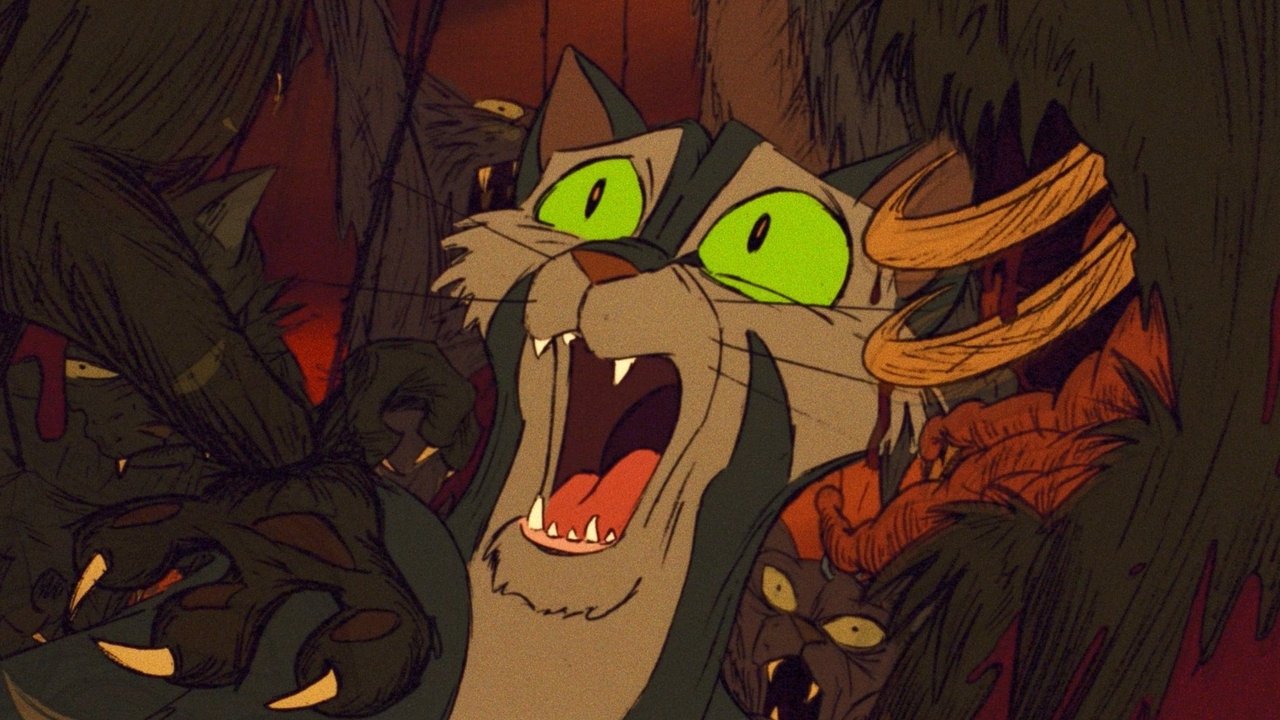
Remember those unsettling dream sequences? They weren't just stylistic flourishes. These surreal, often nightmarish interludes – particularly the infamous sequence featuring Gregor Mendel and hundreds of marching cats – serve as visual metaphors for the film's exploration of genetic destiny and the cyclical nature of violence. They are animated with a grotesque beauty, pushing the boundaries of what animation was perceived to be capable of conveying in terms of psychological horror. It’s a far cry from the talking animals of lighter fare; these moments feel dredged from a fever dream.
### A Troubled Production, A Cult Following
Bringing Akif Pirinçci's dense, controversial novel to the screen was no easy feat. German animation studio Trickompany Filmproduktion, known more for family-friendly fare like Werner, took a significant risk. Securing funding for such an adult-oriented animated feature in the early 90s was reportedly a challenge. The detailed animation, particularly for the complex backgrounds and the fluid, realistic movement of the cats (when they weren't meeting grisly ends), demanded significant resources. The commitment to rendering the novel's dark themes and violence without compromise resulted in a film that polarized audiences and critics upon release but cemented its status as a cult classic, particularly among fans of adult animation seeking something beyond the mainstream. It often gets mentioned in the same breath as other boundary-pushing animated films like Watership Down (1978) or The Plague Dogs (1982), though Felidae's urban noir setting and explicit gore give it a uniquely grim identity.
Did finding this on the shelf feel like discovering forbidden knowledge? For many, encountering Felidae was an initiation into a darker corner of the animation world, a jarring realization that cartoons could tackle mature, terrifying themes with such unflinching intensity. The haunting electronic score by Anne Dudley (yes, the Art of Noise collaborator and future Oscar-winner for The Full Monty) perfectly complements the oppressive atmosphere, amplifying the tension and dread that permeates every frame.
### The Lingering Shadow
Felidae is not an easy watch. Its violence is graphic, its themes are profoundly disturbing, and its overall tone is relentlessly bleak. Yet, it remains a fascinating and audacious piece of filmmaking. It’s a film that uses the perceived innocence of animation to deliver a gut punch, exploring complex ideas about science, morality, and the darkness that can lurk beneath even the most familiar facades – or furry faces. The voice acting in the original German version is superb, lending gravitas and personality to the feline cast. While an English dub exists (featuring voices like John Hurt and Michael Madsen, though often criticized for lacking the nuance of the original), experiencing it in German with subtitles arguably preserves the intended mood more effectively.
It’s a film that sticks with you, not just for its shocking content, but for its ambition and its chilling dissection of humanity's darkest impulses, reflected in the eyes of its feline protagonists. Doesn't that final confrontation, revealing the villain's horrifying motive, still feel incredibly bleak?

VHS Heaven Rating: 8/10
Justification: Felidae earns a high score for its sheer audacity, its successful creation of a genuinely dark and oppressive atmosphere within an animated framework, and its willingness to tackle complex, disturbing themes head-on. The animation, while perhaps dated in places, is effectively stylized and serves the grim narrative well. The voice acting (particularly the German original) and haunting score are significant strengths. It loses a couple of points perhaps for pacing that occasionally drags and a relentless bleakness that can be overwhelming, making it less re-watchable for some than other cult classics. However, its impact and uniqueness within the animation landscape are undeniable.
Final Thought: More than just "that violent cat cartoon," Felidae remains a potent and unsettling piece of animated noir, a stark reminder from the VHS era that animation could be just as dark, complex, and terrifying as any live-action thriller. It’s a film that truly crawled under your skin and perhaps, for some of us, never entirely left.