The fluorescent lights of the Forensic Institute flicker with a cold, indifferent hum. Down here, surrounded by stainless steel and the unnerving stillness of the recently departed, silence isn't golden; it’s heavy, suffocating. This is the chilling playground of Ole Bornedal's 1994 Danish thriller, Nattevagten (or Nightwatch as most of us knew it from the rental shelf), a film that locks you in the dark and dares you not to flinch. It doesn't rely on spectral apparitions; its horror is rooted in something far more tangible and terrifying – the darkness within the living.
### Descent into the Cold Room
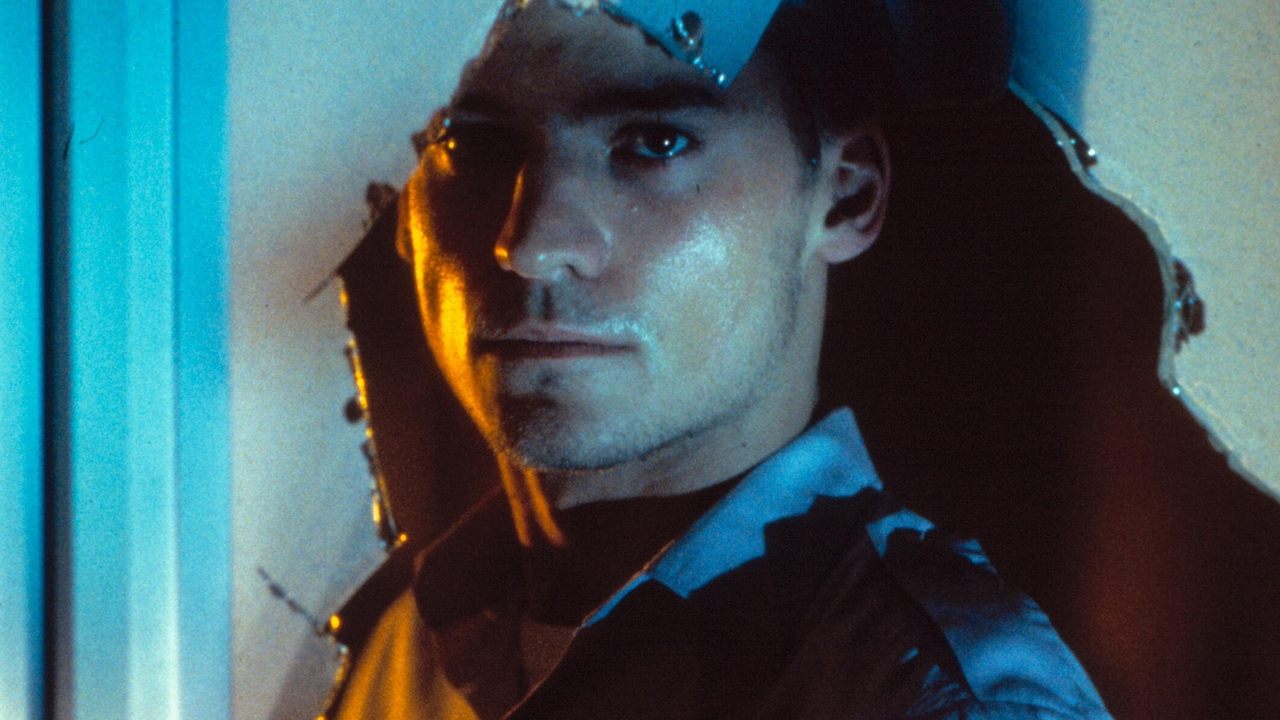
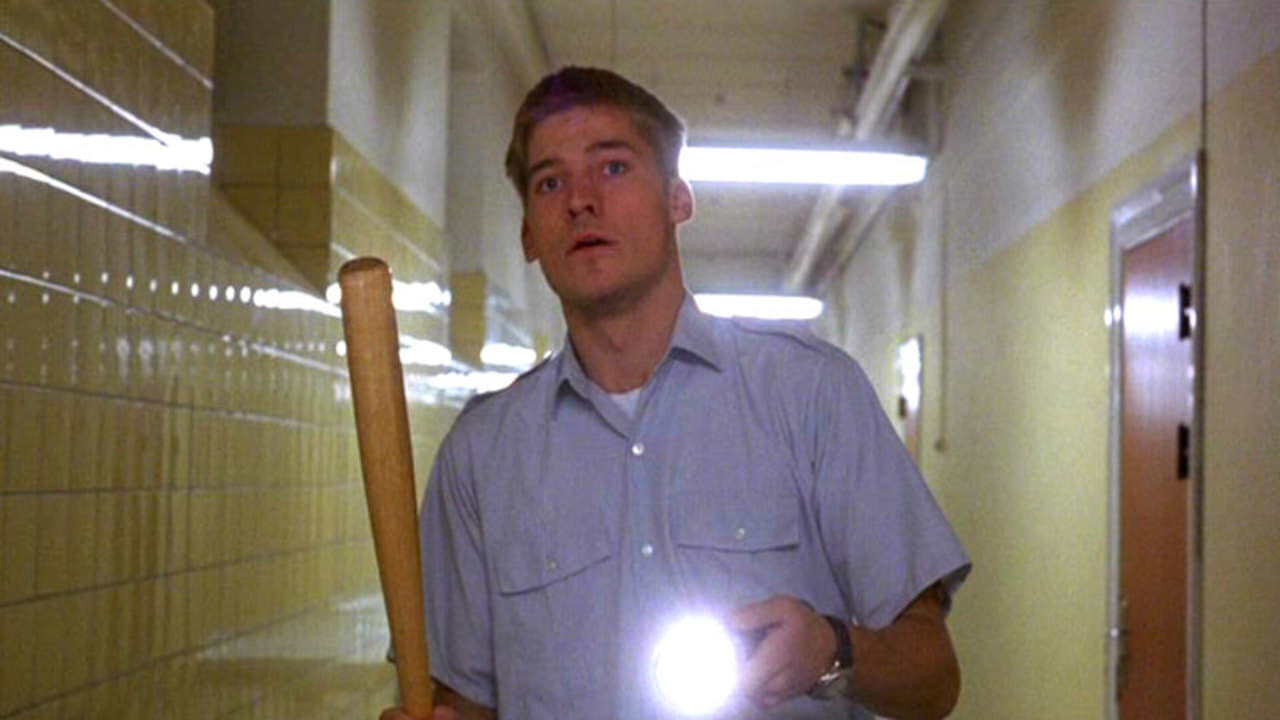
The premise is deceptively simple, tapping into that youthful recklessness many of us remember. Law student Martin (Nikolaj Coster-Waldau, in a breakout role years before finding global fame in Westeros) needs money. He takes a job as a night watchman at a city morgue, thinking it easy cash. His biggest worry? Boredom. His best friend, the charismatic but dangerously impulsive Jens (Kim Bodnia, another face familiar from modern classics like Pusher and Killing Eve), sees it as fertile ground for elaborate, boundary-pushing dares. Meanwhile, a necrophiliac serial killer stalks the city, leaving a trail of brutalized victims... some of whom inevitably end up on Martin's cold, silent watch. The dread begins to coil almost immediately, less a sudden shock and more a slow, creeping frost spreading through the viewer.
### The Weight of Silence and Shadow
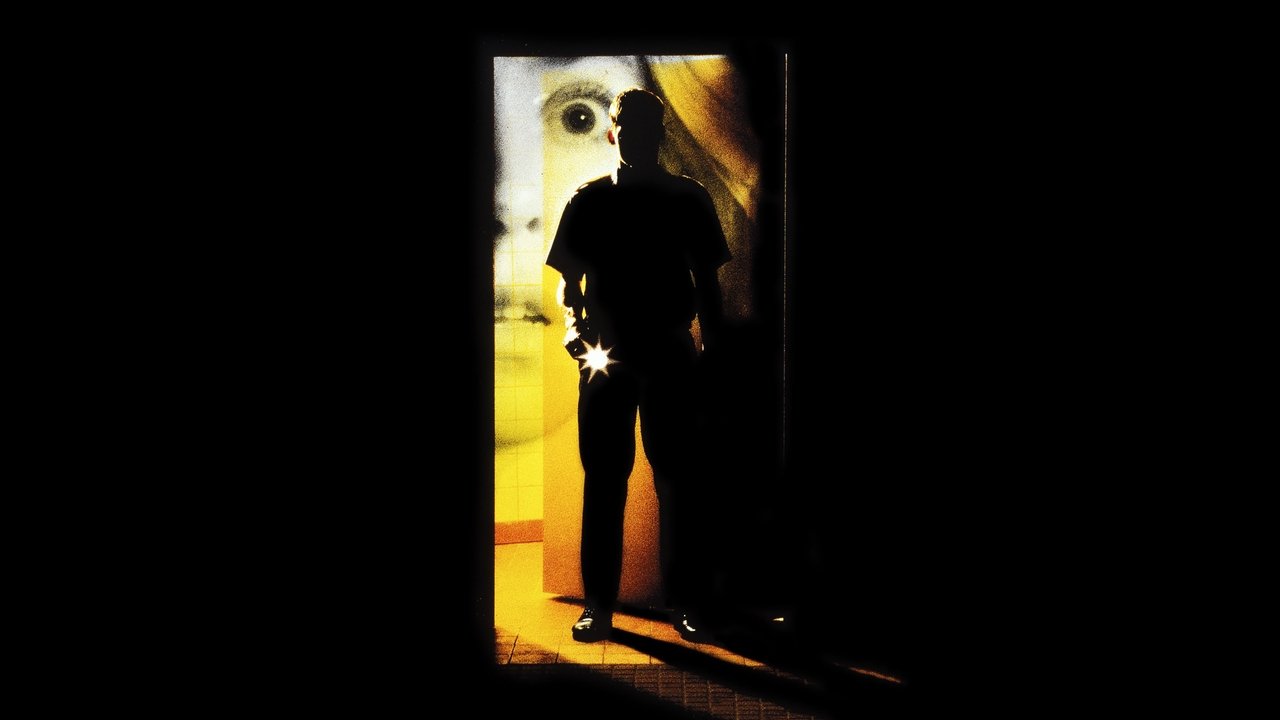
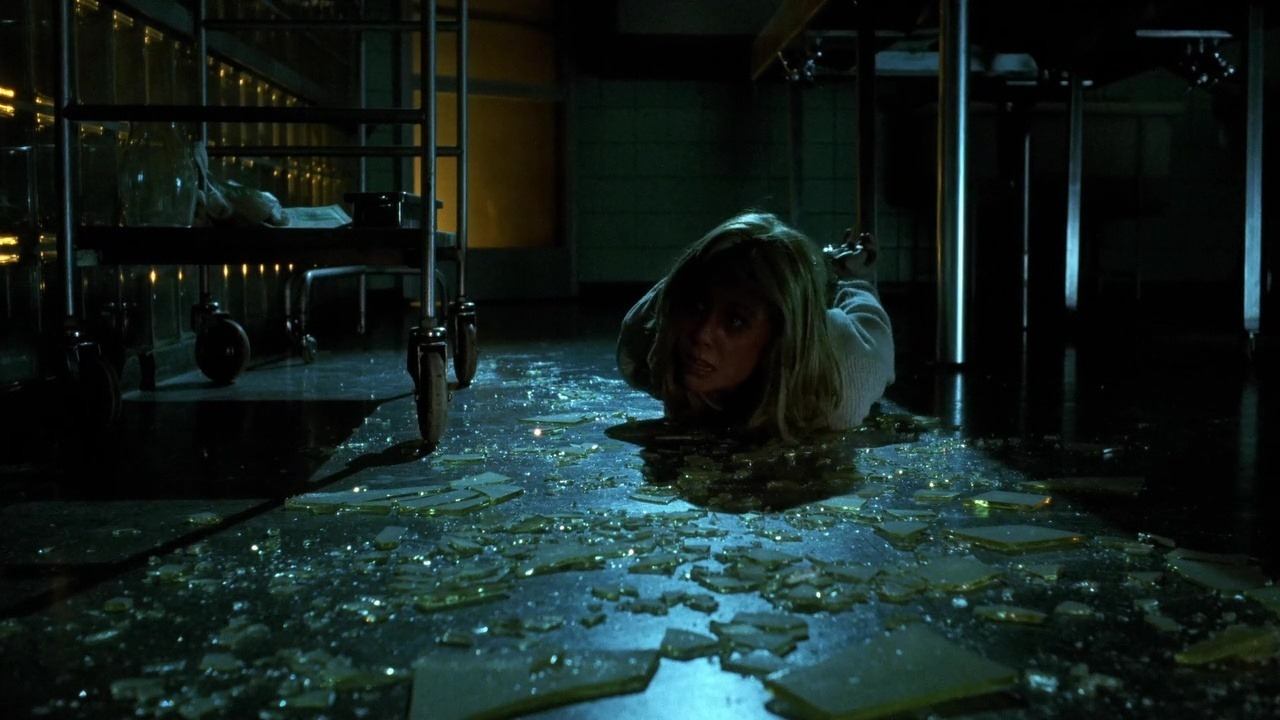
What Nightwatch masterfully achieves is atmosphere. Bornedal, who also penned the script, understands the power of suggestion and isolation. The morgue isn't just a setting; it's a character. The long, echoing corridors, the sterile white tiles reflecting pale light, the constant, low thrum of refrigeration – it all conspires to create a palpable sense of unease. You feel Martin's isolation acutely. Each creak, each shadow seems pregnant with menace. The film reportedly used meticulously crafted sets rather than a real morgue, a testament to the production design's power in creating such a convincing and chilling environment. Does that meticulously crafted dread still get under your skin, even now?
The tension is ratcheted up not just by the environment, but by the psychological games at play. Jens's increasingly unhinged behaviour pushes Martin towards paranoia, blurring the lines between prank and peril. Simultaneously, Inspector Wörmer (Ulf Pilgaard) investigates the killings, his path inevitably crossing with the terrified student trapped in the morgue's icy embrace. The film plays cleverly with perspective, making us question who Martin can trust, including himself. It’s a slow burn that occasionally erupts into moments of sharp, effective terror, often relying on claustrophobia and the fear of the unseen rather than explicit gore – a hallmark of great suspense.
### A Nordic Noir Precursor?

Watching Nightwatch today, it feels like an early tremor preceding the earthquake of Nordic Noir that would sweep global screens years later. The grim subject matter, the flawed protagonists, the pervasive sense of societal darkness simmering beneath a calm surface – many elements are present. Nikolaj Coster-Waldau delivers a compelling performance as Martin, convincingly portraying his slide from cocky student to nerve-shredded wreck. Kim Bodnia is magnetic as the volatile Jens, radiating an unsettling charisma that keeps you guessing about his motives. And Sofie Gråbøl (later the iconic Sarah Lund in The Killing) provides a grounding presence as Martin's concerned girlfriend, Kalinka.
The film wasn't just a critical darling; it was a phenomenon in its native Denmark, reportedly selling more tickets than Jurassic Park that year and becoming one of the country's most successful films ever. This success undoubtedly paved the way for Bornedal himself to helm the 1997 American remake, also titled Nightwatch, starring Ewan McGregor and Nick Nolte. While the remake followed the original's plot closely, many argue it lacked the raw, chilling atmosphere and cultural specificity that made the Danish version so potent. Finding this original on VHS back in the day often felt like uncovering a hidden gem, something darker and more daring than mainstream Hollywood fare. I distinctly remember the stark cover art promising something genuinely unsettling, and it delivered.
### Lasting Chill Factor
Nightwatch isn't perfect. Some plot points might stretch credulity upon close inspection, and the pacing, while deliberate, might test the patience of viewers accustomed to faster cuts. Yet, its power lies in its unwavering commitment to atmosphere and psychological dread. It understands that true horror often lies not in what jumps out, but in what might be lurking just beyond the light, in the unnerving quiet of a place dedicated to the dead. The practical craft, the suffocating setting, and the strong central performances ensure it remains a deeply effective thriller. It’s the kind of film that makes you check the locks twice and perhaps leave a light on long after the credits roll.
Rating: 8/10
This score reflects the film's exceptional command of atmosphere, sustained tension, and strong performances, particularly Coster-Waldau's early turn. It masterfully uses its setting and psychological games to create genuine unease, cementing its place as a standout European thriller of the 90s. While some plot mechanics feel a touch contrived decades later, the core experience remains potently chilling. Nightwatch is a reminder that sometimes the most terrifying place isn't a haunted house, but the quiet room where the living confront the stillness of death, and the darkness within themselves. A true VHS-era discovery that still holds its icy grip.