The rain seems to fall perpetually in the world of Bless the Child. Not a cleansing rain, but a heavy, oppressive downpour that mirrors the darkness gathering around a child marked by forces beyond comprehension. Released in 2000, just as the millennium turned and anxieties about the unknown lingered, this supernatural thriller landed on rental shelves offering a potent cocktail of maternal protection versus insidious evil. It wasn't groundbreaking, perhaps, but it tapped into a primal fear – the vulnerability of innocence – with a chilling conviction that still resonates with a certain late-night viewing unease.

A Shadow Over Innocence
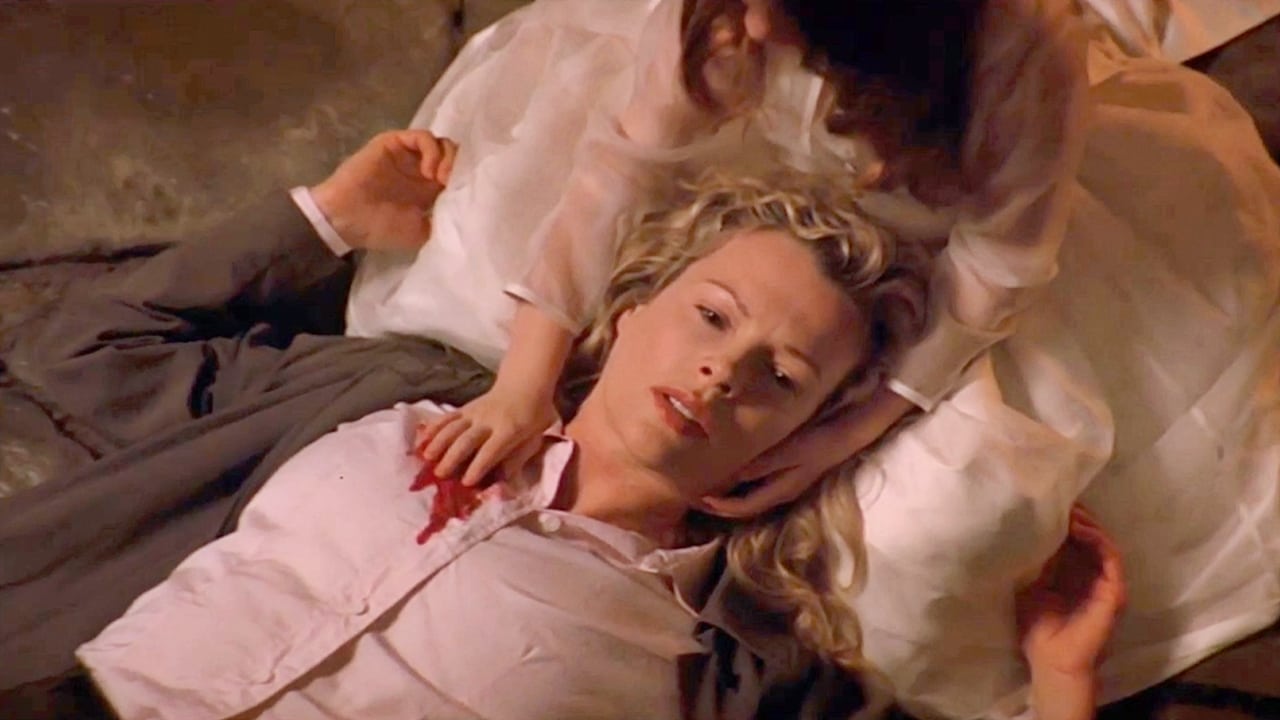
The premise itself is unsettlingly simple. Maggie O'Connor (Kim Basinger, bringing the fierce maternal energy she honed in films like L.A. Confidential), a nurse whose life is relatively ordinary, finds herself the guardian of her newborn niece, Cody, after her troubled sister Jenna abandons her. Years pass, and Cody (Holliston Coleman, delivering a performance of unnerving stillness) begins displaying extraordinary abilities, seemingly divine gifts. But these gifts attract the wrong kind of attention. Enter Eric Stark (Rufus Sewell, radiating pure, sophisticated menace), a charismatic self-help guru who is actually the leader of a sinister Satanic cult. He believes Cody is destined for a dark purpose, and he, along with Jenna who has fallen under his sway, wants her back. What unfolds is Maggie's desperate race against time, aided by FBI agent John Travis (Jimmy Smits, playing the slightly weary but determined believer), to protect Cody from a pervasive evil that seems woven into the very fabric of the city.
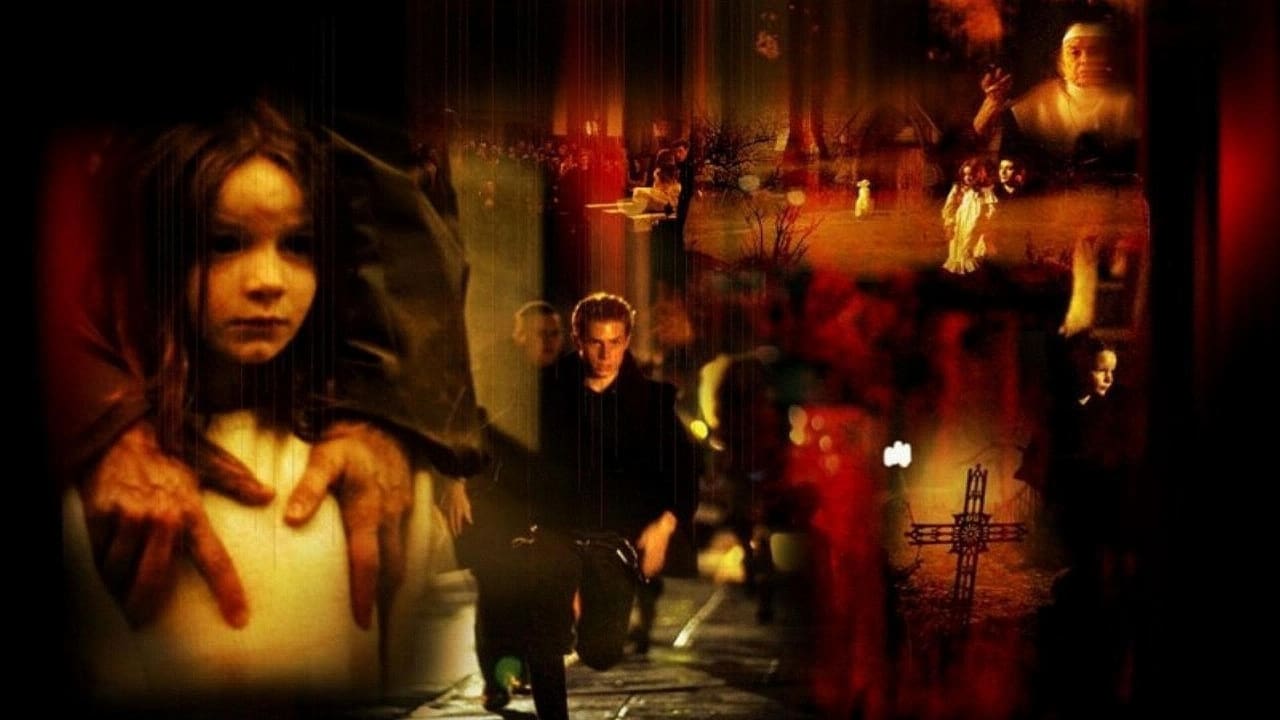
Director Chuck Russell was no stranger to blending horror with compelling character work, having previously given us the fantastical thrills of A Nightmare on Elm Street 3: Dream Warriors (1987) and the gooey practical effects showcase The Blob (1988). Here, he trades overt monsters for a more insidious, atmospheric dread. The film relies heavily on its moody cinematography, often bathing scenes in shadow or the cold blue light of the city at night. There's a tangible sense of paranoia, the feeling that the cult's influence reaches everywhere, lurking behind smiling faces and within seemingly safe institutions. Remember those shadowy figures glimpsed just out of frame, or the subtle wrongness in a character's eyes? Russell understood how to build suspense through suggestion as much as overt threat.
Whispers from the Set
Based on the novel by Cathy Cash Spellman, the journey to screen wasn't entirely straightforward. The script saw revisions from multiple writers (Tom Rickman, Clifford Green, Ellen Green), common for larger studio pictures, perhaps contributing to a feeling that some plot threads feel slightly less developed than others. Interestingly, while Basinger was the anchor, the role of Eric Stark reportedly saw other actors considered before Rufus Sewell secured the part, bringing his unique brand of chilling charisma that elevates the antagonist beyond a simple archetype. Despite a hefty reported budget of around $65 million, the film unfortunately didn't quite connect with audiences or critics at the time, pulling in only about $40 million worldwide. It became one of those thrillers often found lingering on the "New Releases" wall for weeks, tempting renters with its promise of supernatural chills.
The Enduring Chill of Y2K Fears
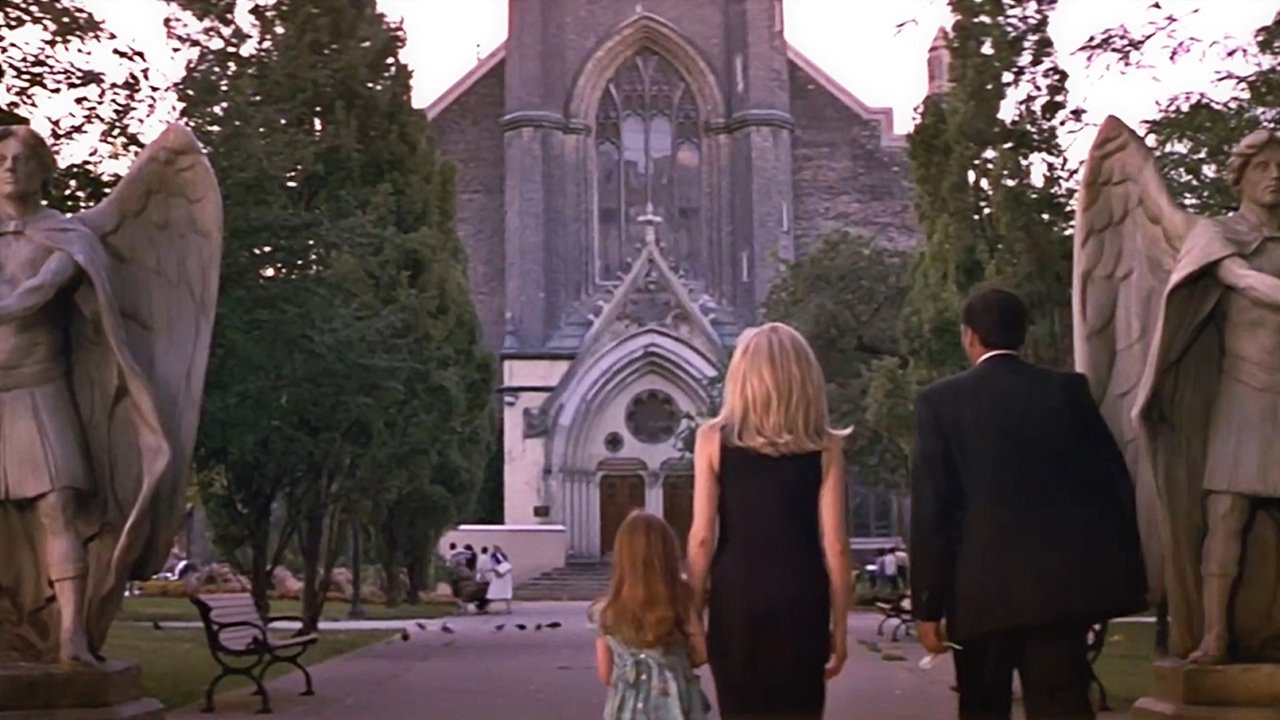

What Bless the Child captures effectively is that specific turn-of-the-millennium anxiety. The cult in the film isn't just chanting in robes; they are slick, modern, using self-help rhetoric as a cover – a very contemporary fear about hidden dangers within persuasive movements. The film blends religious iconography, both divine and demonic, with the procedural elements of a thriller, creating a slightly uneven but often gripping experience. Holliston Coleman deserves particular credit; child actors carrying the weight of supernatural plots can be hit-or-miss, but her portrayal of Cody often feels genuinely unsettling, her quiet intensity selling the film's core conflict. Does anyone else recall finding those moments where Cody's powers manifested – sometimes protective, sometimes destructive – genuinely creepy back then?
The practical effects, particularly some of the demonic transformations and unsettling imagery associated with the cult, have that tangible quality characteristic of the era before CGI fully took over. While perhaps not cutting-edge even for 2000, they possess a physical weight that often feels more disturbing than overly polished digital creations. The sequences involving rats, a classic horror trope, are used to particularly skin-crawling effect here, amplifying the sense of urban decay and encroaching corruption.
Final Verdict
Bless the Child isn't a perfect film. Its plot sometimes leans on familiar tropes of the supernatural thriller genre, and the pacing occasionally falters. Yet, it succeeds in creating a pervasive atmosphere of dread, anchored by a committed performance from Kim Basinger and a genuinely menacing villain in Rufus Sewell. It taps into deep-seated fears about child endangerment and unseen evils operating beneath the surface of society. For those who remember renting it on a dark evening, seeking a thriller that aimed for psychological chills over outright gore, it likely left a lingering sense of unease. It’s a solid example of the kind of studio supernatural thriller common in the late 90s/early 2000s – slickly produced, atmospheric, and carried by recognizable stars.
Rating: 6/10
Justification: The film earns points for its strong atmosphere, Basinger's committed lead performance, Sewell's effective villainy, and some genuinely unsettling moments, particularly involving Cody. However, it loses points for leaning heavily on genre clichés, some uneven pacing, and a plot that feels somewhat predictable in its overall arc. It’s a competent and often moody thriller, but doesn't quite reach the heights of the genre's best.
Final Thought: While it might not be hailed as a classic, Bless the Child remains a fascinating time capsule of Y2K anxieties wrapped in a supernatural thriller package – a reminder of a time when cinematic evil felt chillingly close to home, lurking just beneath the surface of the everyday.