Okay, settle in. Let's talk about a film that feels less like watching a movie and more like succumbing to a low-grade fever dream in a sterile, anonymous hotel room somewhere on the edge of tomorrow. Forget the neon glow often associated with its literary origins; Abel Ferrara’s New Rose Hotel (1999) plunges you into the cold, flickering fluorescent light of corporate dread and erotic obsession, a place where the human soul feels like just another commodity up for negotiation.
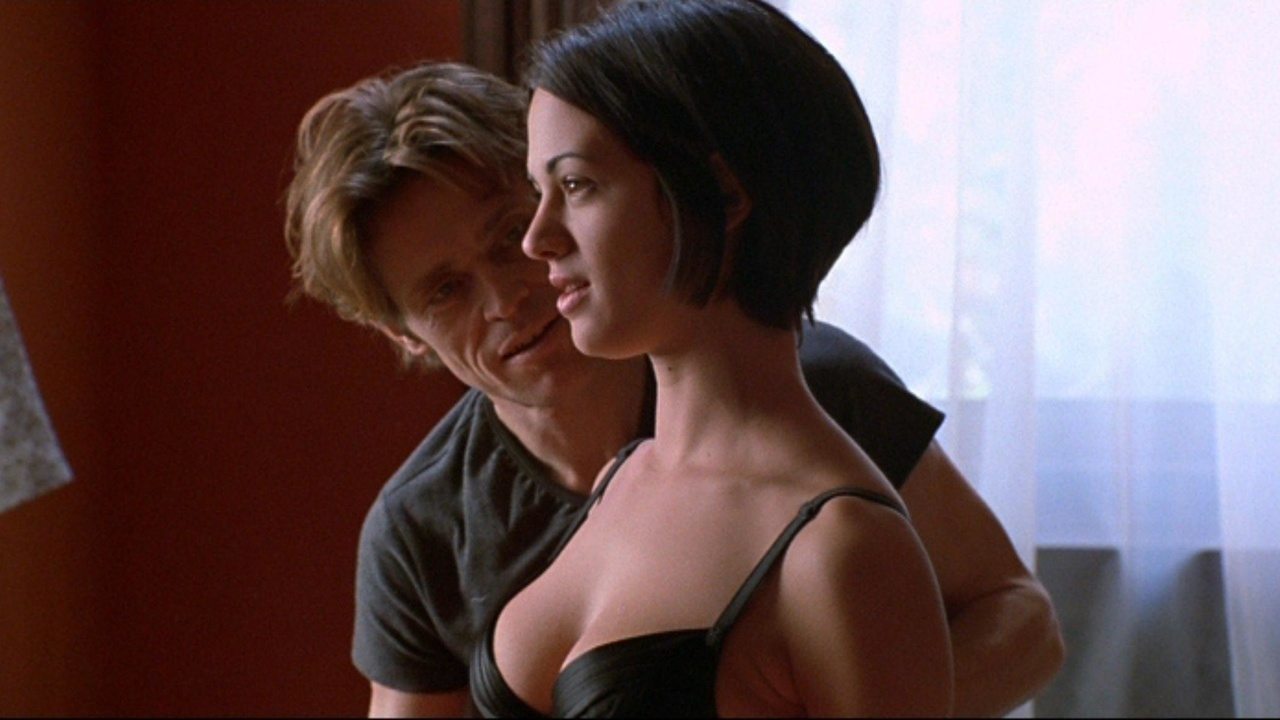
Adapting a short story by the godfather of cyberpunk himself, William Gibson (who shares a writing credit here, though whispers persist he wasn't thrilled with the final cut), Ferrara distills the narrative down to its raw, uncomfortable core. There’s no sprawling dataspace, no chrome-limbed street samurai. Instead, we get claustrophobic interiors, hushed conversations filled with menace, and the palpable weight of impending betrayal. This isn't the explosive cyberpunk of Blade Runner (1982); it's the paranoia simmering beneath the surface, the quiet desperation of players in a game they only partially understand. I remember finding this tape tucked away in the "Thriller" section, its stark cover promising something slicker, perhaps. What I got was far more unsettling, a feeling that lingered like cheap cologne in a hotel hallway.
Ghost in the Corporate Machine
The setup is deceptively simple, classic noir filtered through a late-90s technological lens. Fox (Christopher Walken, radiating that signature blend of eerie charm and coiled threat) and X (Willem Dafoe, tightly wound and visibly fraying) are corporate headhunters, industrial spies trafficking in human capital. Their target is Hiroshi (Yoshitaka Amano, the legendary Final Fantasy artist in a rare acting role), a brilliant Japanese scientist working for a rival mega-corp. Their weapon? The devastatingly alluring Sandii (Asia Argento), hired to seduce Hiroshi and convince him to defect to their client, Hosaka. It’s a high-stakes play, the kind that promises obscene wealth or utter ruin. Walken, who Ferrara had previously directed in the brutal King of New York (1990), embodies the seasoned manipulator, detached and almost reptilian. Dafoe, meanwhile, becomes the film's raw nerve, his obsession with Sandii escalating alongside the corporate espionage plot, blurring lines until betrayal feels not just possible, but inevitable. Doesn't that dynamic between Walken's chilling calm and Dafoe's unraveling intensity feel like the film's dark heart?

Ferrara's Neon Nocturne
Forget glossy production values. Ferrara, ever the master of gritty, low-budget intensity – think Bad Lieutenant (1992) – crafts New Rose Hotel with a deliberate, almost suffocating intimacy. Much of the film unfolds in hotel suites, boardrooms, and apartments that feel both anonymous and intensely personal, thanks to Ken Kelsch's probing cinematography. The limited budget (reportedly around $8 million, peanuts even then for a film with this cast) becomes an aesthetic choice, forcing the focus onto the psychological warfare between the characters. There are stories, likely true given Ferrara's reputation, of chaotic shoots and improvisation, which perhaps contributes to the film’s fragmented, dreamlike quality. It feels less plotted, more felt. The score by Schoolly D further enhances the mood – pulsing, electronic, and vaguely threatening, underscoring the tension rather than dictating cheap scares. It’s the sound of a deal going sour in the dead of night.
Obsession on Magnetic Tape
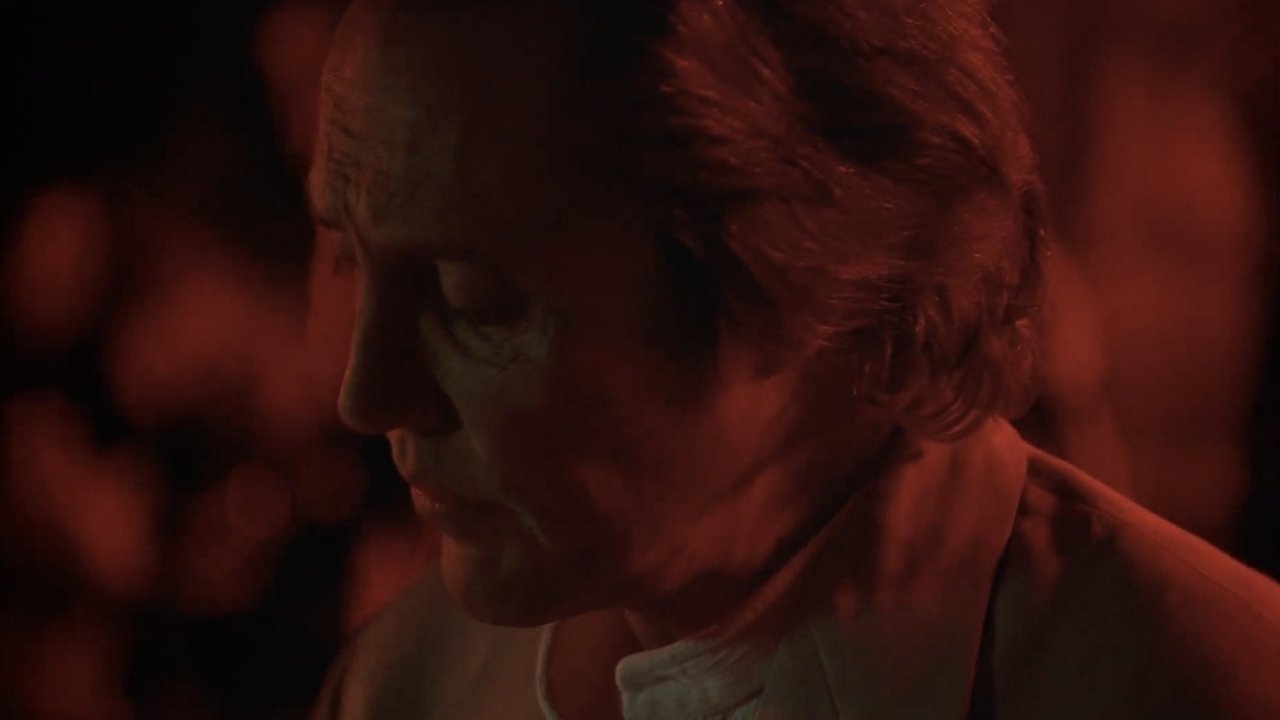
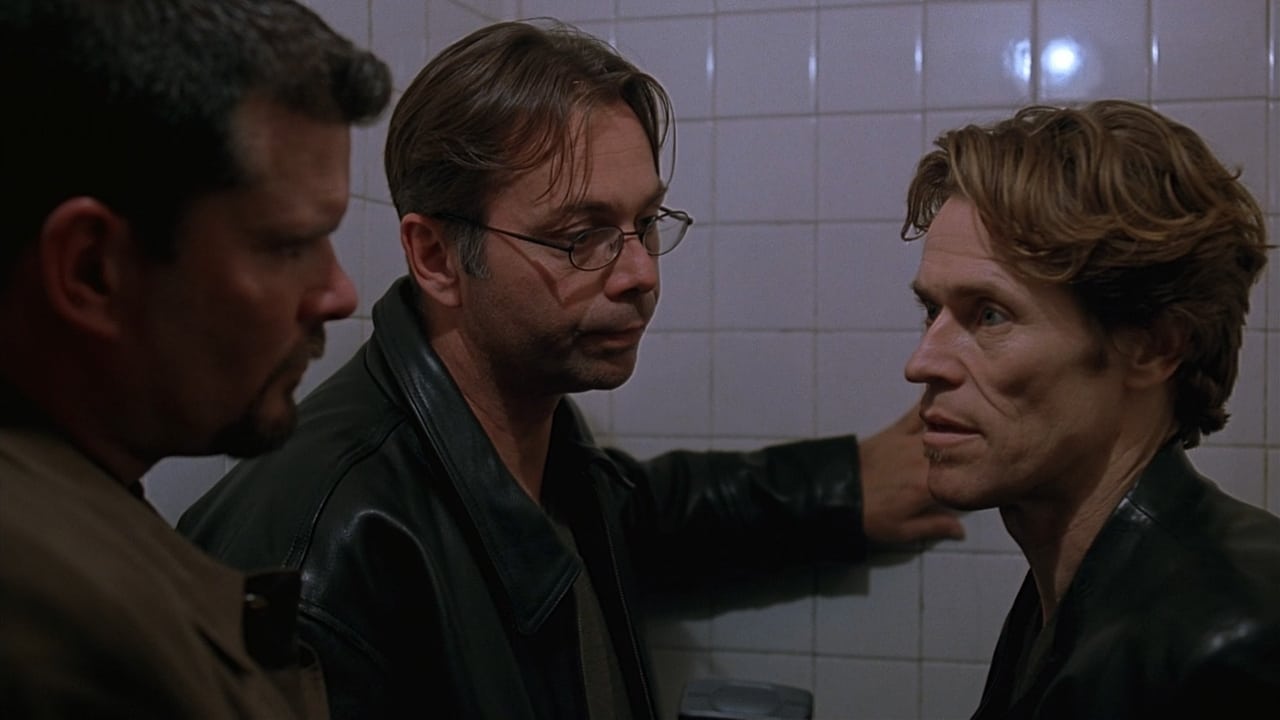
What makes New Rose Hotel stick with you, despite its sometimes oblique narrative, is its unwavering focus on obsession. Dafoe's X doesn't just fall for Sandii; he dissolves into her orbit. Their relationship, depicted with Ferrara's trademark raw sexuality, becomes the vortex around which the corporate plot spins and ultimately disintegrates. Argento, herself no stranger to challenging roles, navigates Sandii's ambiguity perfectly – is she a victim, a manipulator, or something in between? The film offers no easy answers, leaving you adrift in X's paranoia and longing. Watching this back in the day, likely on a slightly worn VHS tape rented from a store smelling faintly of popcorn and plastic, the visual graininess and muffled sound probably amplified the sense of disorientation, making the voyeuristic elements feel even more invasive.
The behind-the-scenes friction, particularly Gibson reportedly feeling the adaptation strayed too far from his vision by focusing intensely on the doomed love triangle over the broader corporate machinations, becomes part of the film's fascinating, flawed legacy. It’s a William Gibson story refracted through the unflinching, street-level gaze of Abel Ferrara, resulting in something unique, challenging, and undeniably potent, even if it doesn't fully satisfy fans of either creator's usual style.
Final Static
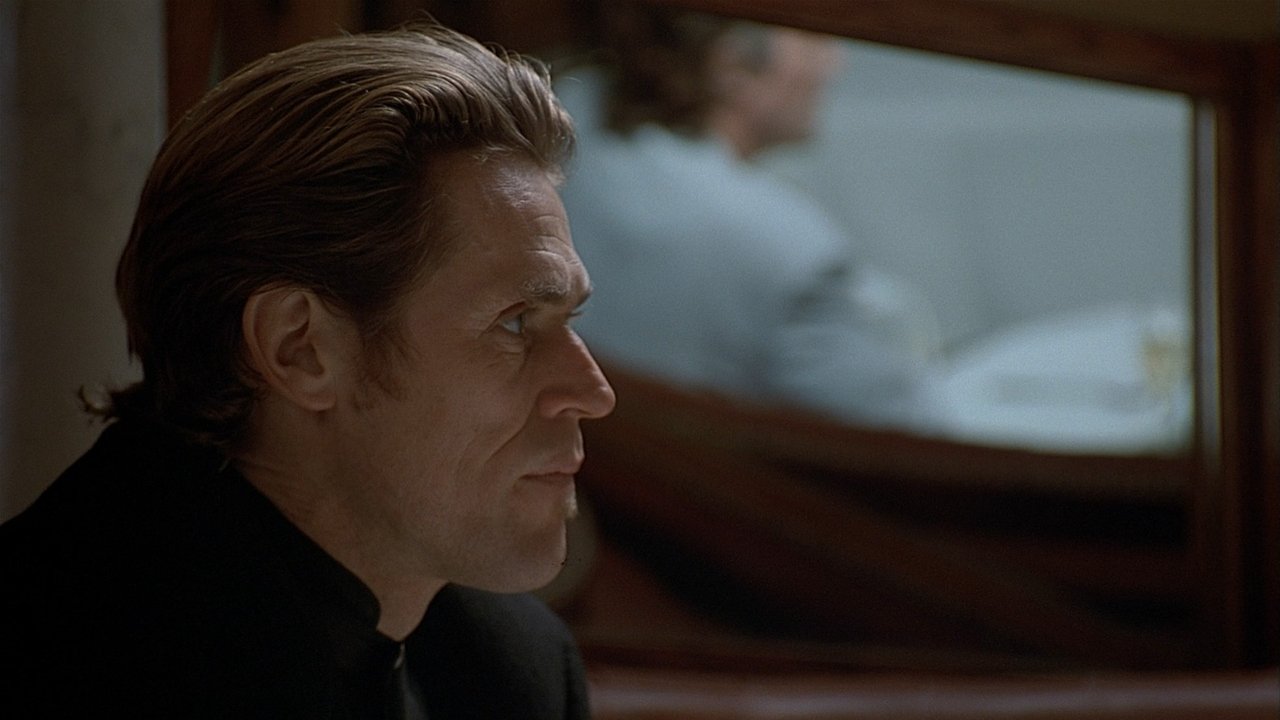
New Rose Hotel is not an easy watch. It’s elliptical, moody, and trades narrative clarity for atmospheric density and psychological intensity. It demands patience and rewards it with stellar performances from its leads, particularly the contrasting energies of Walken and Dafoe, and a pervasive sense of unease that’s hard to shake. It’s a film that captures the specific anxieties of the late 90s – the dehumanizing potential of global corporations, the fragility of trust, the destructive power of obsession – all wrapped in Ferrara’s signature abrasive poetry.
Rating: 6/10
The score reflects its challenging nature and narrative sparseness, which can be frustrating. However, the potent atmosphere, committed performances (Walken and Dafoe are mesmerizing), and Ferrara's uncompromising vision elevate it beyond a simple misfire. It earns points for sheer audacity and mood, even if the story feels deliberately fractured.
It remains a fascinating, if flawed, artifact – a cyberpunk noir stripped bare, leaving only the paranoia, the sweat, and the ghost of a deal gone terribly wrong. It’s the kind of film that might have sat unwatched on rental shelves for weeks, but for those who took a chance, it offered a uniquely chilling glimpse into the abyss.