The dying embers of the 20th century flicker across a rain-slicked Los Angeles street. It's December 30th, 1999, and the city holds its breath, not just for the impending millennium, but under the weight of its own paranoia, violence, and voyeuristic hunger. This isn't just the backdrop for Kathryn Bigelow's Strange Days (1995); it's a character in itself – bruised, volatile, and wired for sensation. Watching it again now, maybe late at night with only the glow of the screen pushing back the darkness, that sense of pervasive dread feels less like Y2K panic and more like a chilling prophecy fulfilled.
### Welcome to the Wire
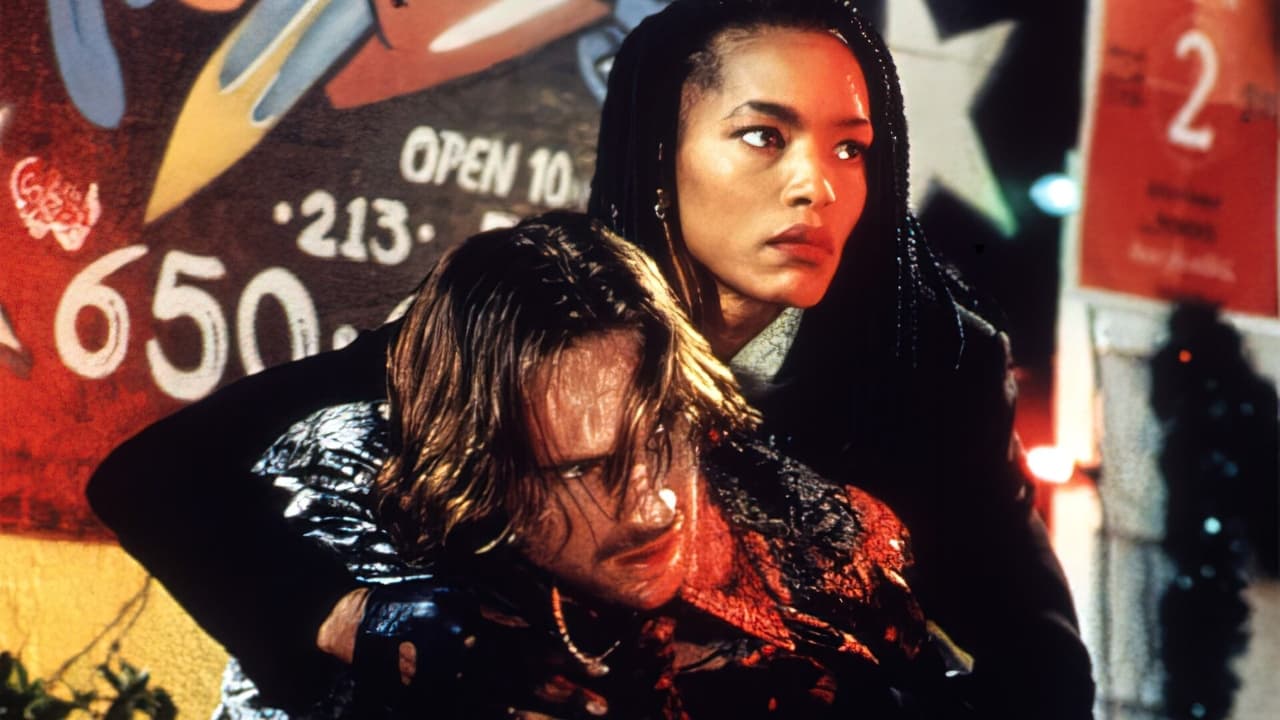
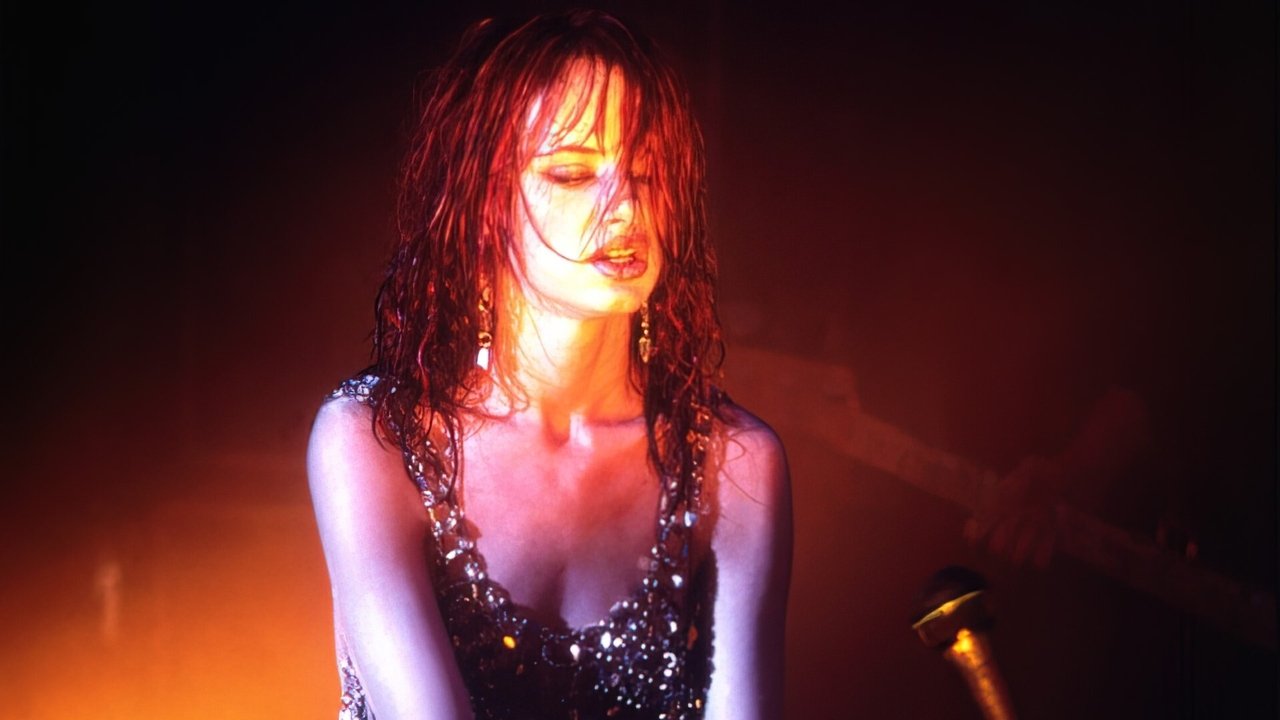
At the heart of this tech-noir maelstrom is Lenny Nero (Ralph Fiennes), a disgraced ex-cop turned hustler peddling "playback" – raw, uncut recordings of real-life experiences captured directly from the cerebral cortex via illegal SQUID (Superconducting Quantum Interference Device) technology. Want to feel the rush of a convenience store robbery without the risk? Lenny's your man. Want to experience someone else's intimate moments? He can probably score that, too. Fiennes, shedding the period-drama gravitas audiences knew from Schindler's List (1993), embodies Lenny not as a hero, but as a frayed nerve ending, haunted by memories of his ex-lover Faith (Juliette Lewis) and increasingly desperate in a world spiraling out of control. He's a peddler of second-hand lives, ironically trapped by his own inability to move on from his past.
The film plunges us directly into this world through its signature POV shots, simulating the SQUID experience. These weren't just clever camera tricks; realizing these sequences required significant innovation. Co-writer and producer James Cameron (yes, that James Cameron, fresh off True Lies (1994) and deep into developing Titanic (1997)) spearheaded the development of a specialized, lightweight 35mm camera rig – reportedly weighing only around 8 pounds – allowing for the visceral, dizzying perspectives that define the film's most unsettling moments. Seeing through the eyes of a victim during a terrifying assault or a perpetrator committing horrific acts... it’s an intimacy that feels transgressive, forcing complicity upon the viewer. Did those sequences make you profoundly uncomfortable back then? They certainly haven't lost their power to disturb.
### Guardian Angel in Combat Boots
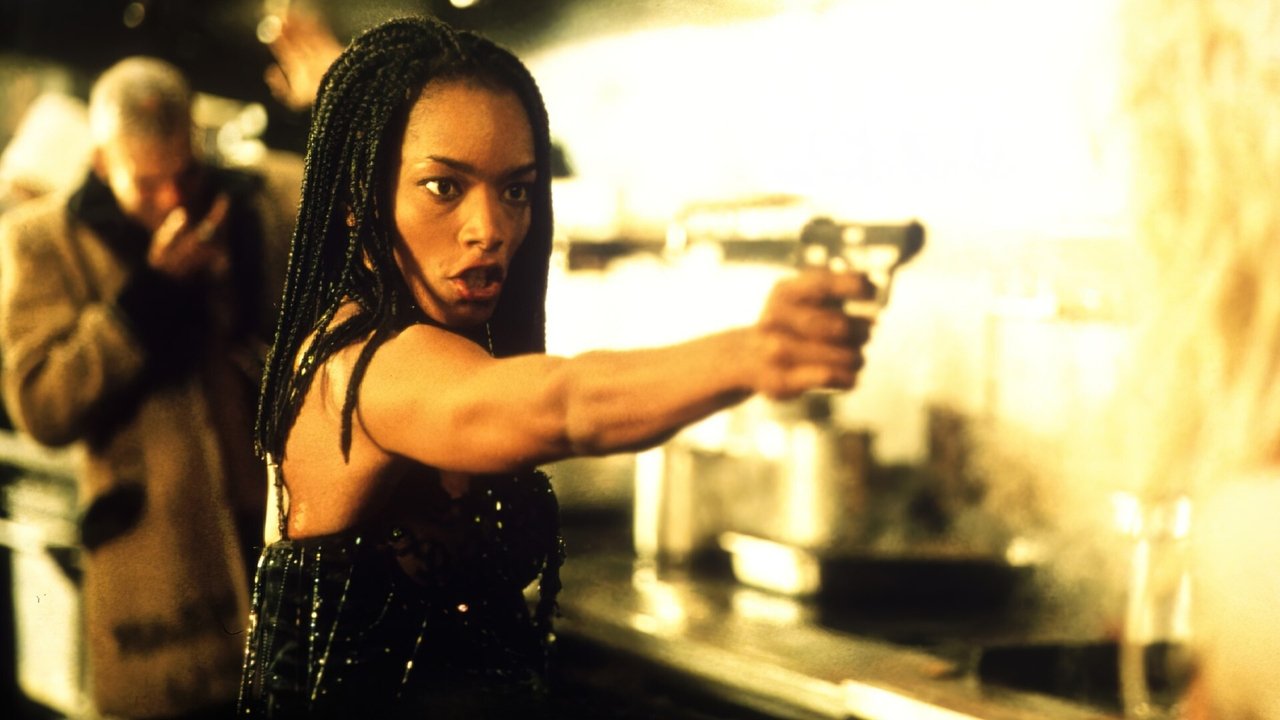
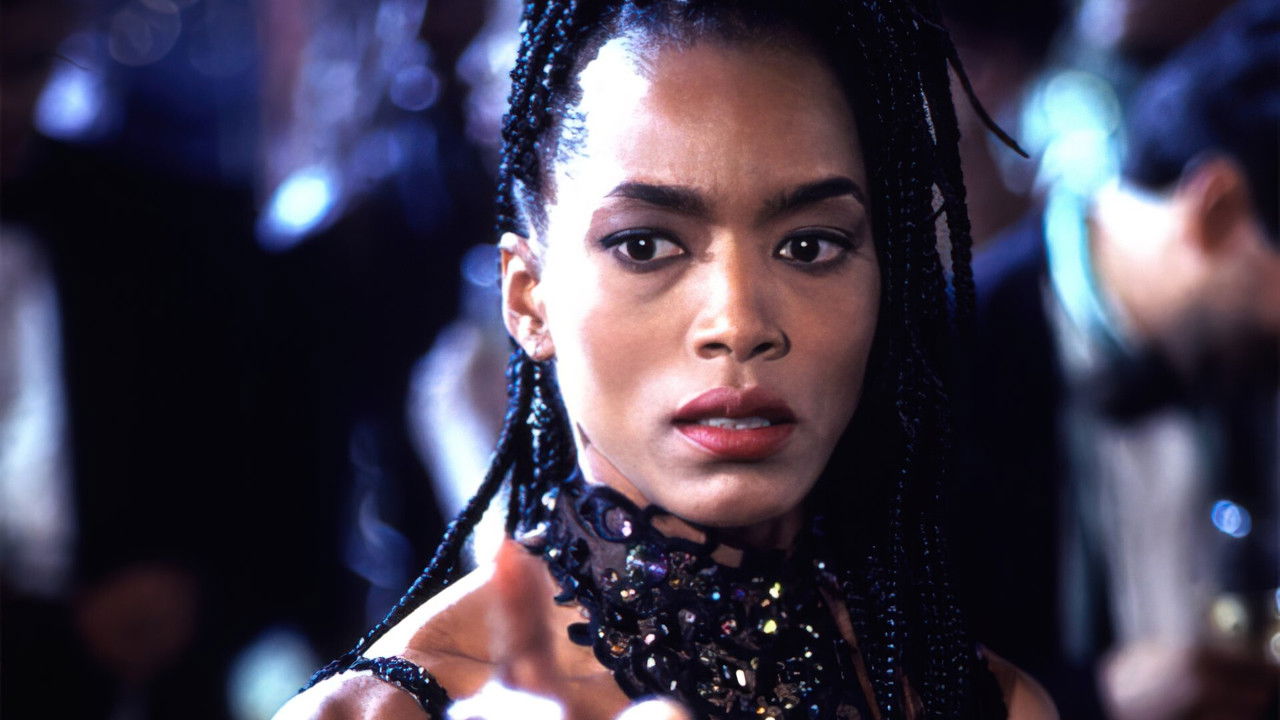
While Lenny navigates the murky depths of LA's playback black market, the film's true anchor, its moral compass in kevlar, is Lornette "Mace" Mason (Angela Bassett). A formidable limo driver and Lenny's fiercely loyal friend (and maybe the only person who truly sees him), Mace is arguably one of the defining female action heroes of the 90s. Bassett, radiating strength and conviction, delivers a performance that’s both physically commanding – she handles the action sequences with powerhouse grace – and emotionally resonant. She’s the grounded counterpoint to Lenny’s spiraling, the one character fighting for justice in a city drowning in corruption and apathy. Remember her sheer force when taking down assailants? Bassett’s performance is electrifying, a pillar of righteous fury in the face of overwhelming darkness. It’s a demanding role she utterly owns, a far cry from her Oscar-nominated turn in What's Love Got to Do with It (1993), showcasing incredible range.
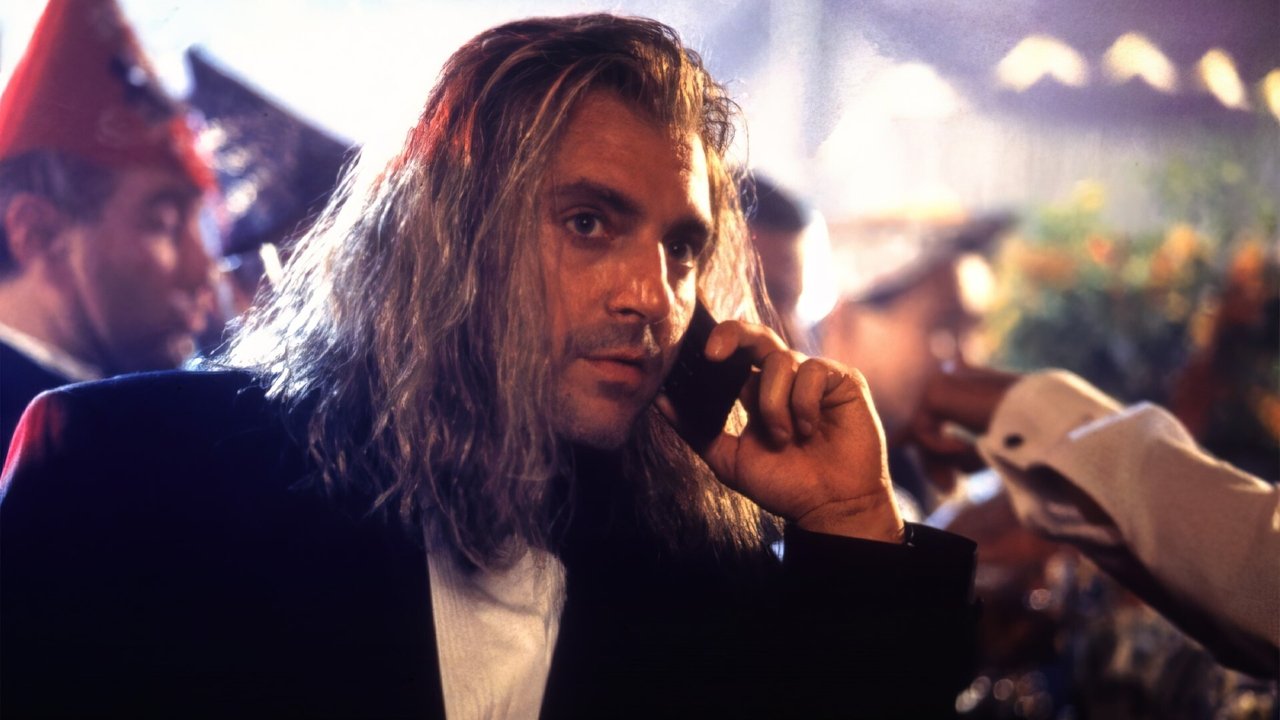
The plot kicks into high gear when Lenny receives a disturbing SQUID clip depicting the brutal rape and murder of an acquaintance. This discovery pulls him and Mace into a dangerous conspiracy involving corrupt cops (led by a menacing Tom Sizemore), the volatile music industry (personified by Juliette Lewis's raw, edgy performance as Faith), and the simmering racial tensions threatening to boil over as the millennium approaches. The script, co-written by Cameron and Jay Cocks (who collaborated with Scorsese on The Age of Innocence (1993)), explicitly drew inspiration from the anxieties surrounding the Rodney King beating and the subsequent LA riots, lending the film a layer of social commentary that felt urgent then and remains depressingly relevant now.
### Millennial Mayhem and Lasting Echoes
Bigelow orchestrates the chaos with masterful control. She builds atmosphere thick enough to choke on, utilizing the rain-soaked, neon-lit urban landscape to amplify the sense of decay and moral ambiguity. The climactic sequence, set amidst a massive, anarchic New Year's Eve street party, is a tour de force of logistical complexity and sustained tension. Reportedly taking weeks to film, involving thousands of extras, it perfectly encapsulates the film's themes: the seductive danger of losing oneself in the crowd, the thin line between celebration and riot, and the desperate search for connection amidst technological alienation. The pulsing, industrial-tinged score by Graeme Revell further immerses you in this gritty, near-future nightmare.
Despite its visionary direction, powerhouse performances, and prescient themes, Strange Days was notoriously a box office bomb upon release, grossing a mere $8 million against its $42 million budget. Critics were divided, some hailing its ambition, others decrying its violence and bleakness. Perhaps it was too dark, too intense, too ahead of its time for mainstream audiences in 1995. Watching it on a worn VHS tape, maybe rented from a Blockbuster shelf where it sat nestled between more easily digestible fare, felt like discovering a secret – a challenging, exhilarating, and deeply unsettling glimpse into a future that felt simultaneously far-off and terrifyingly close.
Over the years, however, Strange Days has rightfully earned its cult classic status. Its exploration of virtual reality, voyeurism, police brutality, and media saturation feels startlingly predictive of our current digital landscape. It's a film that doesn't offer easy answers, preferring to immerse the viewer in the moral grey areas and forcing them to confront uncomfortable truths. It’s a testament to Bigelow's unflinching directorial eye – a talent she had already demonstrated in genre gems like Near Dark (1987) and Point Break (1991), and would later bring to Academy Award-winning heights with The Hurt Locker (2008) and Zero Dark Thirty (2012).
Rating: 9/10
This score reflects the film's audacious vision, technical innovation (especially the POV sequences), stellar performances from Fiennes and particularly Bassett, and its powerful, unsettling atmosphere. While the plot can occasionally feel a touch convoluted, its thematic depth and prophetic resonance, coupled with Bigelow's masterful direction, make it a standout piece of 90s cinema. It’s a film that crawled under your skin back then and, if anything, its dark pulse beats even stronger today. Strange Days isn't just a movie; it's a high-voltage current plugged straight into the anxieties of an era, leaving a lasting jolt long after the tape stops rolling.