The faint blue glow of the laser pistol cutting through the manufactured rain… the chillingly sterile labs of Replacement Technologies… the sheer visceral wrongness of seeing yourself living your life, while you're locked out in the cold. "The 6th Day" arrived at the dawn of a new millennium, dragging the anxieties of the late 90s – corporate overreach, genetic manipulation, the very definition of identity – into a sleek, action-packed package that still leaves a distinct chill. It wasn't just another Arnold Schwarzenegger vehicle; it tapped into a primal fear, the kind that lingers long after the credits roll and the VCR clicks off.
### Welcome to the Near Future, Same Old Fears
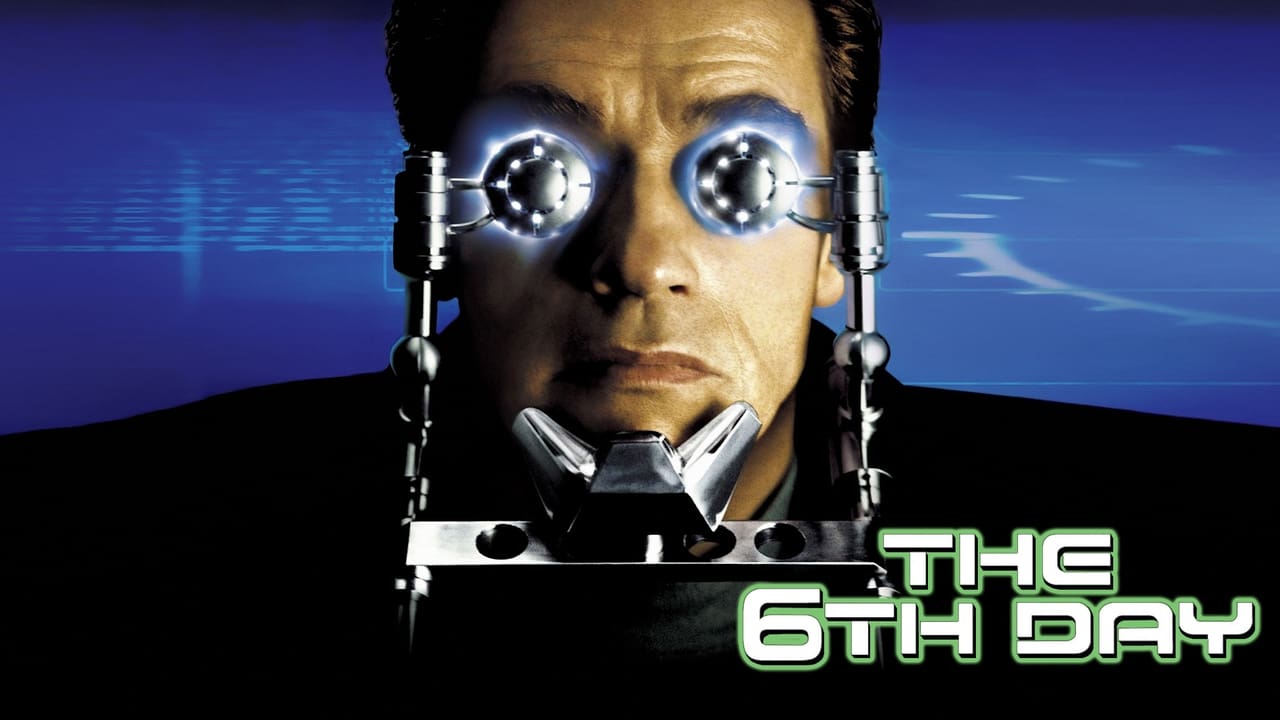
Set in a world perhaps only "fifteen minutes into the future" from its 2000 release date, the film drops us into the life of Adam Gibson (Arnold Schwarzenegger), a charter pilot who runs an old-school helicopter business in an age of automated everything. Director Roger Spottiswoode, who'd navigated the high-tech espionage of Bond in Tomorrow Never Dies (1997), crafts a recognizable yet advanced landscape: cars that drive themselves (often poorly), holographic communication, and ubiquitous genetic meddling. It's a world that’s embraced cloning for pets via the RePet service but drawn a strict legal and ethical line – the "Sixth Day Laws" – against cloning humans. Of course, laws like that are just inconvenient obstacles for men like Michael Drucker (Tony Goldwyn, radiating smug corporate menace), the billionaire head of Replacement Technologies. This setup, blending the mundane with the morally terrifying, feels perfectly pitched for that turn-of-the-century techno-paranoia.
### Seeing Double, Feeling Singular Dread
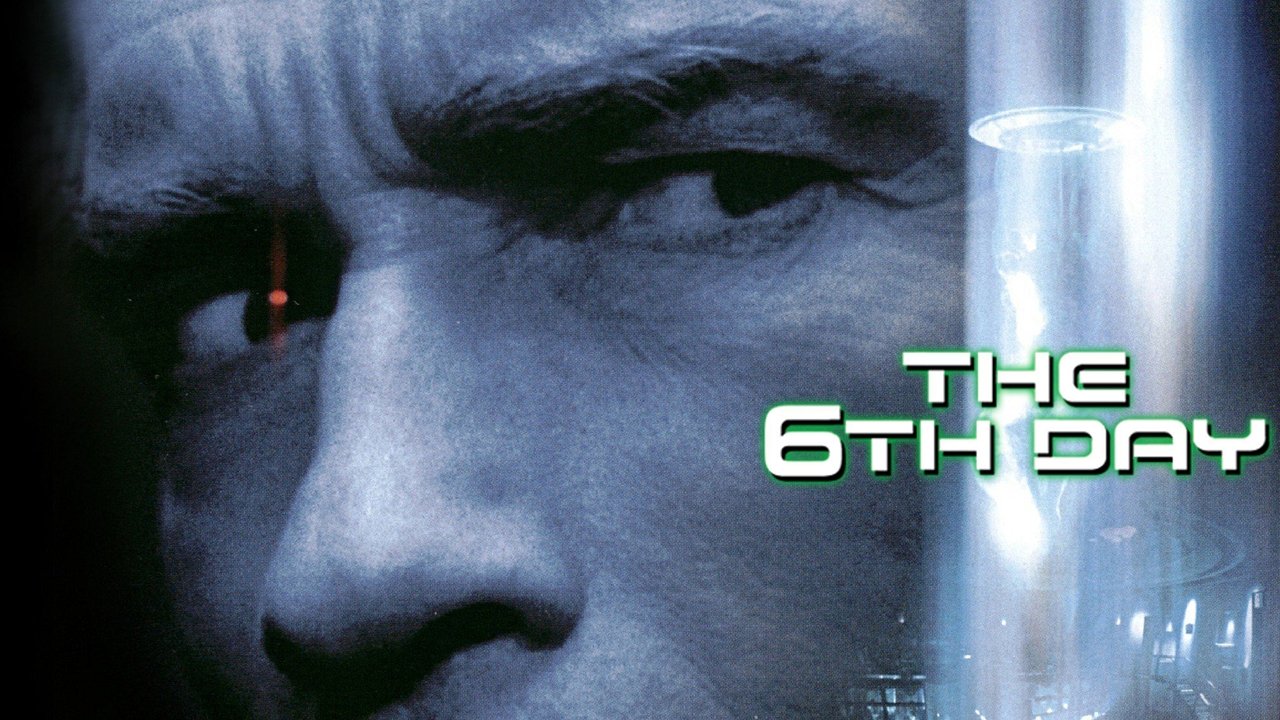
The core nightmare kicks in when Adam returns home late from a job, only to witness himself already there, celebrating his birthday with his family. He hasn't just been replaced; he's been duplicated by Drucker's illegal human cloning operation after a case of mistaken identity during a fatal incident. Suddenly, Adam is a man erased, hunted by Drucker's lethal security team (including a typically intense Michael Rooker) who need to eliminate the original to preserve their secret. The film doesn't just rely on the visual gimmick of two Arnolds (achieved with impressive technical skill for the time, building on techniques honed in films like Terminator 2: Judgment Day (1991)); it leans into the psychological horror of Adam's situation. His identity, his family, his very existence are stolen, forcing him into a desperate fight not just for survival, but for the right to be. Remember the sheer panic of those early scenes, the frantic attempts to prove who he is? It hits a raw nerve.
### Corporate Overlords and Creepy Comforts
Tony Goldwyn truly nails the detached evil of Drucker, a man who views human life as just another programmable, replaceable commodity. His arguments for cloning – eliminating disease, achieving a kind of immortality – are seductive whispers masking monstrous ambition. The film smartly uses the seemingly benign RePet service and the unnervingly lifelike "Sim Pal" Cindy dolls as examples of how easily society accepts technological incursions that inch closer to the forbidden. That doll, with its vacant eyes and synthesized voice, still feels like one of the creepiest elements, doesn't it? It’s a small detail that amplifies the underlying theme: technology promising comfort while eroding something fundamentally human. Weaving through this is Adam's bewildered friend Hank Morgan (Michael Rapaport), providing some necessary levity but also grounding the extraordinary events in relatable confusion and loyalty.
### Y2K Aesthetics and Action Payload
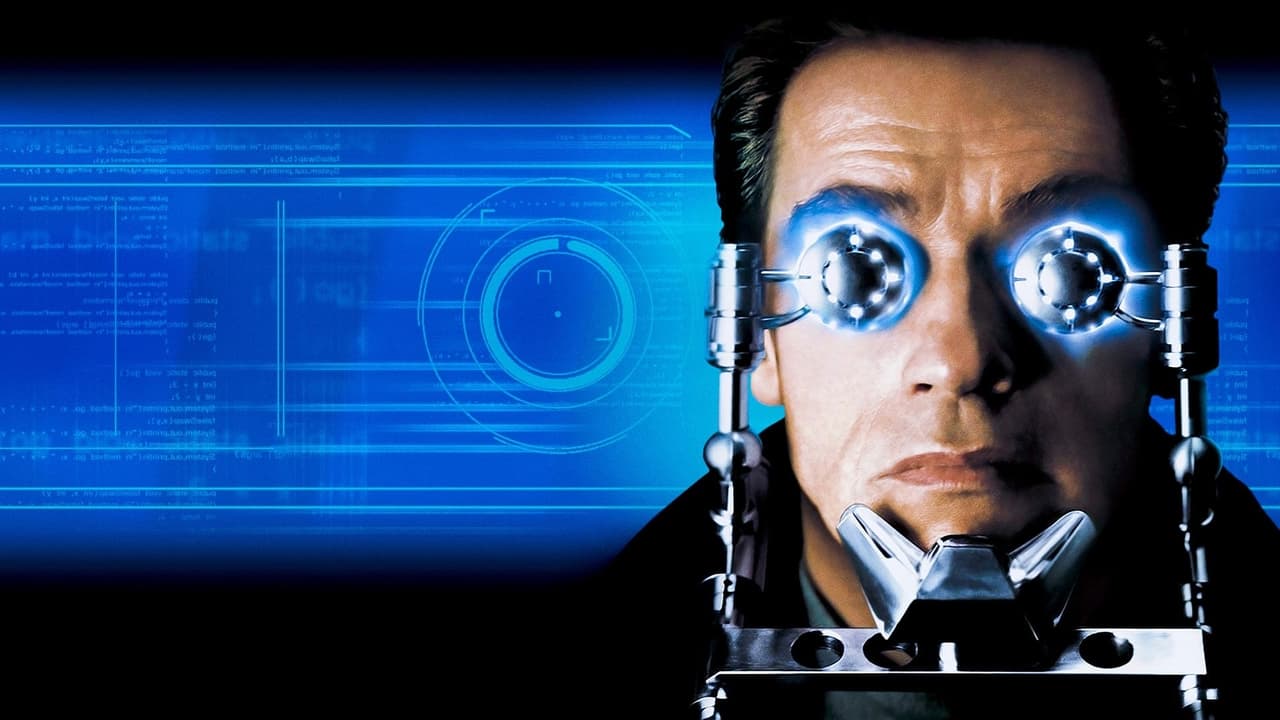
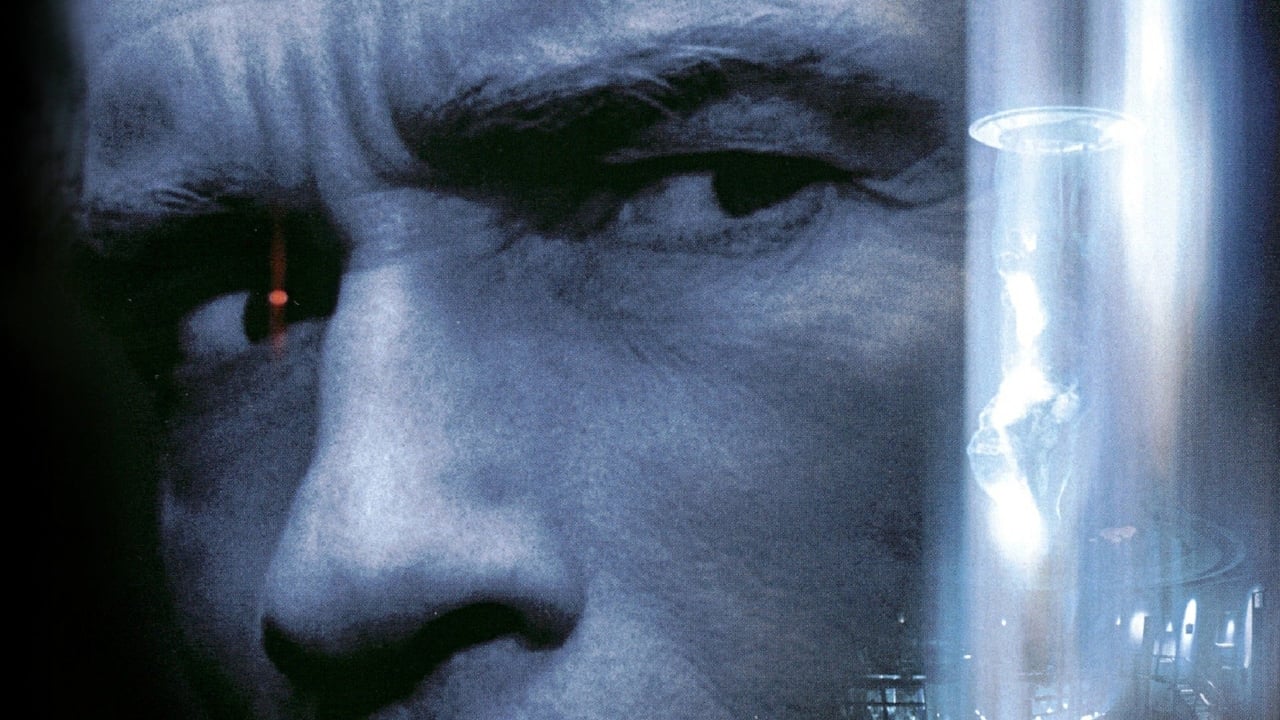
"The 6th Day" boasts a distinct visual style, very much of its time – a blend of practical stunt work (Arnold, reportedly earning $25 million for the role, was still game for getting thrown around) and burgeoning CGI. While some of the digital effects, like the futuristic "Whispercraft" helicopters, might look a bit dated now compared to modern blockbusters, they felt cutting-edge back then, contributing to the film's impressive $82 million budget. The action sequences are pure Schwarzenegger – explosions, chases, laser gunfights – delivered with kinetic energy by Spottiswoode. Filmed largely in Vancouver, the city provides a convincing backdrop for this near-future dystopia, all chrome, glass, and perpetual rain. There's a weight to the action, a sense of genuine peril for Adam, even amidst the sci-fi spectacle. Interestingly, the script, penned by Cormac Wibberley and Marianne Wibberley, faced a lawsuit alleging similarities to a concept owned by Ron Howard's Imagine Entertainment, a behind-the-scenes wrinkle hinting at the high stakes of blockbuster filmmaking.
### More Than Just An Action Flick?
While it didn't set the box office ablaze (grossing around $96 million worldwide, considered an underperformance given the budget and star power), "The 6th Day" offered more thematic meat than many actioners of the era. It posed questions about soul, memory, and what constitutes individuality – questions echoed in films like Blade Runner (1982) but packaged here with Arnold's signature explosive style. The presence of the venerable Robert Duvall as Dr. Griffin Weir, the conflicted scientist behind the cloning technology, adds a touch of gravitas, representing the conscience grappling with the consequences of creation. The film’s title itself, a direct reference to the Book of Genesis ("On the sixth day God created man"), underlines the script's exploration of humanity playing God.
### Rating and Final Rewind
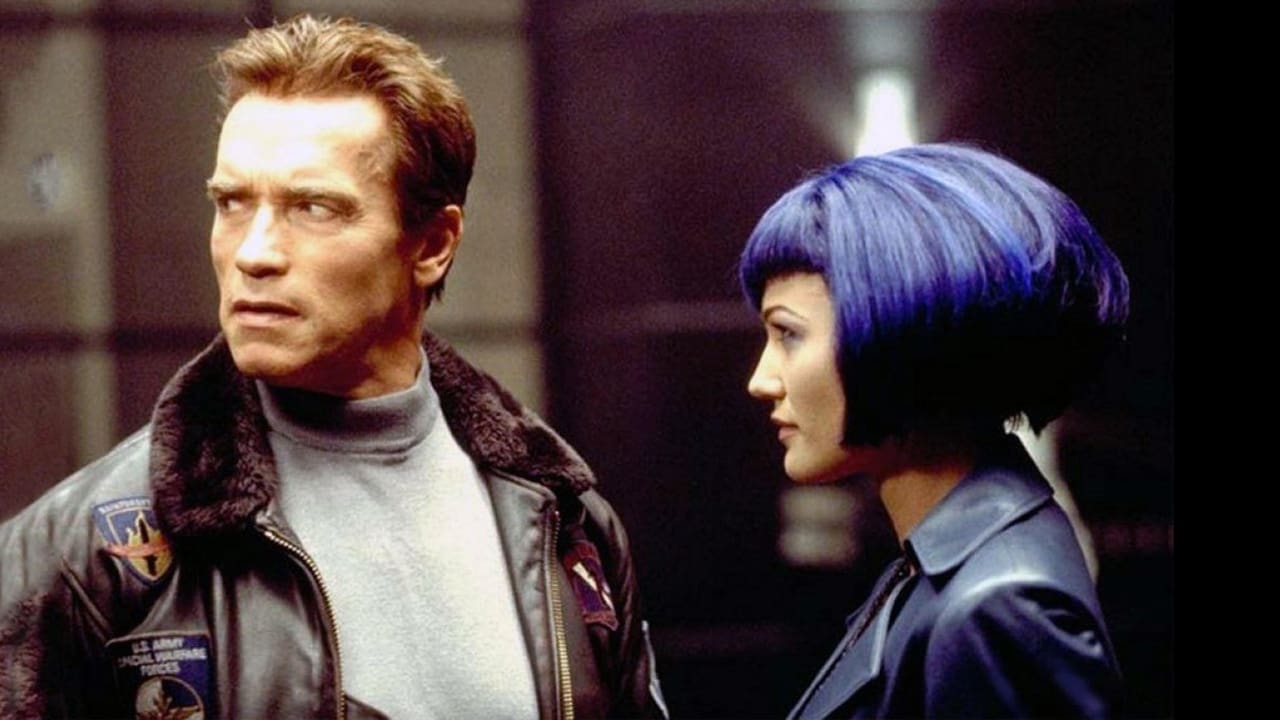
"The 6th Day" isn't flawless. The plot occasionally stretches credibility, and some of the future tech feels quaintly optimistic or simply wrong through today's lens. Yet, its core premise remains potent, Arnold Schwarzenegger delivers a solid dual performance balancing action heroics with genuine vulnerability, and the ethical questions it raises are more relevant than ever. It captures that specific Y2K anxiety about technology's relentless march, wrapped in a slick, often thrilling sci-fi action shell. It might not be top-tier Arnold like The Terminator (1984) or Total Recall (1990), but it’s a highly entertaining and surprisingly thoughtful ride that holds up better than you might expect. For its blend of high-concept sci-fi, solid action, and that lingering existential chill, it earns its place on the shelf.
VHS Heaven Rating: 7/10
Final Thought: In an era saturated with debates about AI and genetic engineering, "The 6th Day" feels less like far-fetched sci-fi and more like a prescient warning wrapped in laser blasts and Arnold quips – a perfect slice of turn-of-the-millennium paranoia, best enjoyed with the hum of a CRT nearby.