The mind snaps. A jagged tear in time, a chasm where something terrible might have happened. Or maybe nothing did. That suffocating uncertainty, the phantom weight of guilt for a crime potentially uncommitted – that’s the abyss Abel Ferrara throws you into with 1997’s The Blackout. This isn’t a film you casually watch; it’s one you endure, one that crawls under your skin and festers long after the VCR sputters to a stop.
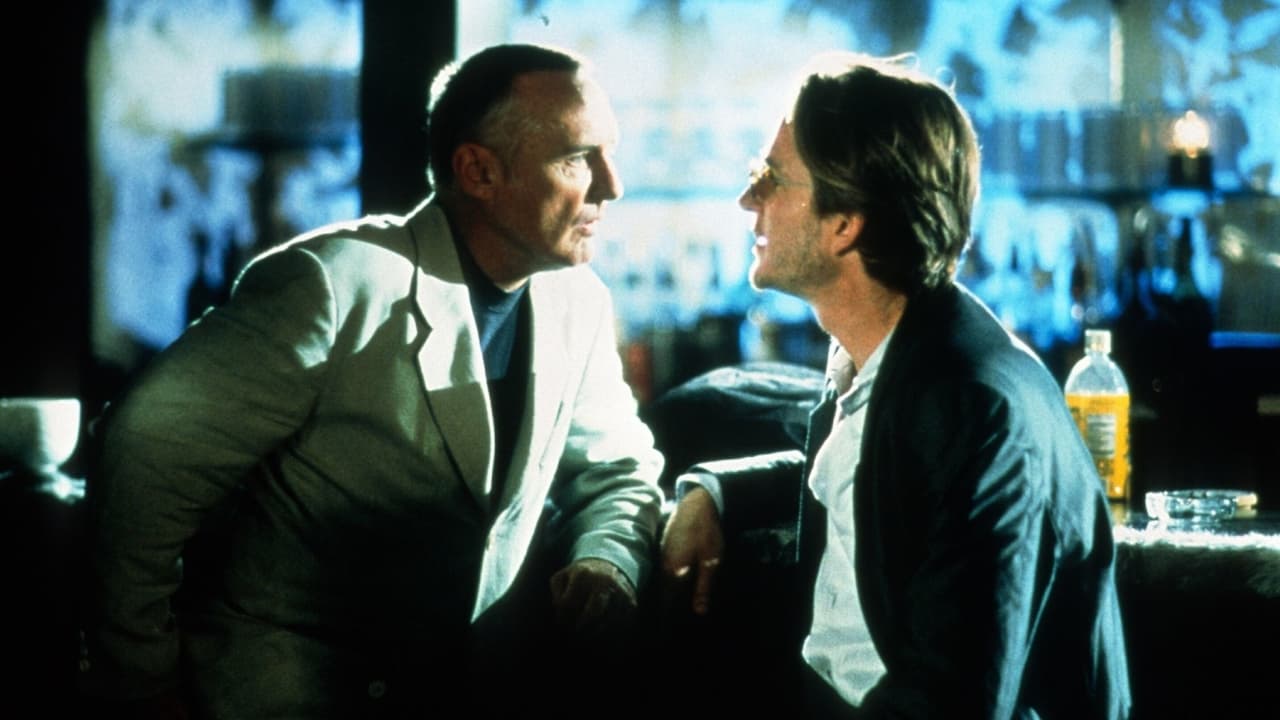
Into Ferrara's Inferno
Forget sanitized Hollywood drama. Ferrara, the uncompromising chronicler of New York's grimiest corners (King of New York, Bad Lieutenant), takes his signature raw, confrontational style to the sun-bleached, cocaine-dusted streets of Miami. The change in scenery does nothing to dilute the poison. Here, movie star Matty (Matthew Modine, in a performance that feels less like acting and more like peeling back layers of raw nerve) navigates the treacherous landscape of fame, addiction, and volcanic relationships. His life is a blur of excess, fueled by alcohol and drugs, culminating in a violent argument with his fiery French girlfriend, Annie (Béatrice Dalle). Then… nothing. A blackout. A void filled only by paranoia and fractured, terrifying flashes of memory. Did he hurt her? Did he kill her? He doesn't know, and Ferrara makes damn sure we don't either, trapping us alongside Matty in his psychological hell.
A Fractured Mind, A Fractured Film
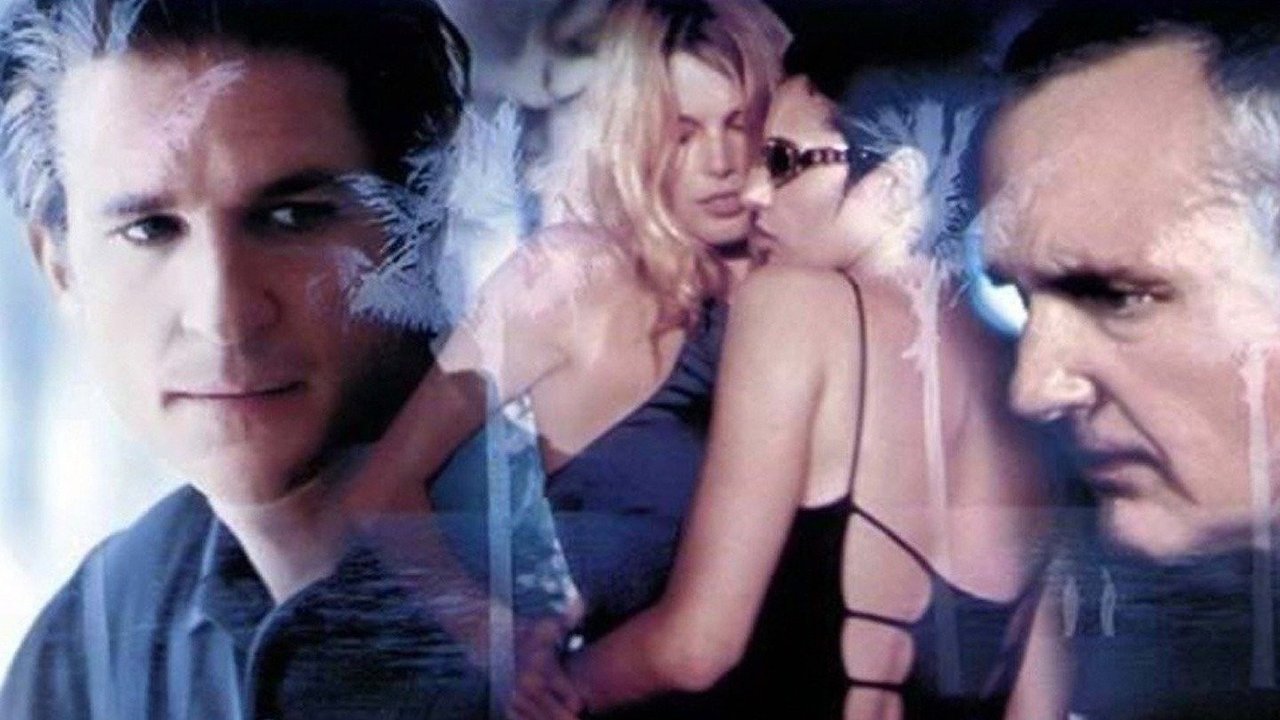
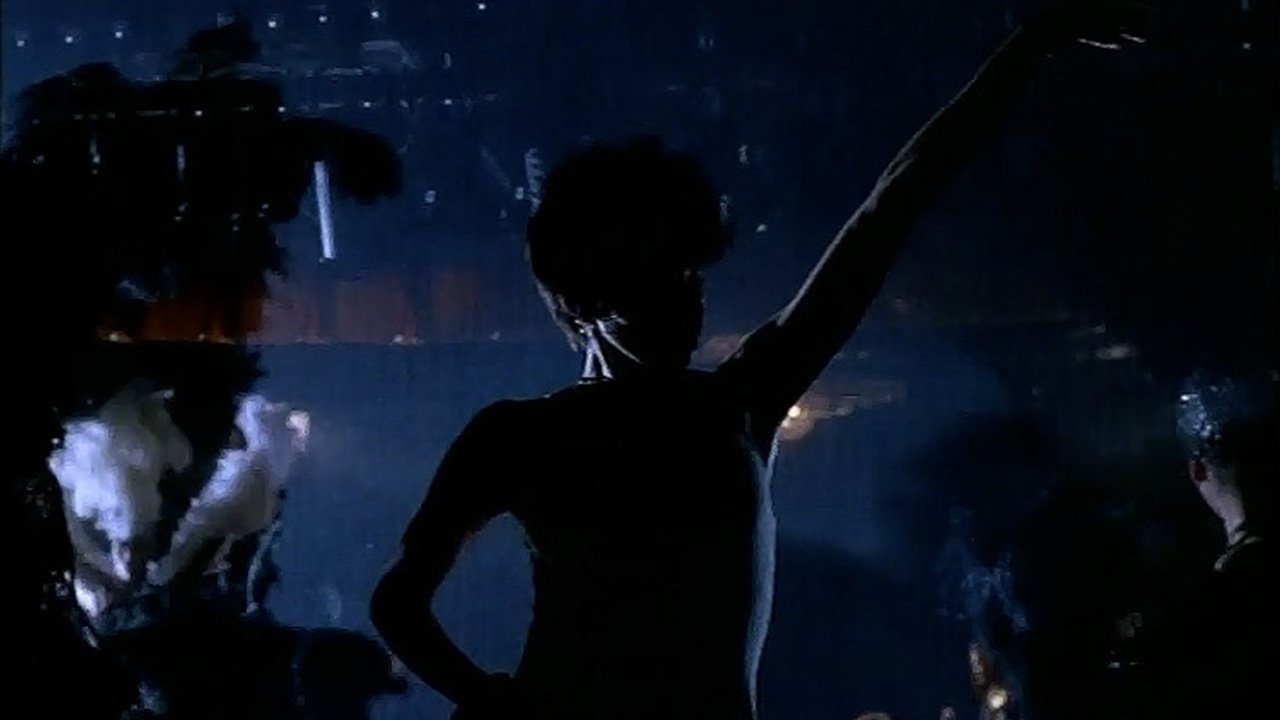
The Blackout mirrors Matty’s shattered psyche in its very structure. It’s non-linear, disjointed, leaping between his desperate attempts to find answers in the present and the hazy, volatile memories of the past. This isn't lazy filmmaking; it's a deliberate choice that plunges the viewer directly into the protagonist's disoriented state. The camera work often feels uncomfortably close, lingering on sweaty brows and haunted eyes. The Miami setting, typically depicted as glamorous, becomes a character in itself – a sweltering purgatory where sunlight seems to offer no clarity, only harsh exposure. Reportedly, the script itself drew heavily from co-writer Christ Zois's experiences as Ferrara's therapist, lending an unnerving layer of autofiction to the proceedings. This wasn’t just storytelling; it felt like exorcism.
An Unlikely Pairing
The casting itself adds another layer of intrigue, or perhaps dissonance, depending on your view. Opposite the explosive Dalle, whose raw energy feels perfectly suited to Ferrara's world, we find supermodel Claudia Schiffer as Annie 2, the younger woman Matty clings to after fleeing his past. It was a choice that certainly raised eyebrows back in '97. Does it work? Schiffer brings a certain naive fragility that contrasts sharply with Matty’s spiraling darkness, representing a potential escape that feels increasingly illusory. While perhaps not possessing the raw intensity of Dalle or Modine, her presence underscores the artificiality and desperation of Matty's attempt to build a new life on rotten foundations. It's a jarring element, intentional or not, that contributes to the film's overall sense of unease. Even the late, great Dennis Hopper appears in a small but memorable role, adding his own brand of unpredictable energy to the mix.
The Burden of Not Knowing
At its core, The Blackout is about the corrosive nature of guilt and the horror of memory loss when laced with potential violence. Matty's search isn't just for truth, but for absolution or confirmation of his deepest fears. Ferrara masterfully uses ambiguity not as a cop-out, but as a weapon, turning the screws on both his protagonist and the audience. The tension doesn't come from jump scares, but from the relentless psychological pressure, the gnawing dread of what might lie buried in those lost hours. There's a grim connection here too, as co-writer Marla Hanson, whose own horrific real-life assault became a tabloid fixture, lent her name and experiences to the story, adding an undeniable weight and darkness to the themes of violence against women and its aftermath.
An Unflinching Descent
This film is pure, uncut Ferrara. It’s bleak, challenging, and deliberately abrasive. It competed for the Palme d'Or at the Cannes Film Festival in 1997, predictably dividing critics. Some hailed Modine's fearless performance and Ferrara's uncompromising vision; others recoiled from its relentless darkness and perceived nihilism. Watching it on VHS, perhaps late at night as many of us first encountered these challenging films, amplified its suffocating intimacy. It wasn't entertainment in the conventional sense; it was an experience, a confrontation with the ugliest aspects of human behaviour and the fragility of the mind. It’s a film that sticks with you, not because it’s pleasant, but because it’s disturbingly potent.
Rating: 7/10
Justification: The Blackout earns its score through its sheer, unflinching intensity and a powerhouse performance from Matthew Modine. Abel Ferrara crafts a truly unsettling atmosphere, perfectly mirroring the protagonist's fractured state through its narrative structure and visual style. However, its relentless bleakness, fragmented storytelling, and controversial casting choices make it a difficult and potentially alienating watch, keeping it from higher marks for broader appeal. It's undeniably powerful filmmaking, but definitely not for everyone.
Final Thought: For those who appreciate cinema that stares into the abyss without blinking, The Blackout remains a potent, if punishing, piece of 90s independent filmmaking – a stark reminder of Ferrara's unique and often terrifying vision. It's a trip down a dark alley you won't easily forget.