Here we go, another journey back to the flickering glow of the CRT and the satisfying clunk of a tape sliding into the VCR. This time, we're venturing a bit off the beaten path, away from the Hollywood blockbusters, into the vibrant, chaotic heart of mid-90s Japan with Shunji Iwai's sprawling, ambitious Swallowtail Butterfly (スワロウテイル) from 1996. Finding this gem felt like discovering a secret world hidden in the 'World Cinema' aisle back in the day – a film pulsating with a unique energy, quite unlike anything else on the shelf.

### A City Within a City
Swallowtail Butterfly doesn't just tell a story; it builds a world. We're dropped into "Yen Town," a sprawling, makeshift city populated by immigrants on the fringes of Japanese society, all chasing dreams, money, and a sense of belonging in a place that doesn't always want them. It's a vision of Tokyo stripped of its usual futuristic gleam, replaced by scrap heaps, corrugated iron, and the raw hustle of survival. The air hangs thick with a mix of desperation and hope, a tangible atmosphere that Iwai, known for his later evocative works like All About Lily Chou-Chou (2001), crafts with a distinctive, almost documentary-like immediacy. Remember how some films just felt different, how the texture of the image and the rhythm of the editing transported you? Swallowtail has that quality in spades.
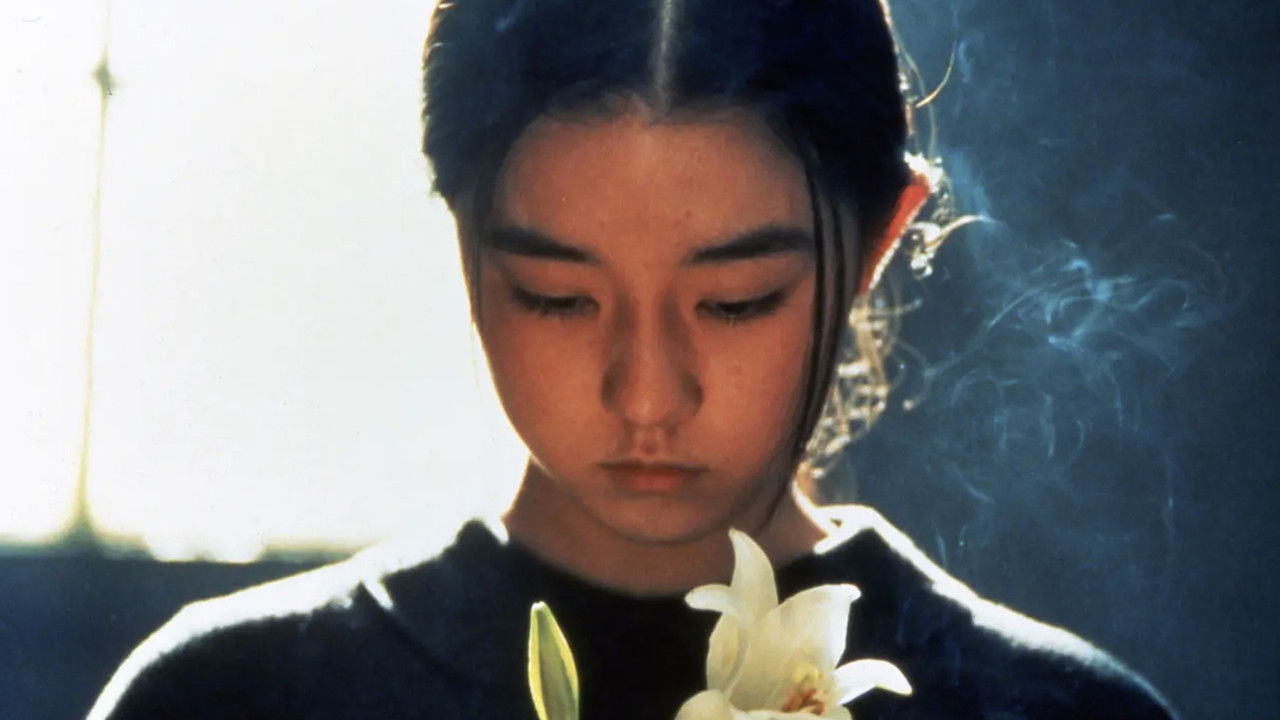
The story follows Ageha (a heartbreakingly authentic Ayumi Ito in a powerful early role), a teenage girl orphaned after her mother's death, who finds herself taken in by Glico (played by the charismatic singer Chara), a resilient prostitute dreaming of musical stardom, and the resourceful Feihong (Hiroshi Mikami, bringing a quiet intensity). Their lives intertwine with other Yen Town residents, leading them on a winding path involving counterfeit money, unexpected fame, and the ever-present shadow of organized crime.
### The Yen Town Dream
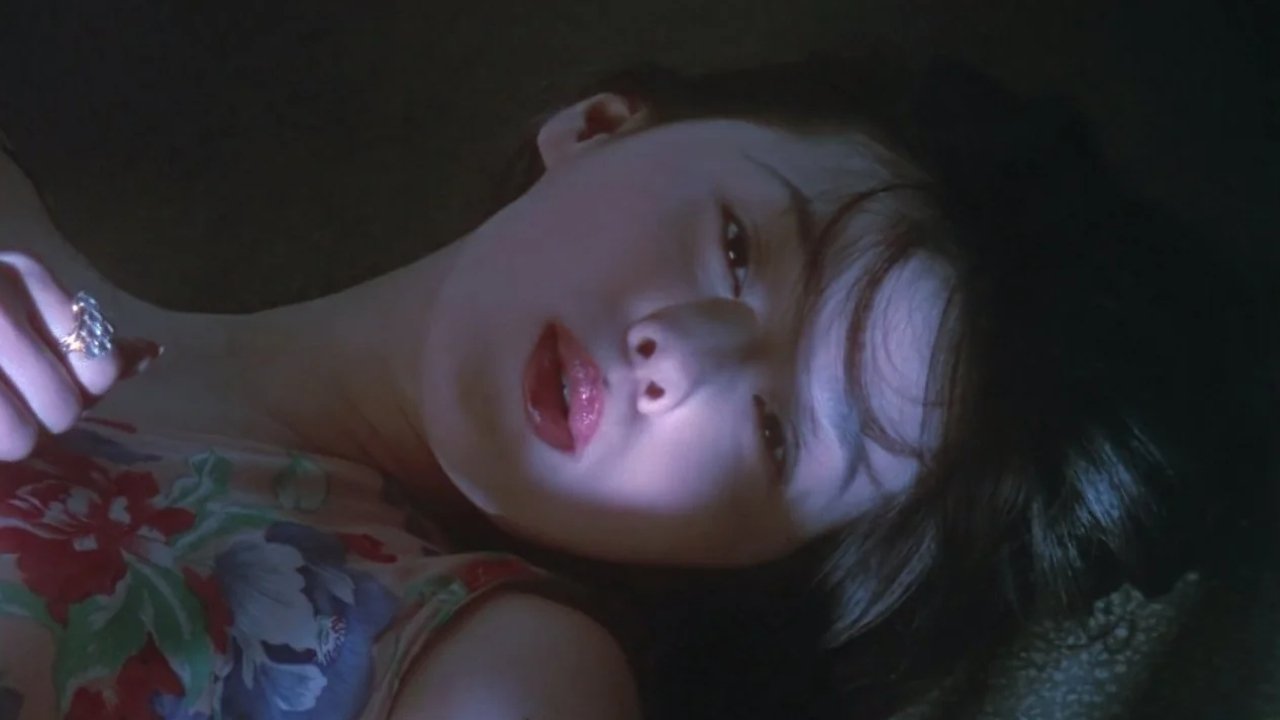
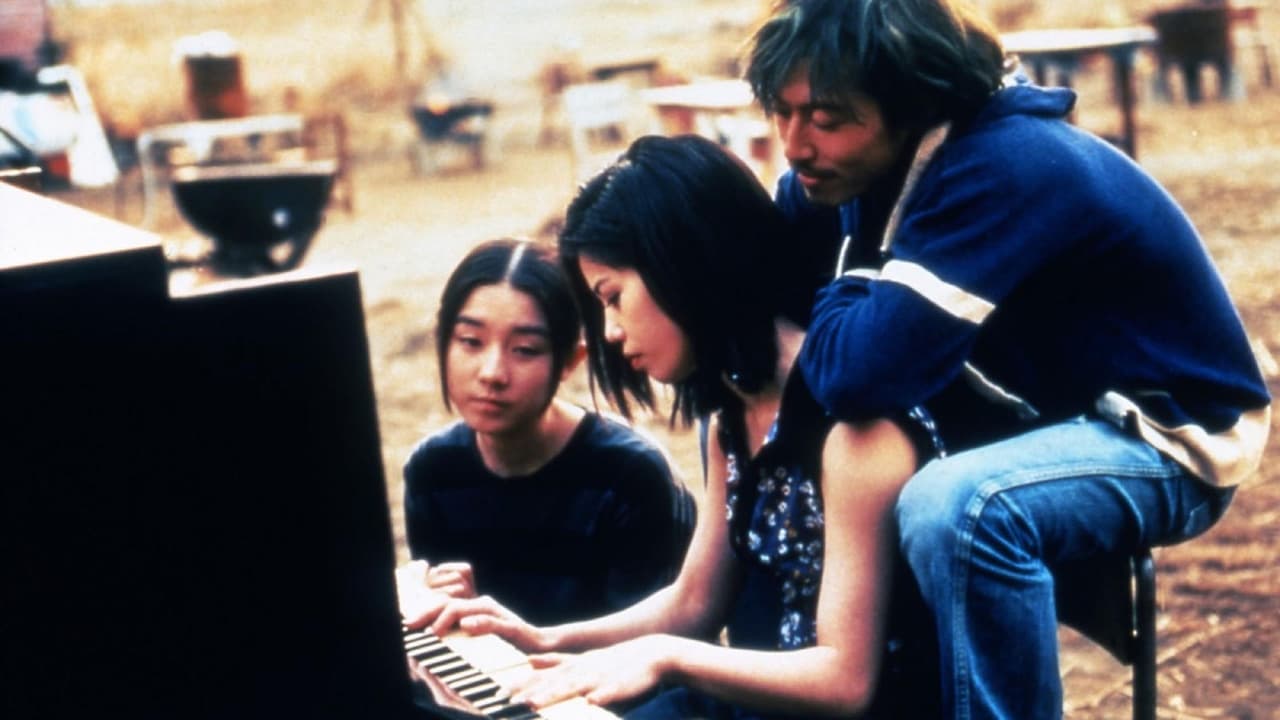
What truly elevates Swallowtail Butterfly is its beating heart. Despite the grit and occasional violence, there’s an undeniable warmth, particularly in the relationships forged within this marginalized community. Chara, primarily known as a musician, is magnetic as Glico. She embodies both vulnerability and fierce determination, her dream of singing becoming a central, almost mythical, driving force. It's fascinating to recall that the fictional "Yen Town Band" depicted in the film actually became a real phenomenon in Japan. Spearheaded by Chara and producer Takeshi Kobayashi, they released an album featuring the hauntingly beautiful theme song, "Swallowtail Butterfly Ai no Uta," which topped the charts. It's one of those rare instances where the fiction bled compellingly into reality, adding another layer to the film's immersive world. Did anyone else pick up that soundtrack back then? It was a permanent fixture in my rotation for ages.
Ayumi Ito as Ageha (later nicknamed Swallowtail) is the film’s quiet soul. Watching her navigate this chaotic world, observing, absorbing, and finding her own strength is deeply affecting. Her performance feels incredibly natural, capturing the confusion and resilience of youth thrust into extraordinary circumstances. Shunji Iwai, who also wrote the screenplay (and concurrently, a novel version), has a gift for capturing these intimate, character-driven moments amidst the sprawling narrative. He often employed handheld cameras, giving scenes a restless energy and a sense of immediacy that pulls you right into the lives of these characters. It wasn't always polished, but it felt real.
### More Than Just Grit
The film isn't without its challenges. At nearly two and a half hours, it demands patience. The plot meanders, sometimes taking detours that, while adding texture to Yen Town, can occasionally test endurance, especially if you were watching on a worn-out rental tape hoping the tracking would hold! The multilingual dialogue (Japanese, Mandarin, English) felt ambitious and reflective of the immigrant experience it portrayed, though sometimes tricky to follow perfectly via subtitles back in the day. It's a film that asks you to sink into its world rather than just follow a tight plot.
Production-wise, creating the tangible world of Yen Town was reportedly a significant undertaking, requiring large-scale set construction to bring Iwai's specific vision of this urban fringe to life. This commitment to world-building pays off, making Yen Town feel like a character in its own right. It wasn't just a backdrop; it was a living, breathing entity shaped by the dreams and struggles of its inhabitants. It’s a far cry from the slick, effects-driven blockbusters often dominating the rental shelves, relying instead on atmosphere, performance, and a unique directorial vision.
### Lasting Echoes
Swallowtail Butterfly might not have been a massive crossover hit internationally back in the 90s, but its impact, particularly in Japan and among cinephiles who sought out distinctive voices, is undeniable. It cemented Shunji Iwai as a major talent and offered a complex, empathetic look at lives often ignored by mainstream cinema. It tackled themes of identity, belonging, the allure and corruption of money, and the power of art (specifically music) as a means of transcendence and connection.
Does it hold up? Absolutely. The themes resonate perhaps even more strongly today, in a world still grappling with issues of immigration, economic disparity, and the search for identity in diverse societies. The performances remain powerful, and Iwai's visual style feels timelessly evocative. It’s a film that rewards revisiting, revealing new layers and nuances with each watch.
Rating: 8.5/10
Justification: Swallowtail Butterfly earns this score for its bold ambition, its unforgettable atmosphere, the deeply affecting performances from Chara and Ayumi Ito, and Shunji Iwai's unique directorial voice. It successfully creates a rich, believable world and populates it with characters you genuinely care about. The sprawling narrative and length slightly hold it back from perfection, but its raw emotional power and artistic vision make it a standout piece of 90s cinema well worth seeking out or rediscovering.
Final Thought: It’s a film that lingers long after the credits roll – a bittersweet ballad of finding family and forging dreams in the forgotten corners of a bustling world. What does it truly mean to belong, and what price are we willing to pay for our dreams? Swallowtail Butterfly doesn't offer easy answers, but its haunting melody stays with you.