Okay, settle in. Turn down the lights. Remember that specific hum the VCR made just before the tracking adjusted? That’s the zone we’re entering now. Because some films weren't just watched; they seeped into the quiet hours, leaving a residue of unease that lingered long after the tape ejected. And few films from the late 90s captured that creeping, existential dread quite like Alex Proyas’s Dark City. Forget sleep. This city demands your wakeful nightmare.

The opening moments plunge you into a disorienting abyss. A man, John Murdoch (Rufus Sewell), awakens in a bathtub, clueless, a swinging bare bulb casting frantic shadows, a murdered woman nearby. It’s classic noir framing, but something is immediately… wrong. The city outside the grimy window isn't just dark; it's perpetually night, a labyrinth of mismatched architecture that feels unstuck in time. This isn't just a setting; it's a character, vast and oppressive, a visual symphony of German Expressionism and pulp sci-fi dread composed by production designer George Liddle and Patrick Tatopoulos (who also designed the aliens in Independence Day).
A City Built on Stolen Time
The genius of Dark City lies in its atmosphere, thick enough to choke on. The plot unfolds like a fragmented dream: Murdoch, hunted for murders he can't recall, discovers the city's populace periodically falls unconscious while sinister figures known only as "The Strangers" literally reshape the metropolis and manipulate memories. These skeletal, black-clad beings, moving with a chilling, synchronized glide, are nightmare fuel rendered tangible. Their design, combining gothic undertones with a kind of funereal severity, feels unsettlingly alien yet disturbingly human in its formality. Doesn't that collective, whispered telepathy still raise the hairs on your neck?
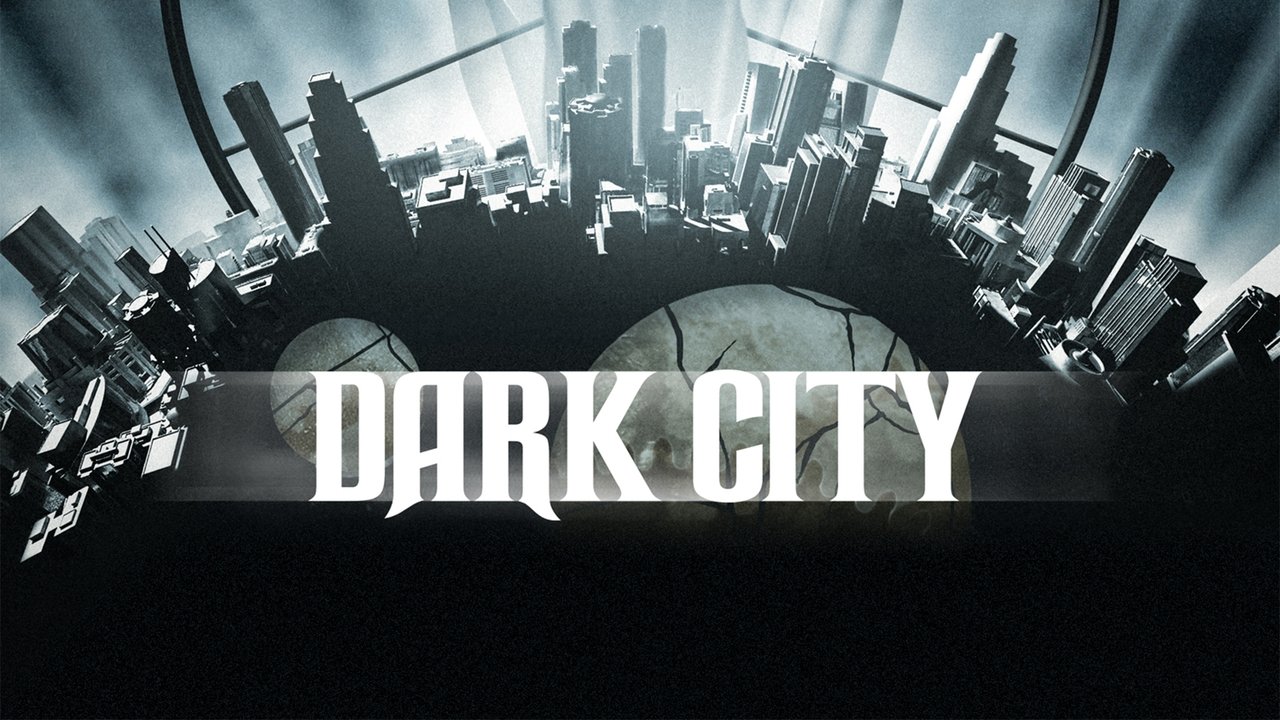
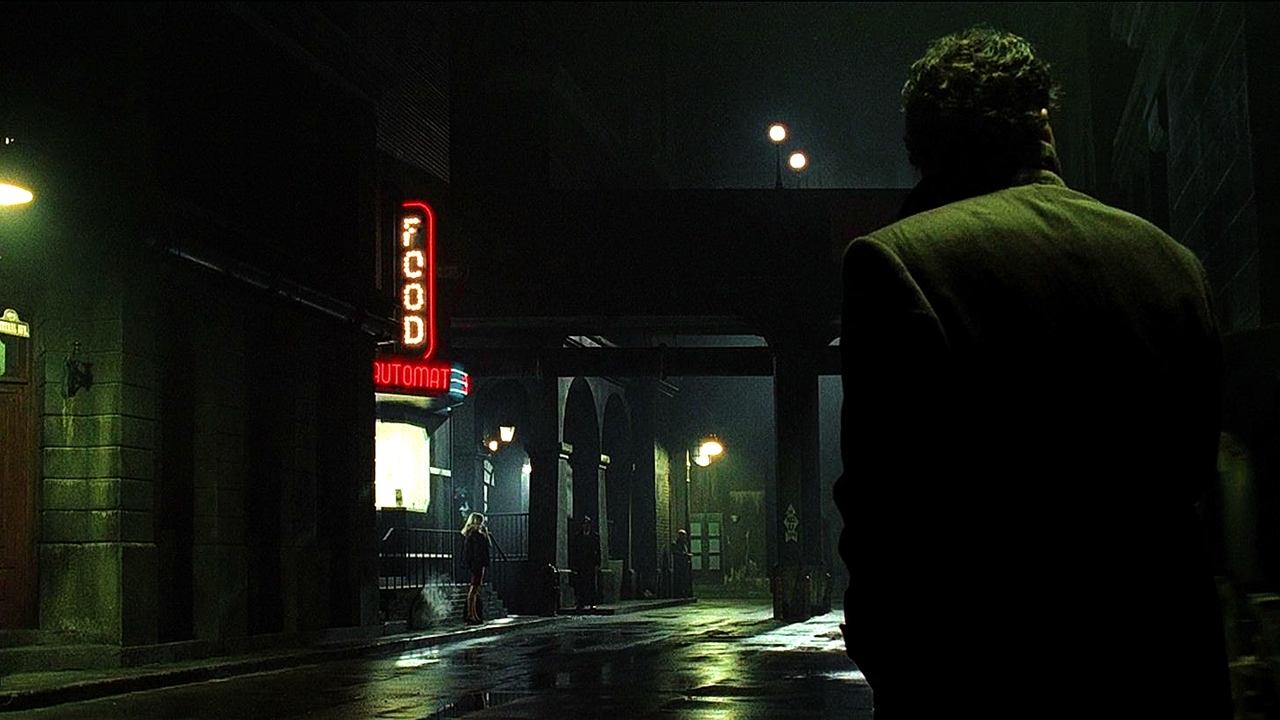
The film's visual palette is relentlessly grim, yet stunningly beautiful in its decay. Proyas and cinematographer Dariusz Wolski (later known for the Pirates of the Caribbean series) craft a world entirely devoid of sunlight, relying on sickly greens, deep blues, and stark contrasts. The practical effects, blended seamlessly with then-cutting-edge CGI for the city-morphing "Tuning" sequences, felt revolutionary. Seeing buildings stretch and twist, streets realign themselves in the dead of night – it had a tangible weight, a mechanical groan that digital wizardry often lacks today. I distinctly remember rewinding the Tuning scenes on my worn VHS copy, just trying to absorb the sheer audacity of the visuals.
Whispers in the Dark
The performances are perfectly pitched to the film's tone. Rufus Sewell anchors the film with a performance of raw confusion morphing into desperate resolve. Jennifer Connelly as Anna, Murdoch's supposed wife, embodies the film's pervasive melancholy, her torch songs echoing the city's forgotten soul. William Hurt brings his signature weary intelligence to Inspector Bumstead, the gumshoe slowly realizing the reality he inhabits is paper-thin.
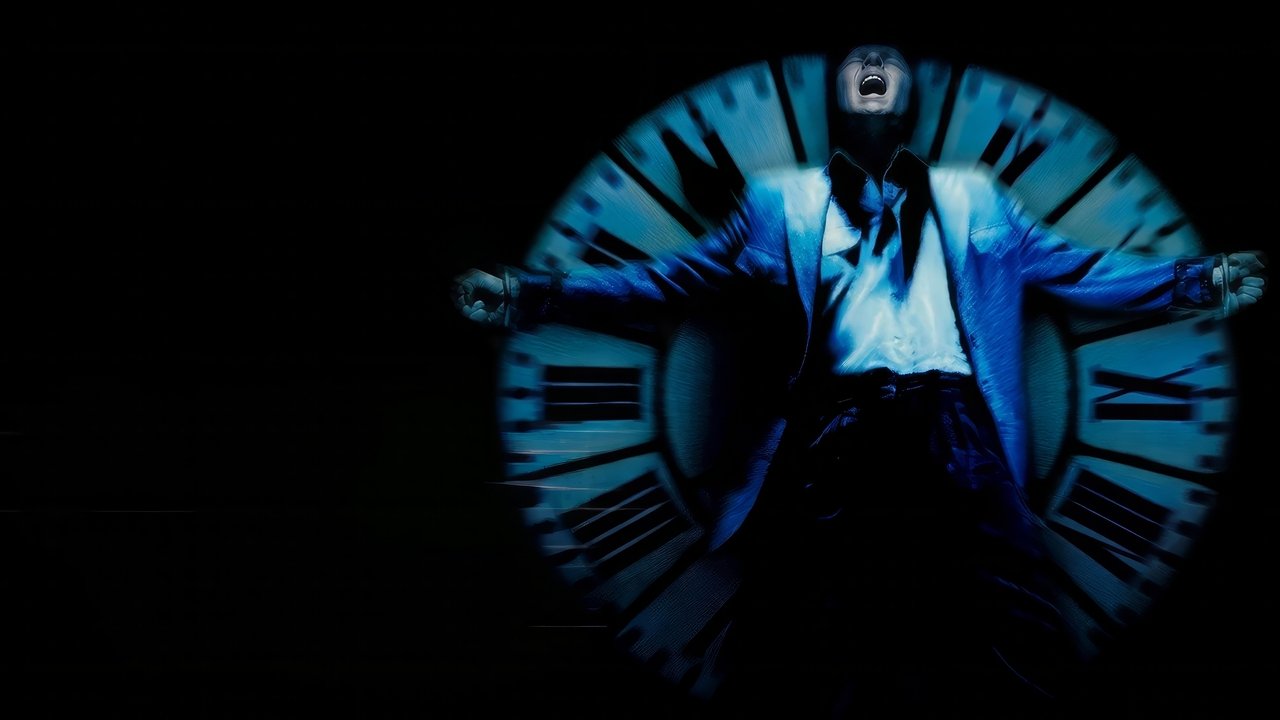
And then there's Kiefer Sutherland as Dr. Daniel Schreber. His performance is a tightrope walk – hunched, whispering, twitchy – a man complicit in horror yet desperate for redemption. Sutherland reportedly based Schreber's strained, high-pitched voice on Proyas's direction to sound as if his vocal cords were perpetually damaged, adding another layer of physical unease to the character. It’s a bizarre, captivating turn that provides crucial exposition while deepening the mystery.
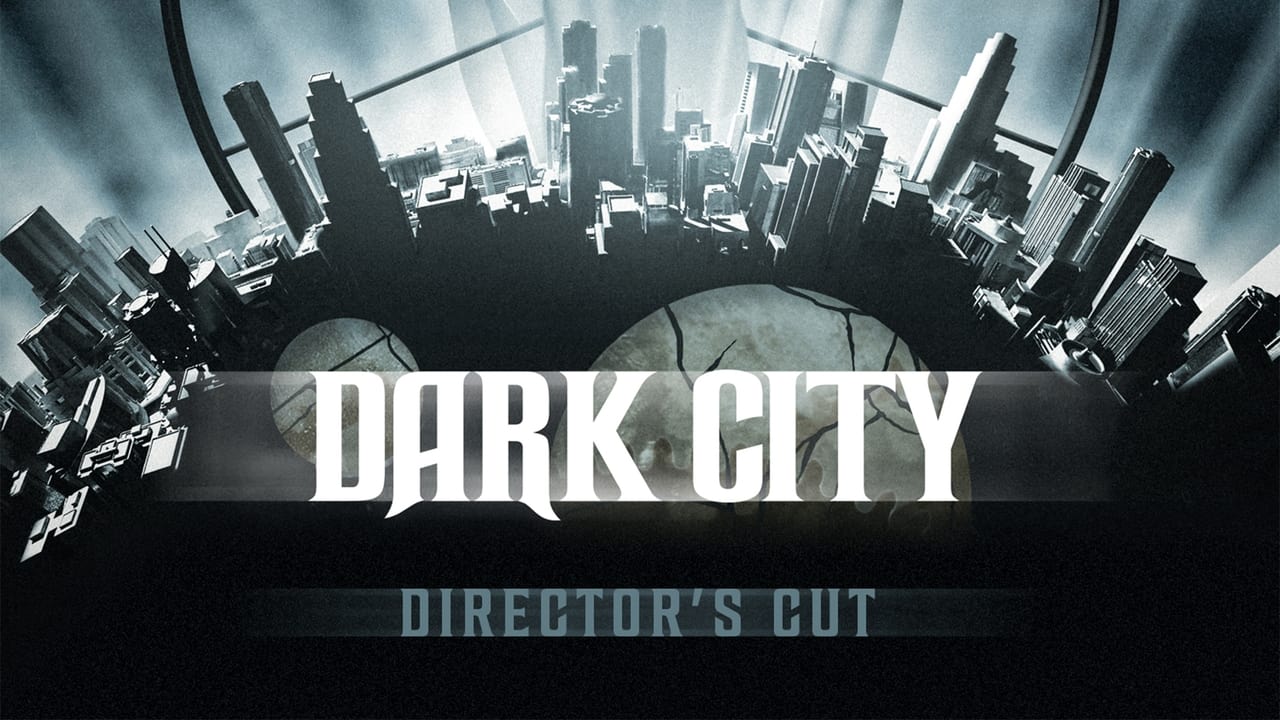
Digging into the production reveals a fascinating, slightly troubled history. Studio executives at New Line Cinema, nervous about the film's dense concepts, insisted on adding an opening voice-over narration (delivered by Sutherland) that explicitly explains the premise. Proyas famously disliked this, feeling it robbed the audience of discovering the world alongside Murdoch. Thankfully, a Director's Cut released later restored his original vision, allowing the ambiguity to breathe. It’s a testament to the film’s strength that even with the studio's hand-holding, the theatrical cut retained so much power. It's also worth noting that the legendary critic Roger Ebert was a vocal champion of the film, even recording a commentary track for the DVD release, recognizing its artistry when some initial reviews were mixed. He famously called it a "triumph of art direction, set design, cinematography, special effects."
Before the Matrix Reloaded
Released just a year before The Matrix, Dark City tread similar thematic ground – questioning reality, individuality vs. control, the nature of humanity – but with a distinctly noir, almost gothic sensibility. While The Matrix exploded into the mainstream consciousness, Dark City remained more of a cult favorite, a film discovered on video store shelves or late-night cable, whispering its secrets rather than shouting them. Its influence, however, can be seen in subsequent sci-fi and fantasy films that embrace complex world-building and darker aesthetics. The meticulous construction of its world, reportedly filmed almost entirely on soundstages at Fox Studios Australia, created a truly hermetically sealed environment, enhancing the claustrophobia.
The film isn't just about the stunning visuals or the intricate plot; it taps into primal fears about identity, memory, and the unsettling feeling that the world isn't quite what it seems. Are we defined by our memories? What makes us human if our past can be rewritten overnight? These questions linger long after the credits roll and the VCR clicks off.
---
VHS Heaven Rating: 9/10
Dark City stands as a towering achievement of late-90s sci-fi noir. Its breathtaking production design, pervasive atmosphere of dread, and thought-provoking themes create an unforgettable experience. The visual artistry alone is worth the price of admission (or rental!). While the studio-mandated narration in the theatrical cut slightly tempers the initial mystery (seek out the Director's Cut!), the film's power remains undeniable. Its unique blend of existential horror, detective story, and stunning visual imagination earns it a high place in the pantheon of thoughtful genre filmmaking from the era.
It’s a film that proves darkness can be illuminating, a haunting reminder that sometimes the most terrifying monsters are the ones who reshape our world while we sleep.