### That Storm Brewing on the Horizon
Sometimes a film settles over you not with a bang, but like a humid coastal fog, thick with unspoken threats and the heavy scent of rain. That’s the feeling Robert Altman’s The Gingerbread Man (1998) evokes, a slow-burn legal thriller that feels less like the John Grisham page-turner it originated from and more like a sweat-drenched Southern Gothic nightmare. I remember picking up the VHS, maybe expecting something slicker, more conventional like The Firm (1993) or The Pelican Brief (1993). Instead, what unwound on the CRT screen was altogether moodier, more ambiguous, and frankly, more Altman.
A Swamp of Morality
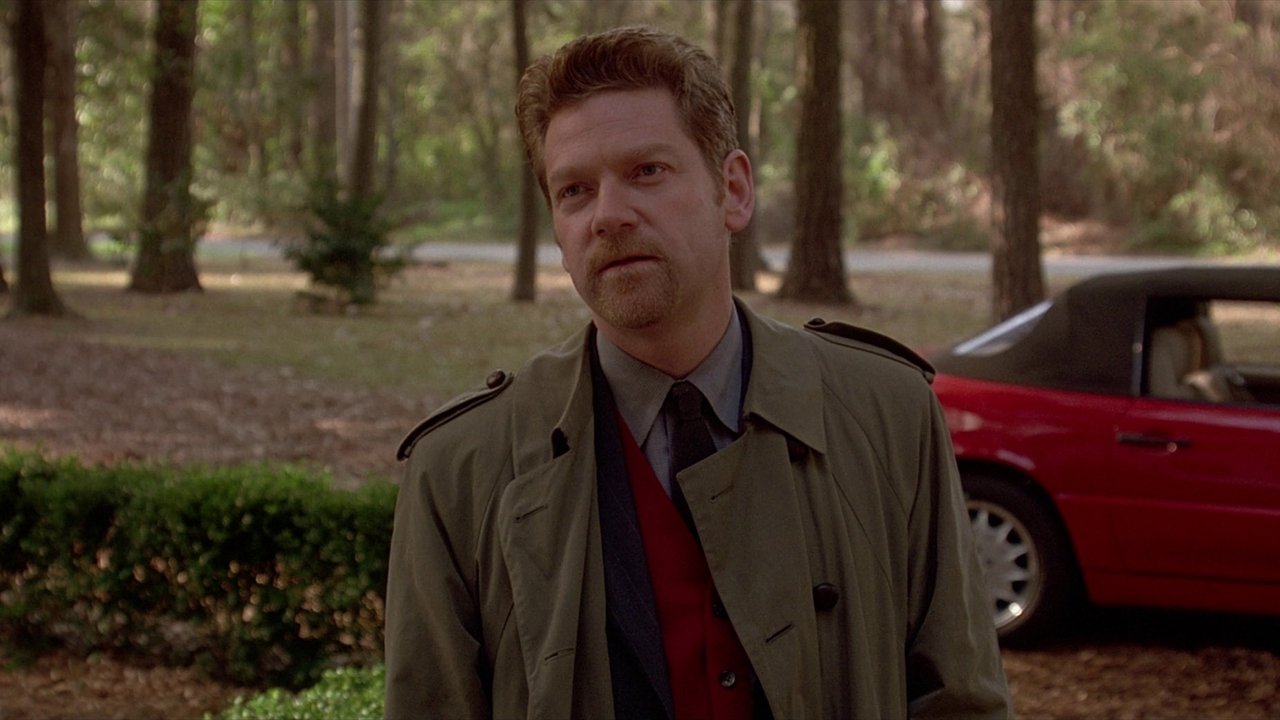
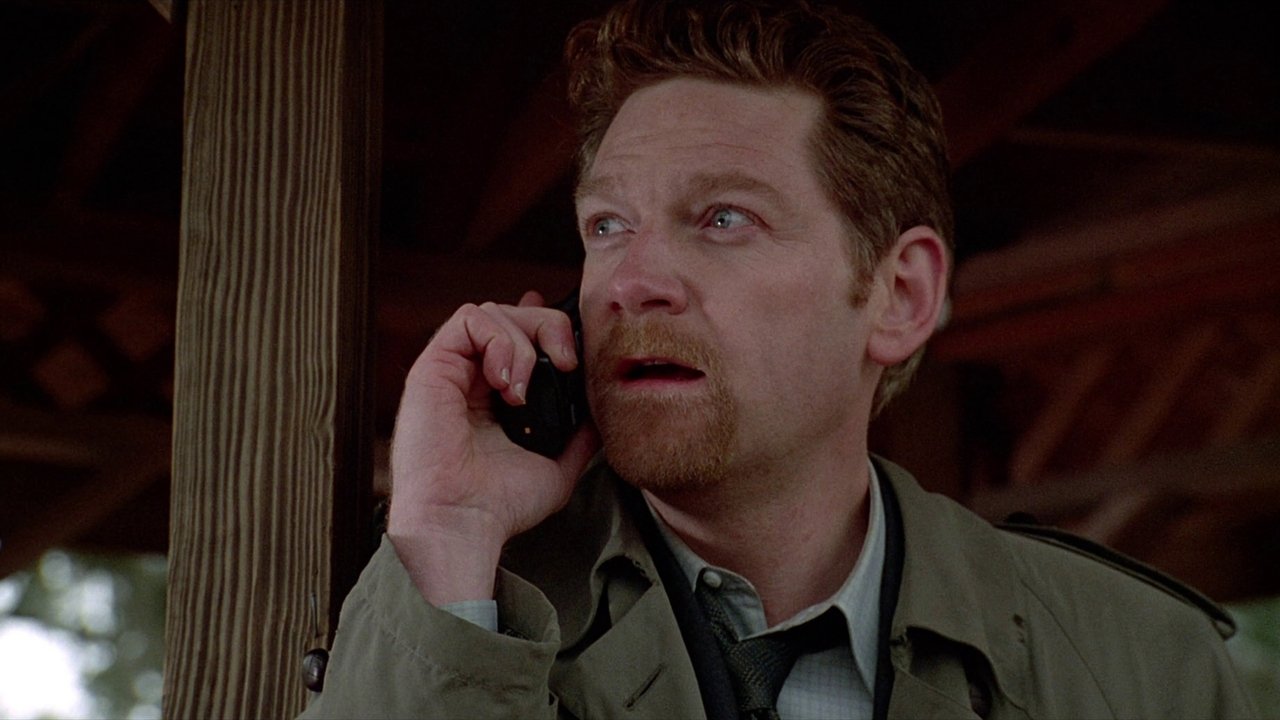
At the center stands Rick Magruder, played by Kenneth Branagh with a Savannah drawl that occasionally takes scenic detours but mostly holds. Magruder is a cocky, successful divorce lawyer, seemingly untouchable in his tailored suits until a chance encounter during a torrential downpour pulls him into the orbit of Mallory Doss (Embeth Davidtz). She’s a waitress with a troubled story about her estranged, volatile father, Dixon (Robert Duvall), a backwoods eccentric living amongst a near-feral group of followers. Magruder, perhaps flattered, perhaps bored, perhaps genuinely moved – or a dangerous cocktail of all three – uses his legal clout to help her. And that, as they say, is where the trouble starts.
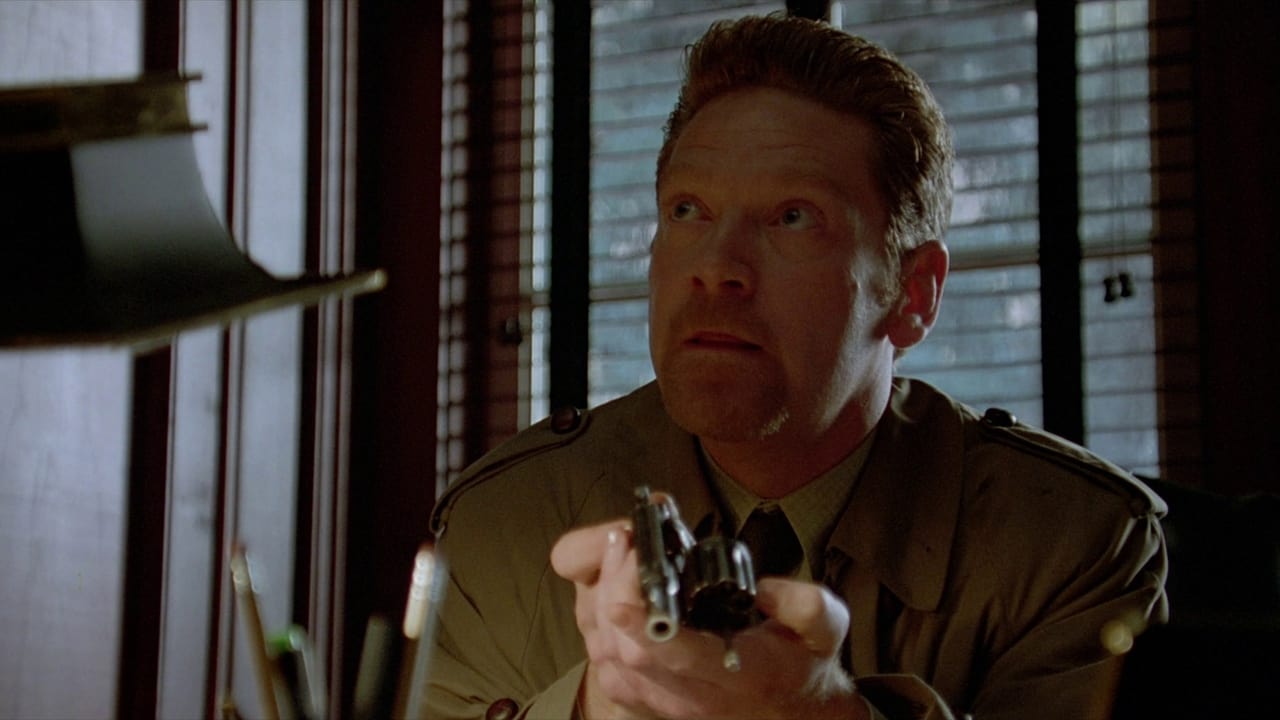
What unfolds isn't just a case, but Magruder's descent into a situation far murkier and more dangerous than his usual courtroom battles. The film excels at capturing his gradual loss of control, the dawning realization that his arrogance and assumptions have led him into a trap he can't easily talk his way out of. Branagh, often associated with Shakespearean grandeur (he'd just come off his epic Hamlet in 1996), anchors the film with a performance that peels back the layers of Magruder’s confidence to reveal the fraying nerves beneath. Is he a good man making bad choices, or was the rot always there, just waiting for the right storm to bring it to the surface? The film leaves that tantalizingly open.
Altman's Touch in Unlikely Territory
Now, pairing the iconoclastic Robert Altman – the master of overlapping dialogue, sprawling ensembles, and deconstructed genres (MASH* (1970), Nashville (1975), The Player (1992)) – with a Grisham legal thriller plot seems, on paper, like an odd fit. And indeed, the production was reportedly fraught with tension. Grisham had adapted his own unpublished short story, but Altman, true to form, allegedly encouraged improvisation and rewrites (credited solely to Clyde Hayes), aiming for something less plot-driven and more character-focused. This led to clashes with the studio, PolyGram Filmed Entertainment, who apparently feared Altman was making something too arty, too slow.
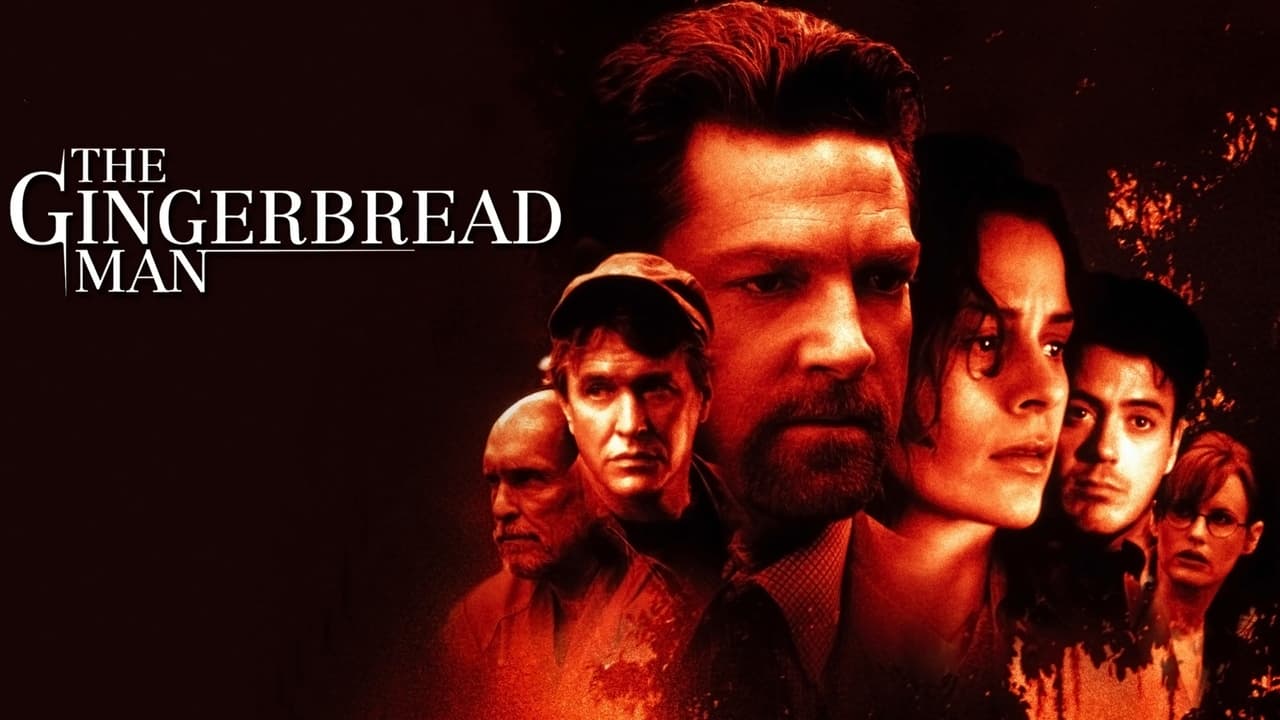
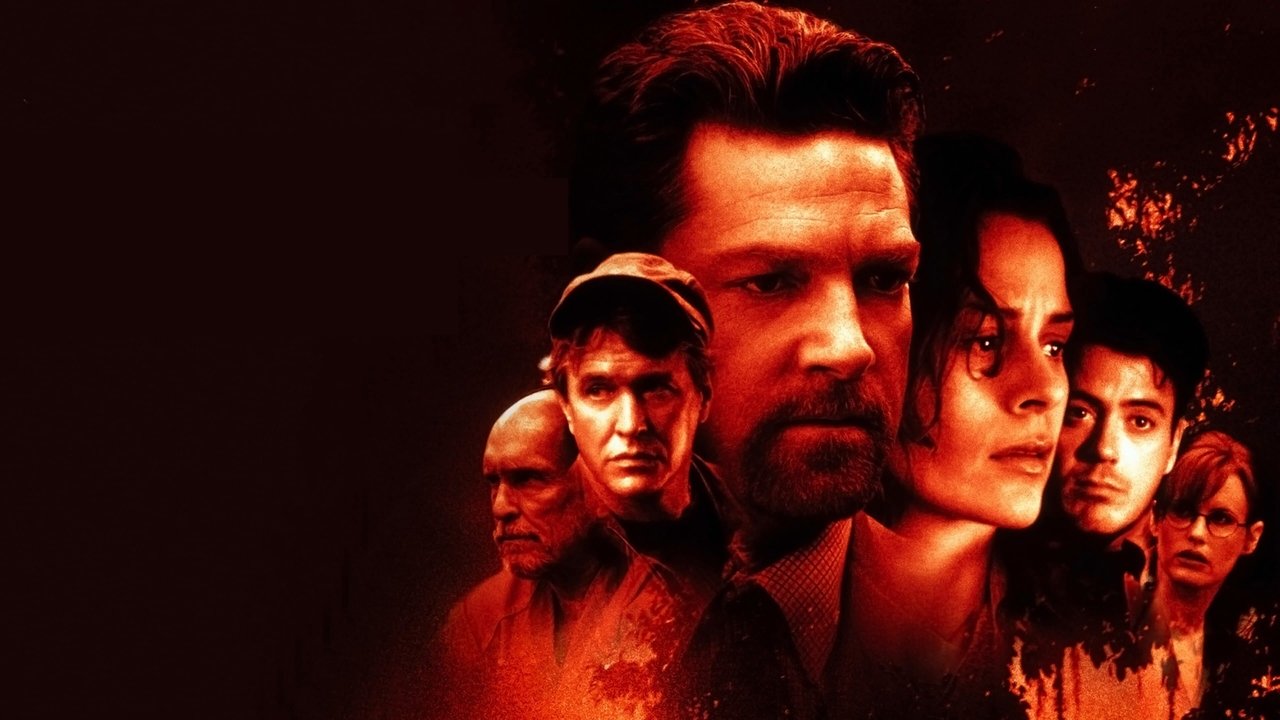
You can feel that push-and-pull in the final product. There are moments where the thriller mechanics feel slightly conventional, but Altman's signature is undeniable. The atmosphere is palpable – Savannah isn't just a backdrop; it's a character, dripping with humidity and history, beautifully lensed by cinematographer Gu Changwei. The impending hurricane mirrors Magruder’s internal turmoil and the escalating external threats. Altman uses the weather, the shadowy locations, and Mark Isham's tense, atmospheric score to build a suffocating sense of dread. Even smaller roles resonate: Robert Downey Jr. offers a typically quirky turn as Magruder’s investigator sidekick, providing moments of off-kilter levity, while Daryl Hannah brings weary competence to Magruder’s colleague and concerned ex-wife. And Robert Duvall? He crafts a truly unnerving figure in Dixon Doss, radiating quiet menace without needing grand pronouncements.
Retro Fun Facts: Studio Battles and Alternate Cuts
The behind-the-scenes story is almost as tangled as the plot. After testing poorly (perhaps audiences were expecting a straightforward thriller?), PolyGram reportedly took the film away from Altman and recut it, delaying its release significantly. Altman publicly criticized this studio version, the one most of us likely rented from Blockbuster back in the day. Thankfully, a director's cut eventually surfaced on DVD years later, reportedly closer to Altman's original vision – leaner in some exposition, perhaps a touch more ambiguous. It's fascinating how studio interference, a common tale from the 80s and 90s film landscape, demonstrably impacted the rhythm and feel of this particular film. It’s a testament to Altman’s skill that even the compromised theatrical cut retains so much of his unique flavor. Despite its pedigree, the film was a commercial disappointment, barely recouping a fraction of its estimated $25 million budget at the US box office – solidifying its status as a somewhat overlooked entry in both Altman's and Grisham's filmographies.
Caught in the Rain
Does The Gingerbread Man perfectly blend Altman's style with Grisham's plotting? Perhaps not seamlessly. There are moments where the genre demands feel slightly at odds with Altman's more observational instincts. Branagh's accent might occasionally distract. But what lingers is the pervasive mood, the sense of a world where moral clarity is lost in the downpour and powerful men can be undone by seemingly small missteps. Davidtz is compelling as the woman whose vulnerability may or may not be genuine – she keeps both Magruder and the audience guessing.
It’s a film that rewards patience, drawing you into its humid, morally ambiguous world. It doesn't offer easy answers or neat resolutions, which might have frustrated some viewers back in '98 but feels more resonant today. It asks us to consider how easily certainty can crumble, how quickly control can be an illusion. What happens when the slick facade cracks under pressure?
Rating: 7/10
This score reflects a film that succeeds more often than it stumbles, largely due to Altman's masterful creation of atmosphere and strong performances, particularly from Branagh and Duvall. While the studio interference arguably left scars on the theatrical cut and the blend of sensibilities isn't always perfect, it remains a compelling, distinctive 90s thriller that stands apart from its more conventional contemporaries. It captures that specific late-90s noirish vibe, filtered through a unique directorial lens.
It’s a humid, haunting piece of cinema, a reminder that sometimes the most dangerous storms aren't the ones brewing offshore, but the ones gathering within ourselves. Definitely worth digging out of the VHS archives (or finding on streaming) for a rewatch on a rainy night.