It doesn't arrive with the fanfare of a studio blockbuster, nor the immediate cult buzz of some genre oddities. Instead, Robert Altman's Kansas City (1996) unspools like a half-remembered tune drifting from a smoky room, a film steeped in a specific time and place – the Depression-era heartland pulsing with jazz, corruption, and quiet desperation. Watching it again, decades removed from its initial release, feels less like revisiting a movie and more like stepping into a meticulously crafted, albeit melancholic, memory palace constructed by one of American cinema's great observers.
A City's Soul, A Director's Past
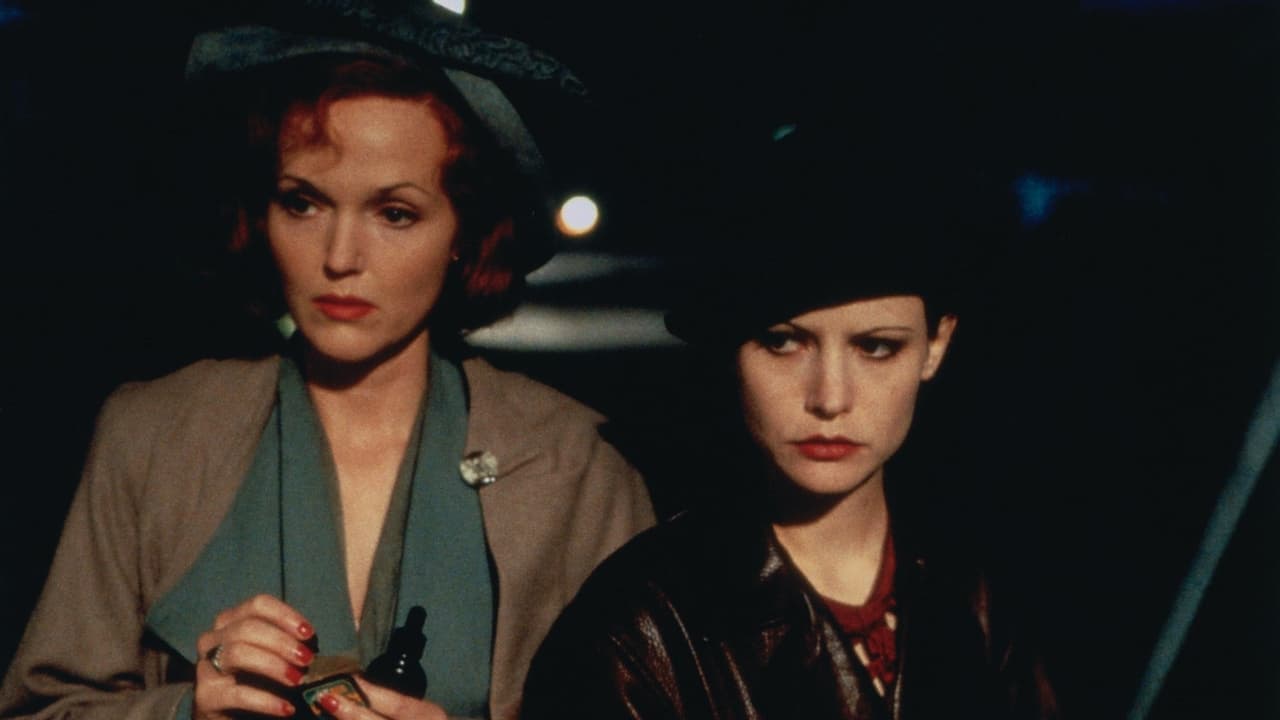
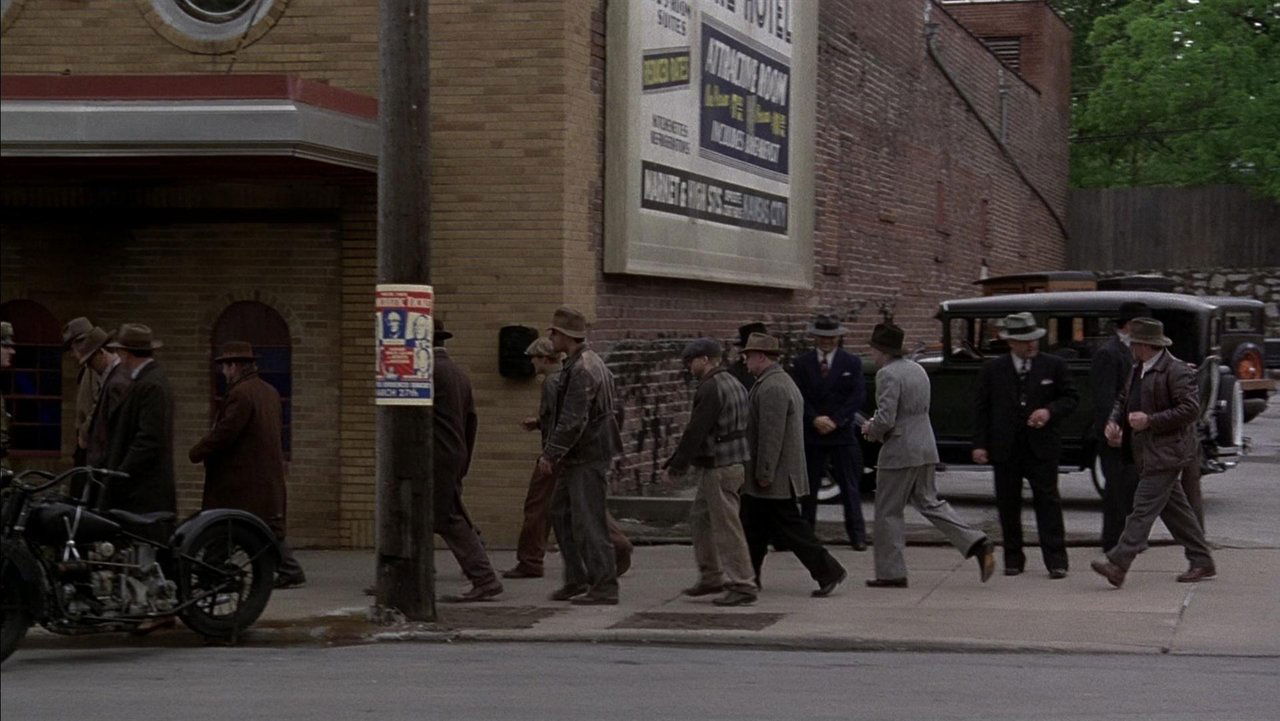
The year is 1934. Kansas City, Missouri, throbs with a unique energy – a potent cocktail of political machinations under the Pendergast machine, the pervasive shadow of organized crime, and, most vibrantly, the electrifying sound of jazz pouring out of clubs like the Hey Hey Club. It's against this backdrop that Altman, who grew up in Kansas City during this very era, spins his tale. This personal connection infuses the film with an undeniable authenticity, a sense of lived-in detail that transcends mere period dressing. You can almost smell the stale cigarette smoke and cheap whiskey. It’s a passion project, less concerned with conventional narrative drive and more invested in capturing a specific, perhaps vanishing, American mood.
Two Women, One Desperate Plan
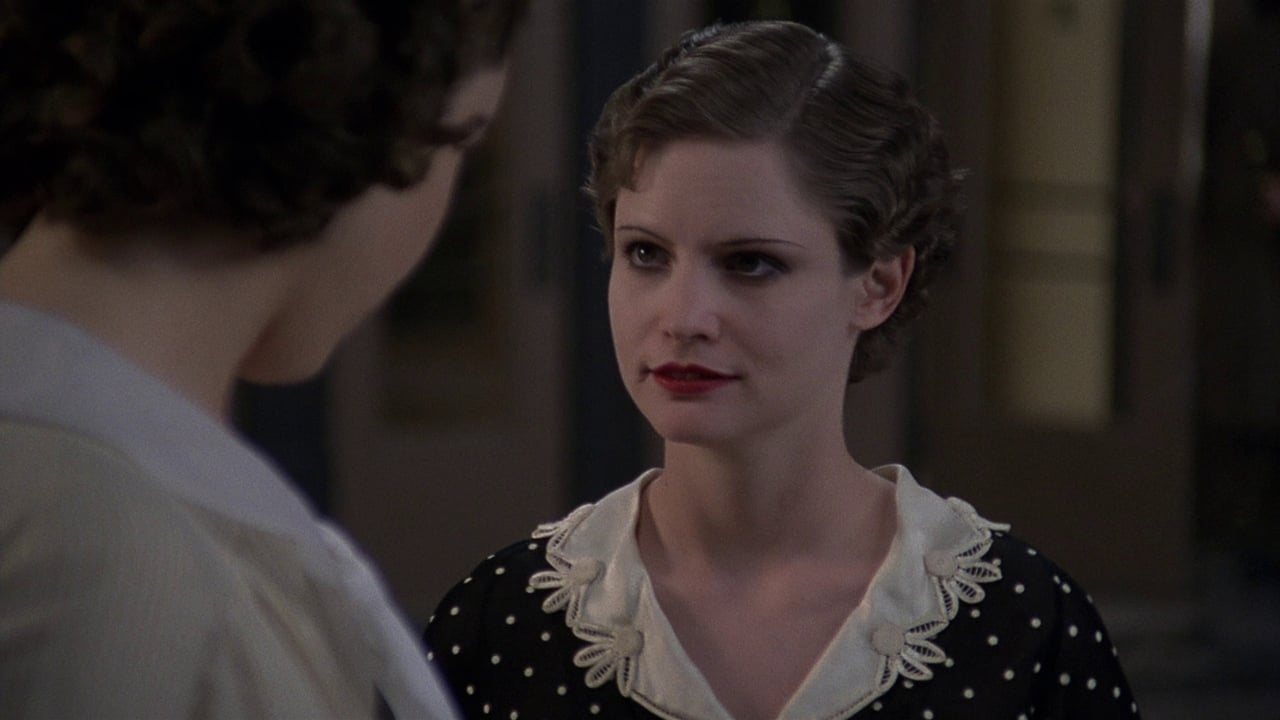
At its core, Kansas City follows Blondie O'Hara (Jennifer Jason Leigh), a telegraph operator whose small-time hoodlum husband has fallen afoul of the powerful Black gangster, Seldom Seen (Harry Belafonte). In a frantic, ill-conceived gamble, Blondie kidnaps Carolyn Stilton (Miranda Richardson), the laudanum-addicted, high-society wife of a well-connected advisor to Franklin D. Roosevelt, hoping to leverage her release for her husband's freedom. The film spends significant time observing these two women, thrown together by circumstance, navigating their claustrophobic confinement. Leigh, known for her fearless immersion in challenging roles (Single White Female, Dolores Claiborne), delivers a performance crackling with nervous energy and almost painful desperation. Her Blondie is sharp, abrasive, and utterly out of her depth, a live wire constantly threatening to short-circuit. Paired with Richardson's masterful portrayal of Carolyn – detached, subtly manipulative beneath her drugged haze, clinging to the vestiges of her social standing – their interactions become a fascinating, often uncomfortable study in class difference and shared female entrapment within a male-dominated world.
The Cool Menace of Seldom Seen
Presiding over the criminal underworld, and indeed much of the film's simmering tension, is Harry Belafonte as Seldom Seen. It’s a remarkable piece of casting. Known primarily for his charismatic musical persona and activism, Belafonte here embodies a chillingly calm authority. Seldom Seen operates from his private haven within the Hey Hey Club, dispensing wisdom, threats, and judgment with an unnerving stillness. His power isn't demonstrated through outbursts, but through quiet calculation and the palpable fear he inspires. Altman uses him not just as a plot device, but as a symbol of the complex racial dynamics and power structures of the era, a Black man wielding significant influence within a specific, albeit segregated, sphere. It’s a magnetic, career-highlight performance that anchors the film's darker undercurrents.
Where Jazz is King
But perhaps the truest star of Kansas City is the music itself. Altman doesn't just use jazz as background; he weaves it into the very fabric of the film. Long sequences are dedicated to blistering performances inside the Hey Hey Club, where legendary figures like Coleman Hawkins, Lester Young, and Ben Webster are brought to life by a roster of brilliant contemporary jazz musicians (including Joshua Redman, James Carter, Craig Handy, Geri Allen, and Ron Carter). Altman reportedly filmed these sessions live, capturing the raw, improvisational energy of a late-night cutting contest. It's not merely soundtrack; it's narrative, character, and atmosphere rolled into one glorious sound. This dedication to musical authenticity is a key part of the film’s unique power, a loving tribute to the art form that defined the city in that era. One fascinating tidbit: Altman even released a companion documentary, Robert Altman's Jazz '34: Remembrances of Kansas City Swing, focusing purely on these musical performances, highlighting their integral importance.
An Altmanesque Tapestry
Fans of Robert Altman (MASH, Nashville, The Player) will recognize his signature style: the overlapping dialogue that creates a naturalistic cacophony, the drifting camera that seems to eavesdrop on conversations, the focus on ensemble dynamics over a single protagonist's journey. Kansas City applies this approach to the gangster genre, resulting in something more meditative and observational than overtly thrilling. The plot, particularly the kidnapping storyline, sometimes feels secondary to the immersion in the world Altman has recreated. This can be a source of frustration for viewers seeking conventional pacing, but for those attuned to Altman's rhythms, it’s precisely the point. He’s painting a portrait of a time and place, letting the narrative threads emerge organically from the environment.
Lingering Echoes
Kansas City might not be the most celebrated entry in Altman's formidable filmography, and its initial reception was somewhat muted ($1.7 million box office suggests it didn't find a wide audience). Yet, viewed through the lens of time, particularly on a format like VHS that feels intrinsically linked to discovering less mainstream gems, its qualities shine through. It's a film that requires patience, rewarding viewers with its rich atmosphere, nuanced performances (particularly Belafonte and Richardson), and an unparalleled celebration of jazz. What lingers most strongly isn't necessarily the plot resolution, but the pervasive sense of melancholy, the feeling of observing lives caught in the gears of history, underscored by the timeless bluesy wail of a saxophone. It asks us to consider the intersection of art, crime, politics, and personal desperation that forged a uniquely American moment.
Rating: 7.5/10
The score reflects the film's undeniable artistic strengths – its potent atmosphere, Altman's masterful direction, Belafonte's iconic turn, and the extraordinary musical sequences – balanced against a narrative that, while thematically rich, can feel somewhat diffuse and may not fully satisfy those seeking a tightly plotted crime story. It’s a film whose deliberate pacing and focus on mood over mechanics demands a certain kind of engagement.
Final Thought: A deeply personal, atmospheric dive into a specific American past, Kansas City is Altman serving up history, crime, and scorching jazz with a side of poignant reflection – a potent blend best savored, not rushed.