What happens after the gavel falls? That's the unsettling question lingering at the heart of 1989's Criminal Law, a film that burrowed under my skin long after the tape ejected from the VCR back in the day. It presents a scenario that feels ripped from a lawyer's darkest nightmare: you deploy all your skill, your cunning, your belief in the system to secure an acquittal for a client accused of a brutal crime... only to begin suspecting, with chilling certainty, that you just unleashed a monster back onto the streets. It’s a premise that still resonates, forcing us to confront the often-murky line between legal justice and actual truth.
The Devil You Know
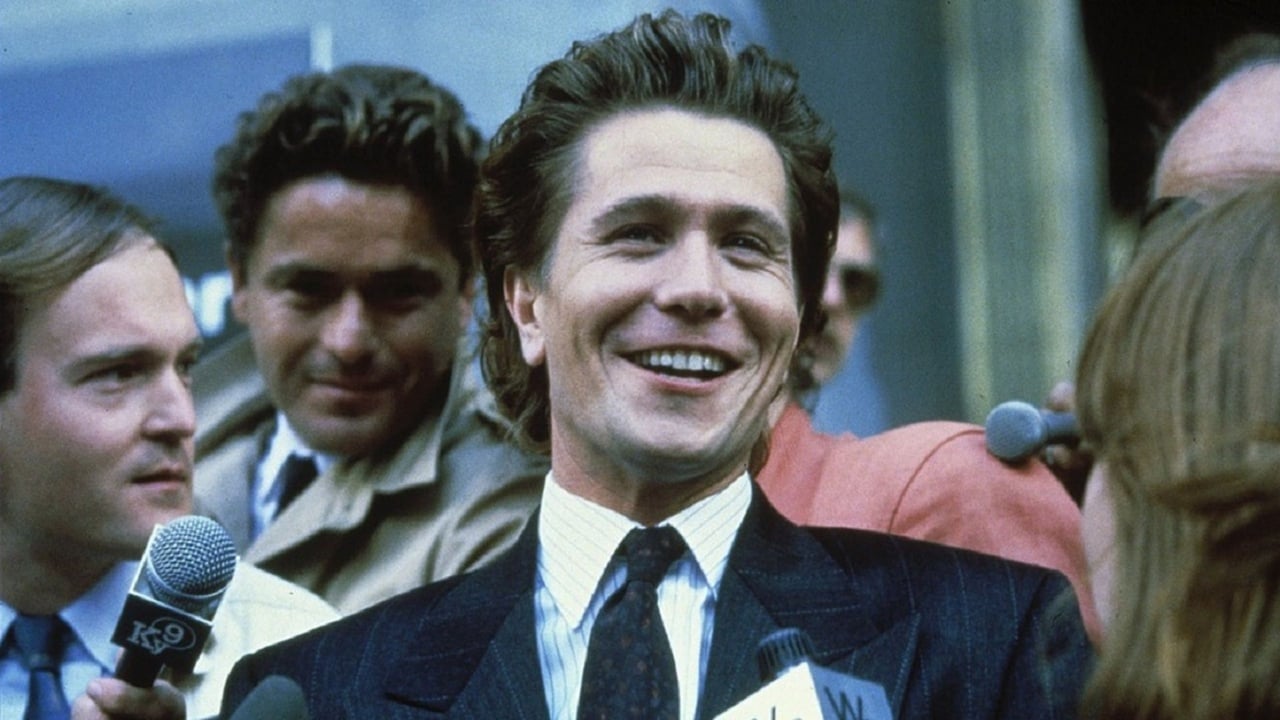
The film throws us immediately into the world of Ben Chase, played by a ferociously intense Gary Oldman just a few years post-Sid and Nancy but already showcasing the chameleon-like power that would define his career. Chase is young, razor-sharp, and hungry for the win. His client is Martin Thiel (Kevin Bacon), a wealthy, effortlessly charming socialite accused of a savage assault. Thiel proclaims his innocence with a conviction that seems utterly genuine, and Chase, blinded perhaps by ambition as much as evidence, delivers a courtroom performance that gets Thiel off scot-free. But then, similar crimes begin happening, bearing Thiel's unmistakable signature. Is it coincidence, or has Chase become an unwitting accomplice after the fact?
A Duel of Intensity
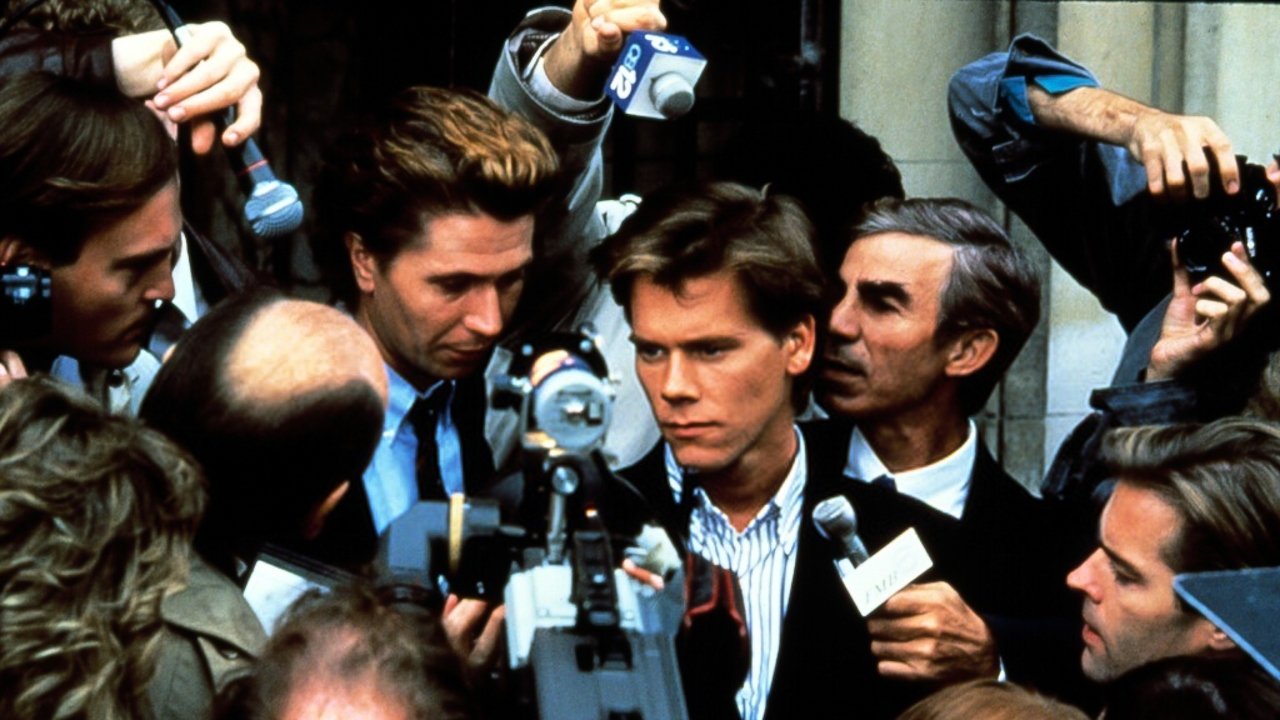
Where Criminal Law truly crackles is in the dynamic between its two leads. Oldman is electrifying as Chase, his initial courtroom swagger curdling into desperate anxiety and moral panic. You see the conflict tearing him apart – the lawyer's duty clashing with the citizen's horror. His performance is a tightly wound spring of nervous energy, frustration, and dawning dread. There's a palpable sense of a man realizing he's made a catastrophic mistake and is now trapped in a dangerous game of cat-and-mouse with the very man he saved. It’s fascinating to learn that Oldman reportedly had creative disagreements with director Martin Campbell during the shoot; perhaps some of that friction fueled the character's simmering intensity we see on screen.
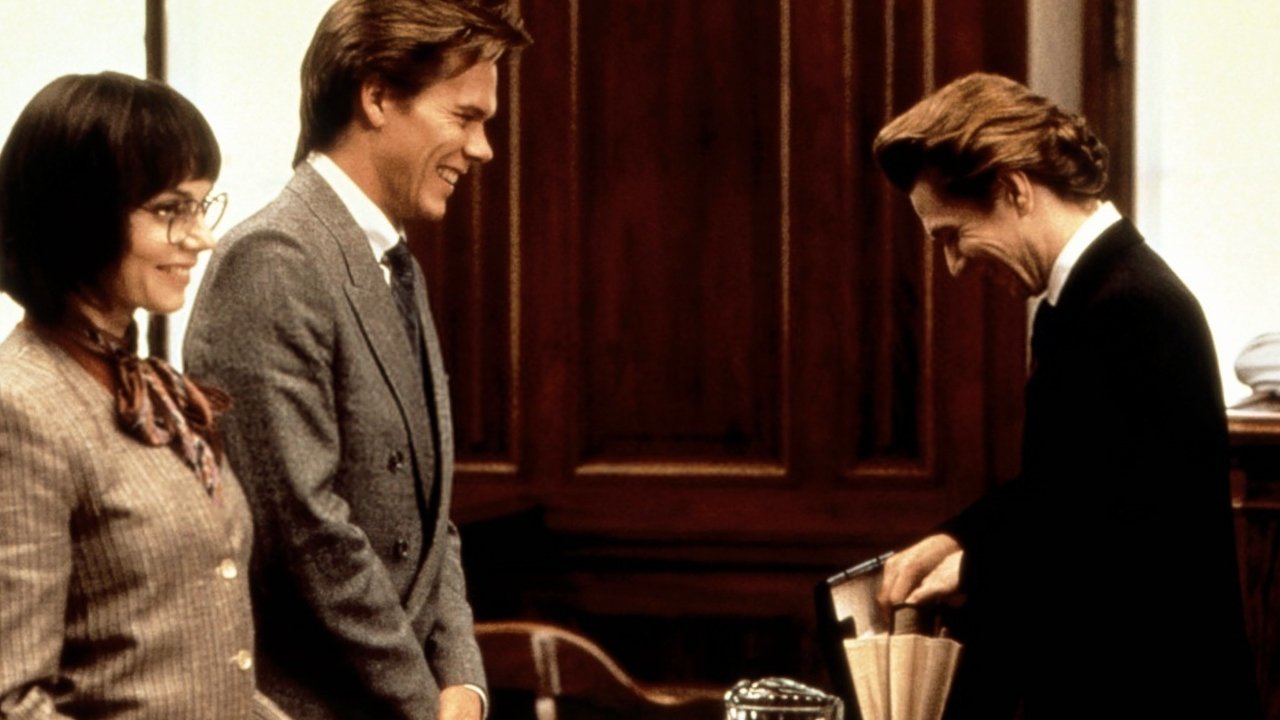
Opposite him, Kevin Bacon delivers one of his most effectively unsettling performances. Thiel isn't a cartoon villain; Bacon imbues him with an unnerving blend of charisma and cold calculation. He knows exactly how to play people, how to project innocence while hinting at the darkness beneath. Is he genuinely a psychopath, or is Chase projecting his own guilt and paranoia onto him? Bacon keeps you guessing, his smiles feeling both reassuring and predatory. Watching him and Oldman circle each other, the power dynamic constantly shifting, is the film's undeniable high point. Tess Harper also offers solid support as a fellow attorney who sees Chase spiraling, grounding the escalating tension with a dose of concerned reality.
Style and Substance Under Pressure

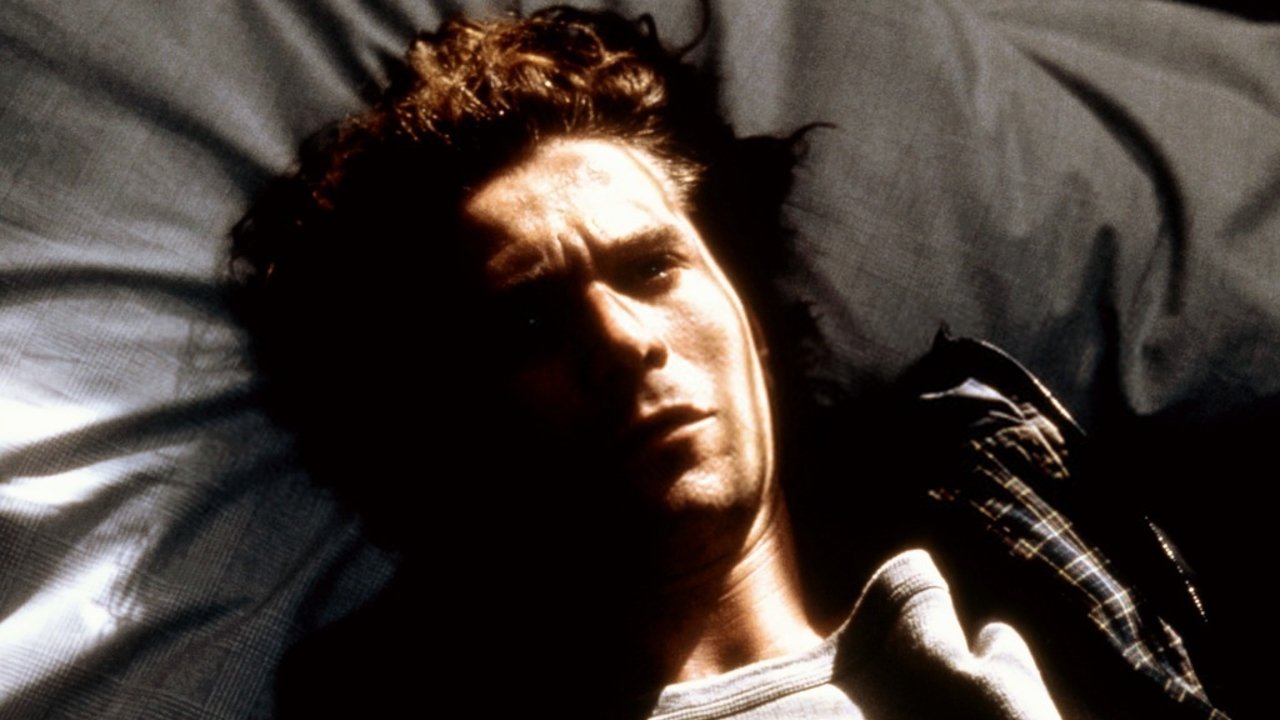
Directed by Martin Campbell, who would later helm huge Bond entries like GoldenEye and Casino Royale, Criminal Law showcases some of the director's knack for building suspense, albeit on a smaller scale. The film, mostly shot in Montreal standing in for Boston, often adopts a dark, rain-slicked aesthetic common in late 80s thrillers, visually mirroring Chase's descent into moral ambiguity. While Campbell keeps the tension high, particularly in the interactions between Chase and Thiel, the script by Mark Kasdan (brother of The Big Chill director Lawrence Kasdan) occasionally stretches plausibility. Some of Chase's actions in his desperate quest to prove Thiel's guilt push the boundaries of legal ethics and common sense, leading to moments that might make you pause, even amidst the gripping performances.
Interestingly, Criminal Law wasn't a box office success, earning back slightly less than its estimated $10 million budget upon release. Critical reception at the time was decidedly mixed, with many praising the acting but finding fault with the sometimes convoluted plot mechanics. Seen today, perhaps nestled amongst other forgotten gems on a collector's shelf, its strengths – particularly Oldman and Bacon's powerhouse turns – feel more pronounced, while its plot contrivances seem more like charming quirks of the era's thriller formula. It feels like a quintessential late-night VHS rental discovery; maybe not perfect, but intense and memorable in its own right.
The Verdict Lingers
Criminal Law doesn't offer easy answers. It digs into the uncomfortable grey areas of the justice system and the personal toll of ambition colliding with conscience. It asks: what responsibility does a lawyer bear after the verdict? Can you truly wash your hands of the consequences? The film thrives on the paranoia and the central psychological battle, making it a compelling, if occasionally flawed, piece of late 80s cinema. It’s a movie elevated significantly by its lead actors, turning a potentially standard thriller into something more psychologically resonant.
Rating: 7/10
The film is anchored by truly magnetic performances from Oldman and Bacon, creating a palpable tension that overcomes some narrative bumps. It’s a dark, thought-provoking legal thriller that might have slipped through the cracks upon release but remains a fascinating watch, especially for fans of its powerhouse leads. It leaves you pondering not just the verdict within the film, but the very nature of guilt and advocacy itself.