It arrives not with a bang, but with a sigh. A sense of weariness hangs heavy in the Tokyo air even before the first bullet flies. That’s the initial impression left by Takeshi Kitano’s 1993 masterpiece, Sonatine – a feeling less of impending gangster action and more of existential fatigue. For those of us browsing the video store aisles back then, perhaps expecting another blood-soaked yakuza epic akin to the kinetic frenzy often imported, Sonatine felt startlingly different. It was quieter, stranger, and ultimately, far more haunting.
An Offer You Can Refuse (But Don't)
The setup feels deceptively familiar. Murakawa (Takeshi Kitano, credited under his acting moniker ‘Beat’ Takeshi), a mid-level yakuza enforcer for the Kitajima clan, has grown tired. He speaks openly of wanting out, of the exhaustion that permeates his violent life. Yet, when his boss dispatches him and his crew to Okinawa, ostensibly to mediate a burgeoning conflict between allied factions, he goes. Duty, obligation, or perhaps just the lack of any perceived alternative, pulls him along. There's a palpable sense of unease from the start; Murakawa suspects this isn't a peacekeeping mission but a neatly arranged sacrifice. This suspicion quickly proves true, forcing the survivors – Murakawa and a handful of his loyal men – into hiding in a remote beach house.
Where Killers Go to Play

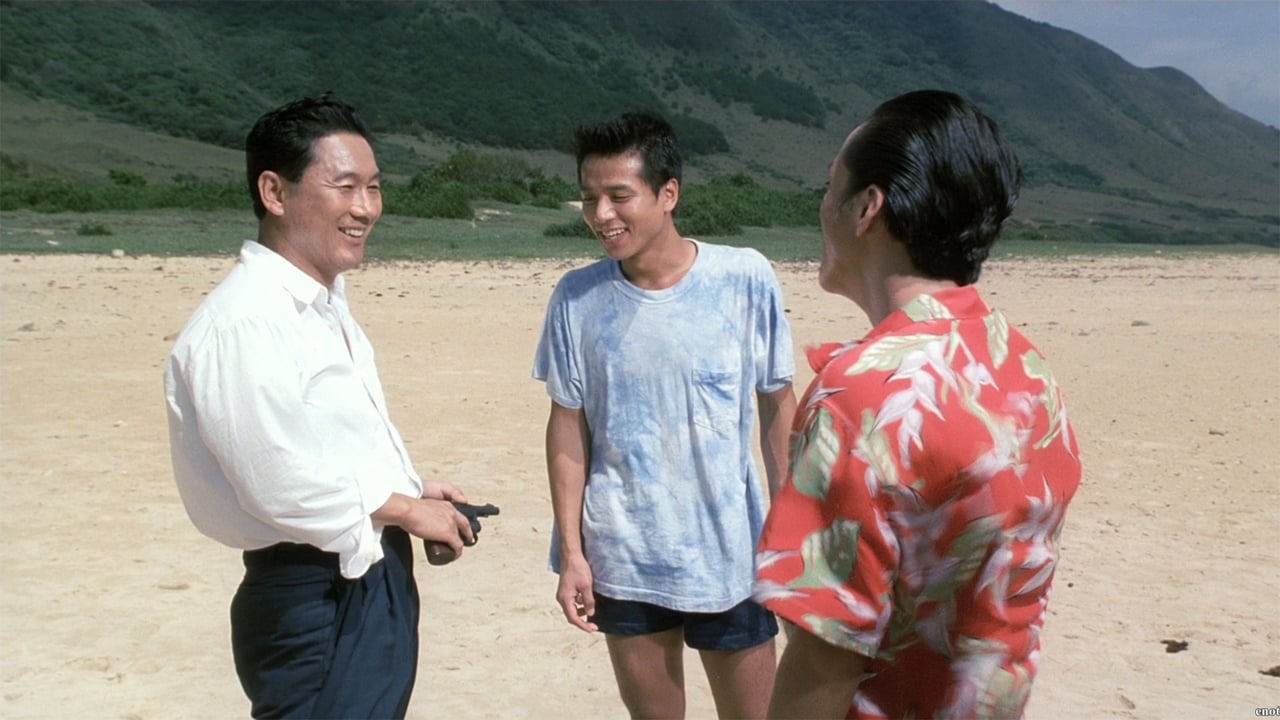
And it's here, on the sun-drenched Okinawan coast, that Sonatine truly reveals its strange, unforgettable heart. Instead of plotting intricate revenge or strategizing survival, Murakawa and his men... play. They engage in almost childlike games: makeshift sumo matches on the sand, elaborate pranks involving hidden pitfalls, shooting beer cans off each other's heads with unnerving calm, launching fireworks like boys discovering mischief for the first time. These scenes, often filmed by Kitano with his signature static camera and long takes, possess a bizarre, dreamlike quality. They are punctuated by the arrival of Miyuki (Aya Kokumai), a young woman who witnesses one of their violent acts and becomes an ambivalent part of their strange exile.
What are we to make of these interludes? Are they a desperate grasp at innocence lost? A fatalistic acceptance of their dwindling time, choosing absurdity over anxiety? Or perhaps a commentary on the inherent childishness underpinning the macho codes of their profession? Kitano, both as director and performer, offers no easy answers. His own portrayal of Murakawa is a masterclass in minimalist expression. His face, often impassive, occasionally flickers with a chillingly blank smile or a twitch of barely suppressed violence. He embodies the film's central paradox: the killer yearning for peace, the weary soul trapped in a cycle he cannot escape.
The Quiet Violence
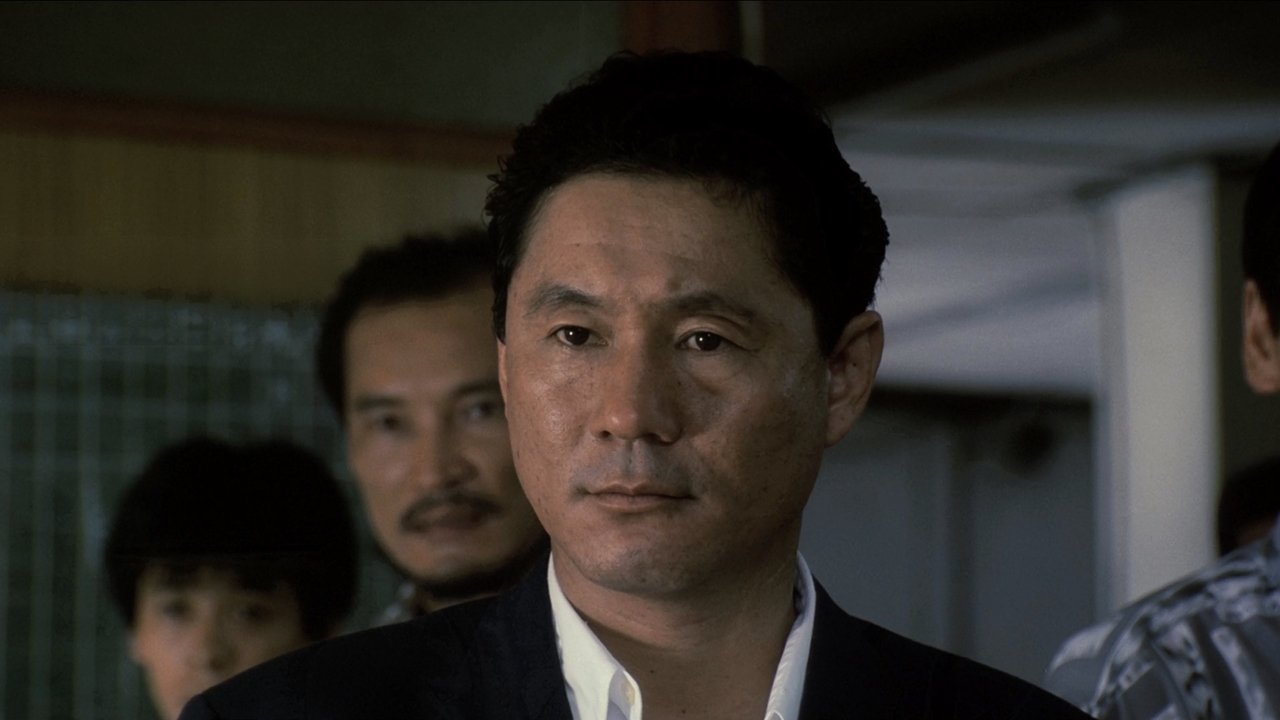

Don't mistake the contemplative tone and moments of dark, deadpan humor for a lack of brutality. When violence erupts in Sonatine, it’s sudden, shocking, and devoid of heroic gloss. Kitano stages these moments with a chilling matter-of-factness – a burst of gunfire, a quick struggle, and then silence. It’s the waiting that truly defines the film’s tension, the long stretches of quietude where the potential for death hangs unspoken in the humid air. This approach felt revolutionary compared to the stylized gun-fu or operatic bloodshed common in many crime films of the era. It strips the violence of glamour, presenting it as ugly, abrupt, and ultimately, futile.
Interestingly, Kitano reportedly conceived the core idea for Sonatine while waiting around on the set of another film, sketching out the basic premise. It wasn't a major box office success in Japan upon release, finding its true audience internationally, particularly after a lauded screening at the Cannes Film Festival. This international acclaim helped solidify Kitano’s reputation as a unique auteur, building on the stark promise of his earlier films like Violent Cop (1989) and Boiling Point (1990). It’s hard not to watch Murakawa’s world-weariness now without thinking of the near-fatal motorcycle accident Kitano himself suffered just a year after Sonatine’s release, an event that would profoundly shape his later work, lending an extra layer of poignancy to the film's themes of mortality.
The Lingering Resonance
The film's title, Sonatine, refers to a simple musical composition, often played by learners. Does it hint at the deceptive simplicity of the plot, masking deeper complexities? Or perhaps the repetitive, almost elemental nature of the violence Murakawa finds inescapable? Paired with the unforgettable, melancholic score by Joe Hisaishi – yes, the same Hisaishi beloved for his magical Studio Ghibli soundtracks – the film achieves a unique, almost hypnotic atmosphere. It’s a score that underscores the sadness and the strange beauty, a far cry from the typically bombastic gangster movie soundtrack.
Sonatine is a film that settles deep within you. It doesn't offer catharsis in the traditional sense. Instead, it leaves you contemplating the silence between the gunshots, the unsettling laughter on the beach, the blank stare of a man who has seen too much and perhaps feels too little, or maybe feels everything all at once. It’s a yakuza film that transcends its genre, becoming a profound meditation on life, death, and the moments of bizarre grace found in the waiting. Renting this on VHS back in the day felt like discovering a secret – a stark, beautiful, and unsettling piece of cinema that lingered long after the tape finished rewinding.

Rating: 9/10
This score reflects Sonatine's unique artistic vision, its masterful control of tone, Kitano's iconic performance, and its lasting impact as a cult classic. It's a near-perfect execution of a singular concept, its deliberate pacing and minimalist style demanding attention but rewarding the patient viewer immensely. The film isn't just a great yakuza movie; it's a haunting piece of existential art that happens to feature gangsters.
What truly stays with you isn't just the violence, but the profound silence of that Okinawan beach, forever suspended between childish games and sudden death.