The sickly green glow of a CRT monitor, the banshee wail of a dial-up modem clawing its way online… that was the sound of the future bleeding into the present at the turn of the millennium. It was a time brimming with digital promise and punctuated by a low hum of anxiety – the Y2K jitters, the nascent fear of unseen forces lurking behind the screen. Plucked from that specific technological unease comes Takedown (also released as Track Down, 2000), a film that attempted to bottle the lightning of the era’s most notorious cyber-showdown. It captures that fleeting moment when hackers were modern-day wizards, both feared and strangely mythologized.
Ghosts in the Machine
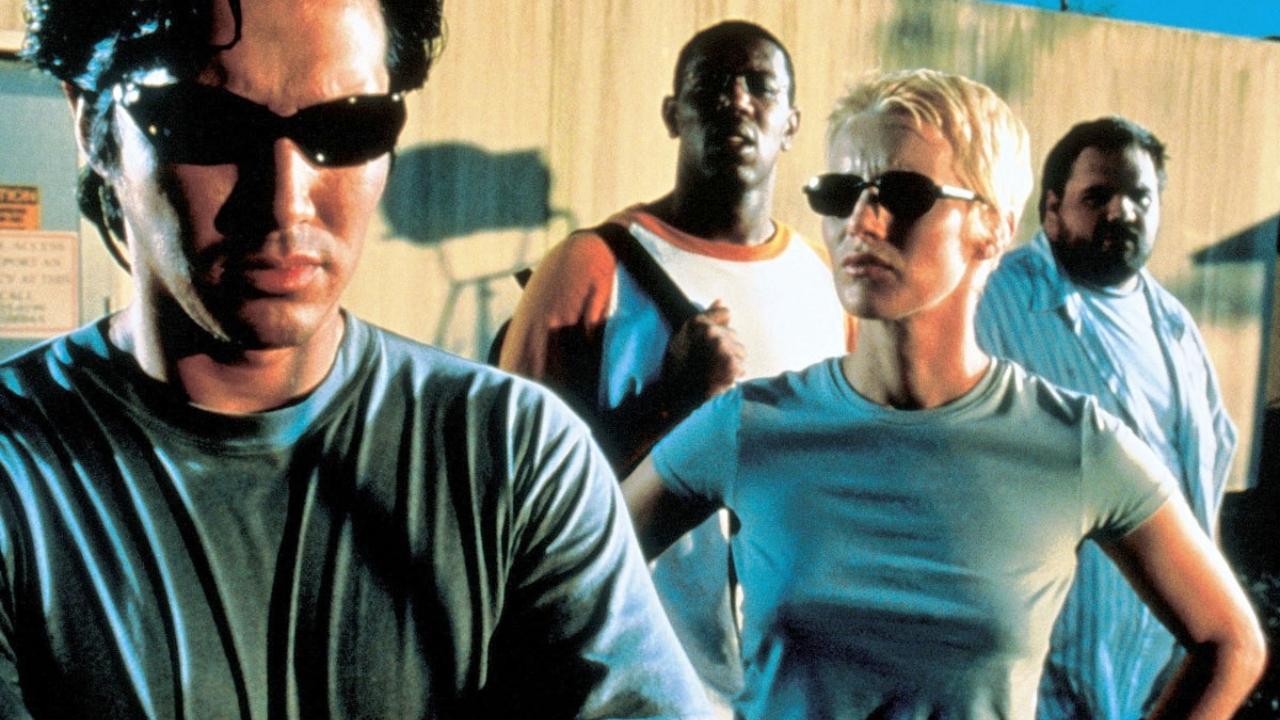
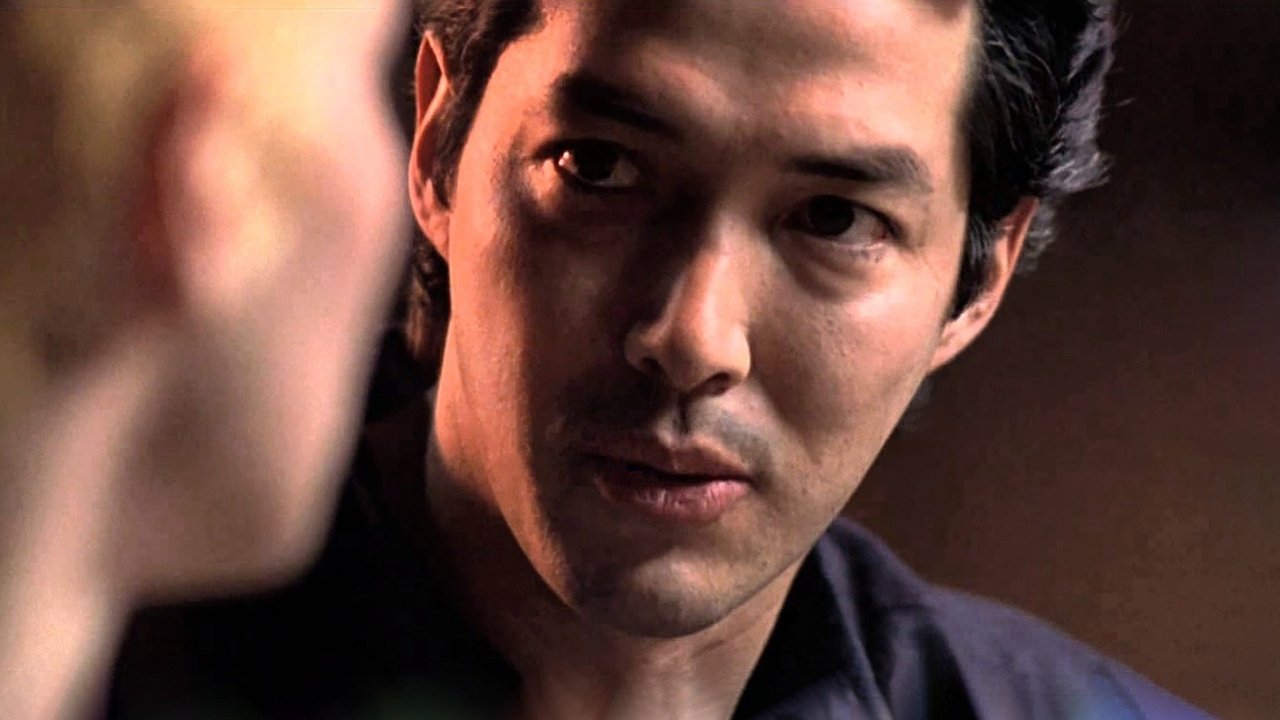
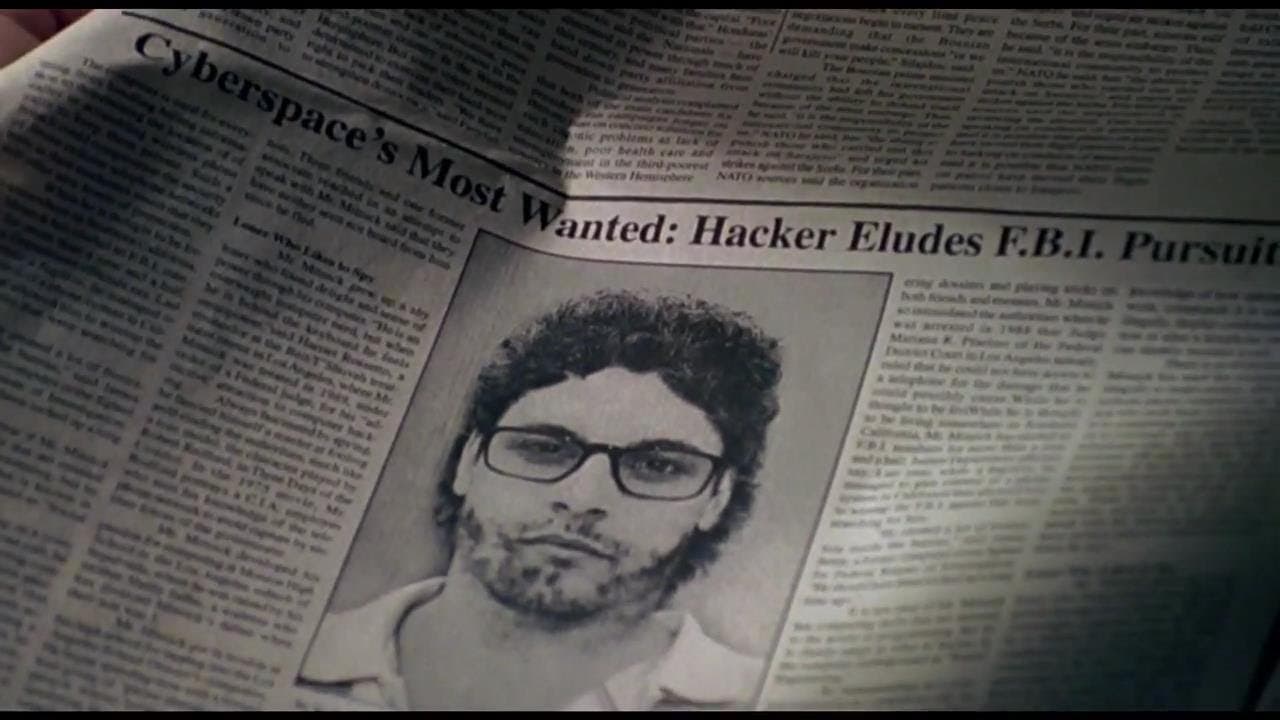
Based, somewhat loosely and controversially, on the non-fiction book by computer security expert Tsutomu Shimomura and journalist John Markoff, Takedown chronicles the dogged pursuit of legendary hacker Kevin Mitnick. Here, Mitnick, played by Skeet Ulrich, is painted as a slippery digital phantom, constantly evading capture while taunting authorities and corporations, driven by ego and intellectual curiosity rather than pure malice. On his trail is Shimomura (Russell Wong), the stoic security guru whose own systems are breached, turning the hunt intensely personal. What follows is a cat-and-mouse game played out across phone lines, nascent networks, and the dimly lit server rooms that formed the hidden infrastructure of the burgeoning internet age. The plot isn't revolutionary – genius criminal, relentless pursuer – but its backdrop felt frighteningly contemporary upon release.
Casting the Net
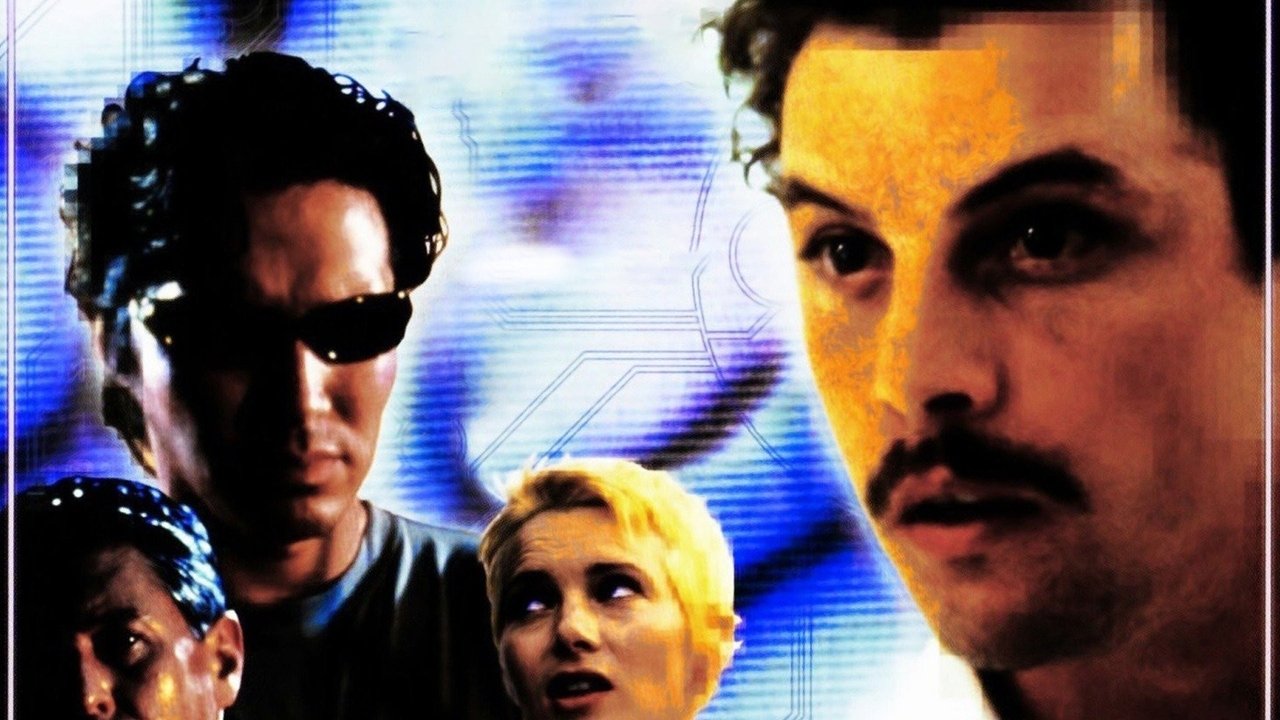
Skeet Ulrich, still riding the wave of his late-90s teen heartthrob status from films like Scream (1996) and The Craft (1996), steps into the complex shoes of Mitnick. It's an interesting casting choice. Ulrich imbues Mitnick with a certain restless energy and a palpable intelligence, but the script often reduces the character to familiar hacker tropes – socially awkward, compulsively driven, slightly arrogant. It’s a decent performance, but one perhaps hampered by a screenplay aiming for thriller conventions over nuanced character study. Russell Wong brings a necessary gravitas to Shimomura, the focused counterpoint to Mitnick's chaotic energy. Their dynamic forms the core of the film, even if the dialogue sometimes feels functional rather than inspired. Angela Featherstone also appears, adding another layer to the chase, though her character feels somewhat underutilized amidst the central conflict.
Behind the Dial-Up Drama
The story behind Takedown is almost as tangled as the phone lines Mitnick supposedly navigated. Filmed closer to 1998, its journey to the screen was sluggish, ultimately bypassing a US theatrical run for a direct-to-video/DVD release in 2000. This lack of studio confidence perhaps hints at the film's niche appeal or perceived flaws. More significantly, the film’s source material and portrayal of events were heavily contested by Kevin Mitnick himself. He famously decried the book and subsequent film adaptation as largely fictionalized and biased, presenting Shimomura as the unquestioned hero and Mitnick as a more malicious figure than he claimed to be. This controversy adds a fascinating, albeit uncomfortable, layer to watching it today. It becomes not just a thriller, but a piece of disputed history, a narrative shaped by the victors – or at least, the ones who got their book published first. Director Joe Chappelle, who previously gave us the divisive Halloween: The Curse of Michael Myers (1995), handles the material capably, maintaining a decent level of tension, particularly in the scenes depicting the technical aspects of the pursuit.
Pixels and Paranoia
Watching Takedown now is an exercise in technological time travel. The chunky beige computer towers, the low-res graphical interfaces, the very concept of tracing calls via physical switches – it all screams late-90s/early-Y2K. Does the hacking look realistic? Probably not by today's standards, often visualized through rapidly scrolling text and abstract digital landscapes. But back then? It tapped into the mystery surrounding this new digital frontier. The film effectively conveys the feeling of intrusion, the vulnerability of networked systems that seemed so abstract to the average person. Remember that vague Y2K dread, the worry that unseen bugs could crash everything from traffic lights to bank accounts? Takedown plays within that sandbox of paranoia, even if its focus is more on espionage than apocalyptic system failure. The score often opts for pulsing synths and tense staccato notes, effectively underscoring the chase sequences and the moments of digital infiltration.
The Final Connection
Takedown isn't a forgotten masterpiece, nor is it a truly "so bad it's good" camp classic. It sits in that interesting middle ground: a competently made, if slightly generic, tech-thriller that serves as a fascinating time capsule of turn-of-the-millennium anxieties and the early days of cyber-celebrity (or notoriety). Its connection to a real, controversial figure gives it an edge, prompting questions about narrative truth even as you're caught up in the chase. For those who remember the distinct sound of a modem handshake or felt that specific Y2K buzz, it offers a nostalgic, if slightly unsettling, trip back.
Rating: 6/10
The score reflects a film that achieves its modest goals as a direct-to-video thriller, capably directed and acted, particularly by Ulrich and Wong. It captures a specific moment in tech history and paranoia, even if the script leans on tropes and the hacking depiction is dated. The real-life controversy adds intrigue, but doesn't elevate it to must-see status. It's a solid rental for a rainy night, especially if you remember when "cyberspace" still felt like uncharted territory. It remains a curious artifact from the dawn of the digital age we now inhabit, a reminder of when the ghosts in the machine first started to feel truly real.