Okay, dust off that VCR head cleaner and settle in. We're diving into a strange, stylish creature from the twilight of the VHS era today: Po-Chih Leong's 1998 film known sometimes as Immortality, but perhaps more evocatively titled The Wisdom of Crocodiles. This isn't your typical late-90s rental fodder; it’s a film that wraps its chilling premise in a cloak of melancholic romance, leaving you with a lingering unease rather than outright jump scares. It arrived just as DVDs were starting their march, but for many of us, our first encounter likely involved rewinding a tape, perhaps catching it on a late-night movie channel, drawn in by a young, impossibly charismatic Jude Law.
A Different Kind of Hunger
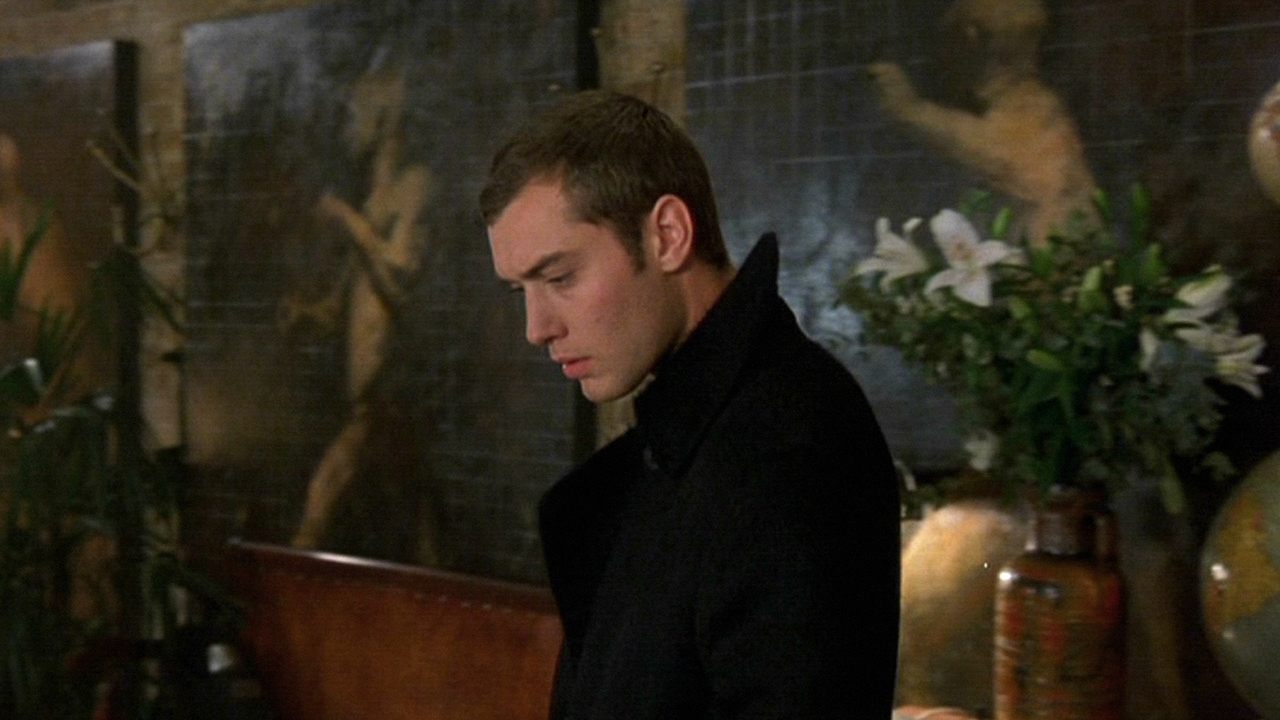
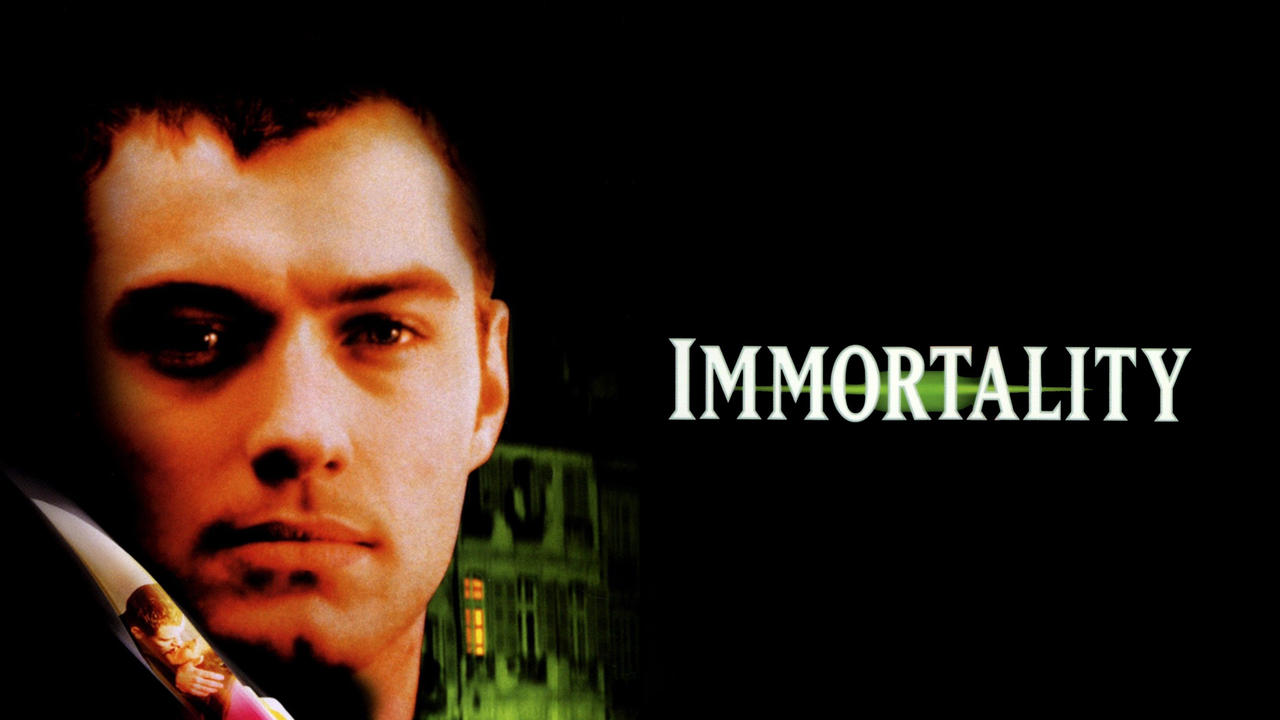
What immediately sets this film apart is its peculiar, almost poetic take on vampirism. Forget capes and coffins. Jude Law, in a role that truly signalled his burgeoning star power beyond films like Gattaca (1997), plays Steven Grlscz. He's handsome, intelligent, seemingly compassionate – the kind of man who seems too perfect. But Steven harbours a fatal secret: to survive, he must absorb the essence, the very love, of women who fall deeply for him. It’s a process that inevitably kills them, leaving him filled with a temporary vitality and, as the UK title suggests, a crocodile's sorrow for the life he's taken. The film doesn't rely on gore; its horror lies in the emotional devastation and the chilling intimacy of Steven's deadly need. Doesn't this twist the familiar vampire trope into something far more unsettling – a parasite who feeds not on blood, but on connection itself?
Director Po-Chih Leong, primarily known for his work in Hong Kong cinema (Hong Kong 1941 (1984)), brings a distinct visual flair to the London setting. The city is presented not as bustling metropolis, but as a series of rain-slicked streets, lonely flats, and dimly lit spaces that perfectly mirror Steven’s internal landscape. There's a patience to the direction, a willingness to let scenes breathe and allow the atmosphere to seep in. It’s a film more concerned with mood and character than breakneck plotting, which might have tested the patience of some viewers back in '98, especially if they picked up the box expecting a straightforward thriller.
A Triangle of Intrigue
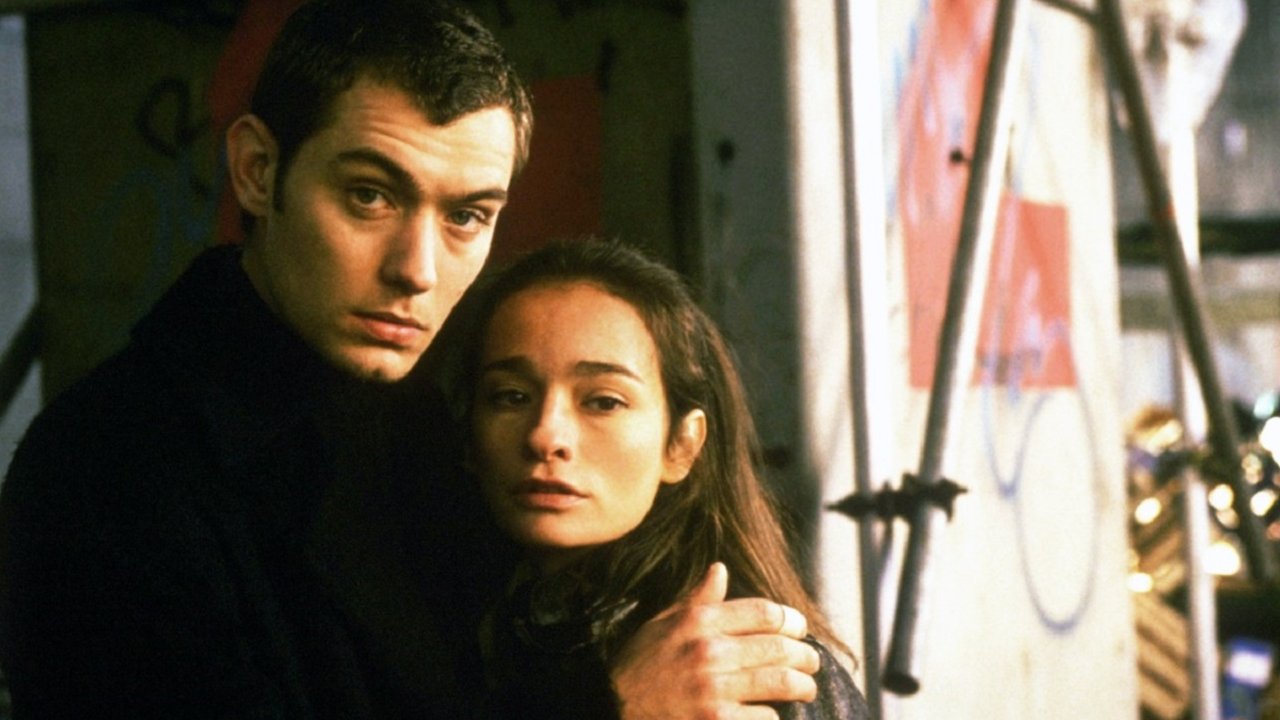
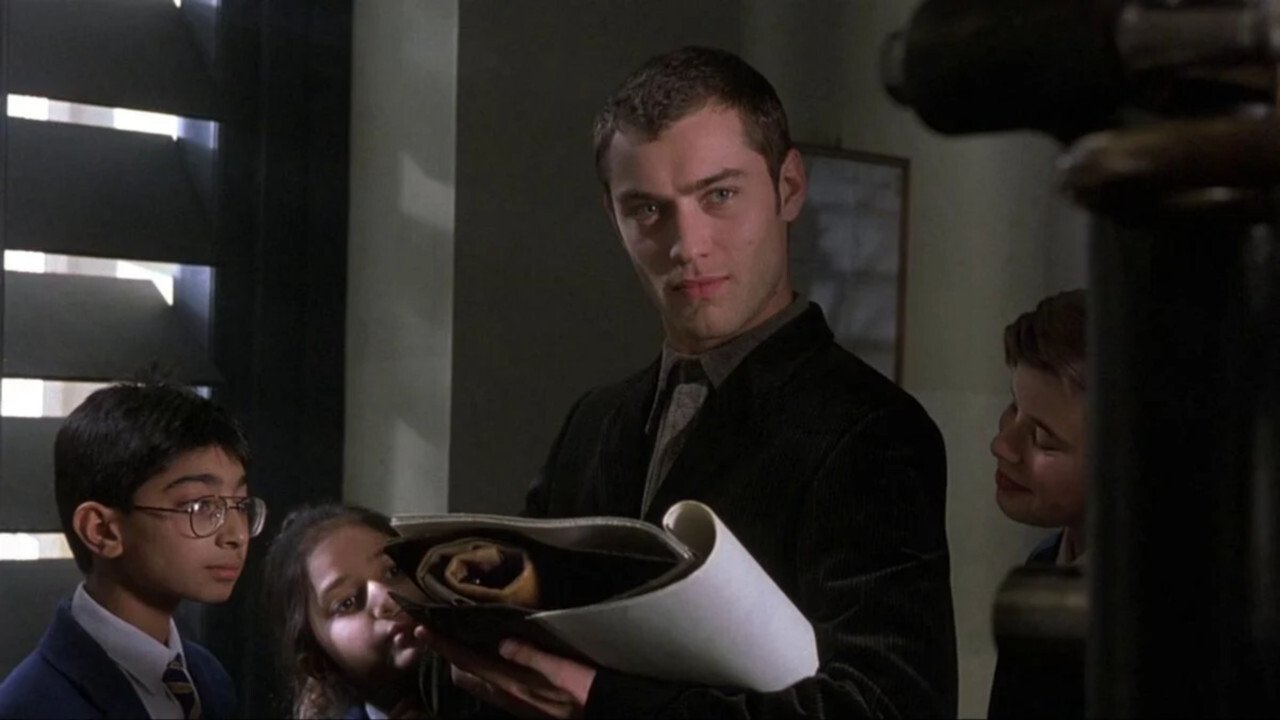
At the heart of the film is the magnetic, yet deeply unsettling performance from Jude Law. He perfectly embodies Steven's duality – the surface charm that masks a desperate predator. You understand why women are drawn to him, even as you, the viewer, are privy to his monstrous nature. It’s a complex portrayal that avoids easy categorization; he's not simply evil, but seemingly cursed by his condition, wrestling with a loneliness only profound connection can alleviate, yet destined to destroy that very connection. This role felt like a significant step, showcasing a depth and darkness that would serve him well in later films like The Talented Mr. Ripley (1999).
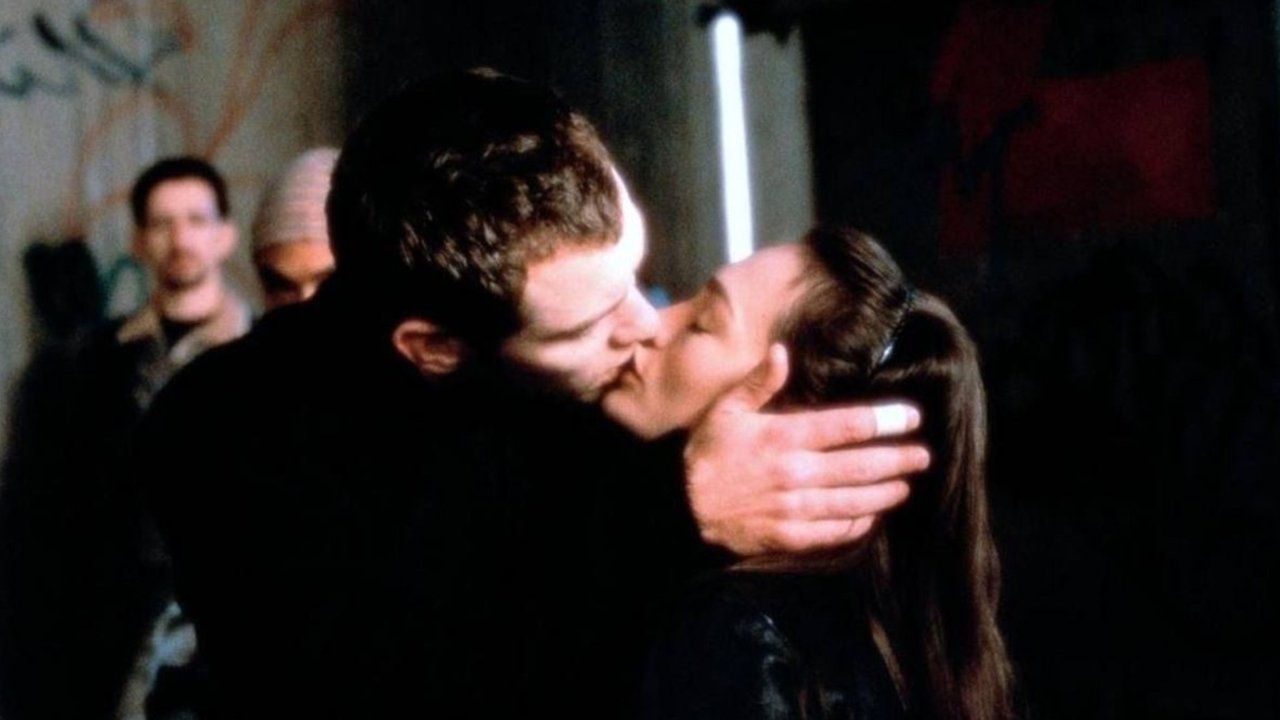
Opposite him, Elina Löwensohn (familiar to indie film fans from Hal Hartley’s work) plays Anne Levels, an engineer who becomes Steven's next object of affection, and potentially, his victim. Löwensohn brings a grounded intelligence and vulnerability to Anne. She's not a naive damsel; she's smart, capable, and initially cautious, which makes her gradual surrender to Steven's charm all the more compelling and tragic. Their relationship forms the emotional core, forcing us to question the nature of love, sacrifice, and whether genuine feeling can exist within such a predatory dynamic.
And then there's Timothy Spall, playing the dogged Inspector Healey. Long before his memorable turn in the Harry Potter series, Spall was already a master of portraying weary, believable working-class characters, often seen in Mike Leigh's films like Secrets & Lies (1996). As Healey, he’s the rumpled, persistent force of normalcy investigating the string of mysterious deaths linked to Steven. He provides a crucial counterpoint to the film's more ethereal, romantic elements, grounding the narrative in a procedural reality that slowly closes in on our charismatic killer. His scenes offer a different kind of tension – the quiet click of clues falling into place.
Whispers from the Production
Finding concrete box office numbers for a smaller, late-90s British film like this can be tricky, but The Wisdom of Crocodiles (its original UK title, often swapped for the more direct Immortality for the US VHS market – a common practice we remember well!) operated on a relatively modest budget, estimated around £3 million. It wasn't destined for blockbuster status but found its audience among those seeking something different, earning accolades like Best Film at the Gérardmer Film Festival. The title itself, reportedly referencing the notion that crocodiles weep after devouring their prey, perfectly encapsulates Steven’s predatory grief. It’s details like this, the blending of Po-Chih Leong's Hong Kong sensibility with a distinctly British moodiness, and the film’s philosophical approach to a genre staple, that make it stand out from the pack. It felt less like a creature feature and more like a dark fable playing out on the streets of London.
Lingering Questions in the Static
Watching Immortality / The Wisdom of Crocodiles today evokes a specific kind of late-90s nostalgia – a time when indie cinema was exploring darker, more ambiguous themes, often with a stylish veneer. It sits strangely on the shelf, perhaps next to bigger vampire hits like Blade (1998), offering a quieter, more introspective experience. Does its deliberate pace hold up? For those seeking action, perhaps not. But for viewers who appreciate atmosphere, strong performances, and a narrative that poses uncomfortable questions about love and survival, it remains a compelling curiosity.
The film doesn't offer easy answers. It leaves you contemplating Steven's nature – is he capable of genuine love, or is it merely the lure he uses? What does Anne truly see in him? The ending, which we won't spoil here, maintains this ambiguity. It’s a film that lingers, much like the melancholic mood it cultivates.
Rating: 7/10
Justification: Immortality (or The Wisdom of Crocodiles) earns a solid 7 for its potent atmosphere, Jude Law's captivating central performance, and its genuinely unique, thought-provoking take on the vampire mythos. Po-Chih Leong's stylish direction and the strong supporting turns from Elina Löwensohn and Timothy Spall elevate the material significantly. It loses a few points for pacing that can feel slow in places and a narrative that might leave some viewers wanting more concrete resolutions. However, its blend of romance, thriller, and philosophical horror creates a distinctive and memorable experience, especially for fans of moody, character-driven genre films from the period.
Final Thought: A stylish, melancholic gem that uses vampirism not for shocks, but to explore the darker, more desperate facets of love and loneliness – a haunting echo from the end of the analogue age.