Some productions simmer with tension behind the camera. Others positively boil, the friction between volatile talents threatening to combust right through the screen. Then there's Venom (1981), a film where the off-screen animosity between stars Klaus Kinski and Oliver Reed became almost as legendary as the deadly reptile slithering through its plot. Watching it again, decades later, that palpable human tension feels almost as dangerous as the black mamba itself, adding a strange, uncomfortable layer to this claustrophobic British thriller.
Trapped with Beasts, Human and Otherwise
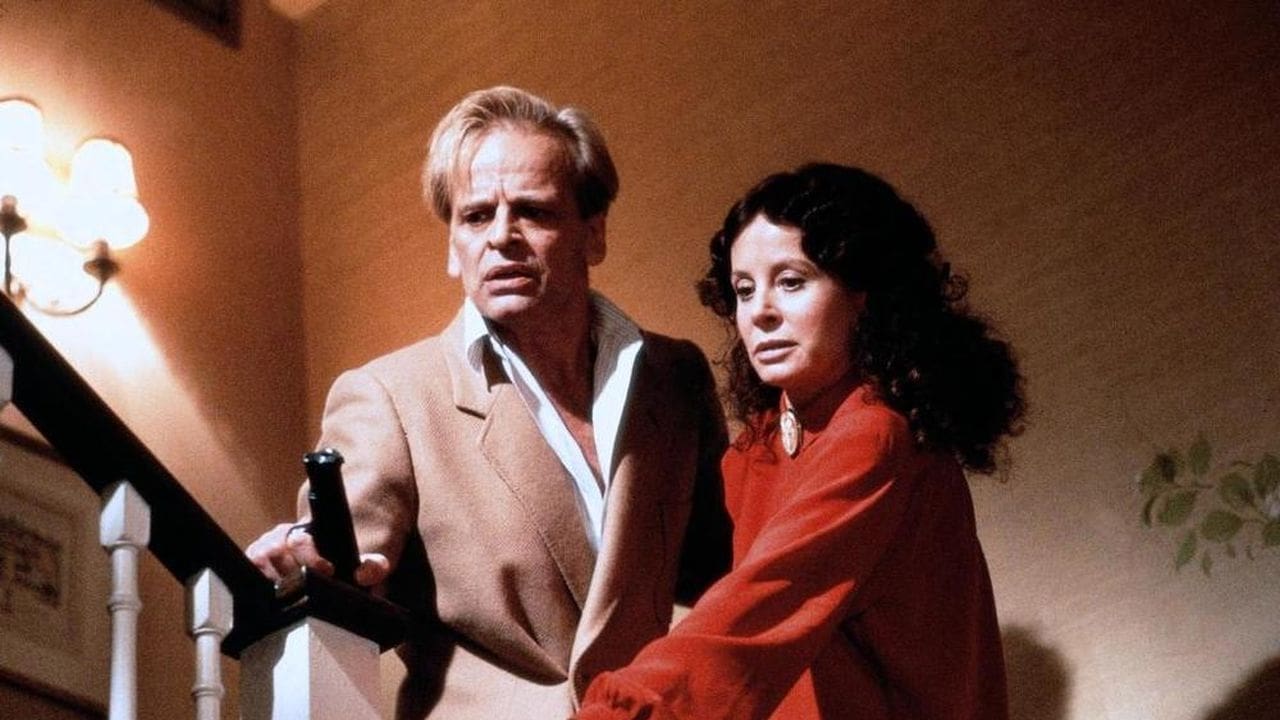
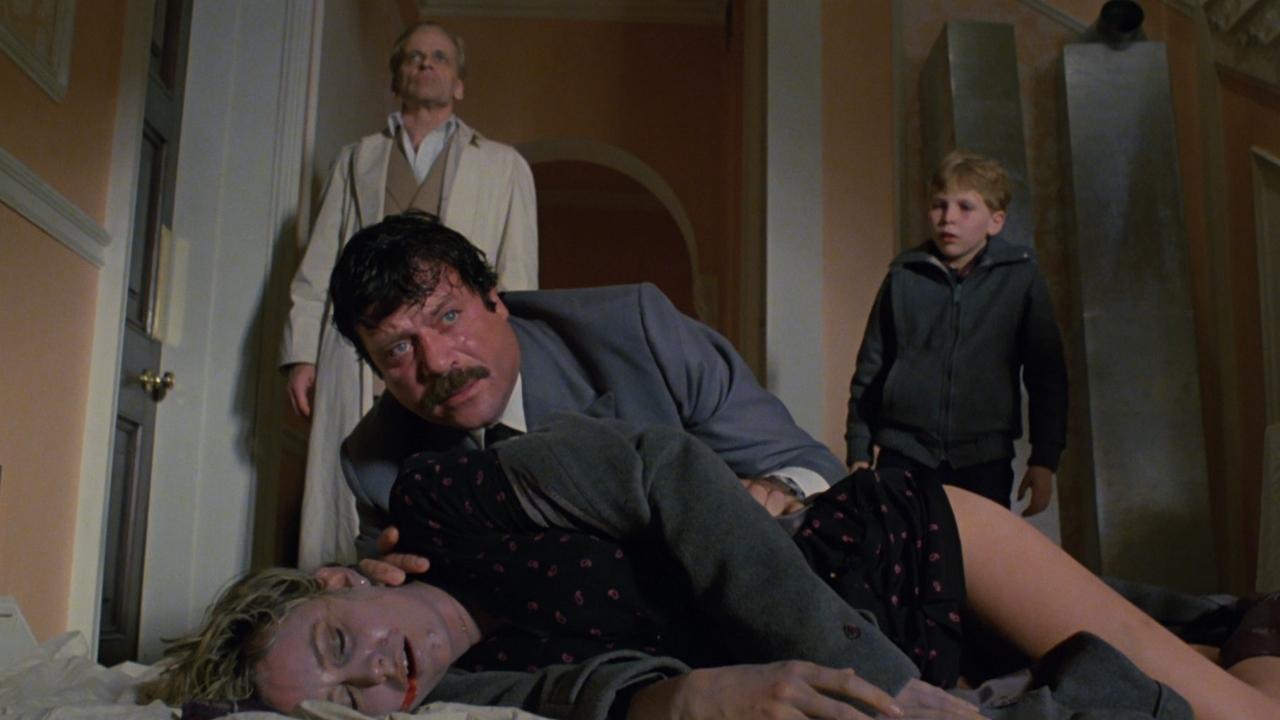
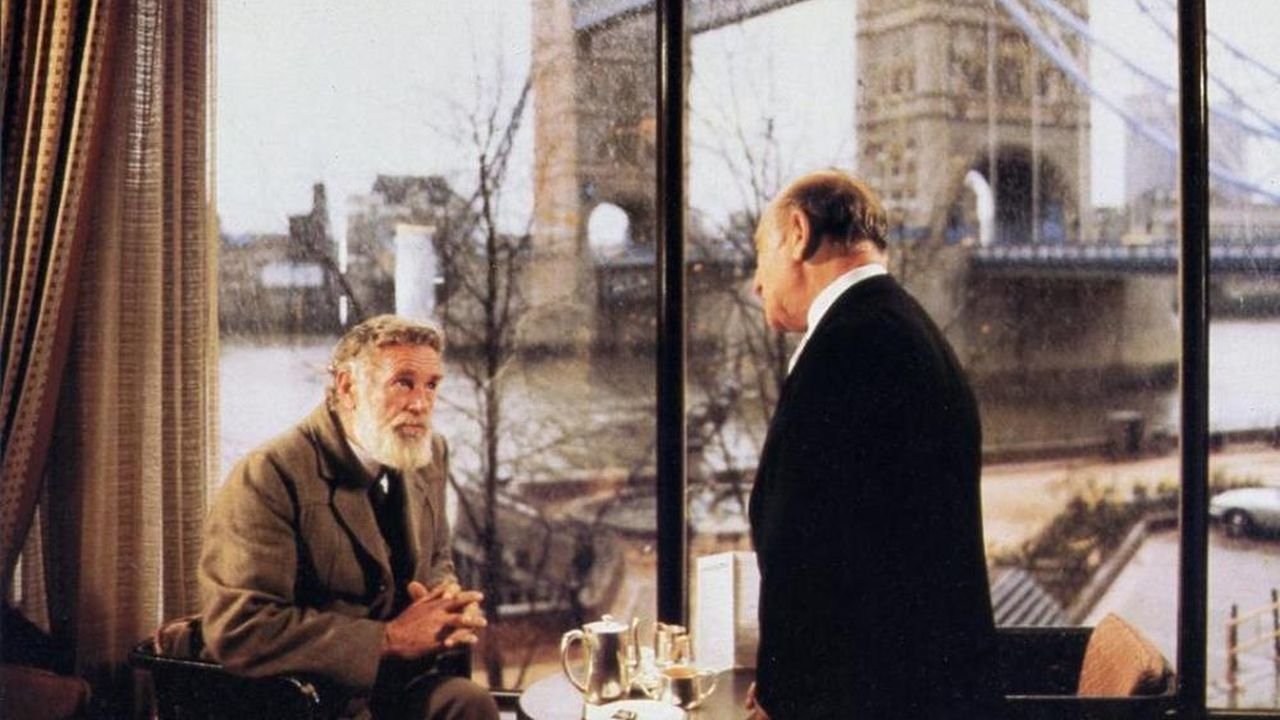
The setup is pure pulp efficiency: a bungled kidnapping attempt traps international terrorists (led by the icily intense Kinski and Reed's simmering brute), their wealthy young target, his grandfather (Sterling Hayden in his final film role), and his panicked mother (Susan George) inside a besieged London townhouse. Complicating matters immensely is a package mix-up that accidentally introduces perhaps the world's deadliest snake – a black mamba – into their confined space. Outside, Nicol Williamson’s world-weary police commander orchestrates a standoff, unaware of the serpentine horror unfolding within.
What follows is less a traditional creature feature rampage and more a slow-burn siege film where the pressure cooker environment is constantly threatening to explode, either from Kinski’s cold psychopathy, Reed’s barely contained rage, or the lightning-fast strikes of the unseen snake. Director Piers Haggard (The Blood on Satan's Claw), who famously replaced Tobe Hooper (The Texas Chain Saw Massacre) just days into shooting, masterfully uses the confines of the elegant, yet increasingly suffocating, townhouse set. Every shadow seems poised to move, every vent a potential hiding place. Remember how those enclosed spaces felt on a grainy VHS tape viewed late at night? Venom taps directly into that primal fear of something lethal sharing your immediate, inescapable environment.
Legends of Acrimony and Reptilian Wrangling
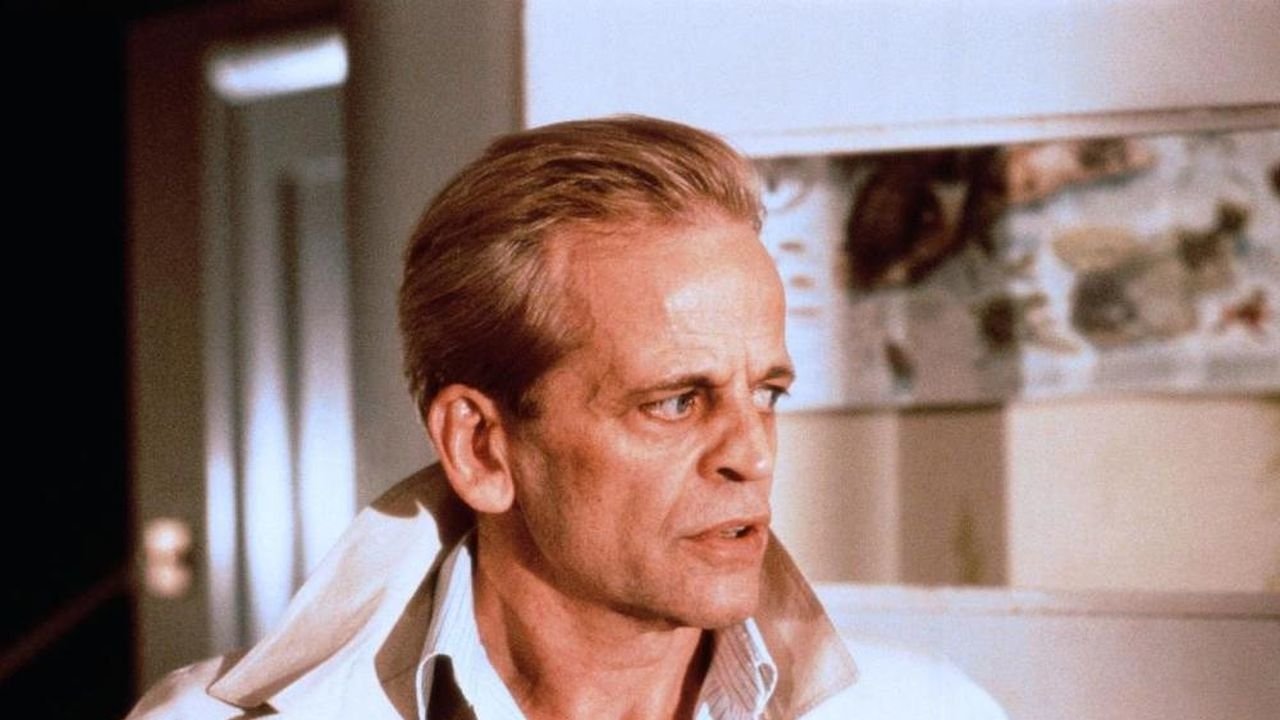
You simply can't discuss Venom without acknowledging the toxic cloud that hung over its production. Stories of Kinski and Reed’s mutual loathing are legion. Reportedly, their arguments were frequent, vicious, and nearly came to blows multiple times. Reed, never one to shy away from confrontation (or a drink), apparently found Kinski’s intense, often eccentric behaviour intolerable, while Kinski dismissed Reed as a drunken lout. Their shared scenes crackle with a genuine animosity that no amount of acting could fully replicate. Does that friction help the film? In a perverse way, perhaps it does, grounding the outlandish scenario with raw, unpleasant human conflict. It certainly makes their characters’ desperate alliance feel even more precarious.
The other star, of course, is the mamba. Achieving believable serpentine scares in the pre-CGI era was always a challenge. Venom employs a mix of real snakes (handled by experts, thankfully – black mambas are no joke) and practical, mechanical models. While some shots of the prop snake might look a bit stiff today, back on a flickering CRT screen, the quick cuts and Haggard's clever framing often made it genuinely unnerving. The sheer idea of that creature loose in the vents, under floorboards, waiting... it’s potent nightmare fuel. There's a certain grim satisfaction in knowing the production wrestled with these effects, battling mechanical failures and the inherent difficulty of directing reptiles, mirroring the characters' desperate struggle within the narrative.
A Nasty Little Bite of Early 80s Dread
Venom isn't a perfect film. The pacing occasionally drags between the moments of high tension, and some character motivations feel thin. Yet, it possesses a distinctively grim, early-80s British sensibility – less reliant on jump scares, more focused on sustained dread and the unpleasantness of the situation. The score effectively underscores the rising panic, and the cinematography keeps things tight and claustrophobic. Williamson brings a welcome gravitas as the cop trying to manage the chaos, a calm center amidst the storm of Kinski, Reed, and the snake.
It’s a film that likely found its true home on video store shelves, its striking cover art promising a creature feature nightmare. I distinctly remember the stark black box with the fanged serpent catching my eye in the horror aisle, nestled between gialli and slashers. Renting it delivered a different kind of chill – less gore, more creeping anxiety and the uncomfortable spectacle of watching acting titans barely tolerate sharing the same frame. Did that final twist genuinely catch you off guard back then? It’s a nasty little stinger, fitting for a film simmering with such ill will.
The Verdict
Venom is a fascinating artifact – a tense, if sometimes uneven, siege thriller amplified by its potent casting and the legendary friction behind the scenes. It successfully weaponizes claustrophobia and the primal fear of snakes, delivering moments of genuine unease bolstered by committed (if antagonistic) performances. While not a top-tier classic of the genre, its unique blend of star power, serpentine horror, and palpable tension makes it a memorable slice of early 80s nastiness.
Rating: 7/10
Justification: The film scores points for its powerhouse (if volatile) cast, genuinely claustrophobic atmosphere, and effective build-up of tension. The behind-the-scenes drama adds a layer of morbid fascination. It loses points for slightly uneven pacing and practical effects that, while admirable for the era, haven't aged perfectly. However, its overall effectiveness as a grim, slow-burn thriller warrants a solid score.
Final Thought: More infamous for the Kinski/Reed feud than its box office returns (a modest success at best), Venom remains a potent little chiller, a reminder that sometimes the most dangerous venom isn't from the snake, but from the humans trapped alongside it. A worthwhile dig through the dusty VHS crates.