Alright, fellow travelers through time and tape, dim the lights, maybe adjust the tracking just a hair, and let's talk about a film that haunted the late-night cable schedules and video store shelves like a seductive phantom: 1995's Embrace of the Vampire. This wasn't your blockbuster spectacle; this was the kind of tape you might have grabbed on a whim, drawn in by the evocative cover art and a familiar face taking a daring turn.
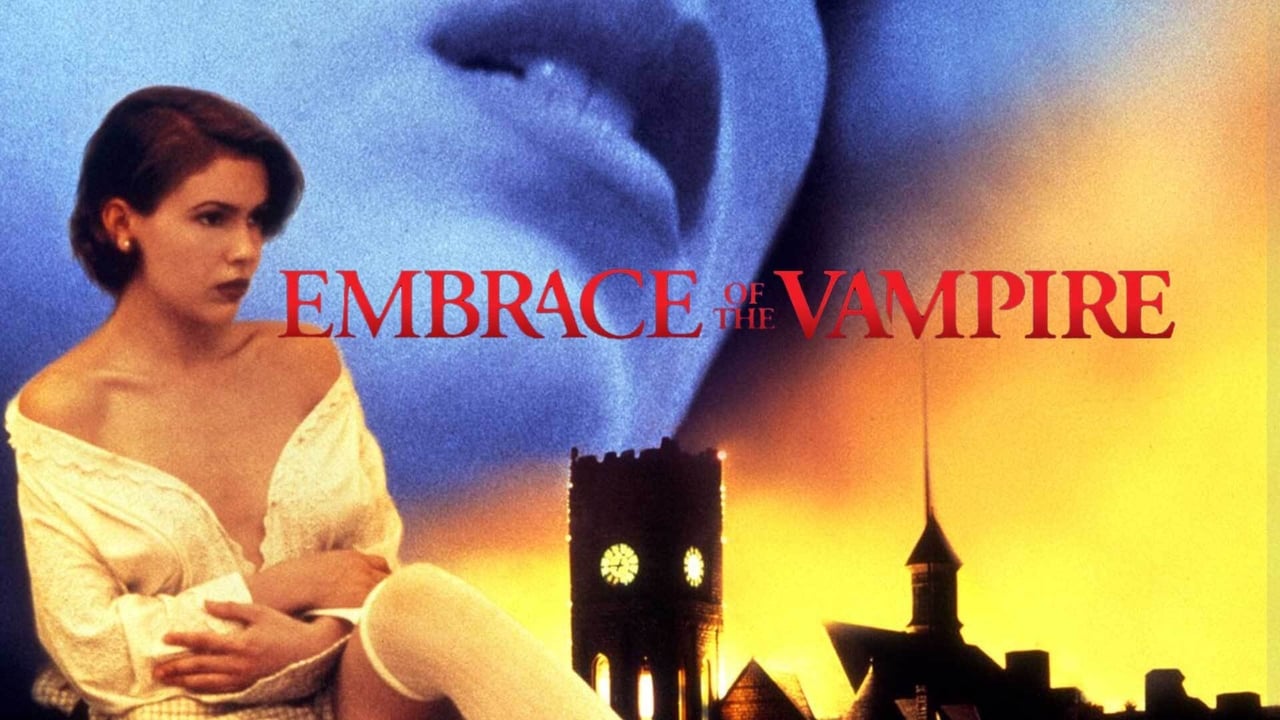
This film arrived in that interesting mid-90s pocket where the gothic romance of Bram Stoker's Dracula (1992) and Interview with the Vampire (1994) was still lingering in the air, but the glossier, teen-focused wave hadn't quite crested yet. Embrace carved out its niche, blending burgeoning sexuality with supernatural chills, aimed squarely at an older audience browsing the "Horror" or maybe even the "Thriller" section after dark. It felt… intimate, perhaps a little forbidden, perfect for a solo late-night watch on a flickering CRT.
Campus Chills and Crimson Dreams
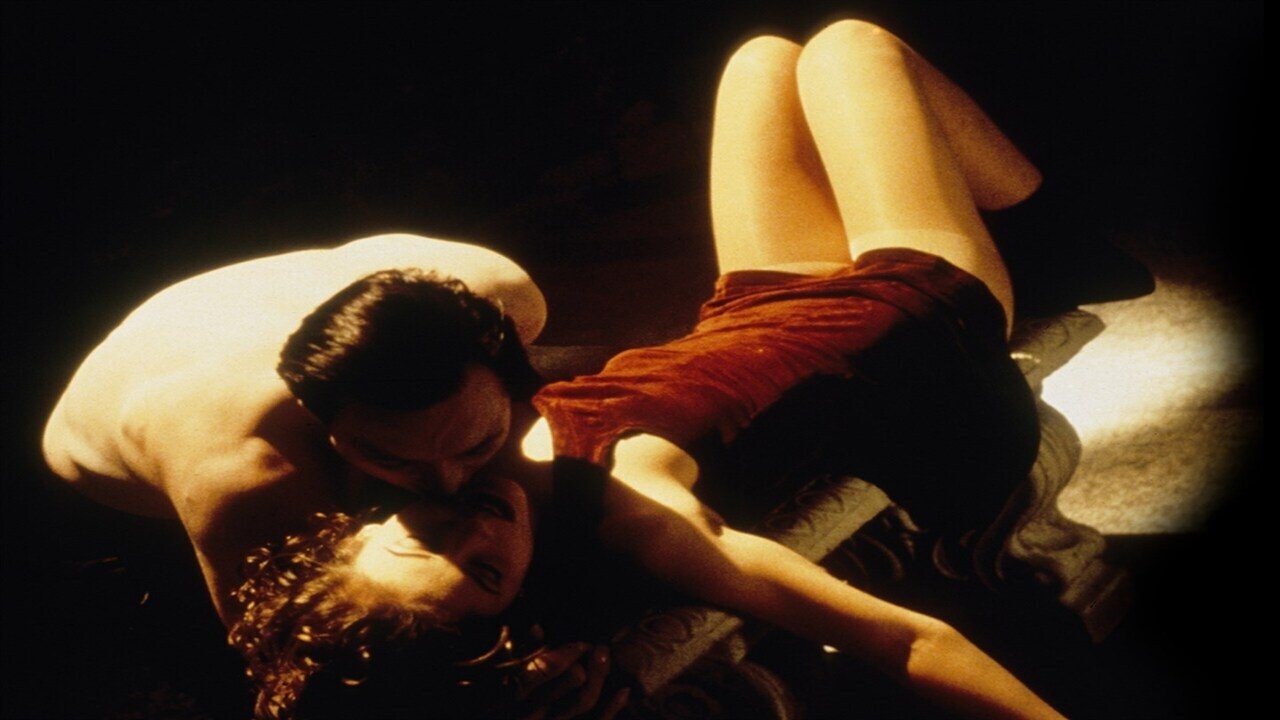
The setup is classic moody horror: Charlotte (Alyssa Milano), a virtuous college student on the cusp of her birthday, starts experiencing intensely erotic and increasingly disturbing dreams involving a mysterious, centuries-old vampire (Martin Kemp). Is he just a figment of her repressed desires, or is a genuine creature of the night trying to claim her soul before she commits fully to her wholesome, slightly clueless boyfriend, Chris (Harrison Pruett)? The film plays effectively with this ambiguity, wrapping Charlotte's sexual awakening in layers of gothic dread and shadowy encounters.
Milano Takes the Plunge
Let's be honest, a big part of the film's initial draw – and enduring notoriety – was Alyssa Milano. Fresh off the wholesome sitcom success of Who's the Boss?, seeing her dive headfirst into such a mature, explicitly sensual, and often vulnerable role was a genuine shock to the system for many viewers back in '95. It was a bold move, and Milano commits fully, carrying the film's emotional and atmospheric weight. She sells Charlotte's confusion, terror, and burgeoning sensuality, making the character's internal struggle the real core of the narrative. It wasn't just a role; it felt like a deliberate shedding of a past image, something discussed quite a bit at the time.
Opposite her, Martin Kemp, known to many as the bassist for the iconic New Wave band Spandau Ballet and for his chilling performance in The Krays (1990), brings a certain suave, dangerous energy to the titular Vampire. He's less monstrous beast, more hypnotic seducer, relying on intense stares and whispered temptations. It's a performance that leans into the archetype, fitting the film's dreamlike, almost allegorical tone.
An Editor's Eye for Atmosphere
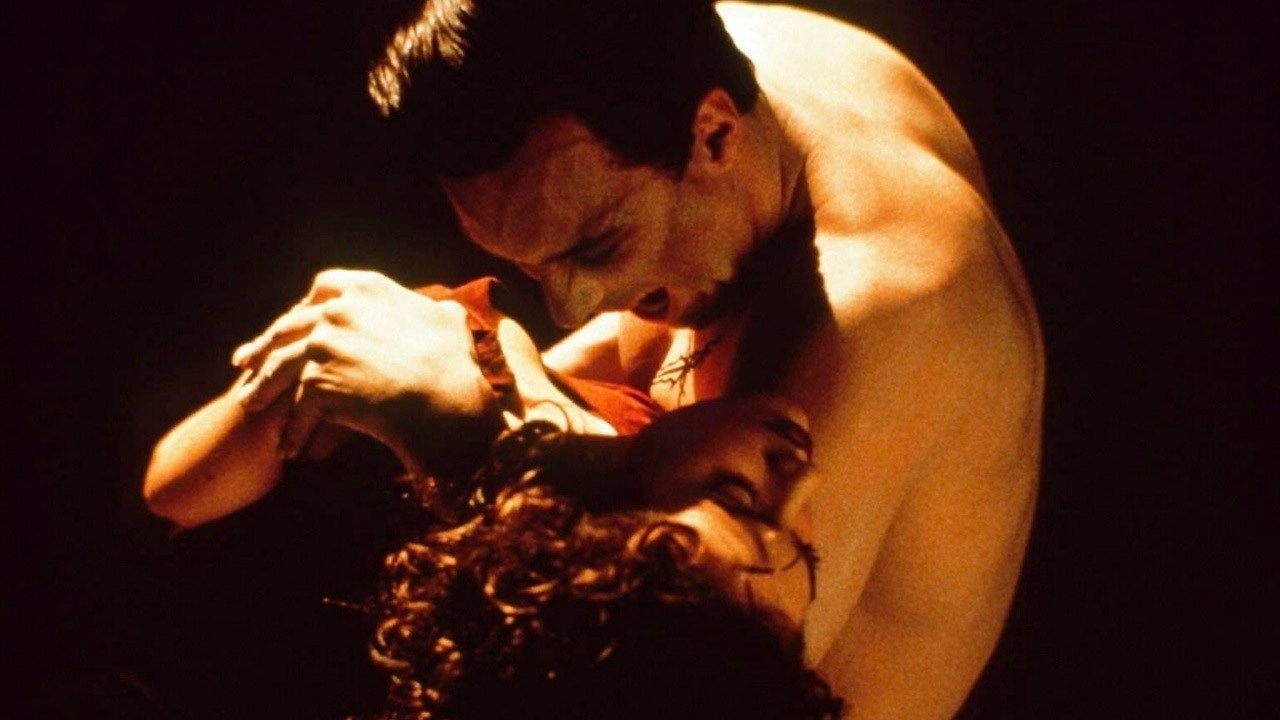
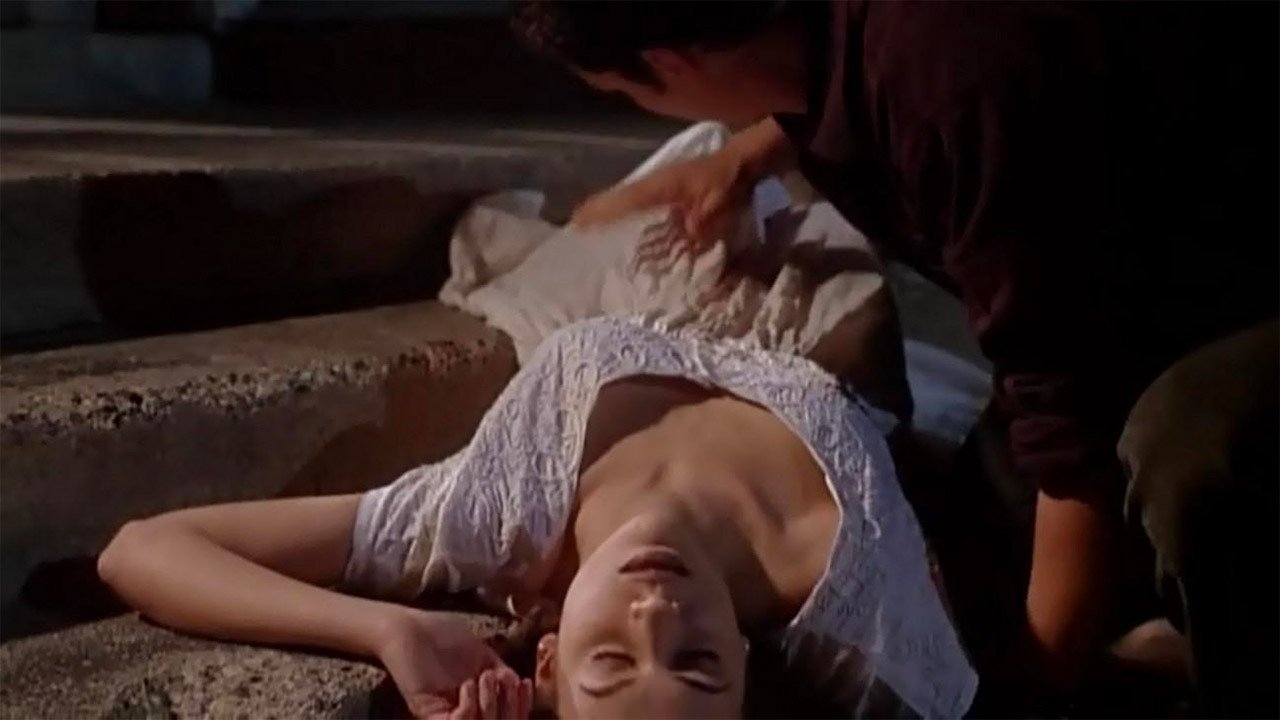
What elevates Embrace of the Vampire above standard direct-to-video fare is the sure hand of its director, Anne Goursaud. This is fascinating because Goursaud wasn't some genre journeyman; she was a highly respected film editor, known for her work on Francis Ford Coppola's productions like The Outsiders (1983) and, perhaps most relevantly, Bram Stoker's Dracula. You can feel that editor's sensibility here. The film prioritizes mood, pacing, and evocative imagery over explicit gore or complex action. Scenes transition with a fluid, sometimes disorienting quality that mirrors Charlotte's mental state. Goursaud uses shadows, soft focus, and a rich colour palette (lots of deep reds and blues, naturally) to create a heightened, sensual reality. The low budget (reportedly around $1 million – a modest sum even then, maybe around $2 million today) is masked effectively by smart visual choices focusing on atmosphere over expensive set pieces. It wasn’t trying to compete with the A-list spectacle, but rather create its own intimate, hypnotic space.
Remember how certain VHS-era films just felt different? The slightly softer image quality, the way the shadows seemed deeper? Embrace of the Vampire is one of those films where the medium almost enhanced the mood. The dream sequences, already hazy and stylized, gained an extra layer of otherworldliness viewed through the warm fuzz of magnetic tape. There are no grand CGI transformations here; the horror relies on suggestion, performance, and that palpable sense of erotic danger, which felt surprisingly potent back then.
A Cult Following Whispered in the Dark
Produced by New Horizons Pictures (often associated with the legendary Roger Corman, a master of low-budget success), Embrace knew its audience. It wasn't aiming for critical acclaim – and certainly didn't get much initially – but found its life on home video and late-night cable, becoming something of a cult favorite, particularly among fans of gothic romance and those intrigued by Milano's performance. It even spawned a much later, unrelated remake in 2013, proving the original's quiet persistence. Its blend of college anxieties, sexual exploration, and vampire lore struck a specific chord that still resonates with some viewers. Was it high art? No. But was it an effective, atmospheric mood piece that perfectly captured a certain niche of 90s genre filmmaking? Absolutely.
***
VHS Heaven Rating: 6.5 / 10
The Score Explained: Embrace of the Vampire earns its points for Anne Goursaud's strong directorial mood, Alyssa Milano's committed and brave performance, and its effective creation of a sensual, dreamlike atmosphere on a clear budget. It successfully blends erotic thriller elements with gothic horror tropes. Points are deducted for a somewhat predictable plot, occasionally stilted supporting performances, and dialogue that sometimes dips into cliché. It's very much a product of its time and DTV origins, but a well-crafted one within those constraints.
Final Thought: More seductive whisper than terrifying roar, Embrace of the Vampire is a quintessential artifact of the 90s video store era – atmospheric, daring for its star, and proof that sometimes the most haunting tales were the ones waiting in the shadows of the "New Releases" wall. It might feel dated now, but its specific moody charm still holds a curious allure.