The silence is the first thing that gets you. Not just the absence of sound, but the weight of it, pressing down as Marina Zudina’s wide eyes dart around a cavernous, unfamiliar Moscow film studio after hours. In Mute Witness (1995), that silence isn't golden; it's the suffocating blanket thrown over a scream you can't unleash, the terrifying vulnerability of seeing something you absolutely shouldn't have, and having no voice to cry for help. This isn't just a gimmick; it's the chilling core of one of the 90s' most effective and tragically underseen thrillers.

### Trapped Behind the Lens
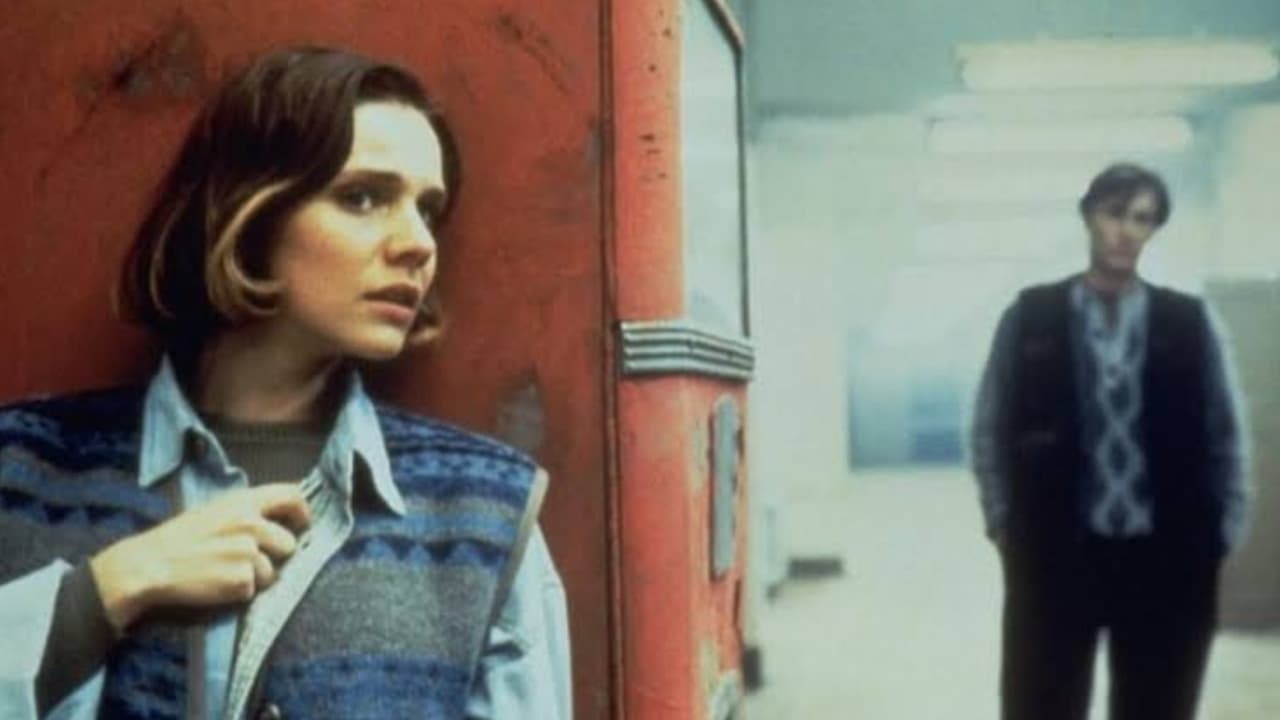
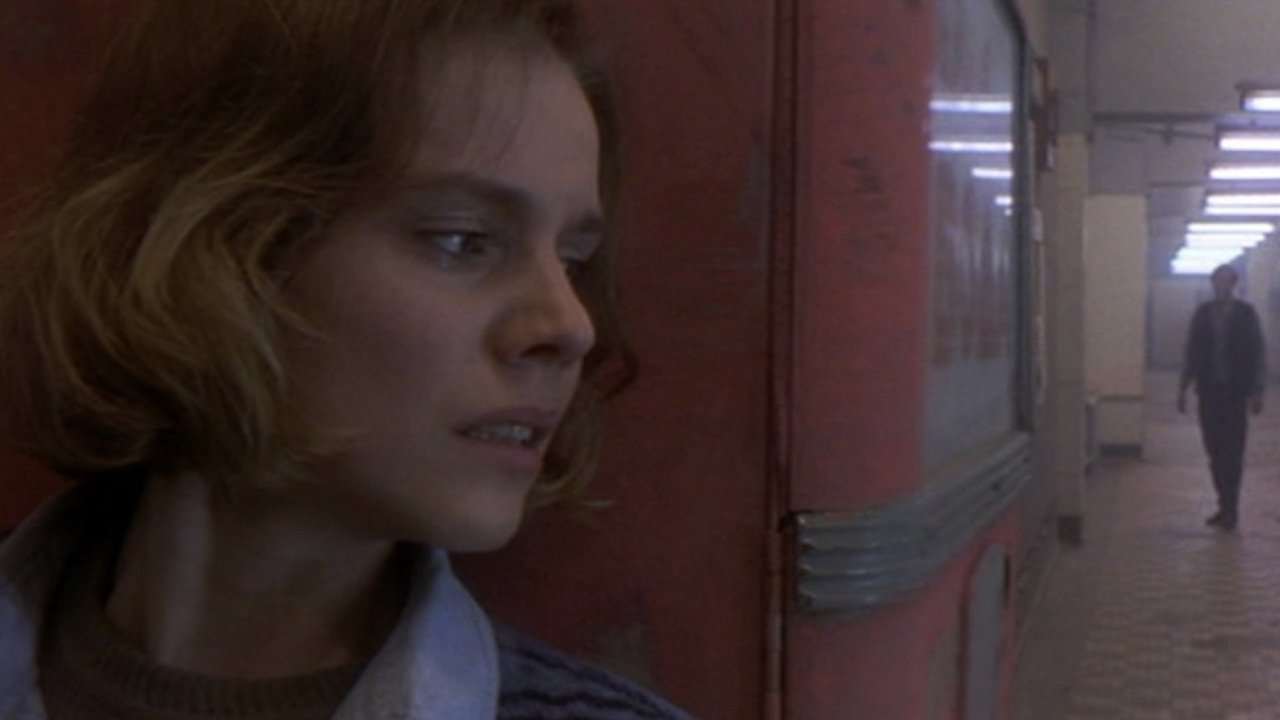
The setup is agonizingly simple, almost primal. Billy Hughes (Zudina), a mute American special effects makeup artist, is working late on a low-budget slasher flick shooting in Russia. Left behind to retrieve a forgotten item, she accidentally locks herself inside the sprawling MOSFILM studio complex. Then, through a grimy window, she witnesses what appears to be the actual filming of a brutal snuff film by shadowy figures connected to the production. Is it real? Is it just another scene for the movie she’s working on? The sickening ambiguity gnaws at you even before the chase begins, mirroring Billy's own frantic uncertainty. Marina Zudina, a prominent Russian actress delivering a stunningly physical performance, conveys a universe of terror solely through her eyes and desperate gestures. You feel every frantic heartbeat, every choked-back sob.
### Moscow After Dark
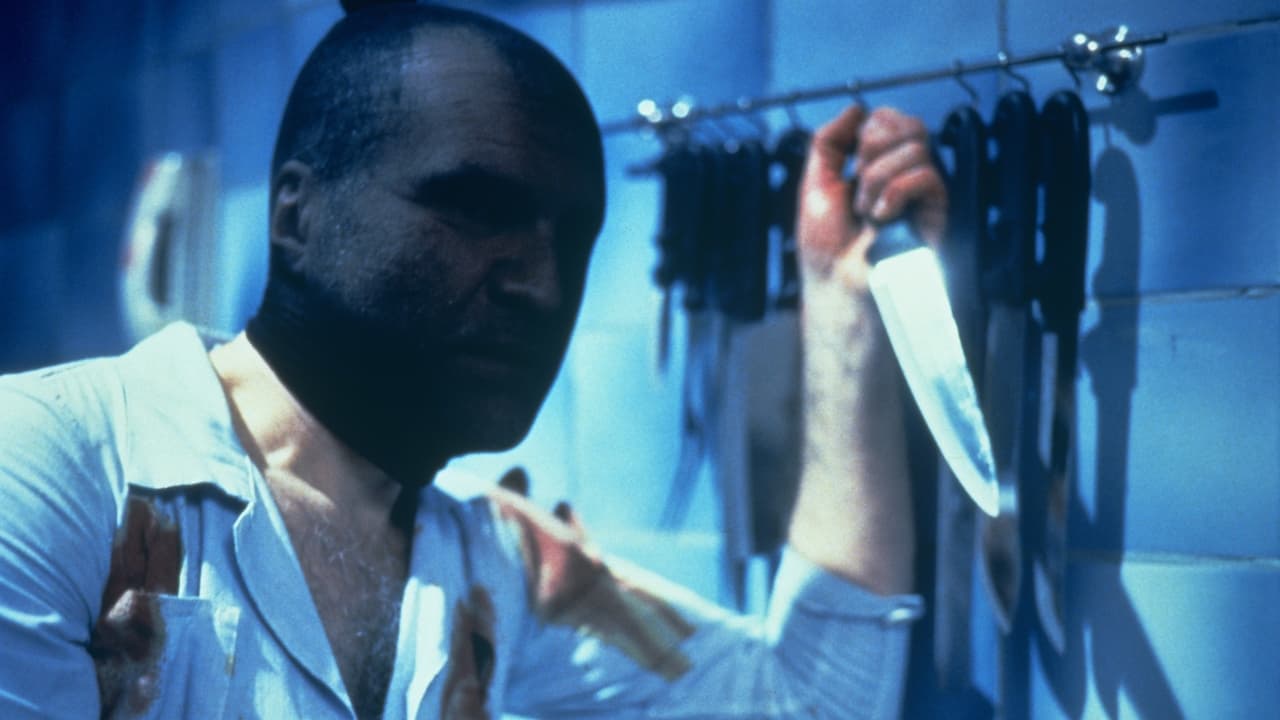
Director Anthony Waller, who also penned the script, weaponizes the film's setting with masterful efficiency. Filmed shortly after the collapse of the Soviet Union, the Moscow locations aren't just window dressing; they’re integral to the film's oppressive atmosphere. The decaying grandeur of the MOSFILM studios, the labyrinthine corridors, the shadowy backstreets – it all feels authentically menacing, a foreign landscape where help seems impossibly distant. Waller, working with a relatively scant $2 million budget (reportedly kickstarted with his own funds and a brazenly shot fake trailer shown to potential investors), turns limitation into strength. The film has a gritty, almost documentary-like texture at times, amplifying the sense of realism andBilly’s isolation. There’s a palpable sense of place and time, a post-Soviet unease that permeates every frame.
### The Unrelenting Chase
Once Billy is discovered, Mute Witness transforms into a relentless, nearly dialogue-free exercise in sustained tension that occupies a significant chunk of its runtime. Forget jump scares; this is pure Hitchcockian suspense dialled up to eleven, a cat-and-mouse game played out across rooftops, through darkened warehouses, and down perilous elevator shafts. Waller demonstrates an incredible command of pacing and spatial geography, keeping the viewer locked in Billy’s terrifying perspective. Remember watching sequences like this on a grainy VHS, heart pounding, hands gripping the armrests, feeling utterly powerless alongside the protagonist? The practical stunt work feels visceral and dangerous, lending a weight that CGI often lacks. The sound design, focusing on footsteps, rattling doors, and Billy’s ragged breathing, becomes almost unbearably intense in the absence of spoken dialogue from our lead. It’s a masterclass in using the limitations of the premise to maximum effect.
### Faces in the Shadows (and a Legend's Farewell)
While Zudina carries the film, the supporting cast adds crucial layers. Fay Ripley provides warmth and grounding as Billy’s concerned sister, Karen, frantically trying to understand the danger, while Evan Richards plays Billy’s somewhat hapless brother, Andy. The villains, led by the chillingly pragmatic figure known only as The Reaper (played with unnerving calm by Russian actor Oleg Yankovsky), are terrifying precisely because they seem so methodical, so detached. And then there’s the unexpected cameo. Sir Alec Guinness, in his final screen appearance, pops up briefly as a shadowy crime figure known as The Undertaker. How did the legendary Obi-Wan Kenobi end up in this low-budget Moscow thriller? Apparently, Waller managed to screen his impressive promo reel for Guinness, who was so taken with the young director's ingenuity that he agreed to the small role for union scale pay – a fascinating final footnote to an incredible career.
Spoiler Alert! The film pulls a clever twist regarding the nature of the 'snuff' film Billy witnesses. While some might debate its ultimate effectiveness or plausibility under intense scrutiny, in the moment, it adds another layer of disorientation and ramps up the stakes considerably, subverting expectations just when you think you have a handle on the situation.
### Lasting Resonance
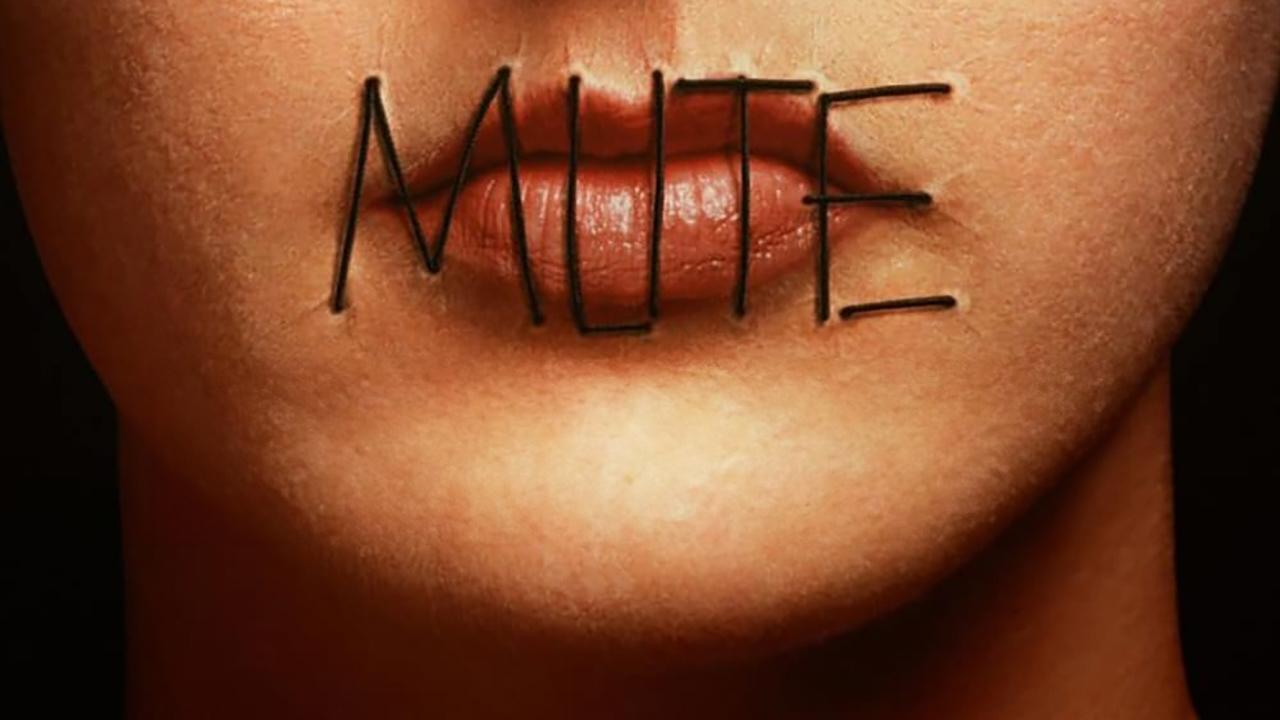
Mute Witness is a lean, mean, expertly crafted thriller machine. It takes a high-concept premise and executes it with remarkable skill and intensity, creating a genuinely nerve-shredding experience. Zudina's performance is unforgettable, and Anthony Waller's direction is stylish, resourceful, and relentlessly effective. It might have flown under the radar for many amidst the bigger studio releases of the mid-90s, but tracking down this VHS tape often felt like unearthing a hidden gem – the kind of discovery that made those trips to the video store feel like treasure hunts. Doesn't that central image of silent terror still feel unnerving?
Rating: 8/10
Justification: The score reflects the film's exceptional suspense, Zudina's powerful performance, Waller's taut direction, and the highly effective use of atmosphere and location. It's a near-perfect execution of its core concept, only slightly hindered by minor plot contrivances that might fray under close examination, but are easily forgiven amidst the relentless tension.
Final Thought: More than just a clever gimmick, Mute Witness is a testament to the power of visual storytelling and resourceful filmmaking, a breathless chase through the shadows that proves sometimes the most terrifying thing is being unable to scream. A true standout of 90s thriller cinema well worth rediscovering.