It arrives like a chilling, persistent drizzle on a bleak Chicago Easter week – not with a thunderclap, but with a grim, unfolding dread. I’m talking about Russell Mulcahy’s 1999 thriller, Resurrection, a film that landed in the shadow of giants but carved out its own distinctively grim niche, particularly for those of us trawling the video store shelves for something dark and atmospheric as the millennium approached. Its premise alone – a killer meticulously assembling a new body of Christ from stolen limbs – was enough to guarantee a rental back in the day, wasn't it?
Rain-Soaked Reflections
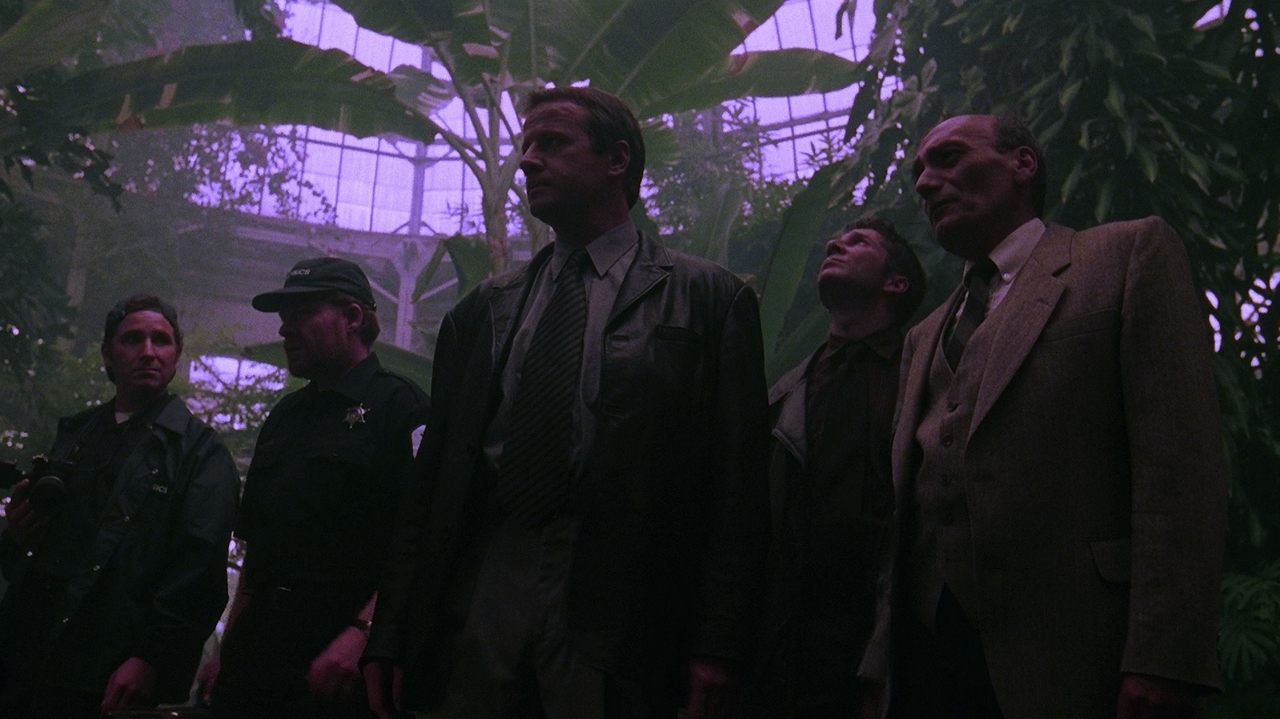
Let's be upfront: the ghost of David Fincher's Se7en (1995) hangs heavy over Resurrection. The perpetually rain-slicked streets, the desaturated color palette bleeding blues and greys, the world-weary detective partnered with a more by-the-book colleague, the elaborately staged, religiously motivated murders – the comparisons are unavoidable, and frankly, likely intentional. Released directly to HBO in the US before finding its true home, I suspect, on countless VHS tapes and later DVDs, Resurrection felt like part of that late-90s wave attempting to capture Se7en's lightning in a bottle. Yet, watching it again now, it feels less like a mere imitation and more like a darkly compelling variation on a theme, filtered through Mulcahy's distinct visual sensibility. Remember Russell Mulcahy? The man who gave us the kinetic energy of Highlander (1986) and defined the look of countless iconic 80s music videos? Here, that flashiness is dialed down, replaced by a suffocating, almost claustrophobic moodiness. The grit feels genuine, the urban decay palpable. You can almost smell the damp concrete.
Lambert's Haunted Gaze
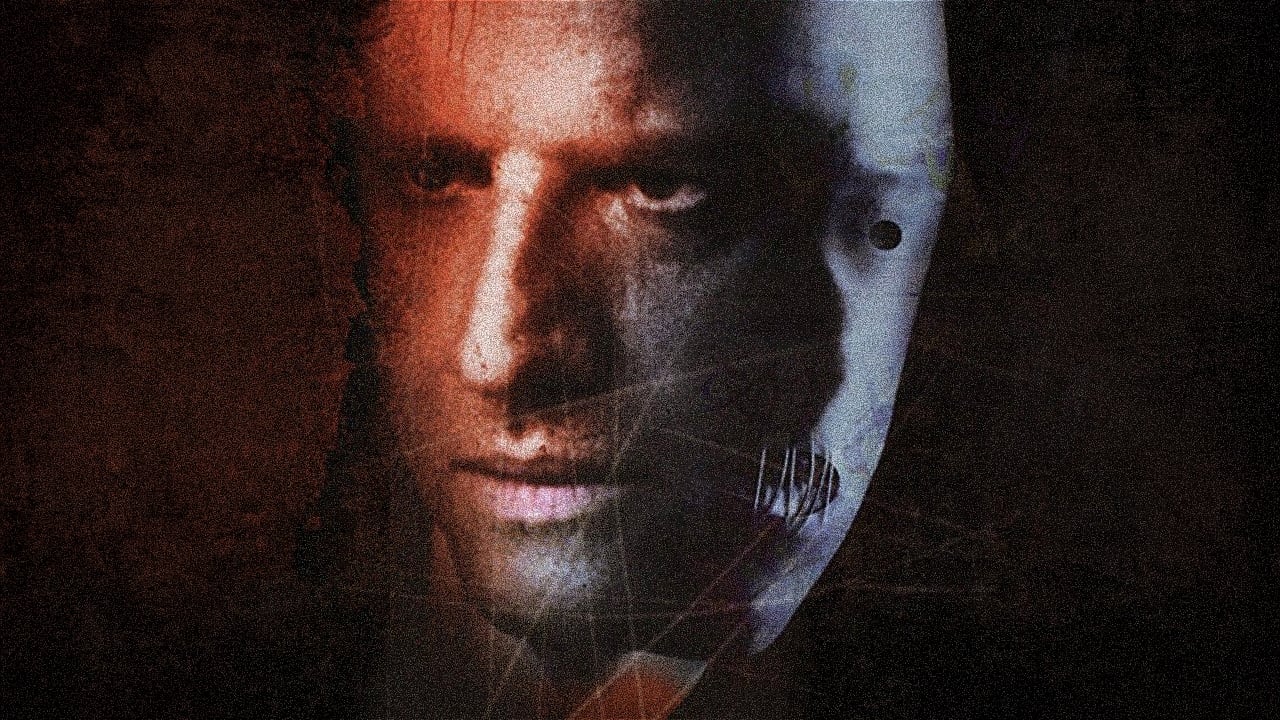
At the center of the storm is Christopher Lambert as Detective John Prudhomme. Removed from the immortal highlands or futuristic prisons, Lambert delivers what might be one of his most grounded and affectingly weary performances. His Prudhomme is a man wrestling with profound personal tragedy – the accidental death of his young son – a loss that has shattered his faith and haunts his every waking moment. Lambert carries this burden visibly; it's etched onto his face, present in the slump of his shoulders, the quiet intensity in his eyes. It’s a performance that relies less on dialogue and more on conveying internal turmoil, and for the most part, he pulls it off convincingly. There's a scene where he visits his son's grave, the raw grief palpable – it adds a layer of emotional weight often missing in standard genre fare. He’s not just chasing a killer; he’s confronting his own demons, mirrored in the killer's twisted obsession with resurrection and rebirth.
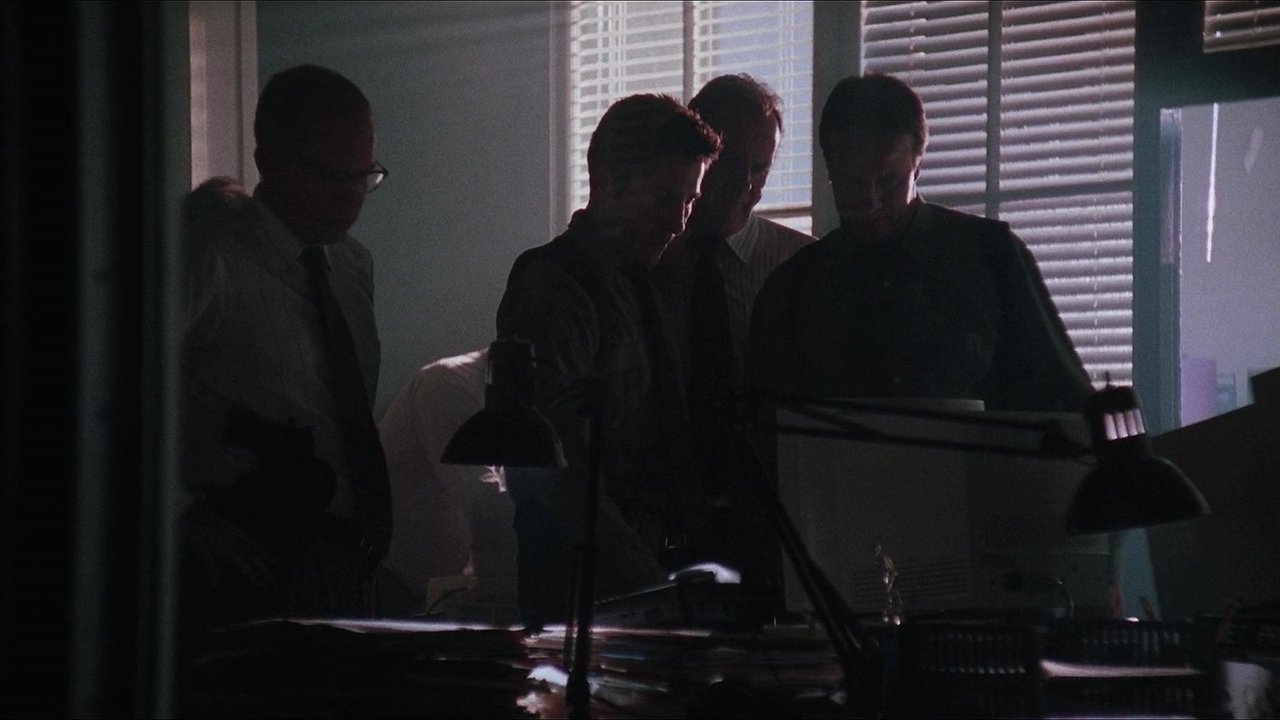
His partnership with Detective Hollinsworth, played by the ever-reliable Leland Orser (who practically cornered the market on intense, twitchy characters after his unforgettable turn in Se7en), provides the necessary procedural friction. Orser is all sharp angles and barely contained nervous energy, a stark contrast to Lambert’s brooding stillness. While their dynamic doesn’t quite reach the iconic levels of Mills and Somerset, it serves the narrative well, grounding the increasingly bizarre investigation. And we can't forget Robert Joy as the chillingly intelligent Agent Wingate, adding another layer of measured intensity to the proceedings.
Crafting the Macabre
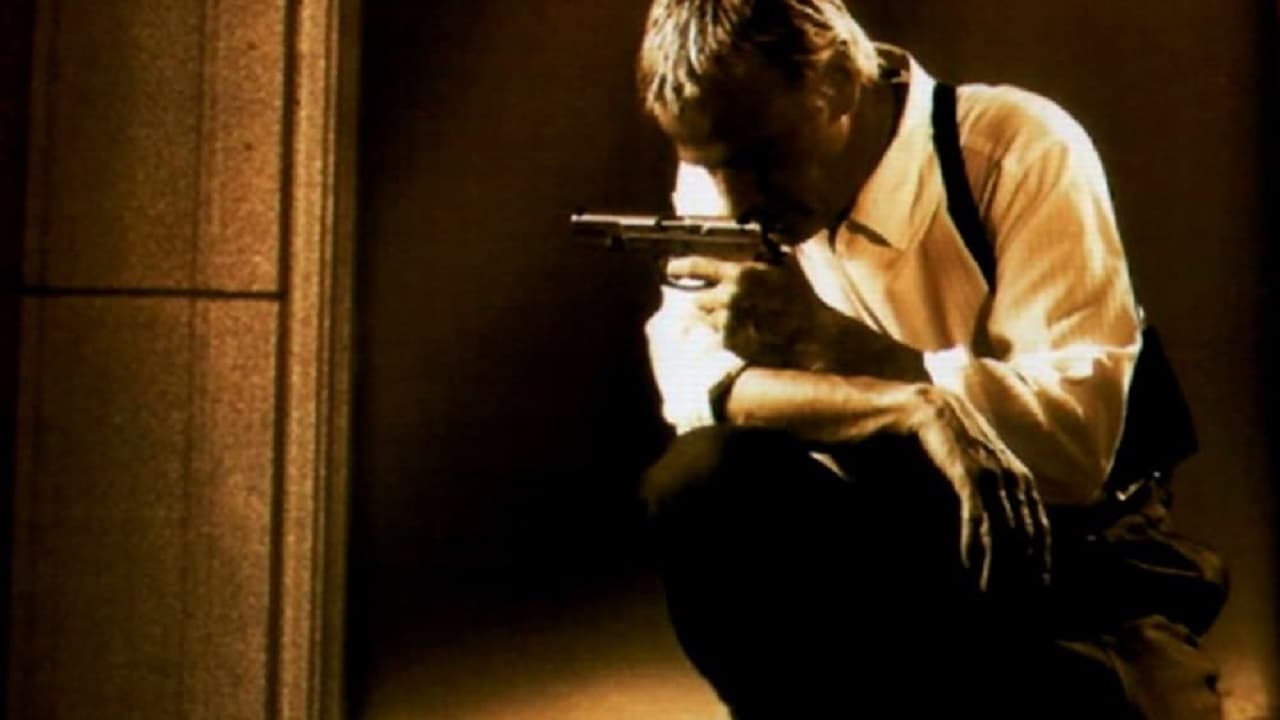
Where Resurrection truly sinks its hooks in is the atmosphere and the sheer audacity of its central conceit. Mulcahy uses the Chicago (and Toronto, where much of it was filmed) locations to maximum effect, creating a landscape that feels both sprawling and oppressively intimate. The crime scenes, while gruesome, are presented with a certain grim artistry that pushes beyond simple shock value. They force us, alongside Prudhomme, to confront the horrifying logic of the killer's plan. The practical effects work, typical of the era before CGI smoothed over all the rough edges, adds a tactile, visceral quality that still resonates.
It's interesting to note that while it premiered on cable in the States, Resurrection did receive theatrical releases internationally, sometimes with slightly different edits. There’s an unrated version floating around that supposedly restores some of the more graphic elements trimmed for the R-rating or television broadcast. This speaks to that classic VHS-era experience – hunting down different cuts, seeking the "director's true vision," often passed around tape-to-tape among fans. It wasn’t just a movie; for genre enthusiasts, it was sometimes a collector's item with its own lore. Did the studio push back on the religious themes or the gore? Knowing the tightrope filmmakers walked with the ratings board back then, it seems entirely plausible.
Beyond the Shadows
Does Resurrection offer profound theological insights? Perhaps not deeply, but it certainly weaponizes religious iconography and themes of faith, doubt, and redemption in service of a compelling thriller narrative. Prudhomme’s journey isn't just about catching the killer; it’s about finding a way back from the brink, confronting the void left by loss. The film poses questions about the nature of belief and the desperate lengths people will go to find meaning, even if that meaning is monstrously distorted. What lingers isn't just the grotesque imagery, but the unsettling exploration of faith twisted into fanaticism.
It might not have redefined the genre like its obvious inspiration, but Resurrection remains a potent slice of late-90s gothic noir. It’s a film that understands mood, delivers a committed central performance, and isn't afraid to embrace the darkness inherent in its premise. For those of us who remember pulling its stark cover off the rental shelf, seeking a serious, grown-up thriller, it often delivered exactly that.
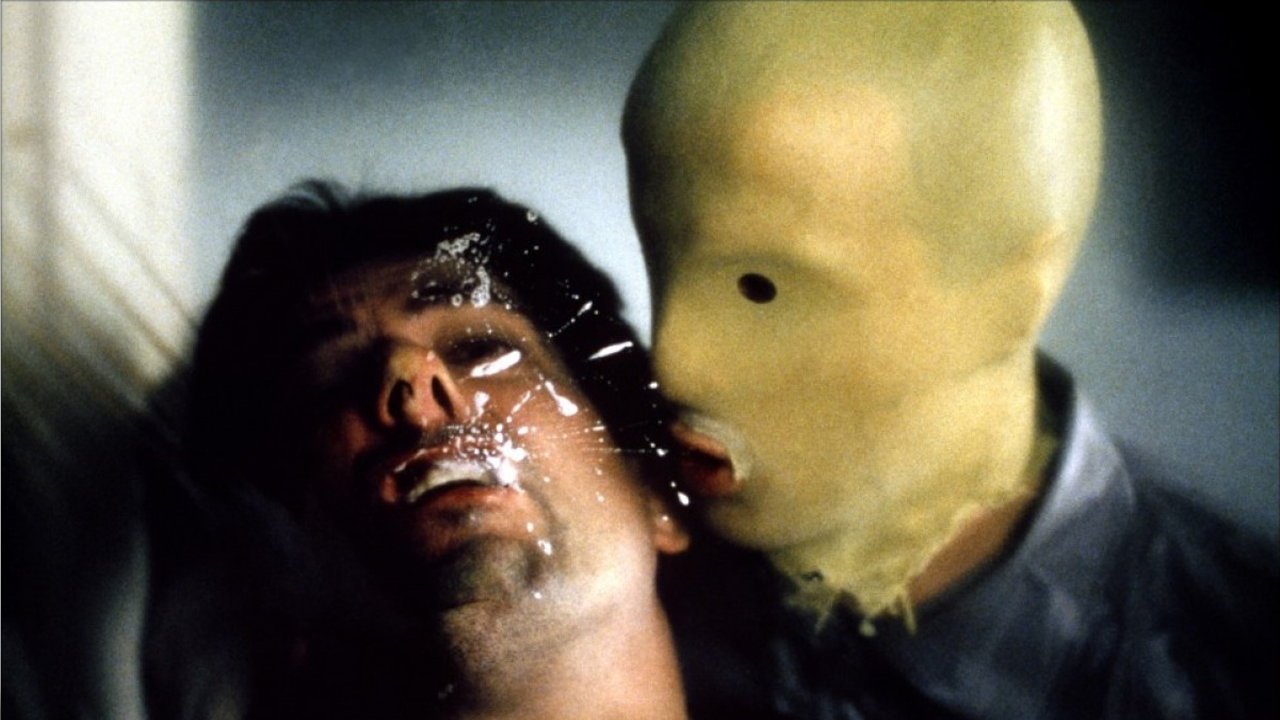
Rating: 7/10
Justification: Resurrection earns a solid 7. While undeniably derivative of Se7en in structure and tone, it excels in creating a thick, oppressive atmosphere thanks to Russell Mulcahy's stylish direction and Christopher Lambert's effectively somber performance. The premise is genuinely unsettling, and the procedural elements are engaging. It loses points for lacking true originality and occasionally leaning too heavily on genre tropes, but its strengths – particularly its mood, visual style, and Lambert's grounded turn – make it a commendable and often overlooked 90s thriller that holds up surprisingly well.
Final Thought: More than just a Se7en echo, Resurrection is a grimly atmospheric piece of late-90s horror-thriller filmmaking that earns its place on the shelf – a perfect rainy-night rental, then and now.