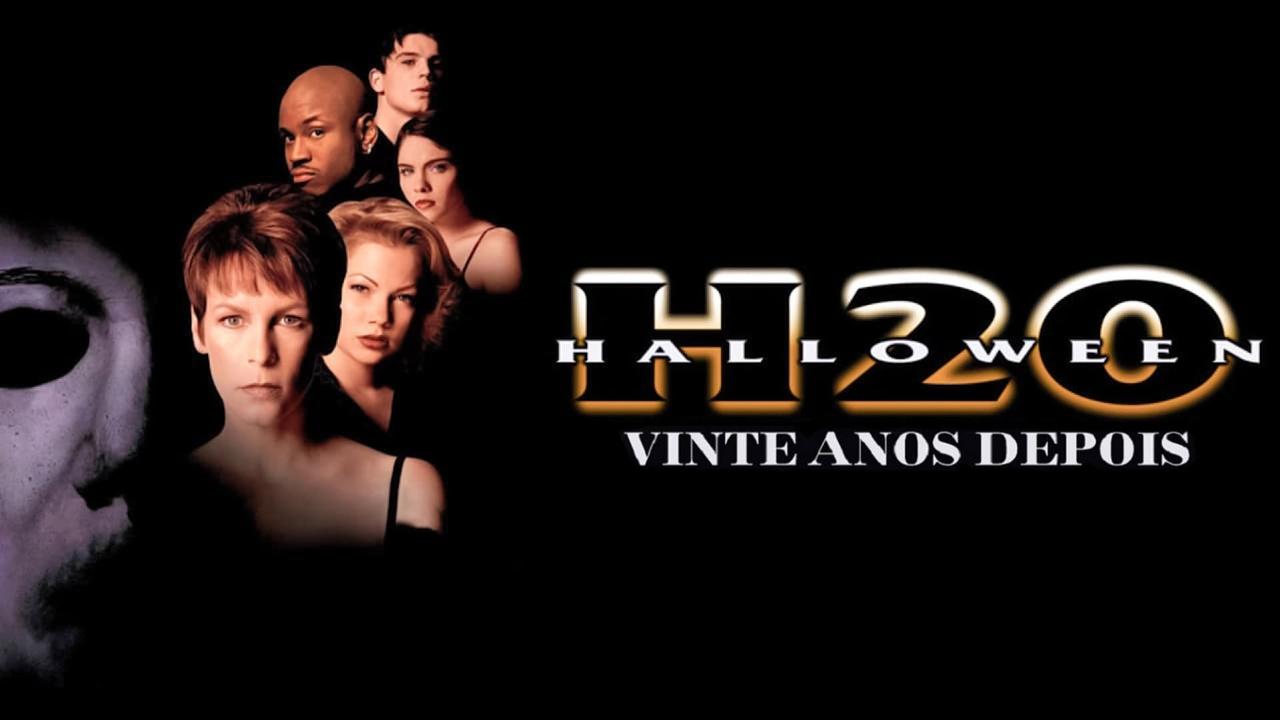
The whisper started sometime in '97, gaining volume until it became a roar by the summer of '98: Laurie Strode was coming back. Not just back, but ready to fight back. After years wading through the increasingly convoluted timelines and diminishing returns of the Halloween sequels, the promise of Jamie Lee Curtis returning to face her silent stalker felt like a homecoming. Halloween H20: 20 Years Later wasn't just another entry; it was pitched as the true successor, the film that would finally give Laurie – and the audience – the closure they deserved. Pulling this tape from the shelf at Blockbuster, you felt the weight of expectation. Could it possibly deliver?
Echoes in the Halls
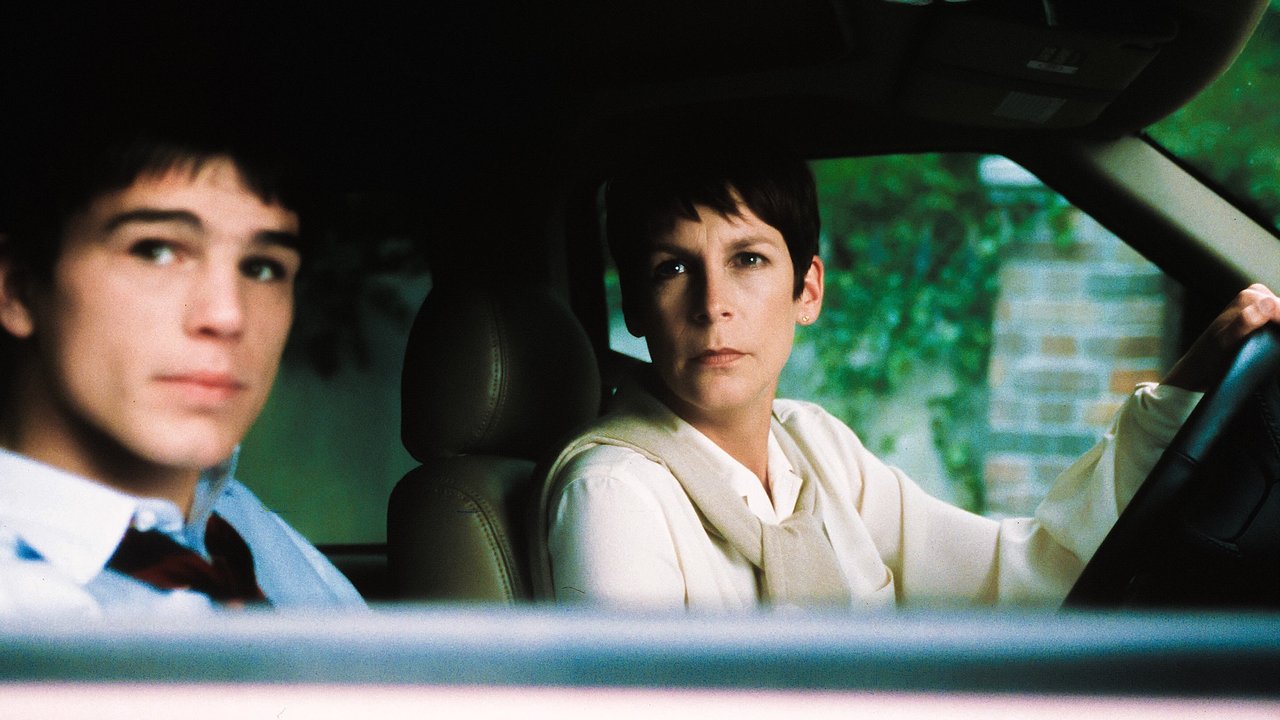
The film wisely ignores the convoluted events of parts 4 through 6 (the Thorn cult, Jamie Lloyd – gone, reduced to a brief mention in the opening). We find Laurie Strode living under the name Keri Tate, the tightly-wound headmistress of a secluded California boarding school. She’s haunted, self-medicating with alcohol, and suffocating her teenage son John (Josh Hartnett in one of his earliest roles) with her paranoia. It’s a compelling setup. The terror here isn’t just the Boogeyman potentially lurking around the corner; it’s the suffocating grip of PTSD, the decades of looking over her shoulder finally taking their toll. Curtis embodies this beautifully – the fear is palpable, etched onto her face, simmering beneath a fragile veneer of control. You feel her exhaustion, her dread as October 31st looms once again.
Interestingly, the initial push for this film came from Curtis herself. Riding high on her career resurgence, she reportedly contacted John Carpenter about collaborating on a 20th-anniversary project. While Carpenter ultimately didn't direct (rumors cite salary disputes), the seed was planted. Scream-scribe Kevin Williamson, fresh off redefining the genre, pitched a treatment that heavily influenced the final script by Robert Zappia and Matt Greenberg, giving H20 that distinctly late-90s, post-Scream sheen – slicker, faster-paced, and with a knowing wink here and there.
The Shape of Fear, Refined
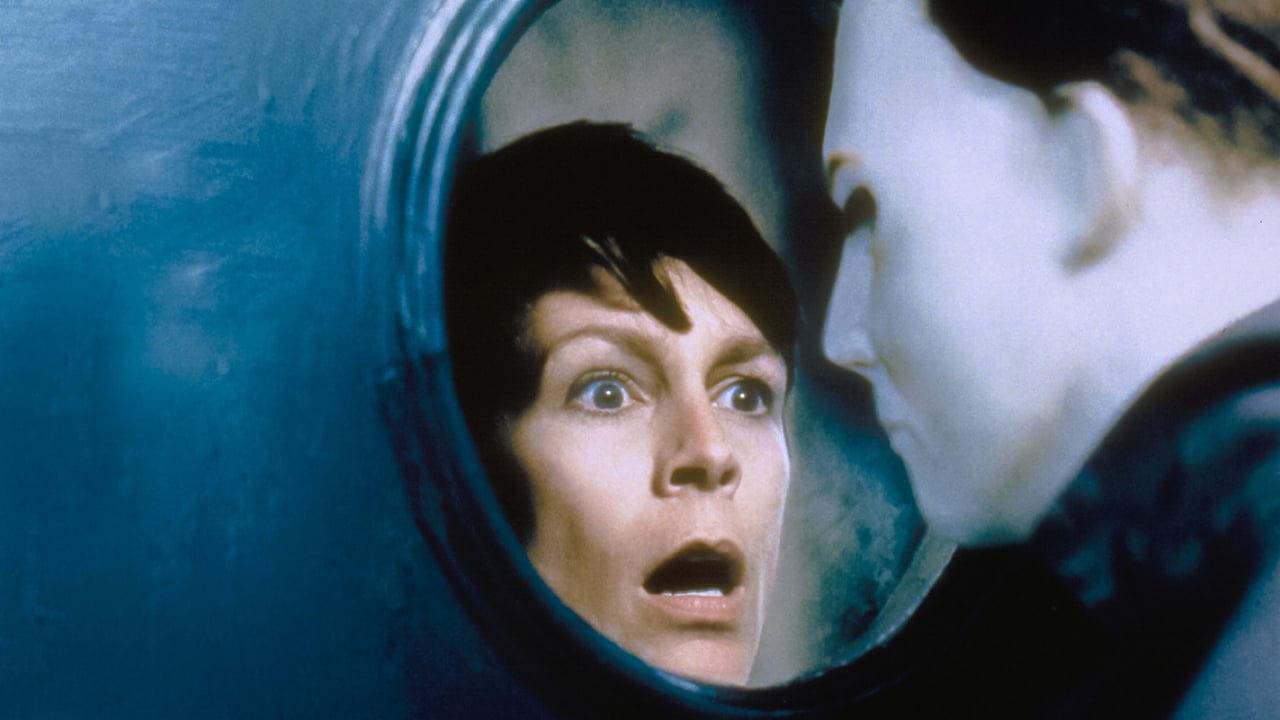
Under the direction of slasher veteran Steve Miner (who helmed Friday the 13th Part 2 and Part III), Michael Myers returns leaner, meaner, and decidedly more focused. This isn't the sometimes-bumbling Shape of the later sequels. Miner brings a clean, efficient style to the stalk-and-slash sequences. The kills are impactful, often relying on suspense and sharp editing rather than excessive gore. The isolated, picturesque setting of the Hillcrest Academy (filmed primarily at the Canfield-Moreno Estate in Silver Lake, Los Angeles, a location with its own storied Hollywood history) becomes a pressure cooker once Michael inevitably infiltrates its grounds during a school trip exodus.
Of course, no discussion of Myers in H20 is complete without mentioning the masks. Oh, the masks! Due to various production issues and alleged dissatisfaction, multiple masks were used throughout filming, including, infamously, a brief shot where Michael's mask was reportedly generated via CGI because the physical prop wasn't right. Eagle-eyed viewers can spot the differences from scene to scene, a quirk that’s become part of the film's retro charm and a point of endless debate among fans. Doesn't that almost feel symbolic of the franchise trying to find its face again after so long?

Family Reunion, Of Sorts
Beyond Curtis's powerful central performance, the supporting cast fits the late-90s teen horror mold. Josh Hartnett brings a believable mix of teenage rebellion and underlying concern for his troubled mother. Adam Arkin provides solid support as Will Brennan, the school counselor and Laurie’s tentative love interest, injecting a dose of normalcy into her paranoid world. We also get early appearances from Michelle Williams and Joseph Gordon-Levitt (in the opening sequence), alongside a surprisingly funny turn from LL Cool J as the school's security guard/aspiring romance novelist.
But the cameo that truly resonated back then, and still does, is Janet Leigh, Curtis’s real-life mother and star of Psycho (1960). Playing Norma Watson (a nod to Norman Bates and Psycho's fictional setting), Laurie’s secretary, their brief scene together is electric. When Norma walks away to her car – the very same model Leigh drove in Psycho – it’s a delightful, metatextual moment that links two generations of scream queens and horror royalty. It’s a touch that felt earned, a knowing tribute woven seamlessly into the narrative.
The Confrontation We Waited For
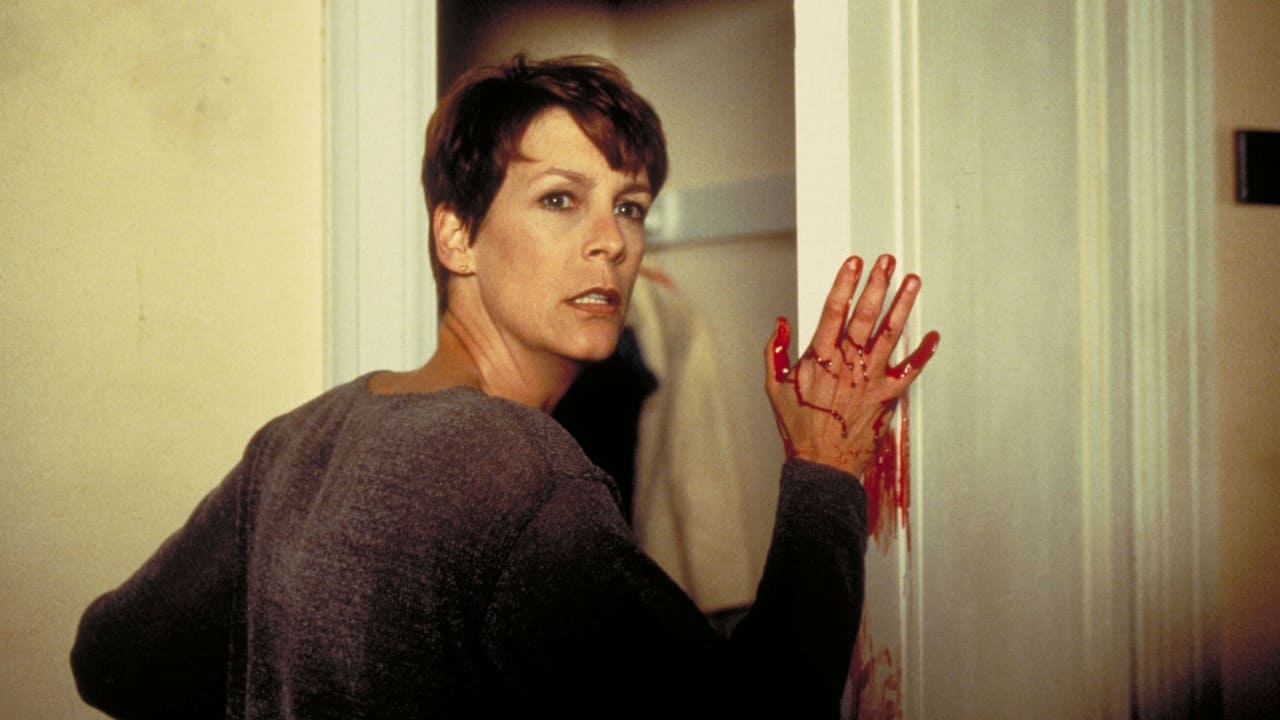
What truly elevates Halloween H20 is its third act. After spending most of the film consumed by fear, Laurie makes a conscious decision: no more running. Arming herself with an axe, she stalks the halls, hunting the hunter. The role reversal is intensely satisfying. This isn't a damsel in distress; it's a survivor finally taking control of her narrative. The confrontation between Laurie and Michael is brutal, cathartic, and felt, at the time, incredibly definitive. The final moments, the long drive, the crash, and that final, emphatic swing of the axe… it felt like the ending. Spoiler Alert (for a 25+ year old film)! The clean decapitation seemed to leave no room for doubt. For many fans watching on VHS, this was the perfect, powerful conclusion to Laurie Strode’s story. The fact that Halloween: Resurrection (2002) would later retcon this powerful climax with a clumsy explanation remains a sore spot for many, but viewed on its own terms, H20's ending delivers a potent punch.
Budgeted at around $17 million, H20 grossed over $75 million worldwide, proving there was still significant appetite for Michael Myers and, crucially, for Laurie Strode. It successfully revitalized the franchise and stands as a high point in the post-Carpenter era, bridging the gap between classic slashers and the meta-horror boom of the late 90s.
---
VHS Heaven Rating: 8/10
Halloween H20: 20 Years Later earns its 8/10 by successfully course-correcting the franchise, bringing back its original star in a compelling performance, and delivering a tense, satisfying confrontation. It wisely leverages Jamie Lee Curtis's return, focusing on Laurie's trauma and resilience. While bearing the unmistakable stylistic hallmarks of late-90s horror (slick production, post-Scream awareness), Steve Miner delivers effective suspense and a memorable final act. The mask inconsistencies and the later retcon slightly tarnish its legacy, but viewed as intended in '98, it felt like a genuinely powerful and definitive chapter.
It may not possess the raw, atmospheric dread of the 1978 original, but H20 provided the cathartic face-off fans had craved for two decades, proving that sometimes, going back home – even to Haddonfield – can be terrifyingly rewarding. Remember how right that ending felt before they undid it?