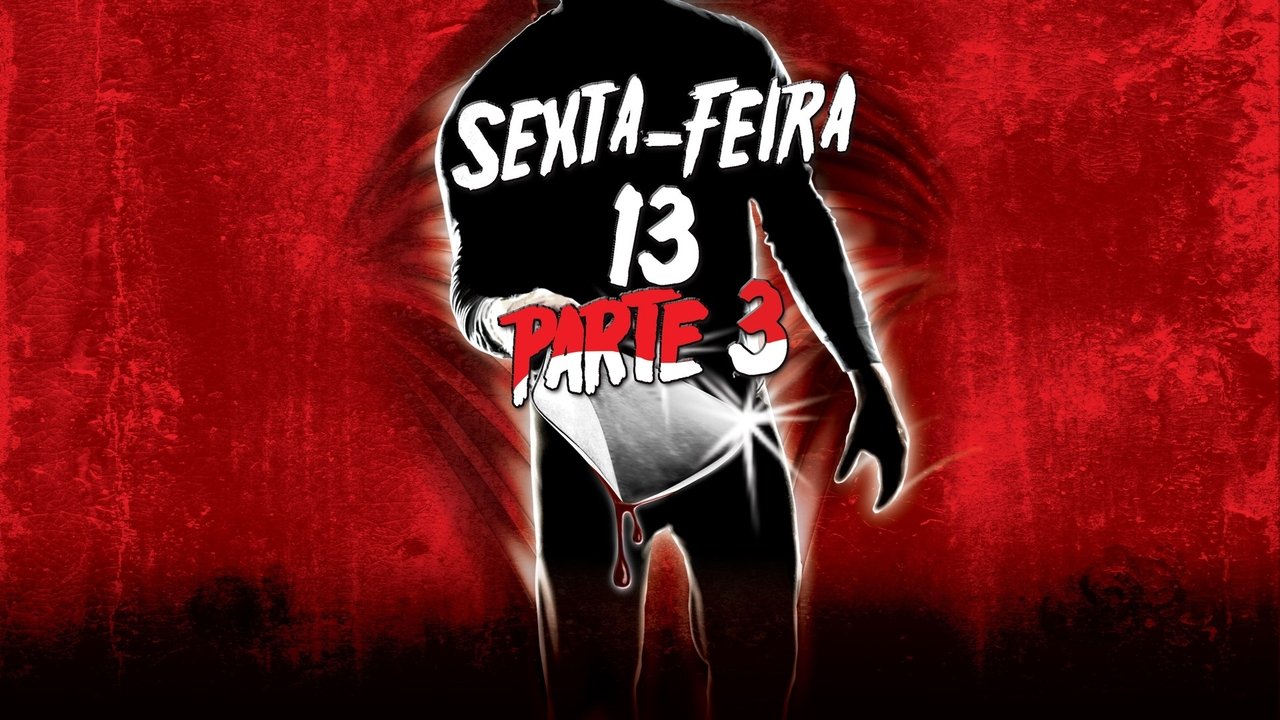
The static hiss fades, the tracking lines settle, and the familiar woods around Crystal Lake appear, slightly fuzzier, perhaps a little dimmer than memory serves. But the chill is instant. Not just from the screen, but from the recollection itself. Friday the 13th Part III wasn't just another trip to summer camp hell; it was the one that gave the monster his face. And even stripped of its original, eye-popping gimmickry, there’s a primal effectiveness to its relentless march.
Return to the Killing Fields
Picking up mere hours after the events of Part 2, the film finds a grievously wounded Jason Voorhees seeking refuge, eventually stumbling upon Higgins Haven, a secluded property where teenager Chris Higgins (Dana Kimmell) has reluctantly returned with friends. Chris carries her own trauma connected to the lake, a half-remembered encounter years prior that hangs heavy in the air. Director Steve Miner, fresh off helming the previous installment, doesn't waste time re-establishing the formula: introduce a new batch of counselors-in-waiting (and a bizarrely out-of-place biker gang), crank up Harry Manfredini’s iconic score, and let the bodies hit the floor. The plot is threadbare, even by slasher standards, serving primarily as connective tissue between increasingly elaborate kill scenes. But let's be honest, were we ever renting this for intricate plotting?
Three Dimensions of Terror (Sort Of)

You can't discuss Part III without acknowledging the elephant in the room: the 3D. Released during the brief resurgence of the format in the early 80s, virtually every other scene features something – a pitchfork, a yoyo, knitting needles, a freshly plucked eyeball – lunging directly at the audience. Watching this on VHS, flattened into two dimensions, often rendered these moments awkward, almost comical pauses in the action. Yet, there was a strange charm to knowing why that character was holding that spear gun just so. The technical demands were significant; the massive dual-lens camera rig used was cumbersome, limiting Miner's shot choices and contributing to a slightly more static feel than Part 2. But the intent was clear: visceral, in-your-face shocks. Did it truly enhance the fear? Debatable. Did it make the film a distinct, memorable event at the time? Absolutely. Its box office haul of nearly $37 million against a modest $2.2 million budget certainly proved the gimmick had pull.
The Birth of an Icon
Beyond the technical novelty, Part III holds a place of reverence for one crucial reason: this is where Jason found his mask. The burlap sack of Part 2 was unsettling, but the blank, emotionless visage of that stolen Detroit Red Wings hockey mask? That was transcendent horror iconography in the making. The story goes that during a lighting test, needing something to cover the actor's face, 3D effects supervisor Martin Jay Sadoff suggested the crew use his personal goalie mask. Miner loved the look, and cinematic history was made. It fell to Richard Brooker, a British former trapeze artist making his debut as Jason, to bring this newly masked killer to life. Brooker’s Jason is noticeably different – taller, broader, more physically imposing than his predecessors. His background lent a certain deliberate, almost graceful menace to Jason's movements, even amidst the brutal violence. He wasn't just a rampaging force; he was a calculating predator, and the mask amplified that chillingly impassive threat.

Practical Fears and Woodsy Dread
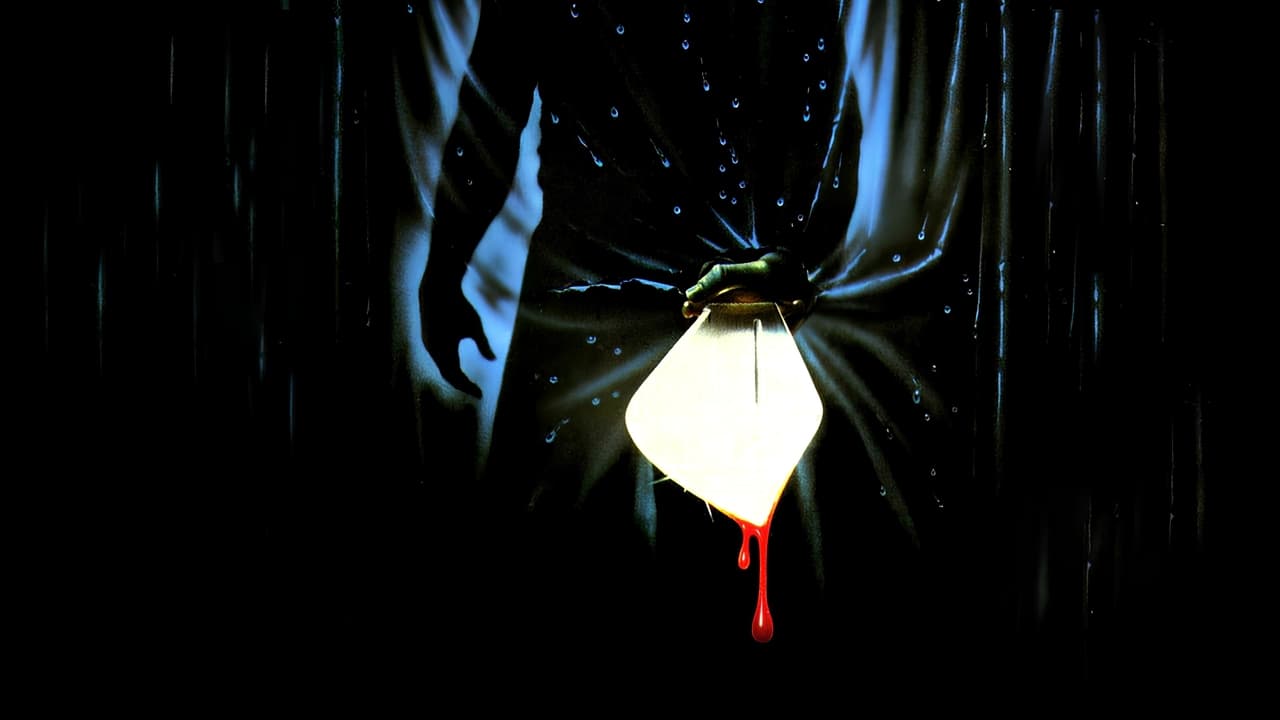
Despite the 3D shenanigans, Miner still crafts moments of genuine tension. The familiar woods, the isolated cabins, the encroaching darkness – it’s standard slasher fare, but effectively executed. The practical gore effects, while inevitably trimmed by the MPAA (as was standard practice for the series), retain a certain grimy impact. Remember the harpoon scene? Or the gruesome bisecting? These moments, often built with simple but effective practical trickery, landed with a visceral punch in the pre-CGI era. The setting of Higgins Haven itself feels appropriately isolated, a character in its own right, holding secrets and amplifying the sense that there truly is nowhere safe to run. The film leans heavily into the established slasher tropes – the false scares, the separated couples, the final girl confrontation – but it does so with a confidence born from the franchise's burgeoning success.
Legacy in Polyurethane

While Part III might feel formulaic compared to the genre’s absolute high points, its contribution is undeniable. It solidified the image of Jason Voorhees that would dominate pop culture for decades. Dana Kimmell delivers a solid performance as Chris, carrying the weight of a past encounter that gives the final confrontation slightly more personal stakes than usual. The supporting cast fulfills their slasher duties, providing fodder for Jason’s increasingly creative methods. Though critics at the time were largely dismissive (as they often were with slashers), audiences flocked to it, cementing Friday the 13th as a horror powerhouse and paving the way directly for The Final Chapter.
Rating: 7/10
Why a 7? While the 3D gimmick dates it intensely and the plot is pure slasher routine, Friday the 13th Part III is elevated by its single greatest contribution: the hockey mask. Richard Brooker's physical presence redefined Jason, and Steve Miner delivered a competent, often tense, and brutally efficient entry in the series. The practical effects hold up reasonably well for their era, and the atmosphere of dread remains effective. It’s a crucial piece of the franchise puzzle, the moment the monster truly stepped out of the shadows and into horror legend. Watching it now evokes that specific 80s slasher thrill – predictable, perhaps, but undeniably satisfying in its gory execution and forever significant for giving Jason his iconic face. It's pure, unadulterated Crystal Lake carnage, exactly as advertised on that worn VHS box.