The flickering scan lines of the tracking adjustment settle, and that iconic poster art burns into your mind’s eye: Jason Voorhees, looming impossibly large over the New York City skyline, ready to carve up the Big Apple. Friday the 13th Part VIII: Jason Takes Manhattan (1989) – the title alone promised something audacious, a glorious, city-wide rampage that felt like the ultimate escalation for our favourite hockey-masked maniac. The reality, as the tape whirs on, is... well, considerably more nautical. But isn't that part of its strange, enduring charm?
All Aboard the S.S. Lazarus
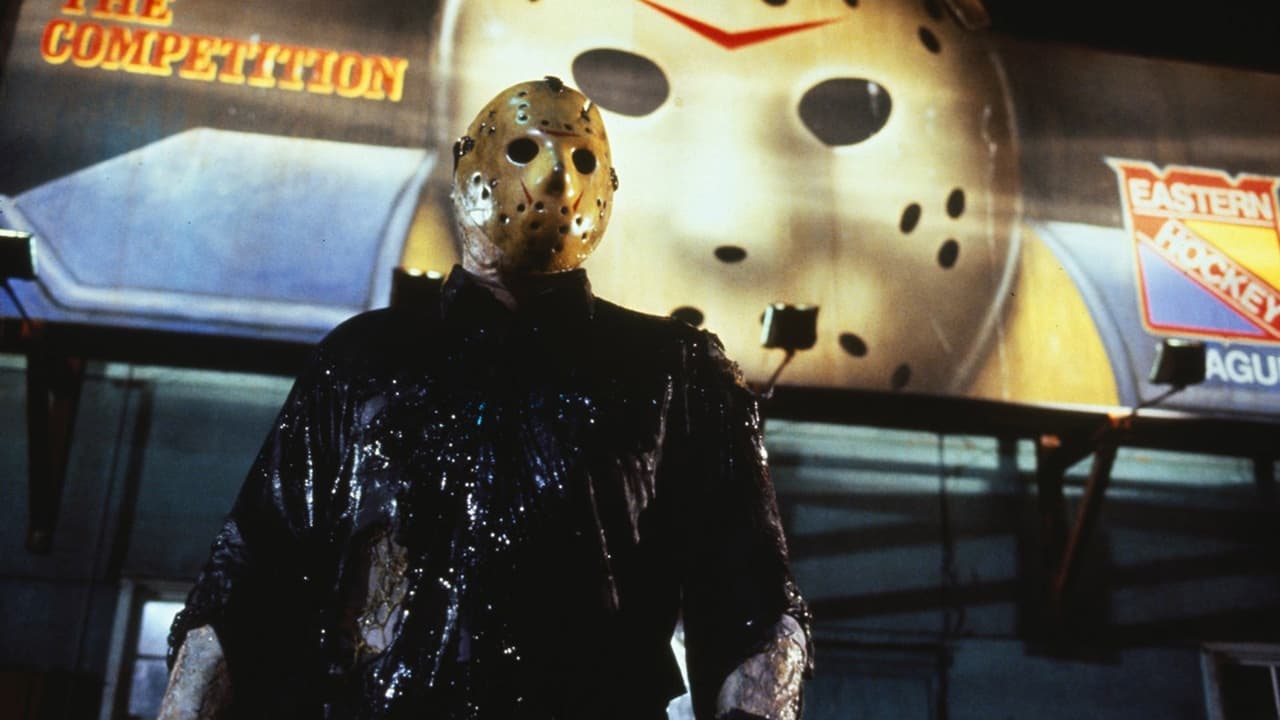
The premise kicks off with a jolt – literally, as Jason gets an underwater electrical resurrection near the perpetually cursed Crystal Lake. Soon, he's stowing away aboard the cruise ship Lazarus, conveniently packed with graduating seniors heading for Manhattan. Our primary viewpoint characters are the resourceful Rennie Wickham (Jensen Daggett), plagued by visions of a young, drowning Jason, and Sean Robertson (Scott Reeves), the captain's son. The rest? Let's be honest, they're largely chum in the making, ticking off the slasher trope boxes with earnest 80s gusto. Director Rob Hedden, who also penned the script, sets a familiar stage: isolating the teens, letting Jason stalk the dimly lit corridors and engine rooms.
The Long Voyage to Nowhere Fast
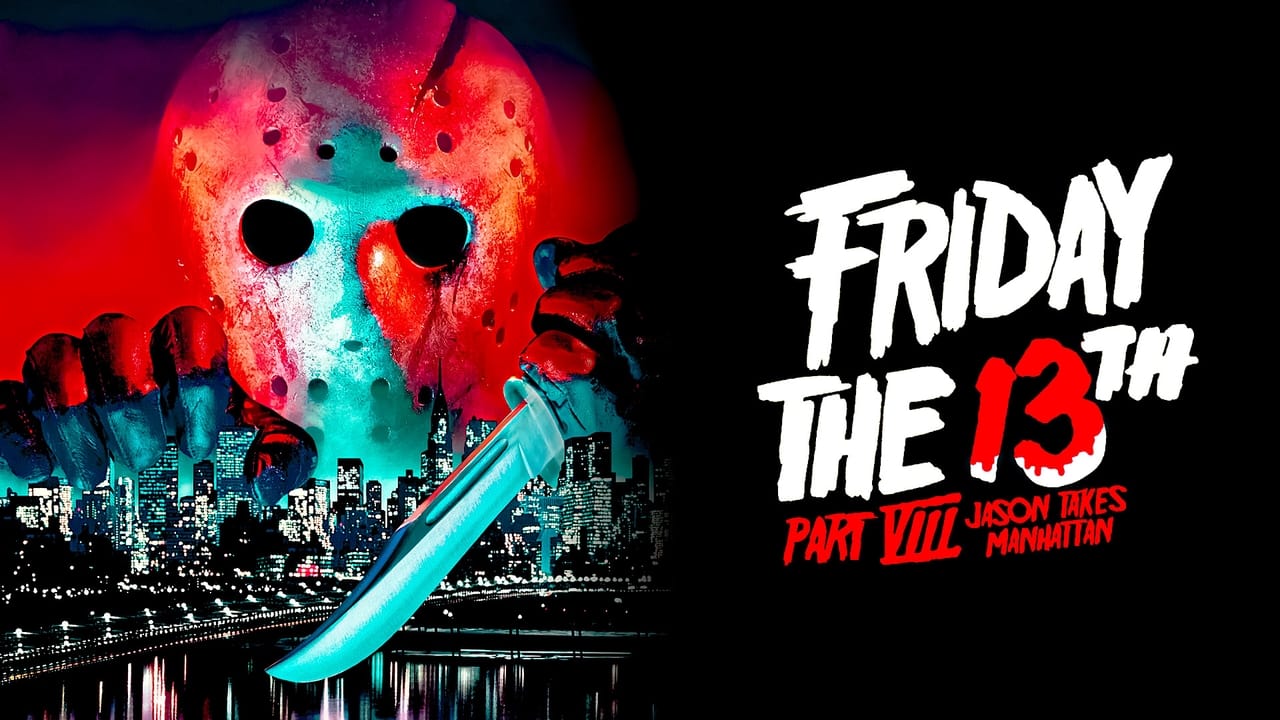
Here's where the promise of Jason Takes Manhattan takes its first detour. Much has been made, and rightly so, of the fact that Jason spends the vast majority of his "Manhattan" adventure confined to the decks and bowels of the Lazarus. Budget constraints famously kneecapped Hedden's grander vision; shooting extensively in the actual New York City proved prohibitively expensive. Paramount reportedly slashed the budget significantly late in the game, forcing the production to rely heavily on soundstages and Vancouver locations doubling, often unconvincingly, for NYC. What we get instead is Jason Takes A Lengthy Boat Trip.
While the confined ship setting could have generated claustrophobic terror akin to Alien (1979), it often feels more like a standard Friday sequel relocated. The kills are serviceable, if increasingly elaborate (death by sauna rock, anyone?), but the atmosphere lacks the woodsy dread of Crystal Lake. Jason himself, perpetually waterlogged and slimy, looks menacing enough, a testament to the practical effects work. Yet, the sheer repetition of stalking down identical corridors dampens the tension. You find yourself, much like the characters, just waiting to reach the destination promised by that tantalizing title. It’s a known fact that Hedden originally envisioned far more iconic NYC set pieces – Jason scaling the Statue of Liberty, rampaging through Madison Square Garden – ideas sadly sunk by the budget cuts.
Big Apple, Small Bites

When Jason finally arrives in New York (around the hour mark!), the film briefly delivers on its core concept, albeit in fleeting, often bizarre ways. The few scenes actually shot in Times Square capture a sliver of that late-80s grime and energy. There’s a darkly amusing sequence where Jason kicks a boombox carried by street punks, only for them to threaten him before wisely backing off. It plays into that urban legend trope of New Yorker indifference, though here it borders on parody. Didn't anyone notice the hulking, masked figure carrying a machete? Apparently not.
These moments – Jason menacing passengers on a graffiti-scarred subway car, Rennie and Sean scrambling through greasy back alleys – offer glimpses of the gonzo slasher epic this could have been. Instead, much of the "Manhattan" sequence feels rushed and geographically confused, relying on generic urban decay rather than iconic landmarks. The infamous rooftop boxing match and the truly baffling finale involving a sewer flooded nightly with "toxic waste" feel less like climactic horror and more like fever-dream absurdity. It’s hard not to chuckle, even now, at the sheer audacity of that ending. Was that really supposed to be Jason reverting to childhood form? The studio demanded a more definitive 'end' for Jason, as this was intended to be Paramount's final entry before selling the character rights to New Line Cinema – a decision perhaps influenced by Part VIII becoming the lowest-grossing film in the series up to that point, pulling in about $14.3 million on a roughly $5 million budget.
The MPAA Strikes Again
Like many slashers of its time, Jason Takes Manhattan fell victim to the dreaded MPAA scissors. Several kills were significantly trimmed to secure an R rating, removing much of the graphic gore fans had come to expect. The boxing scene, in particular, reportedly lost its most visceral impact – the gruesome decapitation via uppercut. While uncut versions circulate among collectors, the officially released VHS cut often feels strangely bloodless for a Friday the 13th entry, further dulling its edge.
Verdict: A Flawed But Fascinating Voyage
Friday the 13th Part VIII: Jason Takes Manhattan is undeniably one of the franchise's biggest oddities. It’s a film built on a fantastic, instantly marketable premise that it largely fails to deliver due to real-world limitations. The extended boat sequence drags, the characters are thin even by slasher standards, and the final act descends into glorious nonsense.
And yet... there's something undeniably watchable about it. Maybe it’s the sheer ambition of the title, the few genuine moments of NYC grime, or just the inherent fun of seeing Jason Voorhees completely out of his element. It’s a quintessential late-80s slasher: slightly goofy, hampered by cuts and budget, but possessing a certain nostalgic charm. I remember renting this tape, drawn in completely by that amazing poster, feeling a mix of excitement and slight disappointment unfolding on my CRT screen. It wasn't the Big Apple massacre I'd envisioned, but it was Jason, and back then, that was often enough.
Rating: 4/10
The rating reflects the film's significant flaws: the misleading premise, the budgetary constraints severely impacting the plot, the weak characters, and the nonsensical ending. However, the 4 points acknowledge the iconic status (mostly thanks to the title and poster), a few memorable moments in NYC, and its place as a fascinating, if flawed, entry in a beloved slasher franchise – a true VHS-era curio. It’s the Friday film everyone remembers for its title, even if the movie itself is mostly adrift at sea.