Alright, fellow tapeheads, let’s rewind to that glorious, sticky-floored corner of the video store, probably somewhere between the big-box action hits and the straight-to-video horror. You stumble across a cover – maybe featuring a menacing biker, lightning bolts, and scantily clad co-eds. The title? Nightmare Beach. You probably rented it on a whim, lured by the promise of B-movie mayhem, and maybe, just maybe, you found something delightfully weird. Buckle up, because this 1989 oddity (also known under the more generic but perhaps fitting title Welcome to Spring Break) is a strange cocktail indeed.
### Sun, Sand, and Electrocution
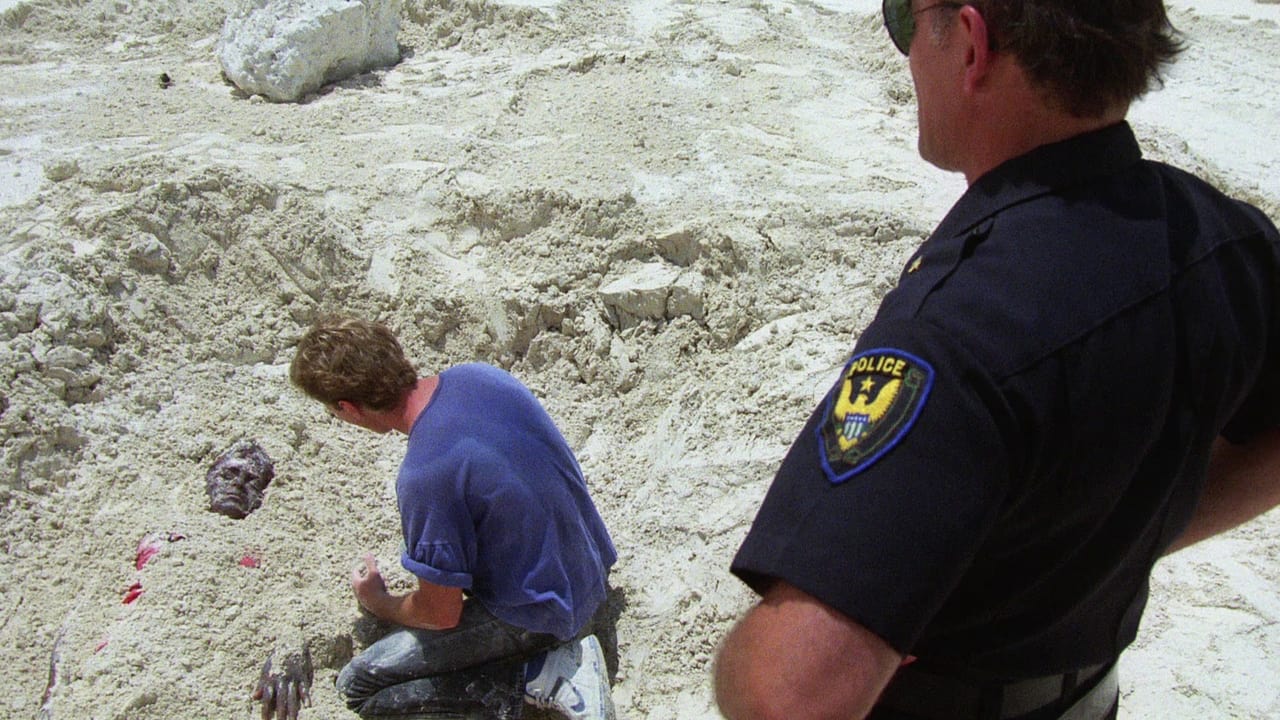
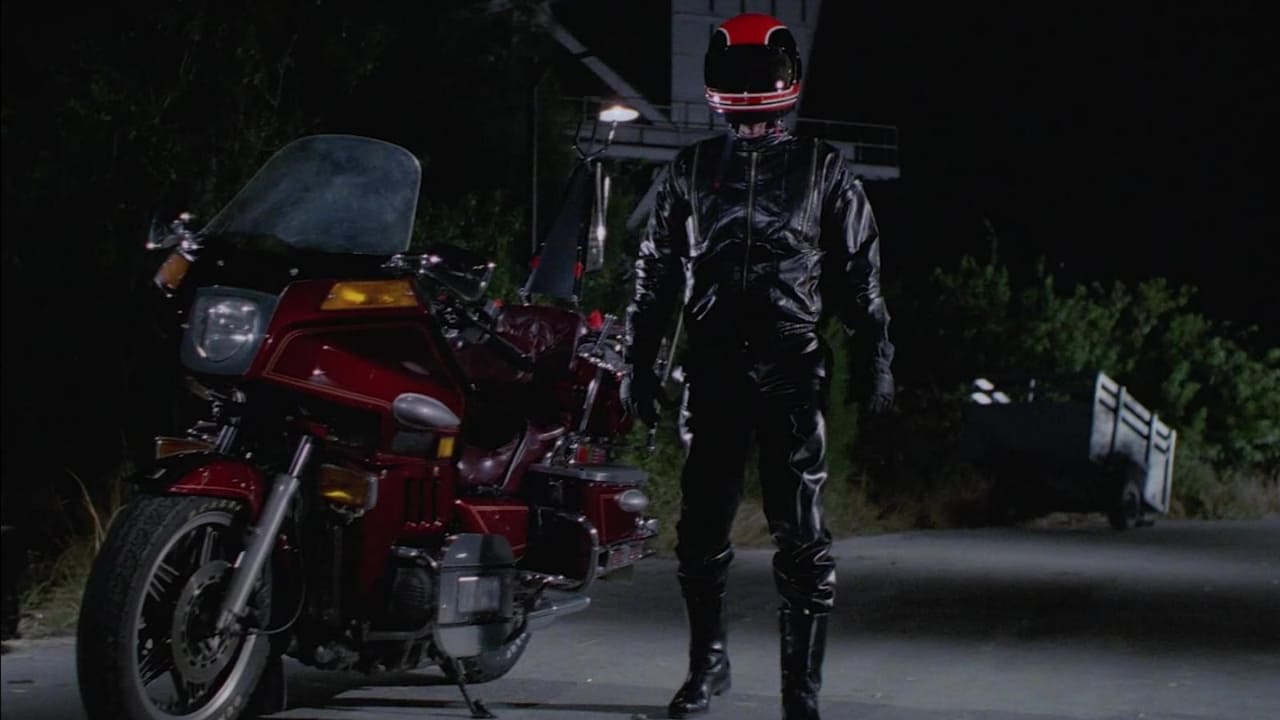
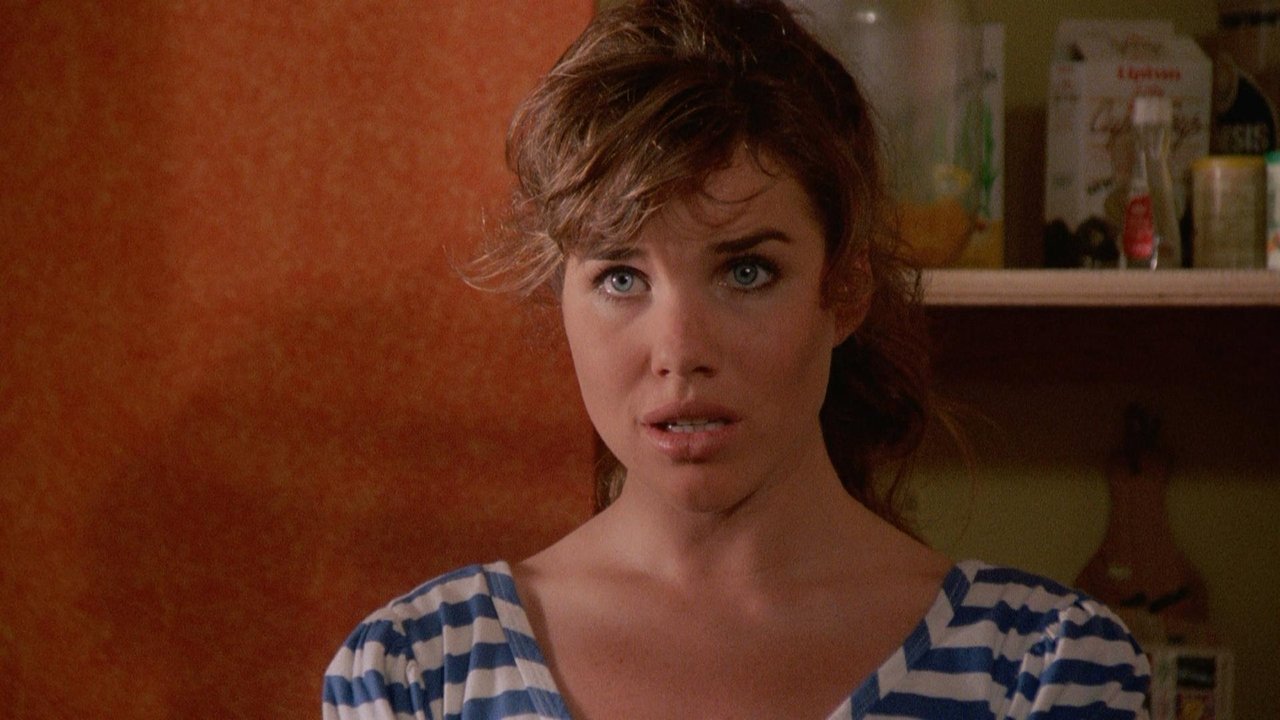
The setup is pure late-80s cheese: it’s Spring Break in Florida, hormones are raging, beer is flowing, and the local biker gang, the Demons, are causing predictable trouble. Our nominal hero is Skip (Nicolas De Toth, son of famed director Andre De Toth), a fairly bland hunk visiting his friend Gail (Sarah Buxton, who some might remember from Don't Tell Mom the Babysitter's Dead). But amidst the wet t-shirt contests and general debauchery, a mysterious figure emerges – a leather-clad killer riding a custom motorcycle, sporting a truly unique helmet, and dispatching victims with high-voltage electrocution. Is it Diablo, the recently executed leader of the Demons, back for revenge? Or something else entirely?
Honestly, the plot is flimsy, weaving between a standard slasher formula and a police procedural helmed by the ever-reliable John Saxon as Strycher, the grizzled police chief trying to keep a lid on the chaos. Saxon, a welcome face in any genre flick from this era (think A Nightmare on Elm Street, Enter the Dragon), brings his usual stoic professionalism, grounding the film slightly even as everything around him spirals into absurdity. His presence alone probably convinced many a renter to take a chance on this tape.
### That Unmistakable Italian Touch (Sort Of)
Here’s where things get interesting behind the scenes. The credited director is Harry Kirkpatrick, but that’s a pseudonym for none other than Italian genre maestro Umberto Lenzi! Yes, the man who gave us infamous gut-munchers like Cannibal Ferox (1981) and gritty crime thrillers (poliziotteschi) like Almost Human (1974). Why the fake name? Rumor has it Lenzi clashed with producers and essentially disowned the film, feeling it drifted too far from his original vision. You can almost see flashes of Lenzi's grimy style here and there, particularly in the killer's ruthless efficiency, but much of it feels like a standard American slasher trying, awkwardly, to cash in on the Spring Break craze.
Despite the potential identity crisis, the film boasts another fascinating Italian connection: the score is partially credited to Claudio Simonetti, legendary keyboardist for Goblin, the band responsible for the iconic soundtracks of Dario Argento classics like Suspiria (1977) and Deep Red (1975). While the Nightmare Beach score isn't quite peak Simonetti/Goblin synth-prog mastery, it definitely adds a layer of pulsing, electronic dread that elevates the atmosphere beyond typical slasher fare. It’s got that distinctive Euro-horror vibe humming beneath the surface.

### Sparks Will Fly: The Joy of Practical Mayhem
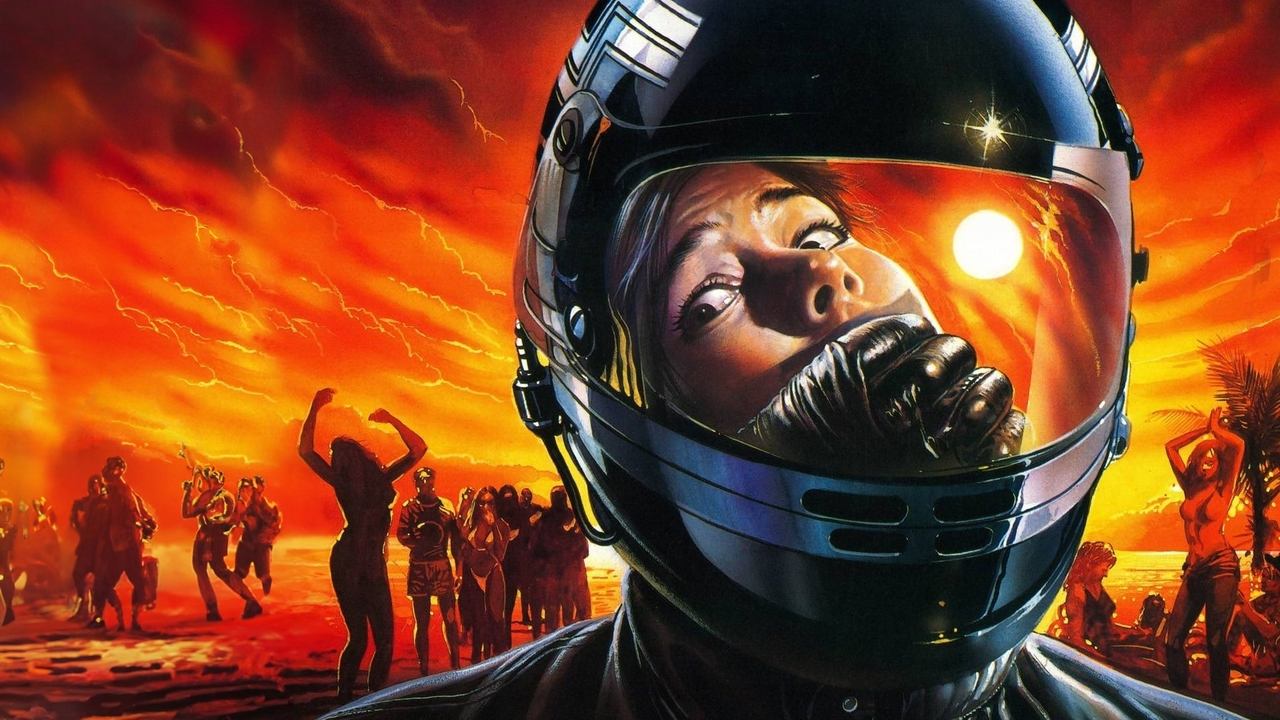
Let's talk about the real star: the killer and their electrifying methods. Forget slick CGI – this is the era of tangible effects, and Nightmare Beach delivers some memorably jolting (pun intended) death scenes. The practical effects used to simulate electrocution have that raw, almost crude energy that defined so much 80s horror. Remember how shocking those sparking, smoking effects looked on a fuzzy CRT screen late at night? There’s a certain visceral quality to seeing actual sparks fly and stunt performers reacting physically that modern digital effects often struggle to replicate. The killer’s tricked-out motorcycle, capable of delivering lethal charges, is a wonderfully ludicrous B-movie invention. It’s absurd, yes, but undeniably visual. The killer’s helmet design, too, is bizarrely distinctive – part executioner's hood, part sci-fi visor. It's the kind of thing that sticks in your memory, even if the rest of the plot fades.
The film was shot on location in Florida, and it leans into the sweaty, neon-lit, slightly sleazy vibe of late-80s Spring Break culture. The crowds, the bikes, the bars – it all feels authentically of its time, capturing a specific moment when this kind of beach-bound mayhem was a cinematic staple. While critically panned upon release (no surprises there), Nightmare Beach slowly gathered a following on home video, becoming one of those cult curiosities passed between fans of obscure horror.
### Final Verdict
Nightmare Beach is far from a masterpiece. The acting is uneven (Saxon aside), the plot logic is questionable at best, and the tone veers wildly. But for fans digging through the VHS crates of the late 80s, it offers a unique and entertaining blend of slasher tropes, Italian genre weirdness, and gloriously dated Spring Break shenanigans. It has energy, a memorable killer concept, and enough practical effects mayhem to keep things lively. I distinctly remember renting this one, drawn by the cover art, and being both confused and weirdly captivated by its off-kilter charm.
Rating: 6/10 - The score reflects its status as a flawed but fun cult oddity. It delivers on the B-movie promises of its era – cool kills, a distinctive villain, and John Saxon – even if the script feels like it was written over a particularly wild weekend.
Final Thought: For a jolt of pure, unadulterated late-80s electro-shock silliness, Nightmare Beach still delivers a buzz – best enjoyed with low expectations and maybe a fuzzy tracking line for authenticity.