The low hum of the VCR, the soft static hiss before the tracking adjusts... sometimes the anticipation itself was part of the experience. And then, that song starts. Not the original, jaunty Rolling Stones version, but a slow, mocking, almost predatory rendition of "Time Is On My Side." It drifts over the opening images of Gregory Hoblit’s Fallen (1998), weaving a thread of unease that tightens throughout the film and lingers long after the tape ejects. This isn't jump-scare territory; this is the cold dread of inevitability, a whisper in the dark that suggests maybe, just maybe, evil has already won.
Philadelphia Story, Hell Edition
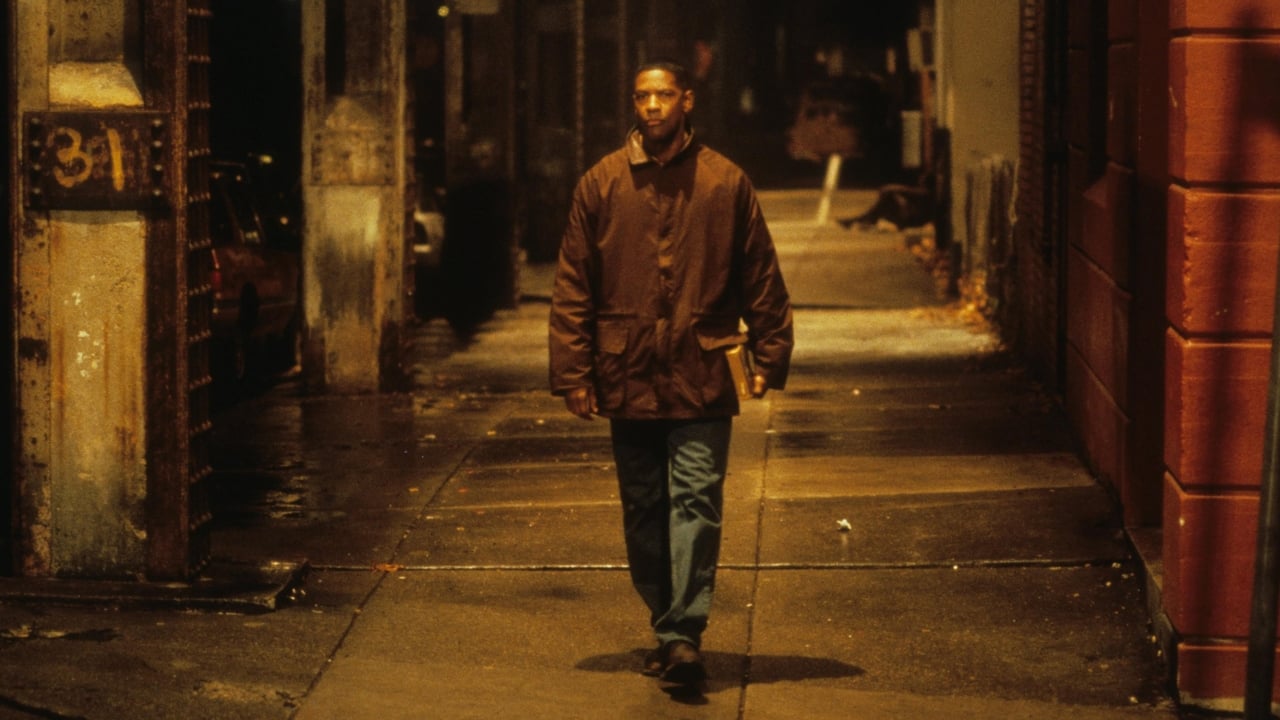
From the outset, Fallen immerses you in a grim, perpetually damp Philadelphia. Detective John Hobbes (Denzel Washington, radiating weary integrity) witnesses the execution of serial killer Edgar Reese (Elias Koteas, chilling in his brief screen time). Reese goes out not with a whimper, but with that taunting song and a cryptic message in a language Hobbes doesn't understand. It feels like an ending, but as Hobbes soon discovers, it’s merely a transition. Copycat killings begin, murders bearing Reese’s distinct signature, pulling Hobbes into a nightmare where the killer isn't a person, but a malevolent entity – the fallen angel Azazel – capable of transferring between hosts with a simple touch. The city itself becomes a character, its shadowed alleys and rain-slicked streets mirroring the moral decay and pervasive paranoia that Azazel represents. Hoblit, who’d previously navigated dark territory with Primal Fear (1996), masterfully uses this setting, creating a sense of urban claustrophobia where danger could literally brush past you on a crowded street.
The Weight of Belief

What elevates Fallen beyond a standard procedural-with-a-twist is Denzel Washington's grounded performance. He plays Hobbes not as an action hero, but as a fundamentally decent man grappling with the unbelievable. His skepticism slowly erodes, replaced by dawning horror and isolating desperation. You feel his world shrinking as Azazel systematically dismantles his life, turning colleagues and friends into potential vessels for pure malice. Watching Hobbes try to explain the inexplicable to his pragmatic partner Jonesy (John Goodman, providing essential warmth and grounding) or his dubious Lieutenant Stanton (Donald Sutherland, perfectly cast as the cynic) is agonizing. The script, penned by Nicholas Kazan (son of legendary director Elia Kazan), smartly plays on this isolation. How do you fight an enemy who can be anyone, anywhere? How do you convince others you're not losing your mind? Reportedly, Kazan's script had been floating around Hollywood for years before finally landing with Hoblit and Washington, benefiting perhaps from the mid-90s appetite for dark, high-concept thrillers sparked by films like Se7en (1995).
Whispers in the Crowd
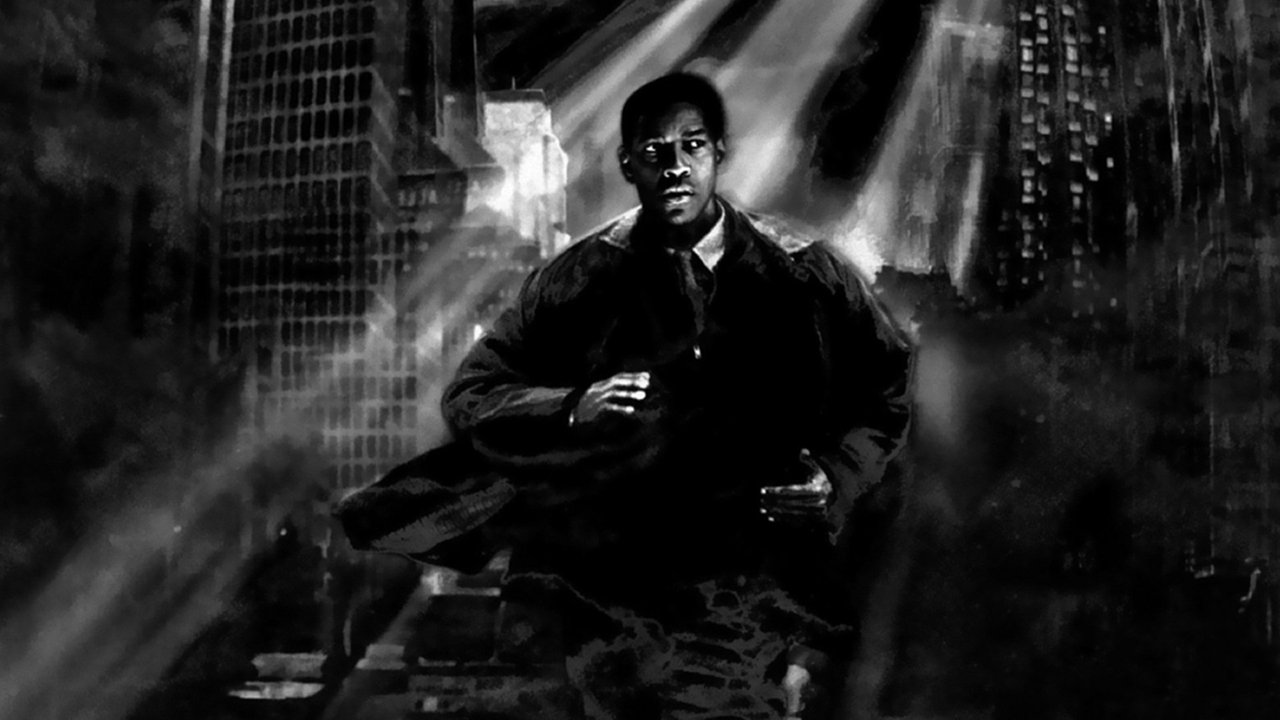
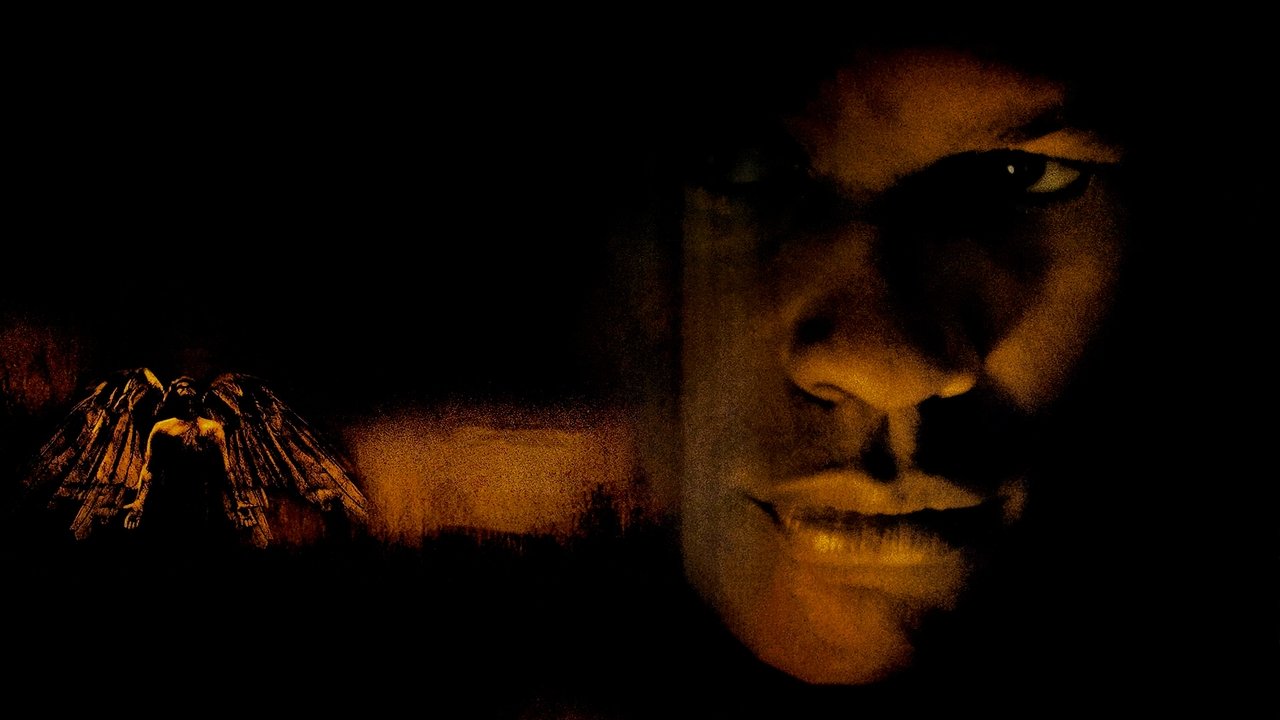
The film’s masterstroke lies in its depiction of Azazel. There are no elaborate monster suits or excessive CGI transformations here (a blessing of its late-90s production). Instead, Azazel’s presence is suggested through subtle shifts in behavior, a knowing glance from a stranger, a fleeting change in vocal cadence, and unsettling point-of-view shots that put us inside the demon’s perspective as it hops from body to body. This minimalist approach is far more effective, tapping into a primal fear of the unseen and the untrustworthy nature of the mundane. The filmmakers even consulted a theological expert to ensure the authenticity of the Aramaic used by Reese and referenced in Hobbes' investigation, a detail adding a layer of chilling credibility. The entity’s signature, of course, is that haunting rendition of "Time Is On My Side," a constant, mocking reminder of its eternal nature compared to Hobbes’s fleeting mortality. Securing the rights from The Rolling Stones apparently wasn't cheap, but it's hard to imagine the film hitting the same nerve without it.
Retro Fun Facts: The Making of Malaise
- Shot on location in Philadelphia, the filmmakers deliberately sought out gritty, atmospheric settings to enhance the noirish dread. Think less tourist postcard, more decaying infrastructure.
- The film operated on a respectable $46 million budget but faced mixed critical reviews upon release, with some finding it too similar to other thrillers or tonally uneven. However, it found a significant second life on VHS and DVD, becoming a cult favorite precisely for its bleak atmosphere and intelligent premise – a familiar story for many genre gems of the era.
- Gregory Hoblit focused on practical techniques to convey Azazel's movement – clever editing, Steadicam work mimicking the demon's POV, and relying on actors to subtly signal the change, rather than flashy effects. This restraint arguably makes the threat feel more insidious and real.
- Nicholas Kazan initially conceived the story in the 1980s, inspired by a sense of pervasive, unseen evil in the world. Its journey to the screen took time, perhaps waiting for the right confluence of talent and audience mood.
Does the Dread Endure?
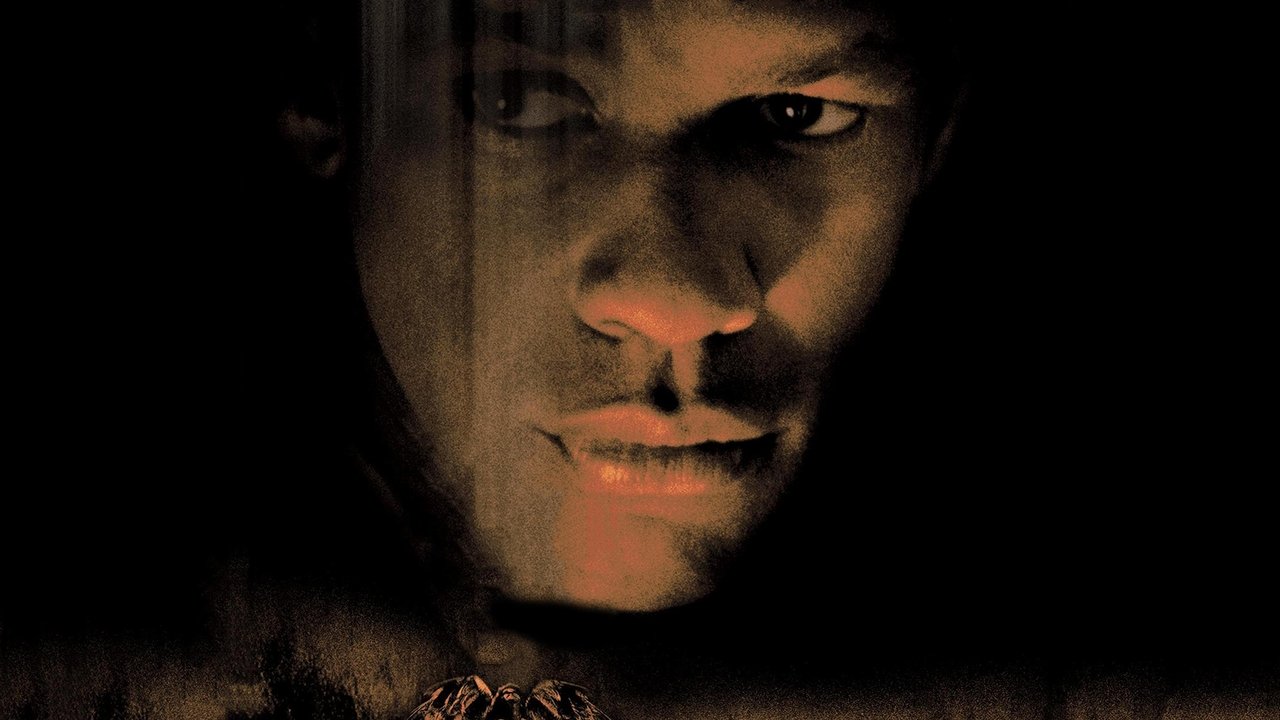
Fallen isn't flawless. Some viewers might find the pacing deliberate, especially in the first half as the investigation unfolds. And yes, looking back, some plot mechanics might feel familiar within the supernatural thriller genre it helped shape. But its power lies in its oppressive atmosphere, Washington’s compelling central performance, and that core, terrifying concept of an enemy who hides in plain sight. The film taps into a deep-seated anxiety about losing control, about the people around us potentially harboring darkness, and the chilling thought that some battles might be unwinnable. Remember watching this late at night, maybe on a rented tape, feeling that specific creeping unease settle in? It wasn't just the flickering CRT screen; it was the film getting under your skin.
VHS Heaven Rating: 8/10
This score reflects the film's masterful atmosphere, Denzel Washington's powerhouse performance, its genuinely unsettling core concept, and its status as a standout supernatural thriller of the 90s. While perhaps a touch predictable in moments for seasoned genre fans, its execution is slick, intelligent, and effectively chilling. It’s a film that understood that true horror often lies not in what you see, but in the dawning realization of what you can't fight. Fallen remains a potent piece of late-90s dread, a film that whispers its dark truths long after the credits (and that damn song) fade to black.