The rain never seems to stop in this city, does it? It washes the grime down the gutters, mirroring the darkness pooling in the corners of the human soul that The Bone Collector dredges up. Released in the dying light of 1999, this wasn't just another thriller hitting the shelves at Blockbuster; it felt like a final, grim punctuation mark on a decade obsessed with the minds of monsters. It arrived slick and dark, promising a puzzle box of horrors, anchored by the sheer magnetism of its leads.
A Brilliant Mind, Broken Cage
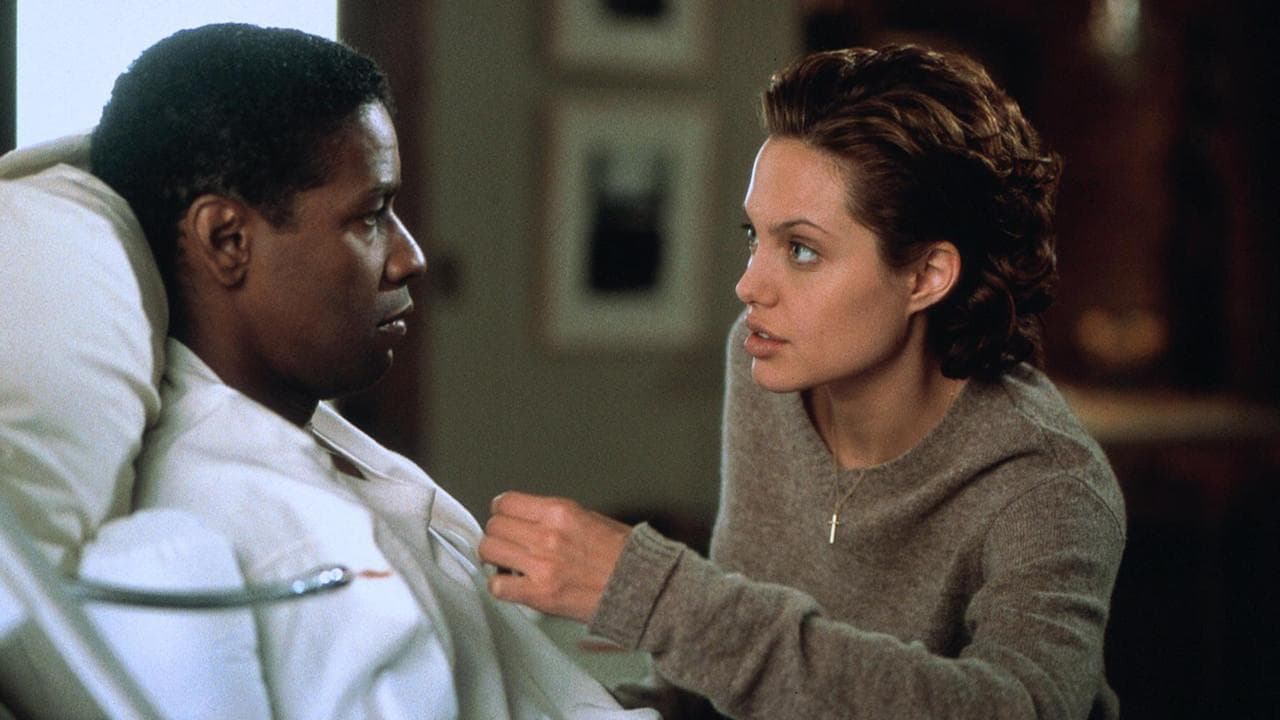
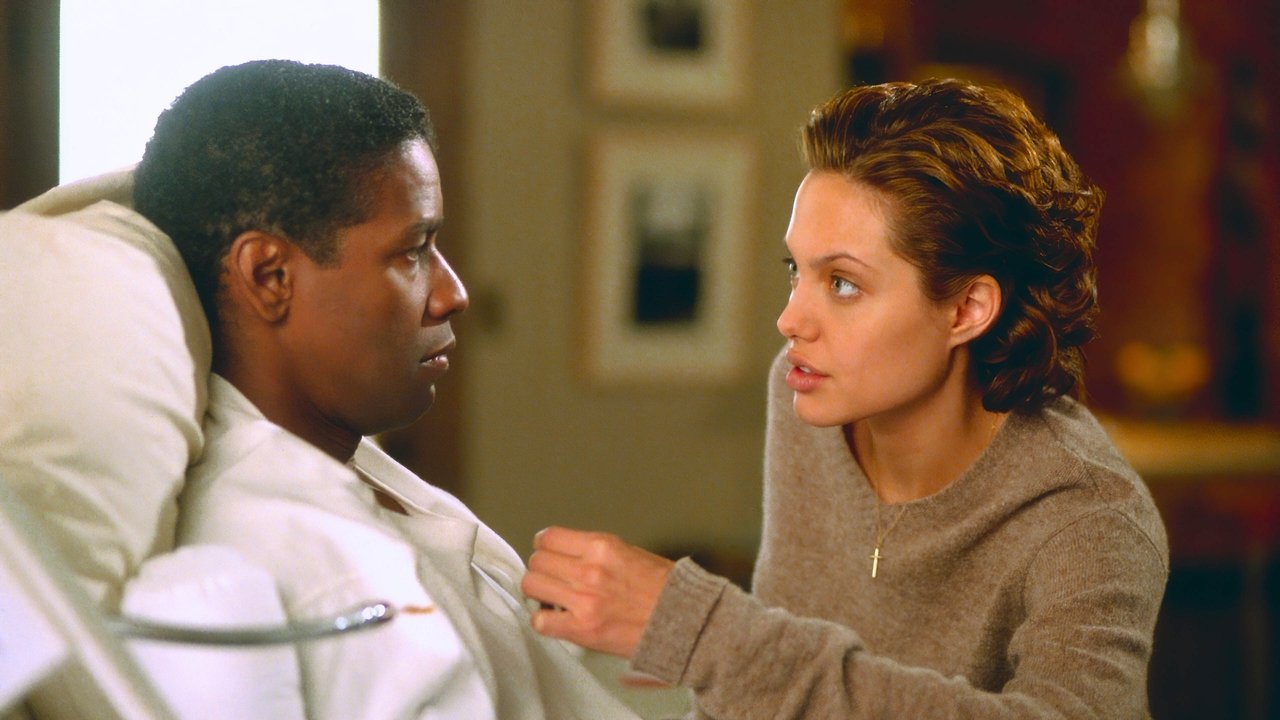
At the heart of the chill is Lincoln Rhyme, brought to shattering life by Denzel Washington. Here was an actor at the peak of his powers, taking on the immense challenge of portraying a man robbed of almost all physical agency. Rhyme, a genius forensic criminologist, is left quadriplegic after a devastating accident. Washington's performance is a masterclass in restraint, conveying Rhyme's razor-sharp intellect, simmering frustration, and profound vulnerability often through little more than the intensity in his eyes and the cadence of his voice. It's said Washington spent considerable time with individuals living with quadriplegia, immersing himself in their realities to capture the physical and psychological nuances. That dedication bleeds through the screen; you feel the phantom itch he can't scratch, the burning mind trapped within an unresponsive vessel. It’s a role that could easily slip into melodrama, but Washington grounds it with a fierce, compelling dignity.
Eyes on a Grimy World
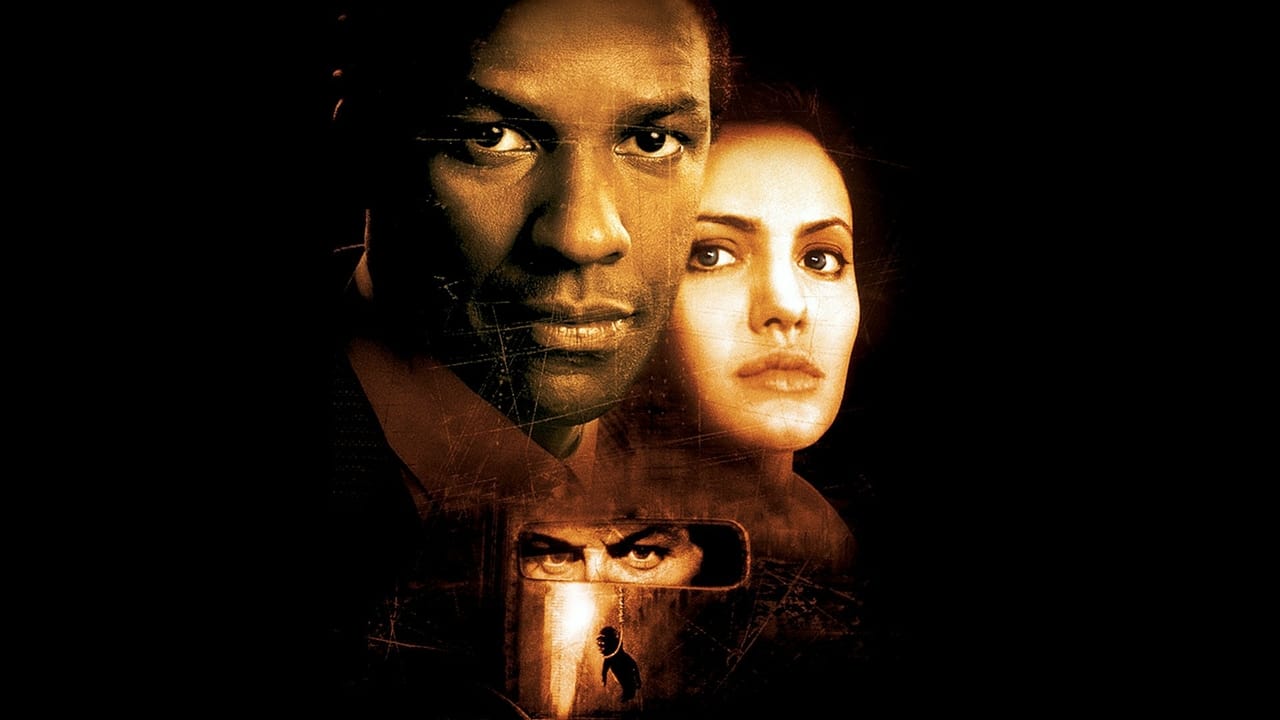
Into Rhyme's technologically augmented seclusion steps Amelia Donaghy, played by a young Angelina Jolie, right on the cusp of superstardom (Girl, Interrupted would earn her an Oscar the same year). Donaghy is a street cop, sharp but haunted, thrust into the role of Rhyme's eyes, ears, and hands on the horrifyingly tactile crime scenes left by a meticulous serial killer. Jolie brings a raw, nervy energy to the part, a necessary counterpoint to Washington's stillness. Their relationship, built entirely through headsets and monitors, becomes the film's pulse. The way director Phillip Noyce, already a dab hand at thrillers like Patriot Games (1992) and Clear and Present Danger (1994), stages their interactions – the claustrophobia of Rhyme's apartment contrasted with the sprawling, decaying urban landscapes Donaghy navigates – creates a unique, technologically mediated tension. Remember the awkwardness, the intimacy, the sheer reliance Rhyme has on Donaghy's descriptions? It felt chillingly real.
Atmosphere Thicker Than Fog
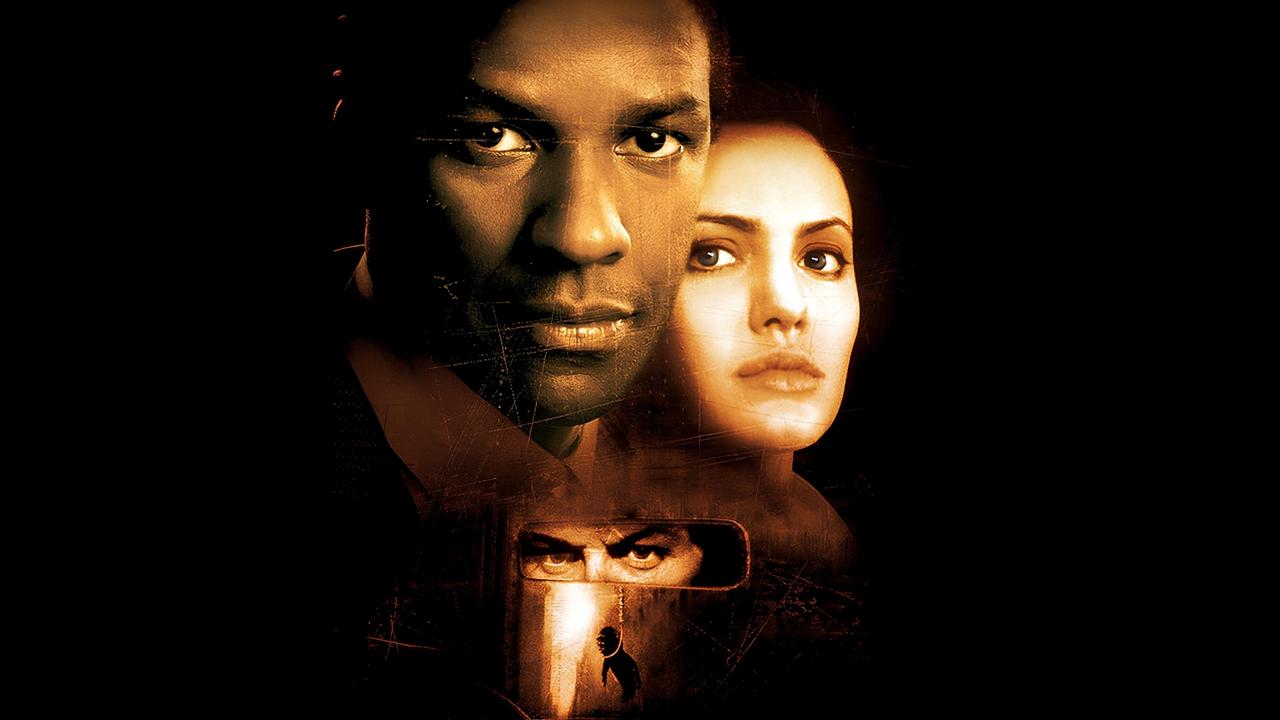
The Bone Collector undeniably owes a debt to the grim aesthetic popularized by Se7en (1995), but it carves out its own particular brand of dread. Noyce and cinematographer Dean Semler paint a picture of late 90s New York (with some interiors reportedly shot in Montreal for budgetary reasons) that feels perpetually damp, decaying, and dangerous. The killer’s methods are theatrical, grotesque, leaving behind clues steeped in archaic lore and, of course, bone fragments. The production design leans into the macabre: Rhyme's apartment, a fortress of technology against physical helplessness, feels both futuristic and like a Victorian medical ward. The crime scenes themselves – a hand reaching from buried rubble, a victim chained near superheated steam – are staged for maximum unease rather than outright gore, focusing on the psychological horror of the victim's final moments. It’s less about the jump scare and more about the lingering crawl under your skin. And who could forget Queen Latifah as Thelma, Rhyme's indispensable nurse and caretaker, adding a vital layer of warmth and grounded humanity amidst the grim proceedings?
Unearthing the Details
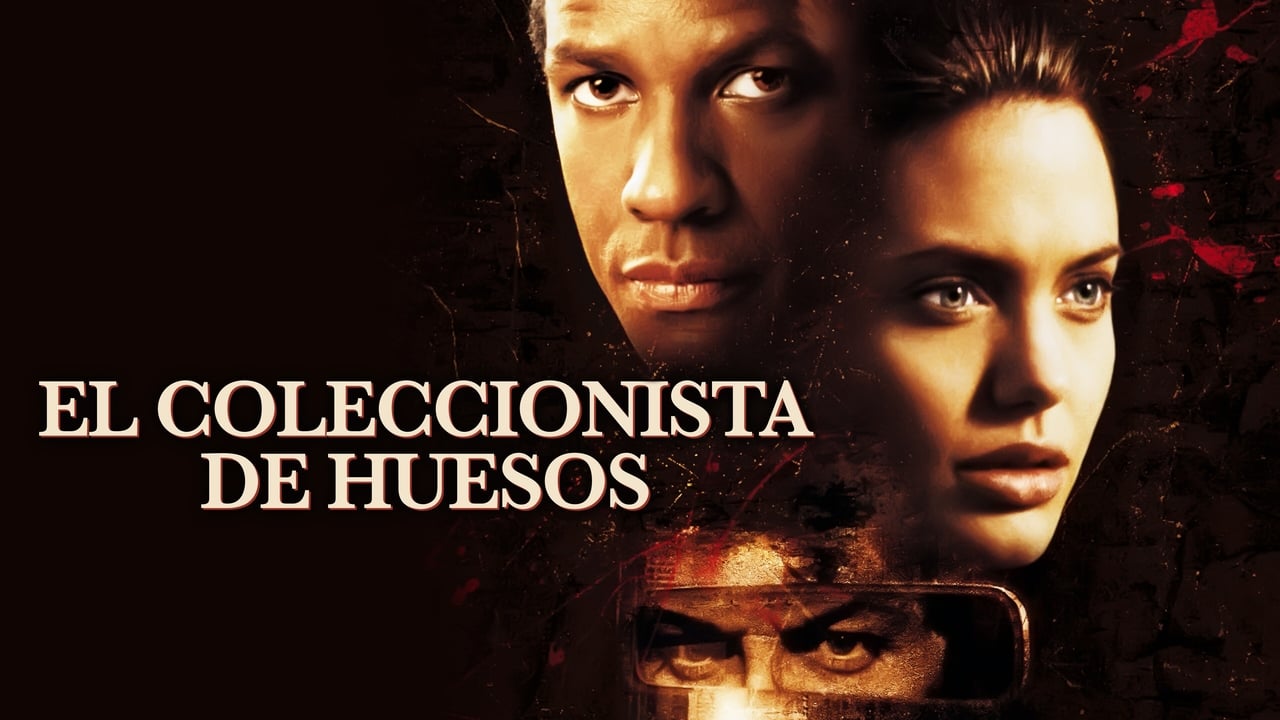
Based on the first novel in Jeffery Deaver's popular Lincoln Rhyme series, the screenplay by Jeremy Iacone had the tricky task of translating intricate forensic detail into cinematic tension. While some plot mechanics might feel familiar to seasoned thriller fans (the race against time, the elaborate clues), the film largely succeeds thanks to its focus on character and atmosphere. It wasn't a cheap production either, reportedly costing around $48 million, but it found its audience, pulling in over $151 million worldwide – a solid return proving the appetite for dark, star-driven thrillers was still strong. Interestingly, despite the wealth of source material in Deaver's subsequent novels, this remains the only big-screen adaptation, though a short-lived TV series, Lincoln Rhyme: Hunt for the Bone Collector, surfaced in 2020. Perhaps the specific chemistry between Washington and Jolie was deemed too crucial to replicate. Did that final twist genuinely shock you back then, or did you piece it together like Rhyme himself?
Final Frame
The Bone Collector might not have reinvented the serial killer genre, and watching it now, some of the forensic tech feels charmingly dated (those chunky monitors!). Yet, it remains a potent, atmospheric thriller elevated by two powerhouse performances at its core. It captured that late-90s vibe perfectly – slick, dark, and intelligent, even if slightly beholden to its influences. It’s the kind of film that made renting a VHS on a rainy Friday night feel like an event, a descent into a well-crafted nightmare you were eager to solve from the safety of your couch.
Rating: 7/10
Justification: The strong performances from Washington and Jolie, coupled with Noyce's assured direction and a genuinely thick, unsettling atmosphere, make this a memorable 90s thriller. It effectively builds tension and delivers some chilling set pieces. However, it loses a few points for a plot that sometimes feels derivative of earlier, more groundbreaking entries in the genre (Se7en looms large) and a final act reveal that might not surprise everyone. Still, it’s a gripping watch that holds up well.
Legacy: A prime example of the high-concept, star-driven studio thriller that thrived in the 90s, The Bone Collector remains a solid entry in the genre and a showcase for its leads, even if it didn't quite achieve the iconic status of some of its contemporaries. It’s a grimly satisfying puzzle, perfectly preserved on those chunky plastic tapes.