The flickering static hiss of the tracking adjustment fades, and the screen plunges into the neon-drenched, rain-slicked streets of Hong Kong. But this isn't the playful urban playground we often associate with its biggest cinematic export. This is something colder, harder, steeped in a weary dread. 1993's Crime Story (Zhong an zu) hits differently, a brutal departure that still feels raw, even through the fuzzy warmth of magnetic tape. Forget the charming rogue; here, we get a Jackie Chan stripped bare, haunted and dangerously close to the edge.

A Different Shade of Chan
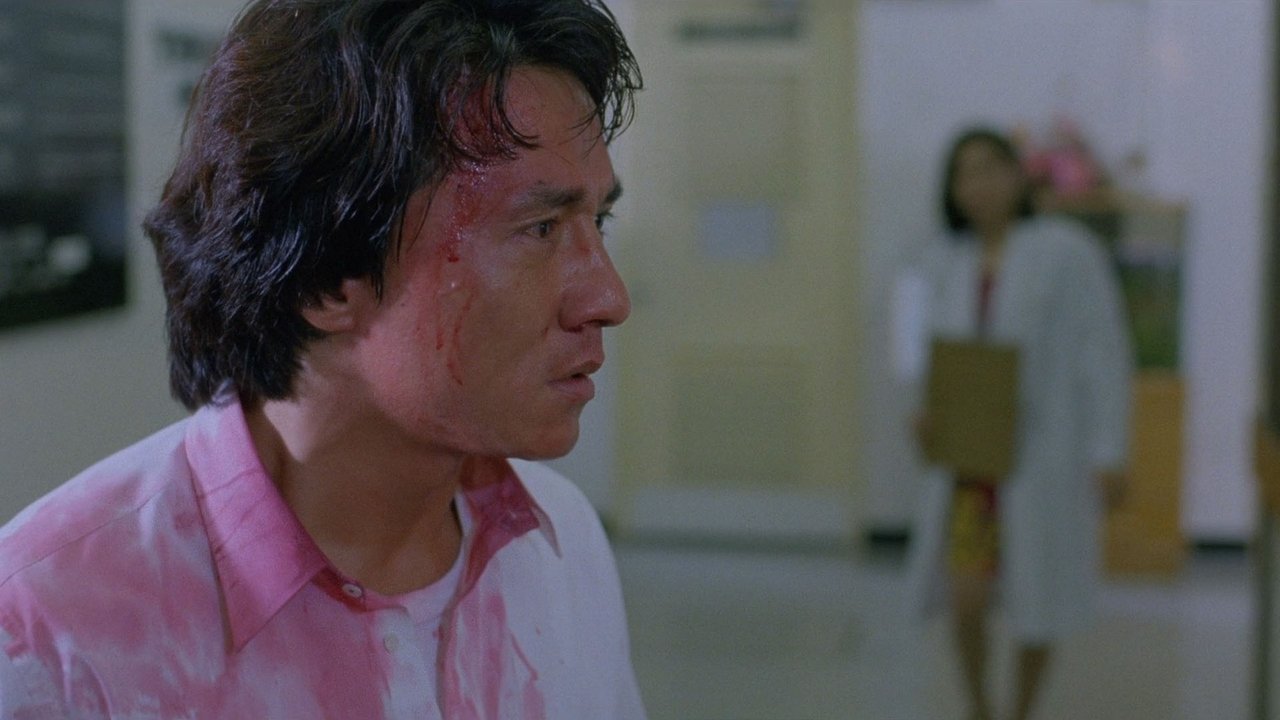
Based on the chilling real-life kidnapping of businessman Teddy Wang Tei-huei, the film immediately establishes a tone far removed from the acrobatic slapstick Chan had perfected. He plays Inspector Eddie Chan, a police officer grappling with severe PTSD after a traumatic shootout. When assigned to protect wealthy property developer Wong Yat-fei (played with suitable gravitas by Law Kar-Ying), Chan finds himself drawn into a violent conspiracy after Wong is brazenly abducted. There are car chases and fistfights, yes, but the usual buoyant energy is replaced by desperation and grim necessity. This isn't about outsmarting goons with a ladder; it's about survival in a corrupt, decaying world.
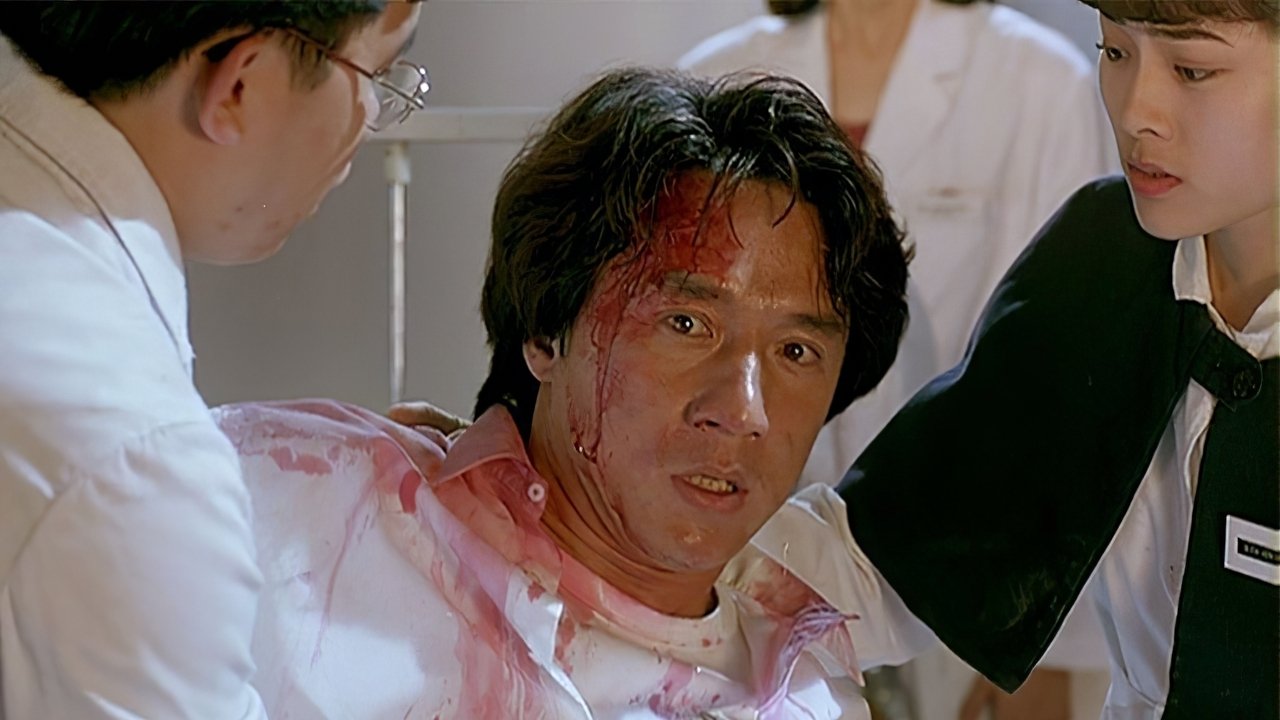
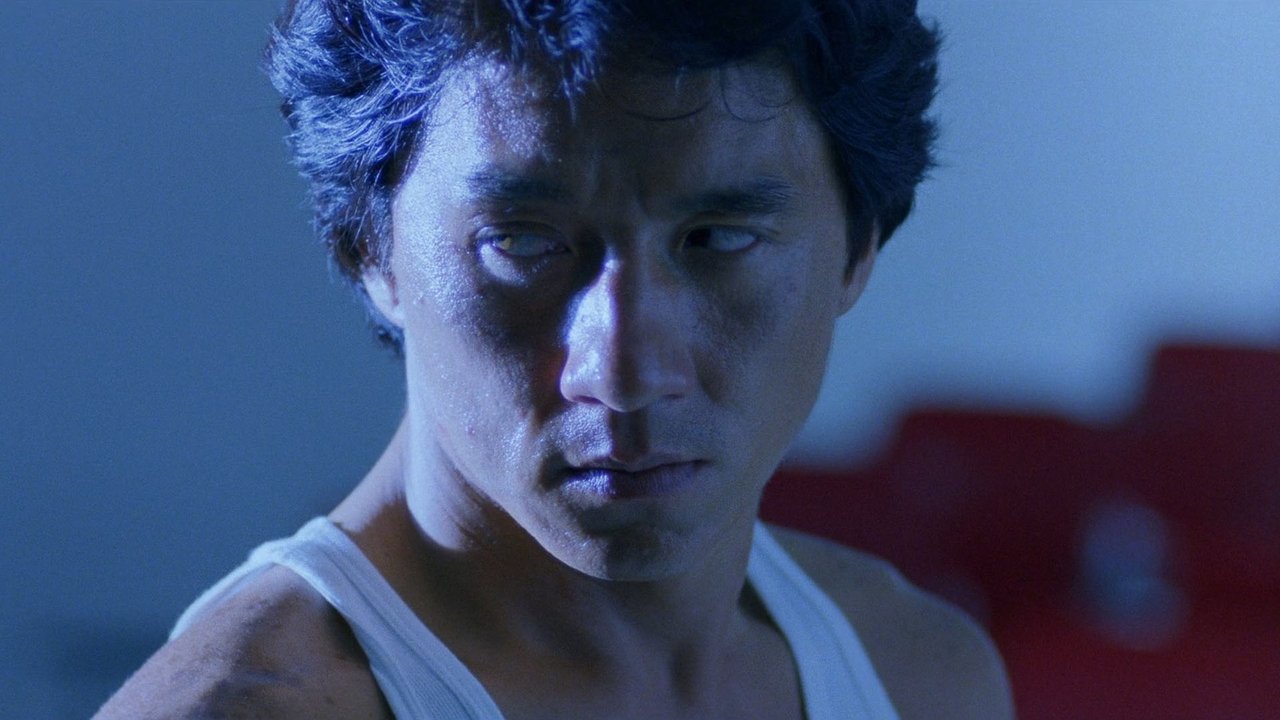
Chan’s performance here is revelatory. Reportedly, he was initially hesitant about the project's darkness, a stark contrast to the family-friendly image he was cultivating. Director Kirk Wong, known for his gritty crime thrillers like Organized Crime & Triad Bureau (1994), pushed for realism. While whispers persist about Chan stepping in to reshoot certain sequences to perhaps soften the bleakest edges (a common occurrence when stars feel their image is at stake), the final product remains startlingly intense. The pain in Chan’s eyes, the tightly coiled tension in his movements – it’s a masterful dramatic turn that rightly earned him the Best Actor award at the Golden Horse Film Festival. It’s a reminder that beneath the beloved stuntman lies a genuinely compelling actor.
Brutal Reality Bites
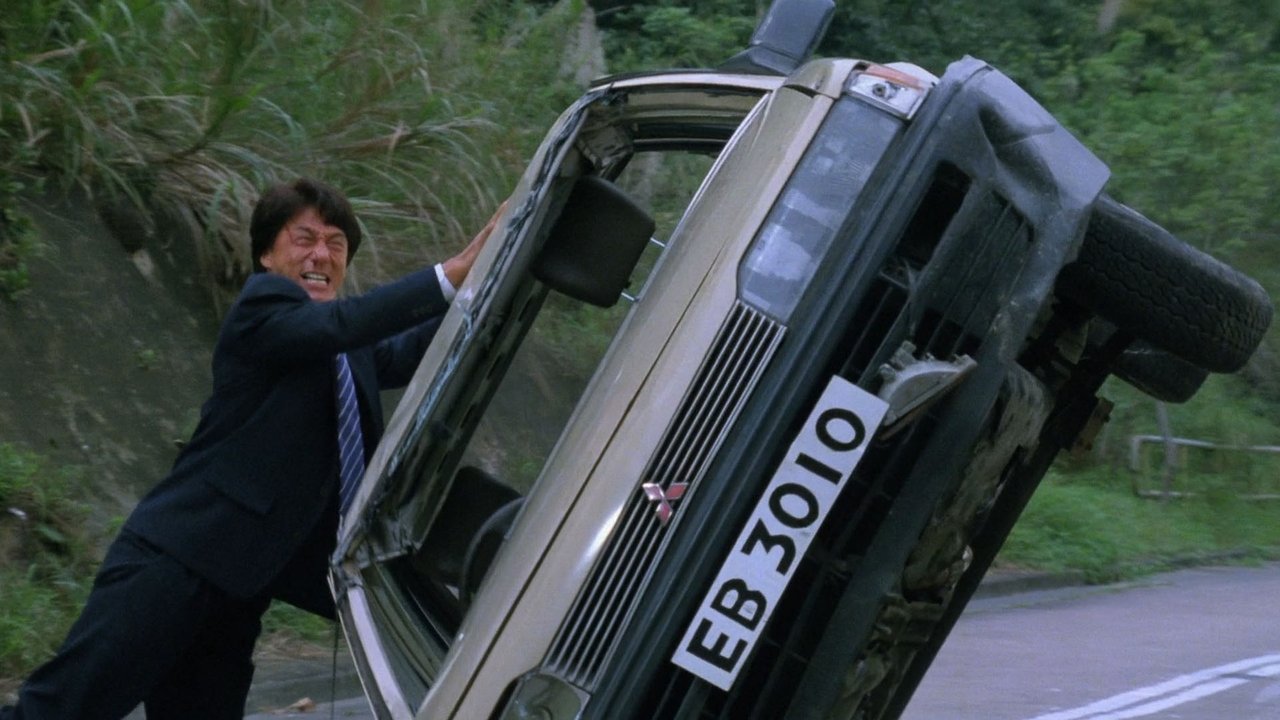
Kirk Wong orchestrates the chaos with unflinching precision. The action sequences feel visceral and grounded. An early restaurant shootout is messy and terrifying, bullets tearing through plaster and flesh with alarming weight. A multi-vehicle chase through the congested streets of Taiwan isn't played for laughs; it’s a symphony of screeching tires and shattering glass, highlighting recklessness born of desperation. Remember the sheer impact of those stunts back then? Seeing Chan, known for impossible physical comedy, engage in such life-or-death struggles felt genuinely shocking.
The film’s production wasn't without its own real-world intensity. Filming the climactic sequence within a genuinely collapsing, fire-ravaged building structure in Kowloon pushed the boundaries of safety, even by Hong Kong action standards. Chan, as always, performed his own dangerous leaps and falls amidst the debris, but the context lends these feats a terrifying gravity rather than exhilarating spectacle. There’s a palpable sense of danger that bleeds through the screen, a rawness amplified by the slightly grainy, lived-in look inherent to VHS viewing.
Echoes in the Concrete Jungle
Alongside Chan, Kent Cheng delivers a solid, grounding performance as Detective Hung, initially suspected by the paranoid Inspector Chan but ultimately proving a crucial, level-headed ally. Their dynamic provides some of the film's few moments of camaraderie amidst the overwhelming bleakness. The film captures a specific anxiety of late 20th-century Hong Kong – the towering skyscrapers casting long shadows, the pervasive sense of corruption, the vulnerability beneath the city’s gleaming surface. The score, often punctuated by stark percussion and mournful synth lines, underscores the pervasive sense of dread.
Crime Story wasn't perhaps the Jackie Chan film casual fans rushed to rent every Friday night, expecting another Police Story (1985) or Armour of God (1986). It demanded more from its audience, offering a grim procedural thriller instead of light-hearted adventure. Yet, its $HK 28.1 million gross in Hong Kong proved audiences were willing to follow Chan into darker territory. Watching it now, it feels like a vital piece of his filmography, a potent demonstration of his range often overshadowed by his more globally recognized comedic work. Doesn't that performance still feel surprisingly powerful, cutting through the nostalgic haze?
Final Verdict
Crime Story is a stark, compelling, and often brutal Hong Kong action thriller. It stands as a testament to Jackie Chan's dramatic capabilities and Kirk Wong's talent for crafting gritty, realistic crime narratives. While missing the lighthearted charm many associate with Chan, its raw intensity, grounded action, and basis in true events make it a uniquely powerful viewing experience, especially for those who remember the visceral impact it delivered on home video. It’s a film that lingers, its unease echoing long after the tape ejects.
Rating: 8/10 – A gripping, darker-than-expected turn for Chan, anchored by intense action and a genuinely unsettling true-crime core. It might surprise those only familiar with his lighter fare, but rewards viewers seeking a potent dose of 90s Hong Kong grit. It remains a standout, proving Chan could break your heart as effectively as he could break bones.