Okay, fellow tape-heads, dim the lights, adjust the tracking if you need to (you probably do), and let's talk about a slice of pure, uncut 90s action insanity: 1991's Ricochet. Forget your subtle thrillers; this flick grabs you by the collar from the opening frames and pretty much shakes you senseless for nearly two hours. If your worn VHS copy wasn't already buzzing from previous viewings, it definitely earned its static by the time the credits rolled on this one.
### When Rising Star Meets Pure Evil
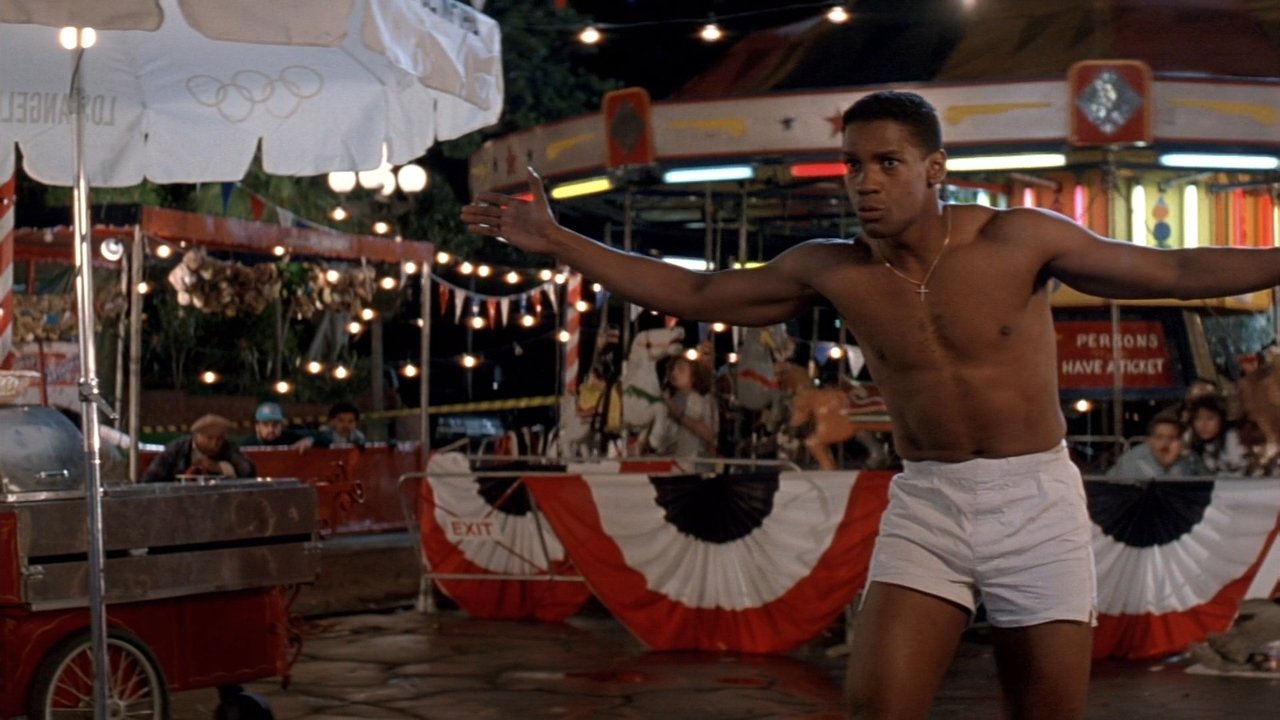
Remember that opening scene? A fresh-faced rookie cop, Nick Styles (Denzel Washington, already radiating that star power we'd see explode later in films like Malcolm X and Training Day), takes down psychotic hitman Earl Talbot Blake (John Lithgow) during a chaotic drug deal bust... using a clever bit of public humiliation involving nudity on a packed playground basketball court. It's audacious, it's slightly ridiculous, and it perfectly sets the stage for the escalating vendetta that fuels this movie. Styles becomes a hero, climbs the ranks to Assistant DA, has the perfect family, the perfect life. Blake? He stews in prison, nursing a grudge that borders on the operatic.
And let's talk about John Lithgow. We knew him from gentler roles, even Oscar-nominated ones (Terms of Endearment), and maybe the quirky alien dad on TV later (3rd Rock from the Sun). But here? He crafts one of the most gleefully unhinged villains of the era. Blake isn't just bad; he's a master manipulator, a physical chameleon, and terrifyingly intelligent. Retro Fun Fact: Lithgow apparently dove deep into researching prison culture and the Aryan Brotherhood (Blake's prison allies) to inform his performance, adding layers of chilling authenticity beneath the theatrical menace. He’s not just chewing the scenery; he’s practically swallowing the set whole, and it's mesmerizing.
### Mulcahy's MTV Mayhem
Directing this glorious chaos is Russell Mulcahy, the Australian maestro behind the stylish swordplay of Highlander (1986) and countless iconic music videos from the 80s (Duran Duran, anyone?). His fingerprints are all over Ricochet. The editing is razor-sharp, the camera angles are often dramatic and unconventional, and there's a hyper-kinetic energy pulsing through the whole film. It sometimes feels less like a standard thriller and more like a fever dream broadcast directly from the heart of early 90s MTV aesthetics, drenched in neon and shadows.
This visual flair extends to the action, which feels delightfully physical. Remember those bone-jarring practical effects? Explosions looked like real fire because they were real fire. When cars smashed, you felt the twisted metal. Blake's prison escape, involving a daring swap and some brutal takedowns, feels raw and dangerous in a way that slicker, CGI-heavy sequences often miss today. The climactic showdown at the Watts Towers involves real stunt performers doing genuinely perilous work high above the ground. Retro Fun Fact: The script had serious action pedigree, with initial work by Fred Dekker (cult favorite director/writer of Night of the Creeps and The Monster Squad) and a major rewrite by the legendary Steven E. de Souza, the powerhouse scribe behind action behemoths like Die Hard (1988) and Commando (1985). You can feel de Souza's touch in the relentless pacing and the almost comic-book level of escalating conflict.

### More Than Just Bang and Boom?
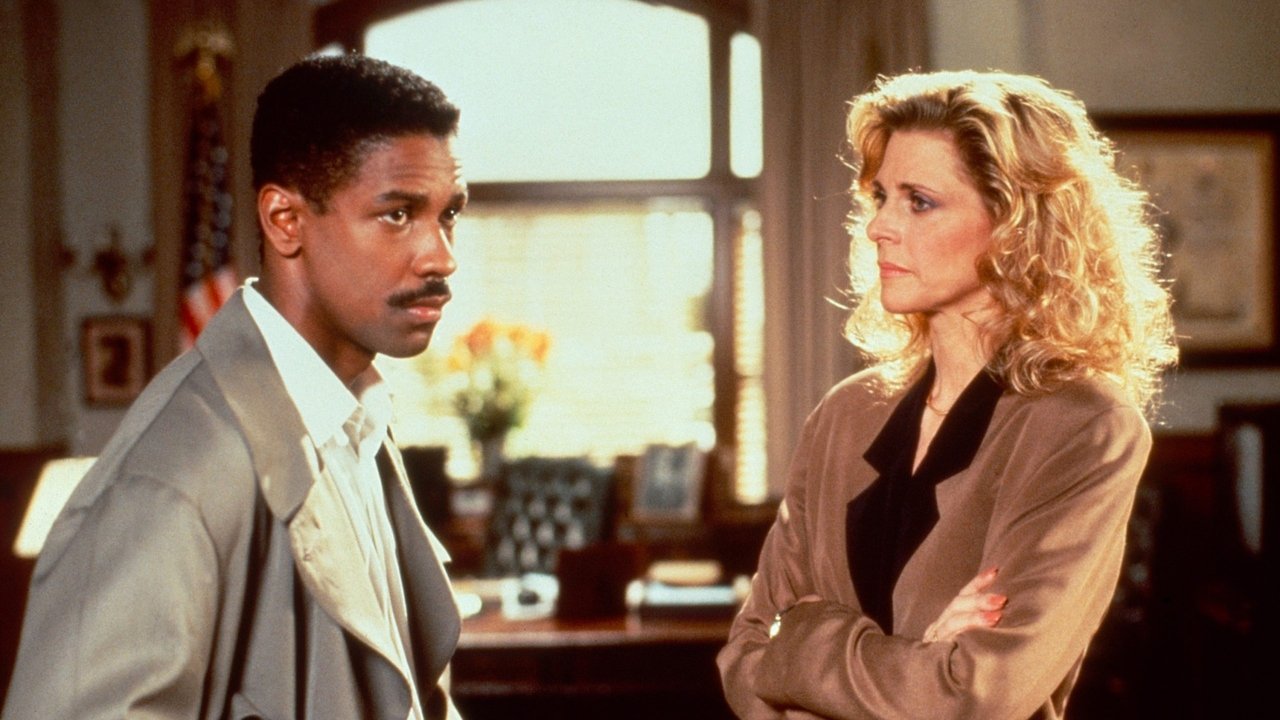
While the action and Lithgow's performance are the main events, Denzel Washington holds his own, grounding the film as the increasingly desperate hero. Watching Blake systematically dismantle Styles' life – framing him for affairs, drug use, even murder – is genuinely harrowing. The film doesn't shy away from the psychological torment, making Blake's villainy feel deeply personal and cruel. There's a nasty edge here that elevates it beyond simple popcorn fare.
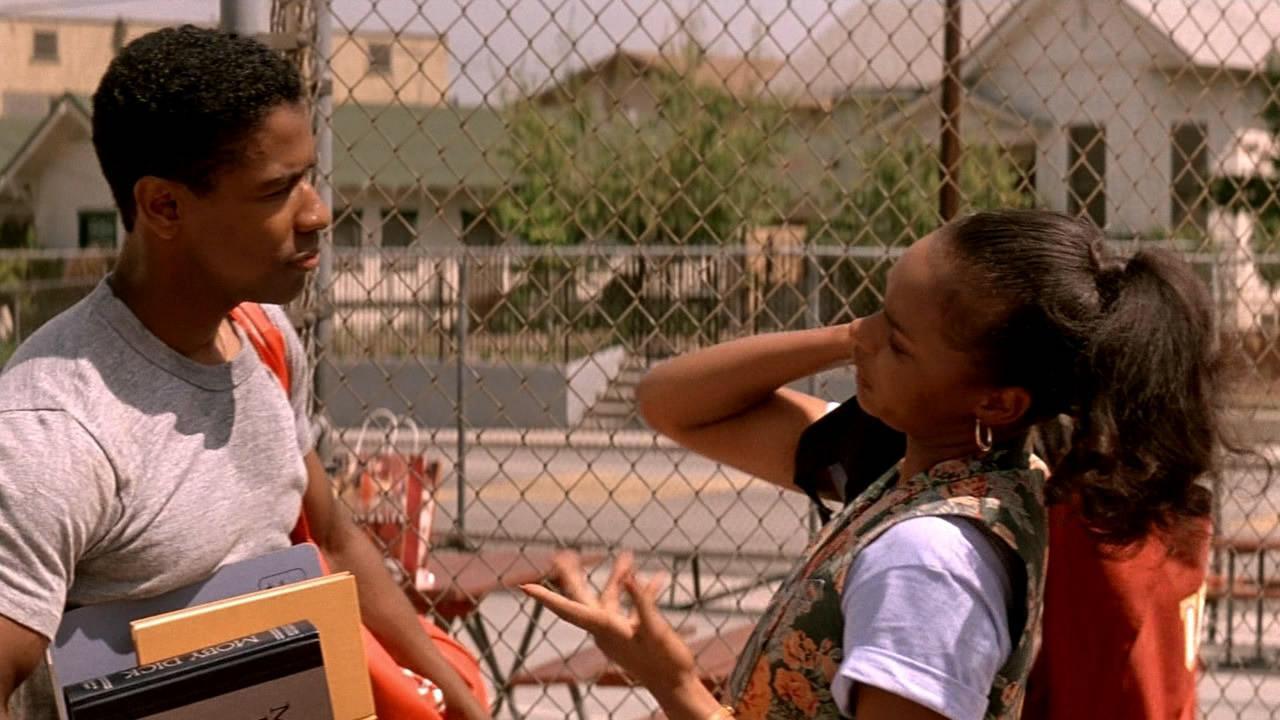
Shout out also to Ice-T, playing Styles' childhood friend turned drug kingpin, Odessa. He brings a necessary street-level grit and loyalty, acting as Styles' reluctant ally when the system turns against him. Their dynamic adds another layer to the film's exploration of different sides of the law and loyalty in South Central LA, where much of the movie was filmed, adding a layer of authenticity to the backdrop.
The film wasn't a runaway smash hit back in '91 – it made decent money (around $22 million domestic on an estimated $15-20 million budget, maybe $45-50 million today) but got mixed reviews, with some critics finding Mulcahy's style too excessive and the plot too outlandish. But like so many gems from the era, it found its audience on home video. Renting Ricochet felt like uncovering something potent and maybe a little dangerous – the kind of movie you'd watch late at night and talk about for days.
### The Verdict
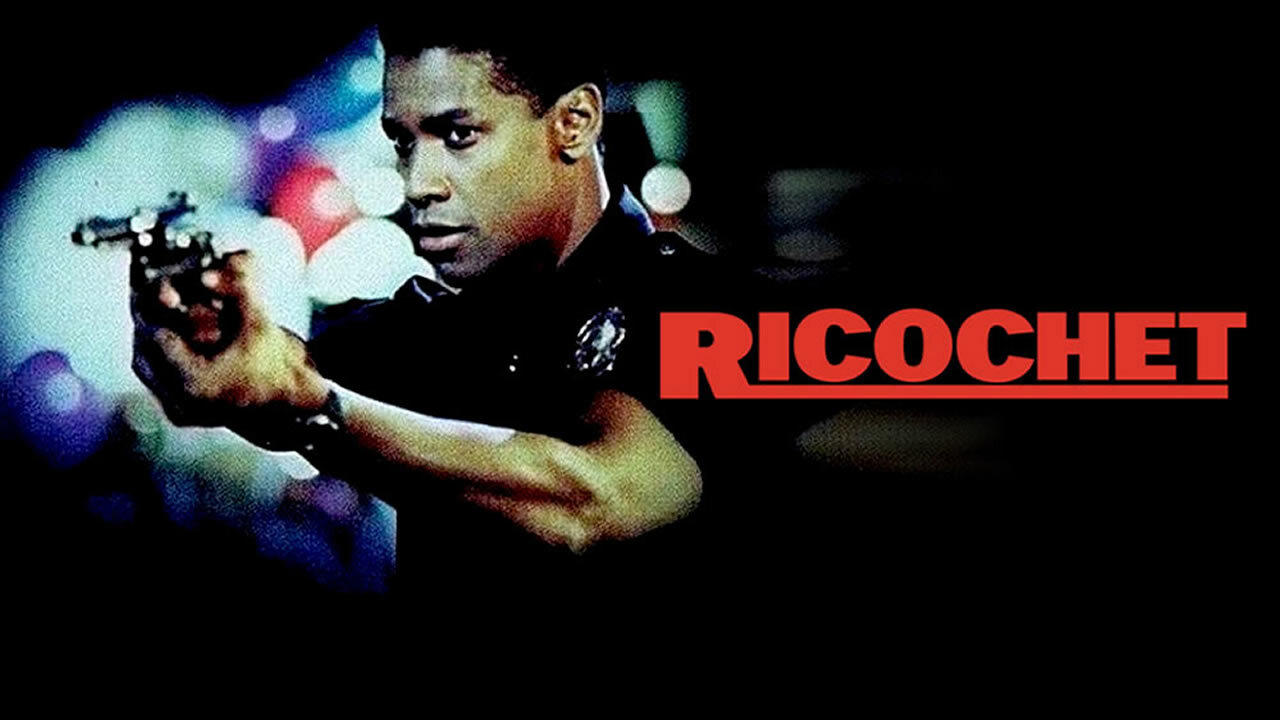
Ricochet is pure, unadulterated 90s action filmmaking cranked up to eleven. It’s stylish, brutal, occasionally nonsensical, and anchored by two powerhouse performances trading blows across a landscape of practical stunts and pyrotechnics. It walks a tightrope between gritty urban thriller and almost surreal levels of villainous plotting, and somehow, largely thanks to Lithgow's magnetic evil and Washington's desperate heroism, it works.
Rating: 8/10 - The plot strains credulity harder than a worn-out VHS tape, and the style can be overwhelming, but the sheer energy, Lithgow’s iconic villainy, and the raw impact of the practical action make this an absolute blast and a standout of its time.
Final Thought: In an age of often sanitized action, Ricochet is a glorious, messy, adrenaline-fueled reminder of when Hollywood wasn't afraid to let its thrillers get truly, wonderfully wild. Fire it up – just maybe check the tracking first.