It starts with a question whispered between panicked breaths, somewhere deep in the hazy redwood forests of Northern California: what do you do when the boss is dead, but the deal is still very much alive? That's the central knot tightening around the characters in Stephen Gyllenhaal's 1998 film Homegrown, a movie that drifted into video stores with a stacked cast and a premise that promised a darkly comedic trip into the weed business, only to reveal something a bit more tangled and uncertain. Picking up that clamshell case back in the day, maybe drawn by Billy Bob Thornton's familiar drawl or the promise of a quirky crime caper, you might not have known you were in for such a slow burn of paranoia and questionable choices.
High Stakes in the Emerald Triangle
The setup is deceptively simple: Jack (Thornton), Carter (Hank Azaria), and Lucy (Kelly Lynch) are experienced trimmers working on a massive marijuana farm for the enigmatic Malcolm (played briefly but effectively by John Lithgow). When Malcolm is unexpectedly murdered, leaving behind a fortune in harvested product and connections for a huge sale, the trio sees not just danger, but opportunity. Their decision to hide the death and try to complete the sale themselves spirals into a tense, often funny, but increasingly desperate game of improvisation. Gyllenhaal, who also co-wrote the script with Nicholas Kazan (known for penning Reversal of Fortune), crafts an atmosphere thick with the scent of pot and creeping anxiety. The Northern California locations feel authentic, adding a layer of grounded reality to the increasingly absurd situation. It’s a place where everyone seems to know everyone else’s business, yet deep secrets fester just beneath the surface.
Interestingly, the film itself seemed to mirror its characters' struggles for traction. Despite a respectable $10 million budget (around $18.6 million today) and a cast brimming with talent, Homegrown famously stumbled at the box office, pulling in a mere $267,000. Was it the tricky blend of tones? The morally ambiguous characters? It’s hard to say, but this commercial failure cemented its status as a cult curiosity, the kind of film discovered rather than consumed en masse – a true VHS gem waiting on a dusty shelf.
A Cast Adrift in Green Fog
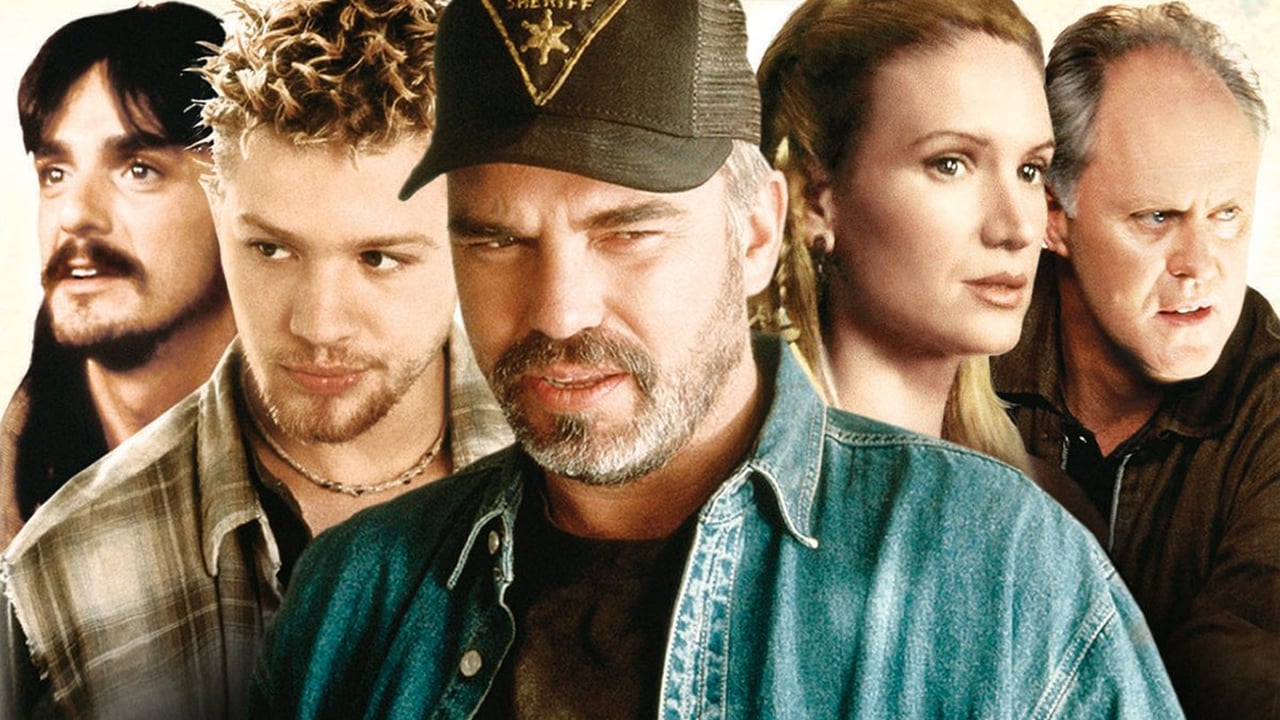
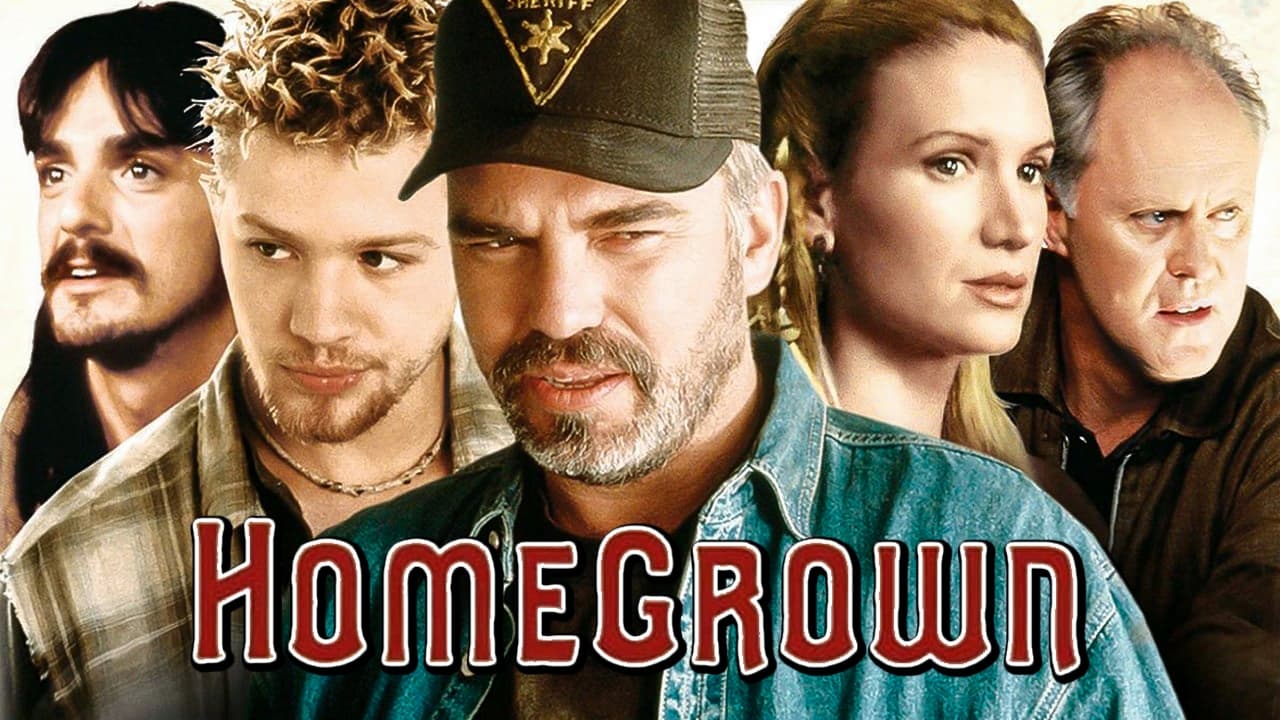
What truly holds Homegrown together, even when the plot meanders, is the ensemble cast. Billy Bob Thornton, fresh off his Sling Blade (1996) success, anchors the film as Jack, the relatively cool-headed (or perhaps just resigned) member of the trio. His underplayed style works beautifully here, a weary center in a storm of panic largely whipped up by Hank Azaria's Carter. Azaria leans into Carter's jittery energy, providing much of the film's nervous comedy as he struggles to keep up appearances. Kelly Lynch, often the pragmatic heart of the group, brings a grounded weariness to Lucy, trying to navigate the mess with some semblance of control.
The supporting cast is a delightful who’s-who of late-90s talent popping up in unexpected roles. Jon Bon Jovi appears as a fellow grower, Ryan Phillippe as a young apprentice, and brief but memorable turns from Ted Danson and Jamie Lee Curtis add layers to the increasingly complicated web the main characters find themselves in. Each actor seems dialed into the film's specific wavelength, contributing to the overall sense of a community operating just outside the law, where loyalties are constantly tested. Does their plan make sense? Often, no. But watching them try to rationalize their way through escalating chaos is where the film finds its peculiar charm.
More Than Just Smoke and Mirrors?
Homegrown isn't a straightforward thriller, nor is it a laugh-out-loud comedy. It lives in that hazy space in between, exploring themes of greed, loyalty, and the sheer dumb luck (or lack thereof) that can derail even the simplest of illicit plans. The film doesn't particularly judge the marijuana trade itself; instead, it focuses on the human element – the panic, the opportunism, the fear of getting caught, and the bonds that fray under pressure. What happens to friendship when a life-changing score is on the line? It’s a question the film poses without offering easy answers.
Gyllenhaal's direction maintains a consistent mood, capturing both the beauty of the setting and the claustrophobia of the characters' situation. It doesn’t race towards a conclusion; rather, it lets the tension build organically, punctuated by moments of dark humor or sudden violence. This pacing might test some viewers expecting a more conventional crime flick, but it contributes to the film's unique identity. I remember renting this one, expecting something perhaps a bit slicker, maybe more action-packed, and being surprised by its more contemplative, character-driven approach. It stuck with me, not necessarily for its plot twists, but for its atmosphere and the believability of its flawed characters trying to bluff their way out of an impossible situation.
Rating and Final Reflection
6/10
Homegrown earns its score through its compelling ensemble cast, particularly the central trio, and its effective creation of a paranoid, sun-dappled atmosphere unique to its Northern California setting. The blending of dark comedy and suspense is often successful, providing moments of genuine tension and humor. However, the somewhat meandering plot and occasionally uneven pacing prevent it from reaching classic status. Its significant box office failure speaks to a film that perhaps didn't quite connect broadly, feeling more like an interesting experiment than a fully realized crime story.
Ultimately, Homegrown remains a fascinating late-90s curio, a testament to that era's indie spirit and willingness to explore morally grey areas with quirky characters. It's the kind of movie that might not blow you away, but its specific flavor lingers – a hazy memory of flawed people making desperate choices under the tall trees, leaving you to wonder just how far you might bend your own rules when faced with sudden, dangerous opportunity.