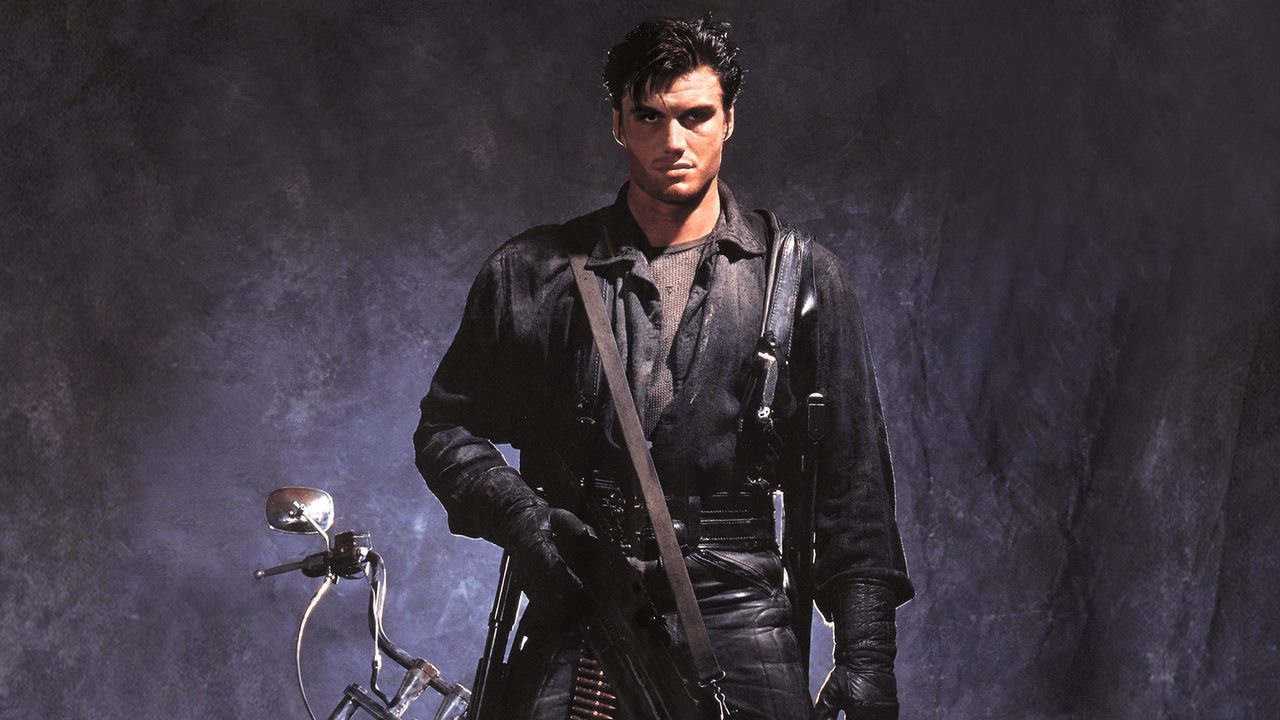
The flickering static gives way, not to a gleaming cityscape, but to the grimy maw of a sewer tunnel. Out steps Frank Castle, not clad in spandex or waving a flag, but looking like a specter of vengeance clawed up from the underworld itself. This isn't the comic book hero some expected in 1989; this is something bleaker, dirtier. Director Mark Goldblatt's The Punisher arrives not with a triumphant fanfare, but with the weary sigh of a city choking on its own corruption, captured perfectly on that slightly worn VHS tape rented on a shadowy Friday night.
### A Concrete Jungle of Despair
Forget the bright primary colours of the newsstands. This Punisher inhabits a world perpetually drenched in rain or shrouded in night, a stylized urban hellscape (convincingly, if incongruously, portrayed by Sydney, Australia). Goldblatt, known for his sharp editing work on action classics like The Terminator and Commando, brings a certain kinetic energy to the violence, but it's drenched in a nihilistic atmosphere. The film feels less like a superhero story and more like a grim 70s revenge thriller that time-warped into the late 80s, picking up some explosive squibs along the way. The plot pits Castle against the fractured remnants of the traditional mob, led by Gianni Franco (Jeroen Krabbé), only for them to face a more ruthless threat: the arriving Yakuza, commanded by the chillingly sadistic Lady Tanaka (Kim Miyori). Castle becomes less a hero and more a force of nature, an instrument of pure retribution caught in the crossfire.
### Lundgren: The Silent Storm
And at the eye of this storm stands Dolph Lundgren. Fresh off roles like Ivan Drago in Rocky IV, Lundgren embodies Frank Castle with a towering physical presence and a deep, brooding intensity. His Castle is a man of few words, his backstory sketched in brief, haunting flashbacks. He's less character, more archetype – the soldier who never came home from his personal war. It's a performance built on physicality and simmering rage rather than complex dialogue, fitting for this raw interpretation. Lundgren, a man with a Masters in Chemical Engineering, reportedly threw himself into the role's physical demands, performing many of his own stunts under the guidance of stunt coordinator Brian Smrz. You feel the grit and the danger in his movements, particularly during the signature sewer ambushes or the brutal motorcycle sequences. It wasn't a nuanced portrayal perhaps, but it was undeniably physical, selling the idea of one man as an unstoppable engine of vengeance.
### The Missing Symbol & Production Grit
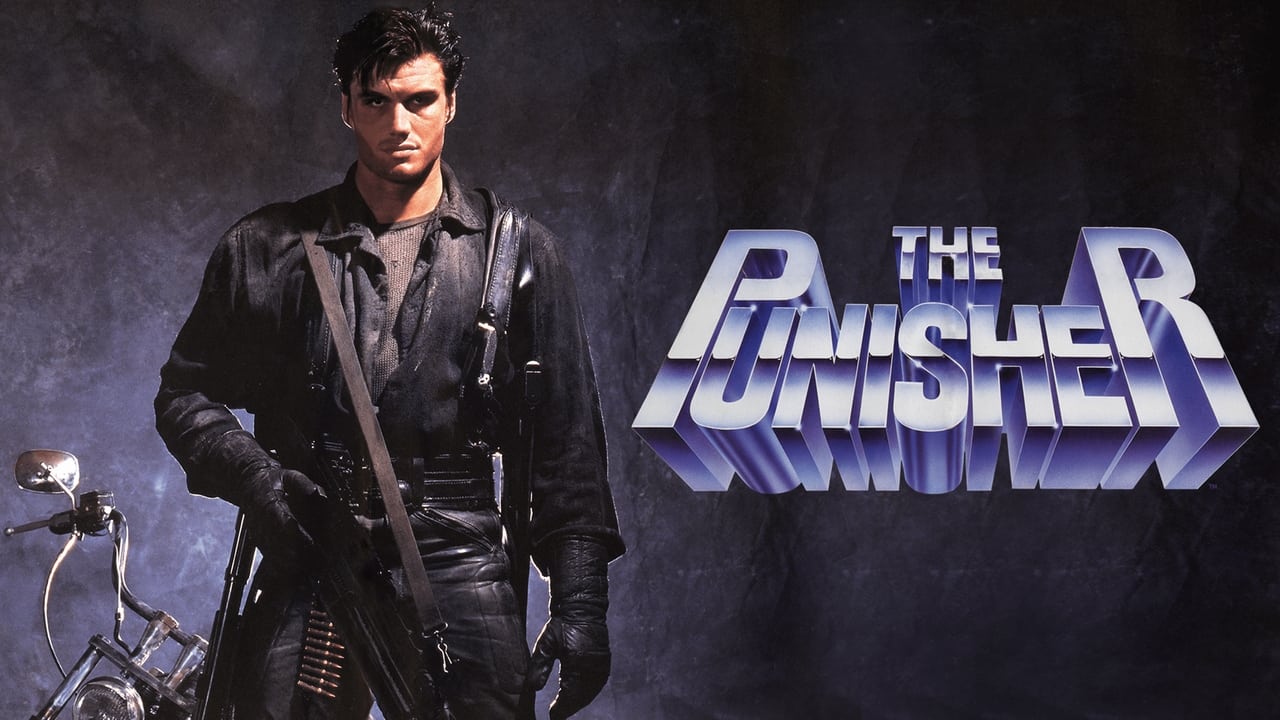
Of course, the elephant in the room – or rather, the skull not on the chest. The decision by Goldblatt and the producers to omit the Punisher's iconic skull insignia remains a point of contention for fans. The reasoning often cited was a belief it might look "silly" on screen, a choice that feels almost baffling in retrospect, given the character's visual identity. Yet, maybe this very absence reinforces the film's gritty, grounded approach? This wasn't about branding; it was about a man broken and remade into pure, unadorned vengeance. It speaks volumes about the film's troubled production and journey. Shot for a modest $9 million, The Punisher faced significant hurdles. Its original distributor, New World Pictures, went bankrupt, leaving the film in limbo. This led to it premiering internationally and eventually receiving only a direct-to-video release in the US in 1991, long after the initial buzz had faded. Imagine finding this tape on the shelf, maybe unaware of its comic origins, drawn in purely by Lundgren's imposing figure on the cover and the promise of raw action. Didn't that delayed, almost underground discovery add to its mystique?
The film benefited greatly from the presence of Oscar-winner Louis Gossett Jr. as Jake Berkowitz, Castle's former partner, now a world-weary detective trying to comprehend the monster his friend has become. Gossett Jr. grounds the film, providing a necessary human counterpoint to Castle's relentless crusade. His scenes crackle with a tired frustration, adding a layer of tragedy often missing in straightforward action flicks of the era. Screenwriter Boaz Yakin, who would later direct Remember the Titans, penned the script early in his career, and while sometimes functional, it effectively captures the bleakness and the cyclical nature of violence.
### Brutality on a Budget
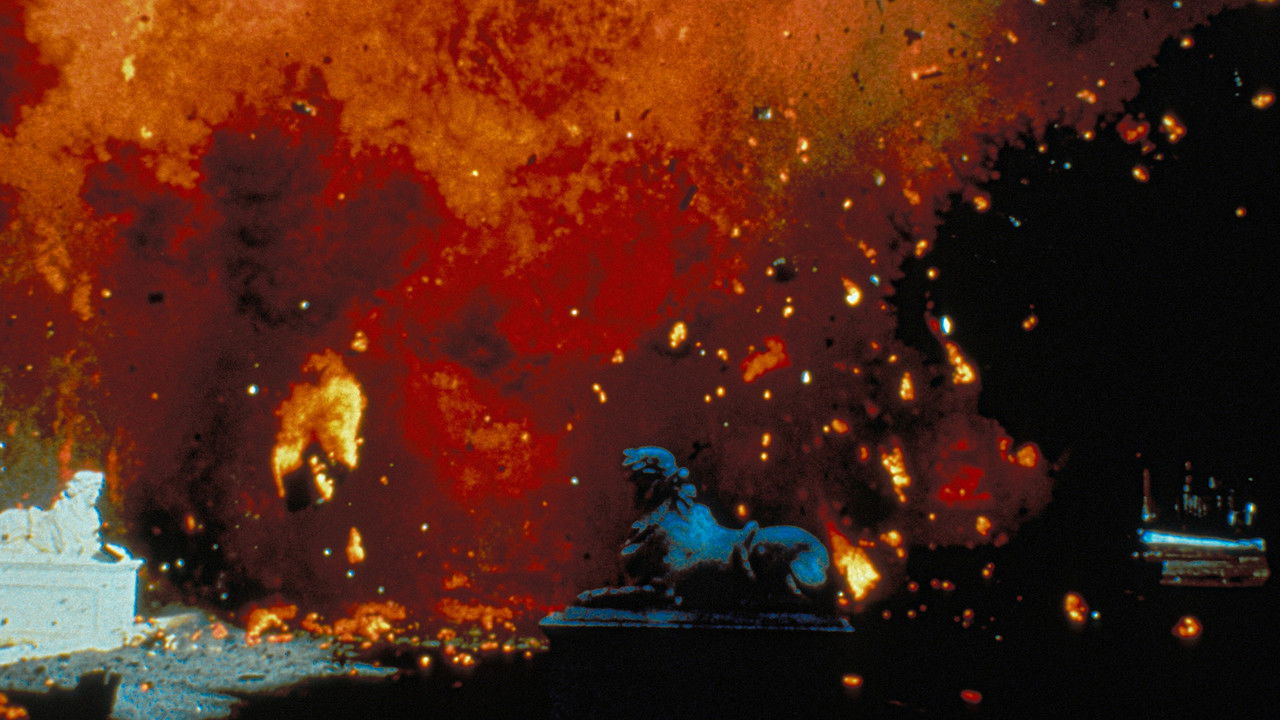
The action, when it hits, is undeniably brutal and reflects Goldblatt's editing pedigree. Shootouts are loud, messy affairs with an impressive body count (reportedly over 100). The practical effects, the squibs, the explosions – they have that satisfyingly visceral 80s crunch. There's a rawness here, amplified by the slightly grainy transfer on VHS, that feels authentic to the era. An uncut version, restoring some moments of violence trimmed for ratings, apparently exists, further highlighting the film's commitment to its hard-edged vision. Dennis Dreith's score complements the mood effectively, pulsing with synthesizer dread rather than heroic themes. It all adds up to a film that feels dangerous, even slightly illicit, like you stumbled onto something not meant for mainstream consumption.
### Legacy of the Skull-less Avenger
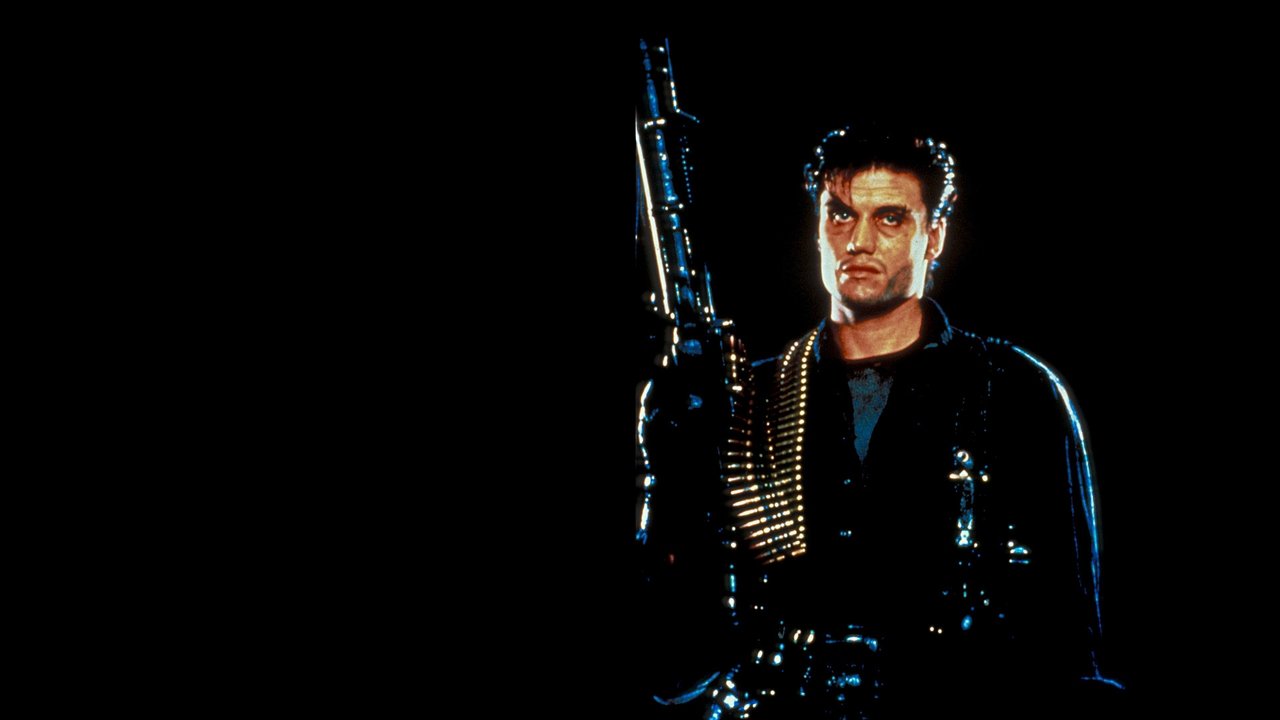
The Punisher (1989) often gets lost in the shuffle, overshadowed by later, more faithful (and often higher-budgeted) adaptations. It lacks the iconic symbol, the polished narrative of modern comic book films, and its path to audiences was rocky at best. Yet, viewed through the lens of late 80s action cinema and the dawn of darker comic book interpretations on screen (predating Tim Burton's Batman hitting cinemas by mere months, though this film's US release was much later), it holds a certain gritty charm. It’s a fascinating, flawed artifact – a testament to low-budget ingenuity, Lundgren's physical presence, and a willingness to portray vigilantism with a chilling lack of compromise. It feels like a true VHS discovery – maybe not a masterpiece, but a brutal, atmospheric slice of revenge cinema that hits harder than you might expect.
Rating: 6/10
This score reflects the film's undeniable atmospheric strengths, Lundgren's effective physical performance, the surprisingly grim tone for its time, and some genuinely impactful action sequences. However, it's held back by the infamous omission of the skull, a sometimes rudimentary script, and the limitations imposed by its budget and troubled release history. It's a cult curiosity more than a definitive adaptation, but one that absolutely earns its place on the dusty shelves of VHS Heaven. It remains a stark reminder that sometimes, the most unsettling monsters aren't supernatural, but born from human loss and rage.