Okay, fellow travelers in time and tape, let's dim the lights and slide another well-worn cassette into the VCR. Tonight, we're diving headfirst into the neon-drenched, needle-scarred underbelly of Paris – or rather, a vision of it so visceral it almost feels like a fever dream caught on celluloid. We're talking about Roger Avary's 1993 directorial debut, Killing Zoe. Forget the tourist traps; this is a Paris fueled by cheap thrills, desperation, and a truly staggering amount of heroin.
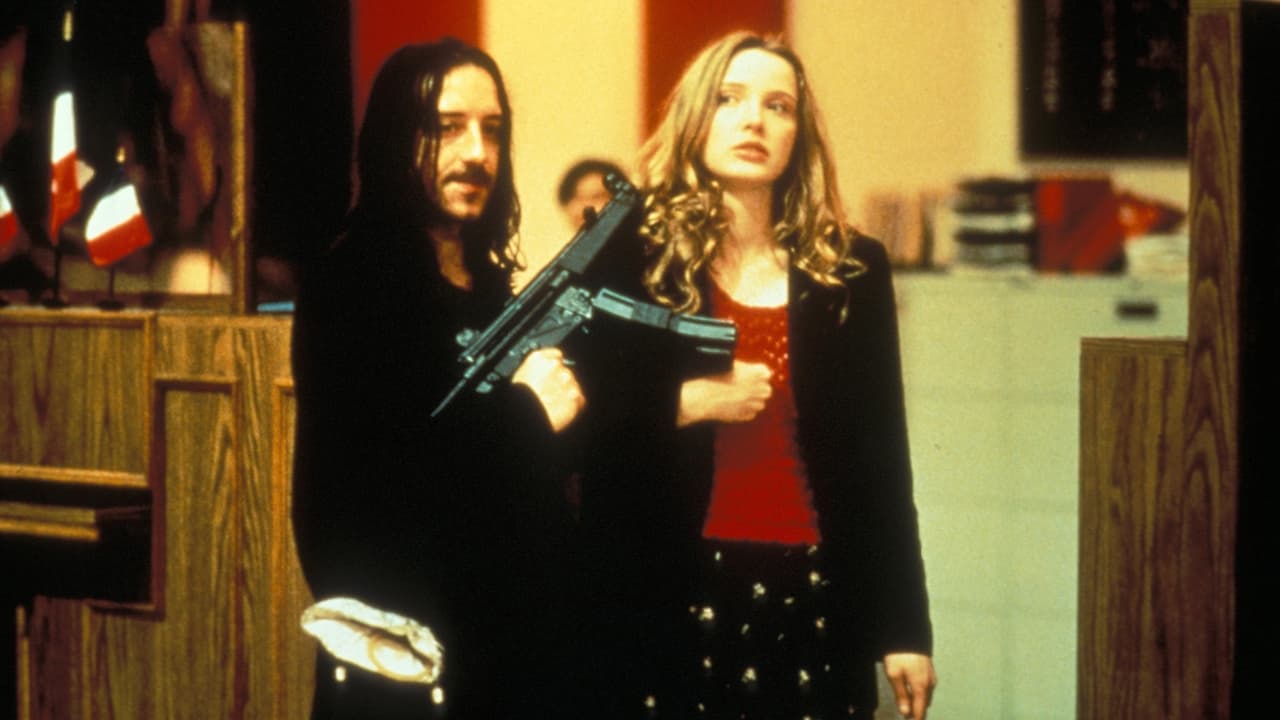
The film drops us straight into the disoriented perspective of Zed (Eric Stoltz), an American safecracker arriving in the city for a job. There's an immediate sense of alienation, a stranger in a strange land amplified by the pulsing, almost predatory score by tomandandy that feels like the city's corrupted heartbeat. Zed’s brief encounter with Zoe (Julie Delpy), a thoughtful, intelligent art student moonlighting as a call girl, offers a fleeting glimpse of connection, a fragile humanity quickly swallowed by the ensuing chaos. Because Zed isn't here for romance; he's here for Eric.
A Reunion Forged in Nihilism
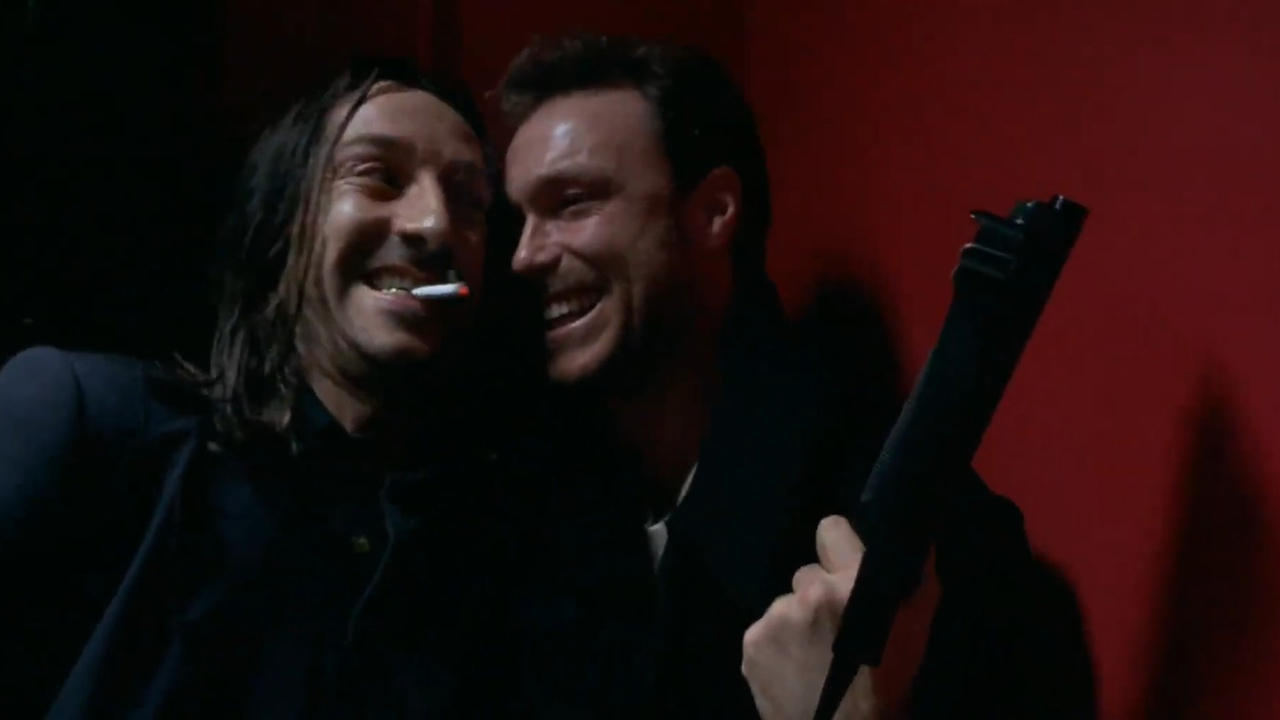
And oh, Eric. Played with terrifying, unrestrained glee by French actor Jean-Hugues Anglade (unforgettable in Betty Blue), Eric is Zed’s childhood friend, now a wiry, drug-addled lunatic planning a Bastille Day bank heist. Anglade doesn't just chew the scenery; he inhales it, mainlines it, and spits it back out with a manic energy that's both captivating and deeply unsettling. His introductory scene, bursting into Zed's hotel room, feels less like a reunion and more like an abduction into madness. This isn't the suave sophistication of French cinema some might expect; it’s raw, grimy, and loud. Remember Anglade’s wild intensity here? It practically vibrates off the screen, a stark contrast to Stoltz’s more weary, almost passive Zed.
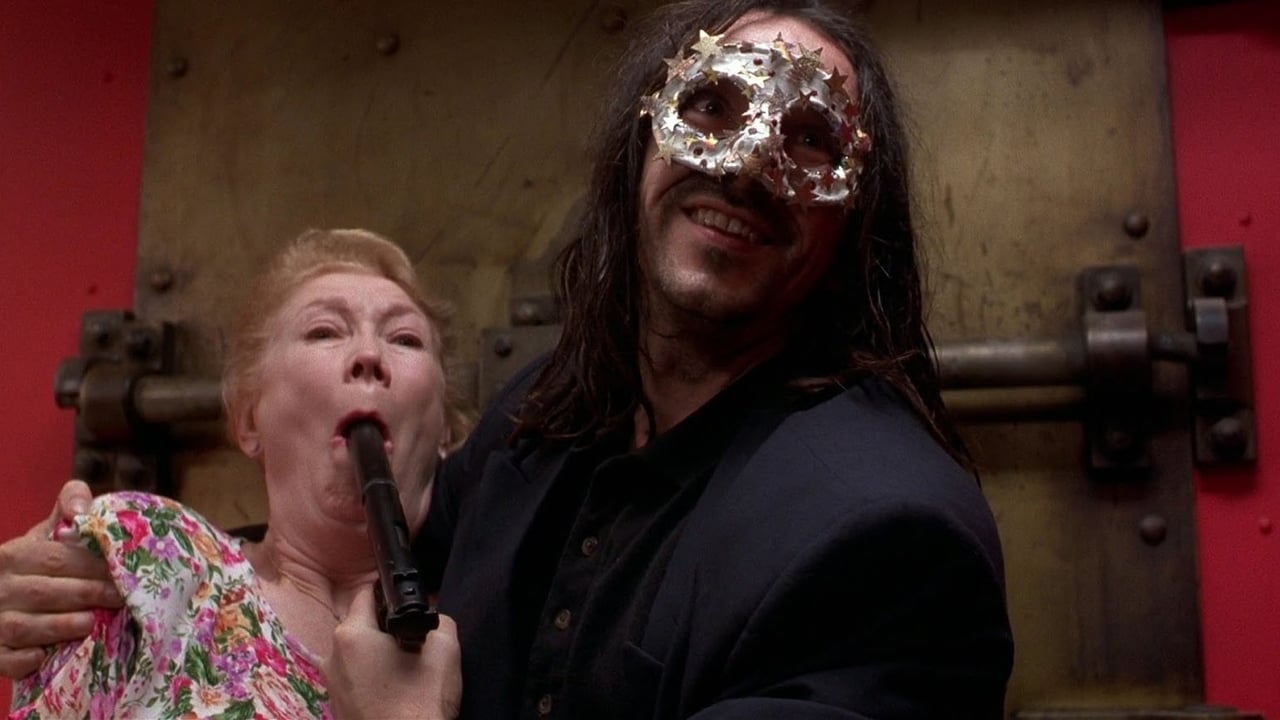
The long night before the heist descends into a haze of drugs, philosophical rambling (mostly from Eric), and a palpable sense of impending doom. Avary, who famously co-wrote Pulp Fiction with Quentin Tarantino after their days clerking together at Video Archives, crafts an atmosphere thick with degeneracy. This film feels like the early 90s – that specific brand of indie filmmaking bursting with aggressive style, pop culture riffs, and a gleeful disregard for convention. It’s no surprise Killing Zoe often gets discussed alongside Reservoir Dogs (1992); they share a certain transgressive DNA, though Avary’s film feels even more nihilistic, more steeped in grime than cool.
Bastille Day Bloodbath
The heist itself, when it finally explodes onto the screen, is anything but slick. It’s messy, brutal, and horrifyingly amateurish. Forget intricate plans; this is pure id unleashed, fueled by desperation and narcotics. The violence is stark and ugly, filmed with a shaky, immediate intensity that puts you right in the middle of the chaos. There’s a notorious sequence involving Eric's reaction to discovering one of the hostages is HIV-positive that still feels shocking today – a moment of pure, unadulterated cruelty that defines his character and the film's bleak worldview. Avary reportedly faced battles with the MPAA over the film’s graphic content, eventually securing an R rating, but the uncut version floating around on import tapes back in the day felt even more like forbidden fruit.
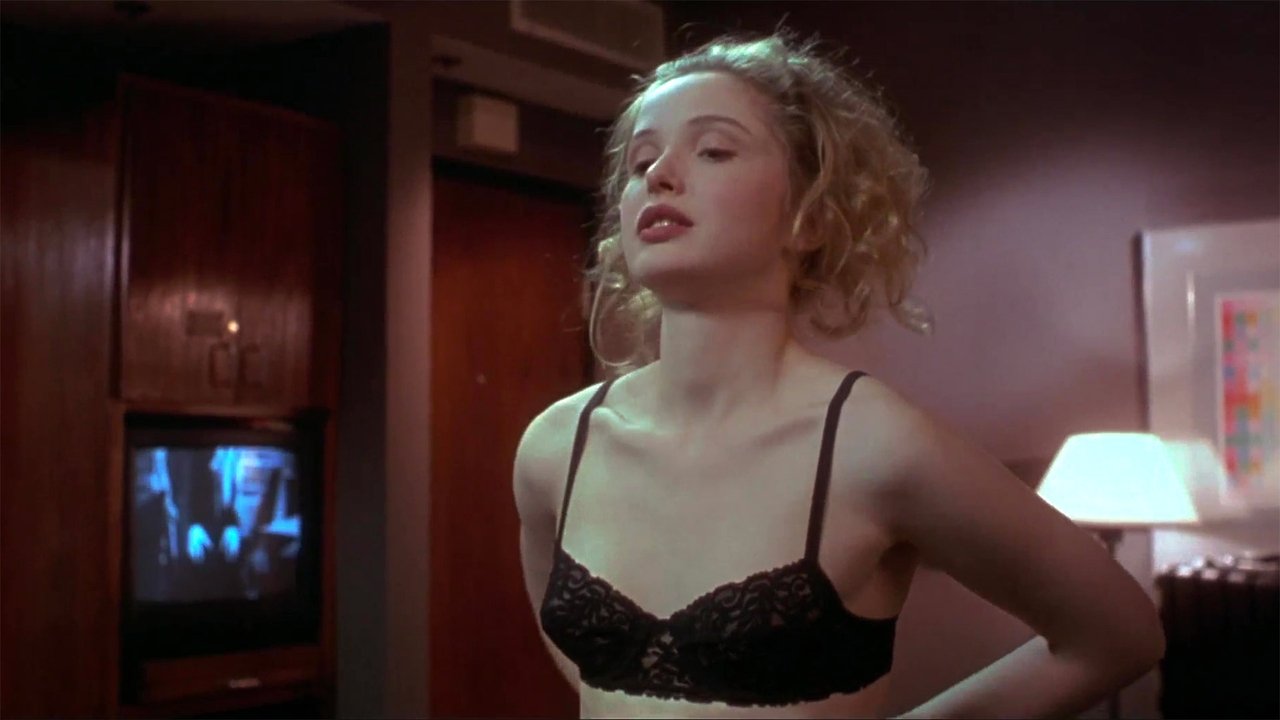
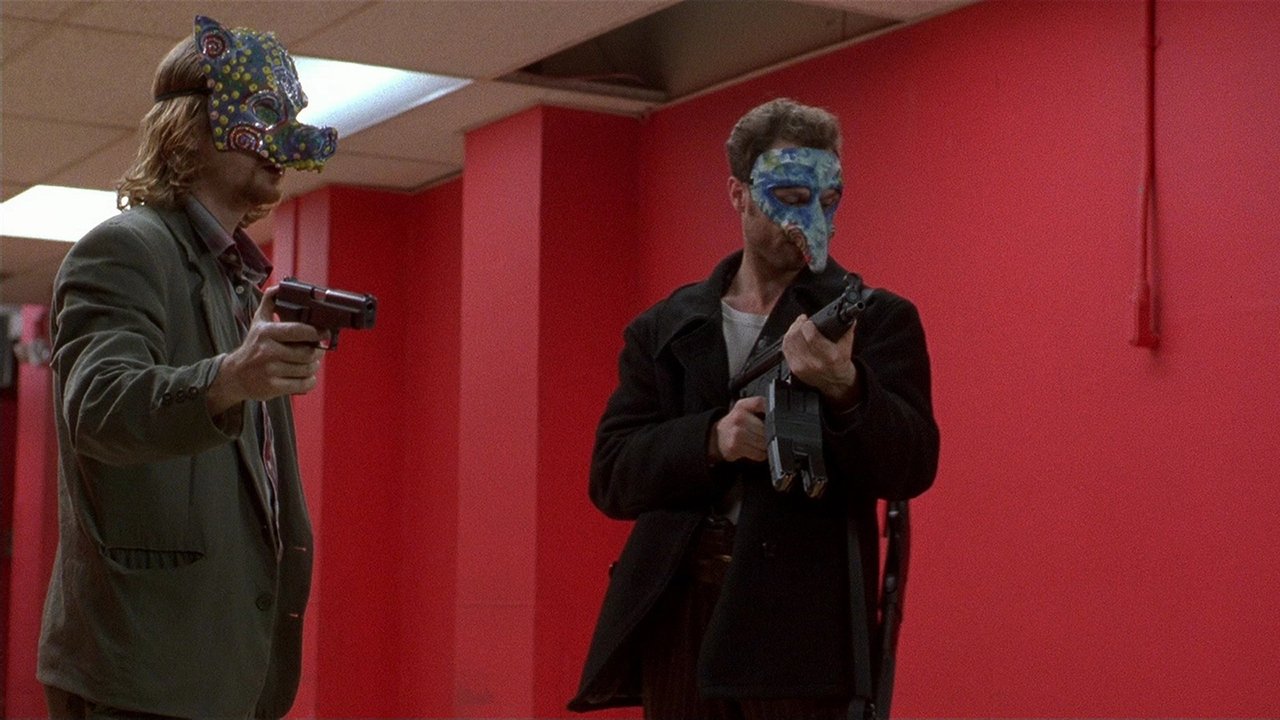
Interestingly, much of this supposedly Parisian nightmare was actually shot in Los Angeles, a testament to resourceful low-budget filmmaking ($1.5 million budget, a shoestring even then). The interiors – the claustrophobic hotel rooms, the bank vault that becomes a pressure cooker – effectively sell the illusion. It’s a reminder of how practical limitations could force creative solutions in the pre-CG era, adding a layer of gritty realism that perfectly suits the material. Did that location trick fool you back then? On a fuzzy VHS copy, viewed late at night, LA convincingly became a European heart of darkness.
Style Over Substance?
Killing Zoe is undeniably a film driven by style and atmosphere. Stoltz, often known for more sensitive roles like in Mask (1985), plays Zed as an observer caught in the whirlwind, his detachment making the surrounding chaos even more pronounced. Delpy, years before her iconic collaboration with Richard Linklater in Before Sunrise (1995), brings a crucial vulnerability and intelligence to Zoe, making her more than just a plot device or damsel. She's the flickering conscience in a film largely devoid of one. But it’s Anglade’s powder keg performance that truly dominates.
The film isn't without its flaws. The plot is thin, essentially a setup for the drug binge and the violent climax. Some critics at the time dismissed it as nihilistic chic, style triumphing over substance. And yet... there's an undeniable power to its raw energy, its unapologetic descent into amorality. It captures a specific, volatile moment in indie cinema, a hangover from the excesses of the 80s bleeding into the cynicism of the 90s.
### Final Score & Lasting Impression
Killing Zoe isn't an easy watch. It's abrasive, violent, and morally murky. But it's also stylish, intensely atmospheric, and anchored by a truly magnetic central performance from Anglade. It feels like a transmission from a bleaker, more dangerous dimension of the early 90s indie scene. For its uncompromising vision, raw energy, and unforgettable central performance, even acknowledging its narrative shortcomings and potentially off-putting nihilism:
Rating: 7/10
Justification: The score reflects the film's undeniable impact and cult status, driven by its intense atmosphere, standout performances (especially Anglade), and raw, stylish direction. It captures a specific, volatile energy of early 90s indie filmmaking. However, the thin plot and overwhelming bleakness might not resonate with everyone, keeping it from reaching higher tiers. It earns its points for sheer audacity and atmospheric execution.
Killing Zoe remains a potent, disturbing artifact of its time – a grimy, frenetic ride that, once seen, isn't easily forgotten. It’s the kind of film that lingers, like the phantom scent of cheap cigarettes and desperation clinging to a worn-out VHS tape pulled from the 'Cult Classics' shelf. It reminds you that sometimes, the most interesting trips are the ones into darkness.