Here we go, sliding another tape into the VCR of memory... This time, it's a curious one, a film that arrived with a certain weight of expectation and promptly decided to wander off into its own peculiar, fog-drenched alleyway. I'm talking about Steven Soderbergh's Kafka (1991), a film that felt like both a bold leap and a perplexing sidestep after his stunning debut with Sex, Lies, and Videotape (1989). Renting this back in the day, perhaps drawn by Jeremy Irons's name or Soderbergh's newly minted indie-darling status, was to encounter something utterly unlike the usual Friday night fare. It wasn’t quite biography, not strictly fiction, but a shadowy blend of both, swimming in the eerie currents of its subject's own distinct anxieties.
A Prague of the Mind
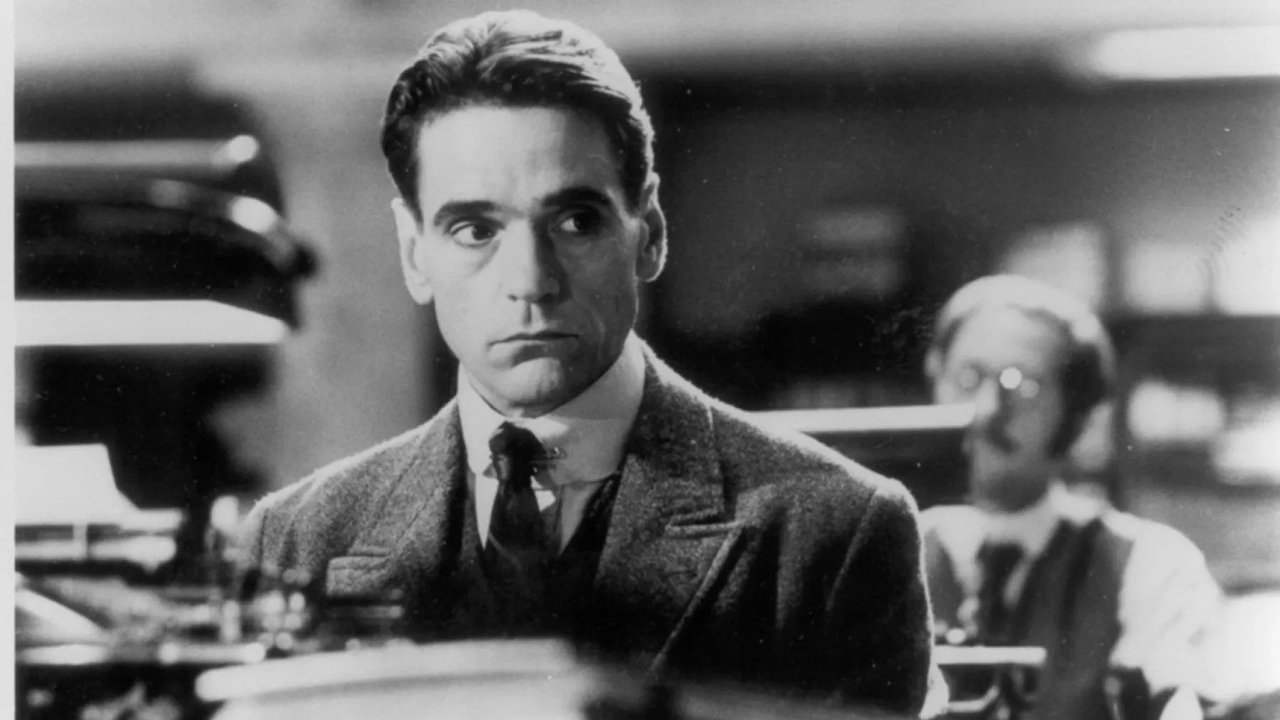
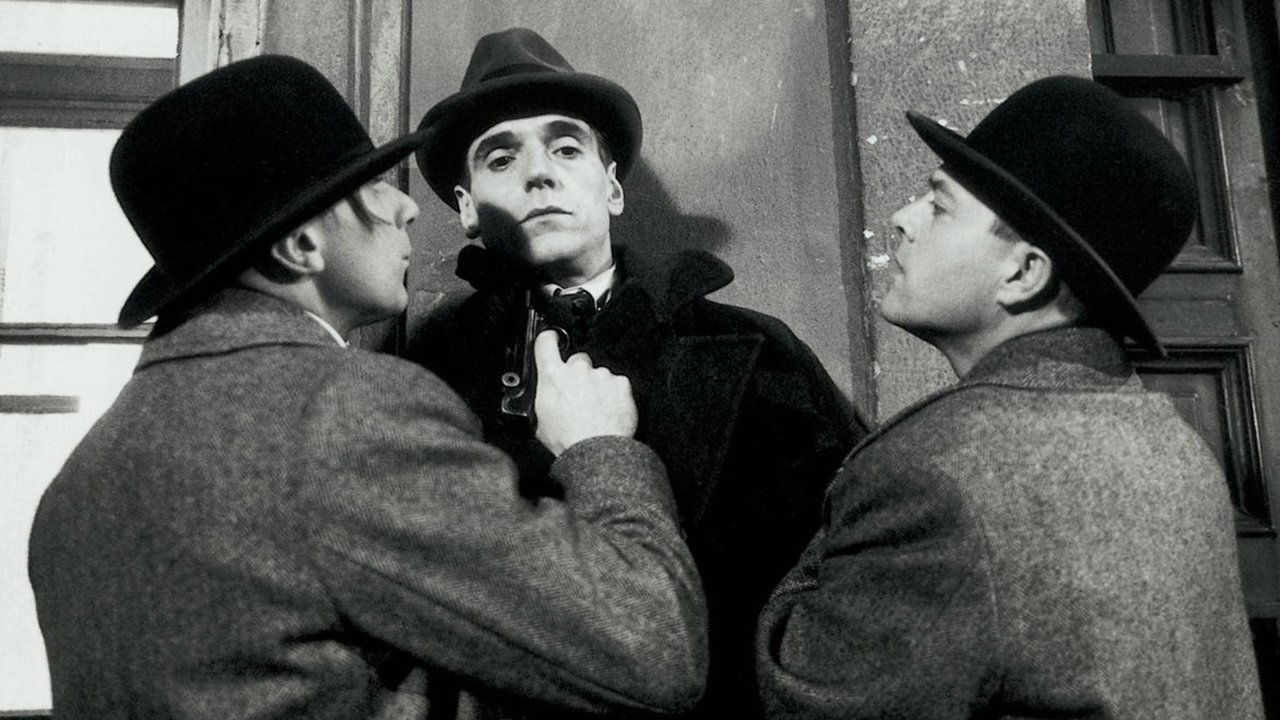
The film plunges us into 1919 Prague, rendered in gorgeous, noir-inflected black and white. Jeremy Irons, an actor always capable of conveying profound internal struggle with the slightest flicker of his eyes, plays the titular Franz Kafka. But this isn't the historical writer glued to his desk; he's an insurance clerk, quiet and observant, navigating a world choked by bureaucracy and suspicion. When a colleague disappears under mysterious circumstances, Kafka finds himself pulled into a conspiracy that blurs the lines between his mundane reality and the nightmarish logic of his own unpublished stories. The atmosphere Soderbergh conjures is thick with paranoia, a tangible sense of unseen forces manipulating events from behind impenetrable walls – it feels Kafkaesque, even before the plot explicitly mirrors his work.
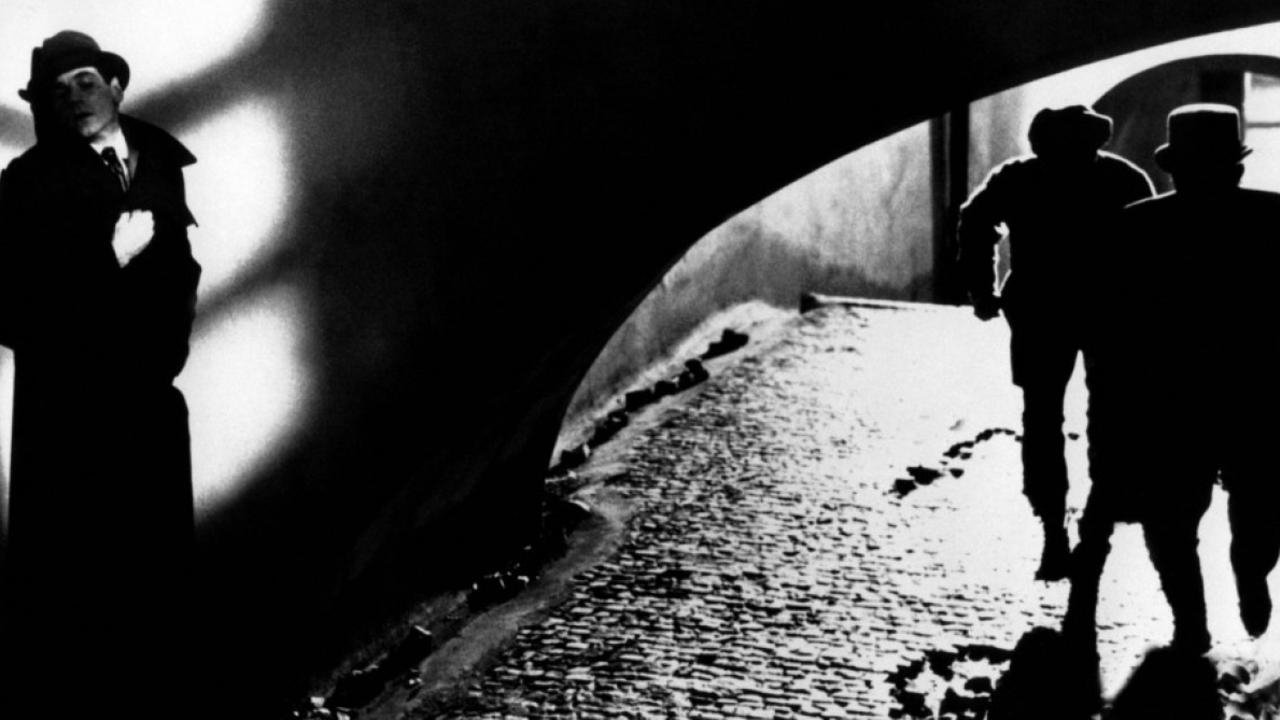
The Prague we see is less a specific historical location (though it was largely shot there, adding immense authenticity) and more a state of mind. The cobblestone streets seem perpetually damp, the shadows stretch unnaturally long, and every official building looms like a stone-faced judge. It perfectly captures that crushing weight of impersonal systems that was so central to Kafka's writing.
Fact, Fiction, and Flicker
What makes Kafka such a fascinating, if occasionally frustrating, viewing experience is its deliberate fusion of the writer's life with his literary creations. Penned by Lem Dobbs (who would later script Soderbergh's The Limey (1999)), the screenplay itself had a long and storied journey to the screen, existing for years as something of a legendary unproduced script. You can feel that long gestation in the film's intricate, sometimes overly complex, structure. It draws elements from The Castle and The Metamorphosis, weaving them into Kafka's investigation.
The most striking formal choice is the shift from black and white to lurid color when Kafka finally infiltrates the ominous "Castle," the monolithic headquarters of the oppressive organization he's investigating. This shift isn't just cosmetic; it signals a descent into pure nightmare, a realm where the absurdity is dialed up, and the threats become overtly grotesque and surreal. It’s a bold move, visually separating the oppressive normality from the outright horror lurking beneath. Does it entirely work? That’s debatable. Some found the transition jarring, pulling them out of the carefully constructed mood. For me, it underlined the thematic core: the terrifying, almost ludicrous power structures hiding behind drab facades.
An Actor Adrift in the Absurd
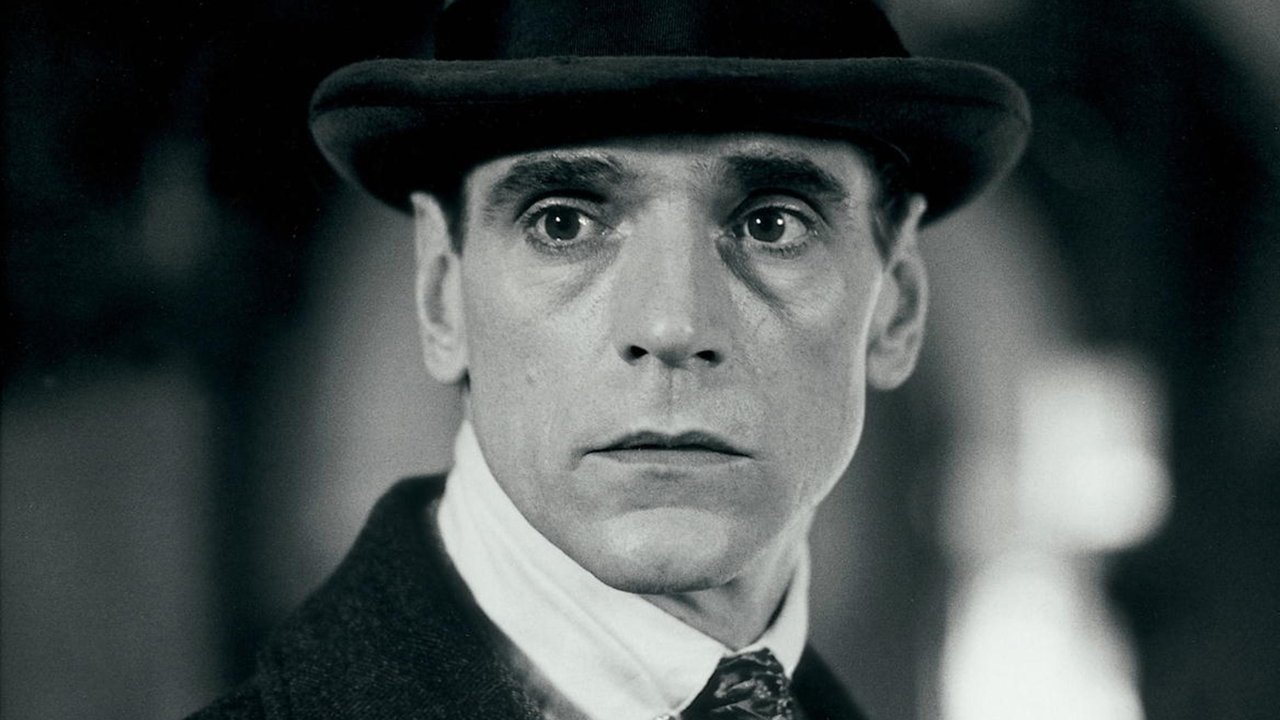
Through it all, Jeremy Irons remains the anchor. His Kafka is not a heroic figure but an everyman, increasingly bewildered and desperate. He doesn't solve the mystery through clever deduction but rather stumbles through it, propelled by a mixture of conscience and morbid curiosity. It’s a wonderfully understated performance, capturing the quiet panic of someone realizing the world operates on rules they can't possibly comprehend.
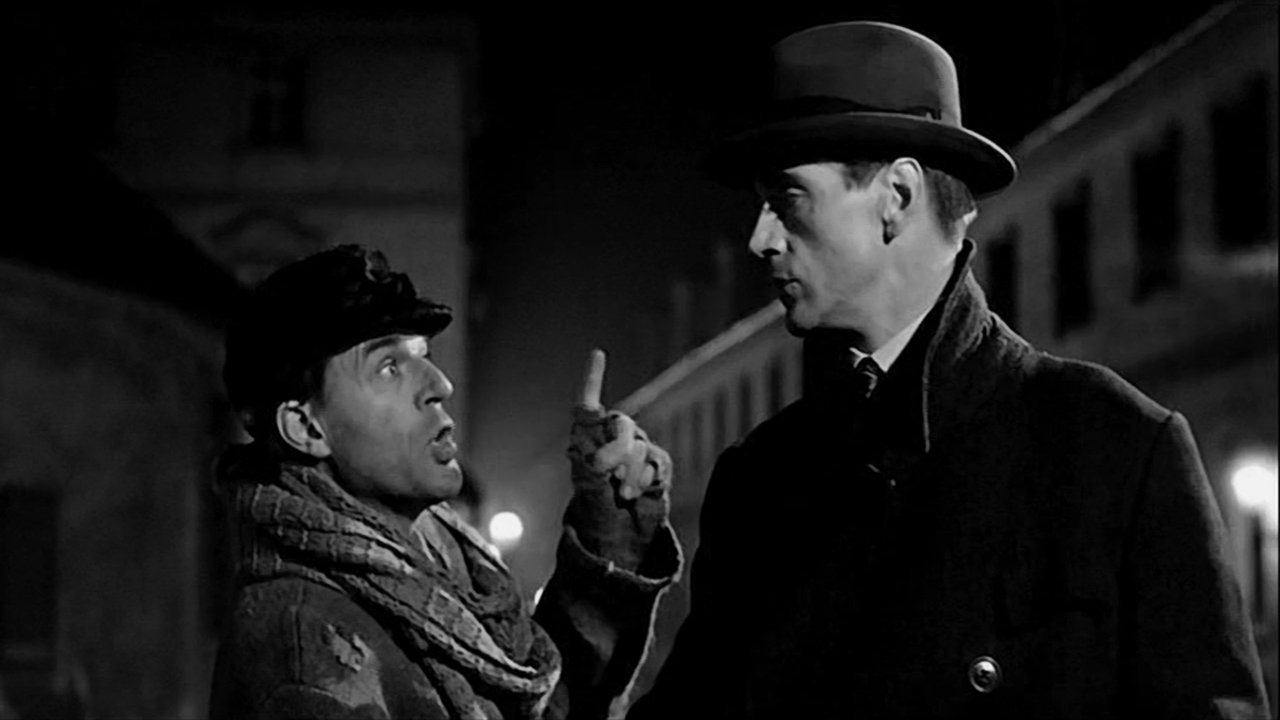
The supporting cast adds layers of eccentricity and menace. Theresa Russell brings a weary sensuality to Gabriela, an anarchist sympathizer who offers Kafka glimpses of resistance. And Joel Grey (forever iconic from Cabaret (1972)) is perfectly cast as the unsettling clerk, Burgel, delivering lines with a chirpy menace that sends shivers down your spine. Even actors in smaller roles, like Ian Holm as the sinister Dr. Murnau, contribute to the pervasive sense of unease.
A Sophomore Slump or Something More?
Kafka was famously not a commercial success, grossing just over $1 million against a reported budget of around $11 million. Critics at the time were divided, unsure what to make of its hybrid nature and tonal shifts. Was it an art film? A thriller? A biopic? Its refusal to fit neatly into any box likely contributed to its initial commercial failure and its subsequent journey into cult curiosity status – the kind of tape you’d recommend to a friend with a knowing look, saying, "You've gotta see this, it's... different."
Soderbergh himself has expressed complex feelings about the film over the years. It was undoubtedly a challenging production, following up a Palme d'Or winner with something so unconventional. Years later, for a career-spanning box set, he radically re-edited the film, incorporating unused footage and restructuring the narrative into a new version titled Mr. Kneff (2021). This suggests his own creative dissatisfaction with the original cut, viewing it perhaps as an ambitious experiment that didn't quite coalesce. Finding the original 1991 theatrical cut on VHS or even DVD became something of a minor quest for collectors after Soderbergh’s later tinkering.
Final Thoughts After Ejecting the Tape
Watching Kafka today, it feels like a fascinating time capsule – a glimpse into a moment when a young, acclaimed director swung for the fences with a project steeped in European art cinema traditions but filtered through a uniquely paranoid, almost sci-fi lens. It doesn't always hit its marks; the pacing can sometimes drag, and the narrative threads don’t always tie together satisfyingly. Yet, its atmosphere is undeniable, Irons' performance is compelling, and its sheer audacity is something to be admired. It’s a film that lingers, like a half-remembered dream heavy with symbols you can’t quite decipher. What does it truly mean when the mundane becomes monstrous? How does the artist metabolize the anxieties of their time? Kafka doesn't offer easy answers, preferring instead to leave you pondering in the flickering grey light of its imagined Prague.
Rating: 7/10 - While flawed and perhaps uneven in its blend of tones and styles, Kafka is a visually arresting and intellectually stimulating film anchored by a superb central performance. Its ambition, unique atmosphere, and haunting imagery earn it considerable points, making it a must-see for Soderbergh completists and fans of cinematic oddities, even if its reach occasionally exceeds its grasp. It remains a potent reminder of the strange paths cinema could wander down in the early 90s.