Snowdrifts pile high against the windows, trapping a handful of disparate souls in a remote mountain lodge. It feels like the setup for a classic Agatha Christie whodunit, doesn't it? That familiar, almost comforting sense of isolated suspense. But spend just a few minutes within the walls of Dead Mountaineer's Hotel (original title: 'Hukkunud Alpinisti' hotell, 1979), and you realize something far stranger, more unsettling, is unfolding beneath the snowy peaks. This isn't your typical locked-room mystery; it's something altogether more elusive, a film that lingers in the mind long after the crackle of the VCR has faded.
Based on the novel by the celebrated Soviet science fiction authors, the Strugatsky brothers (who also penned the script alongside Aleksandr Boyarskiy), this Estonian production, directed by Grigori Kromanov, occupies a unique space. It’s a police procedural colliding head-on with philosophical science fiction, all wrapped in an atmosphere thick enough to cut with a snow shovel. I recall stumbling across this one, perhaps on a specialty tape label or a late-night broadcast, feeling that distinct thrill of discovering something utterly different from the usual Hollywood fare available down at the local video store.
An Inspector Calls, But Who Answers?
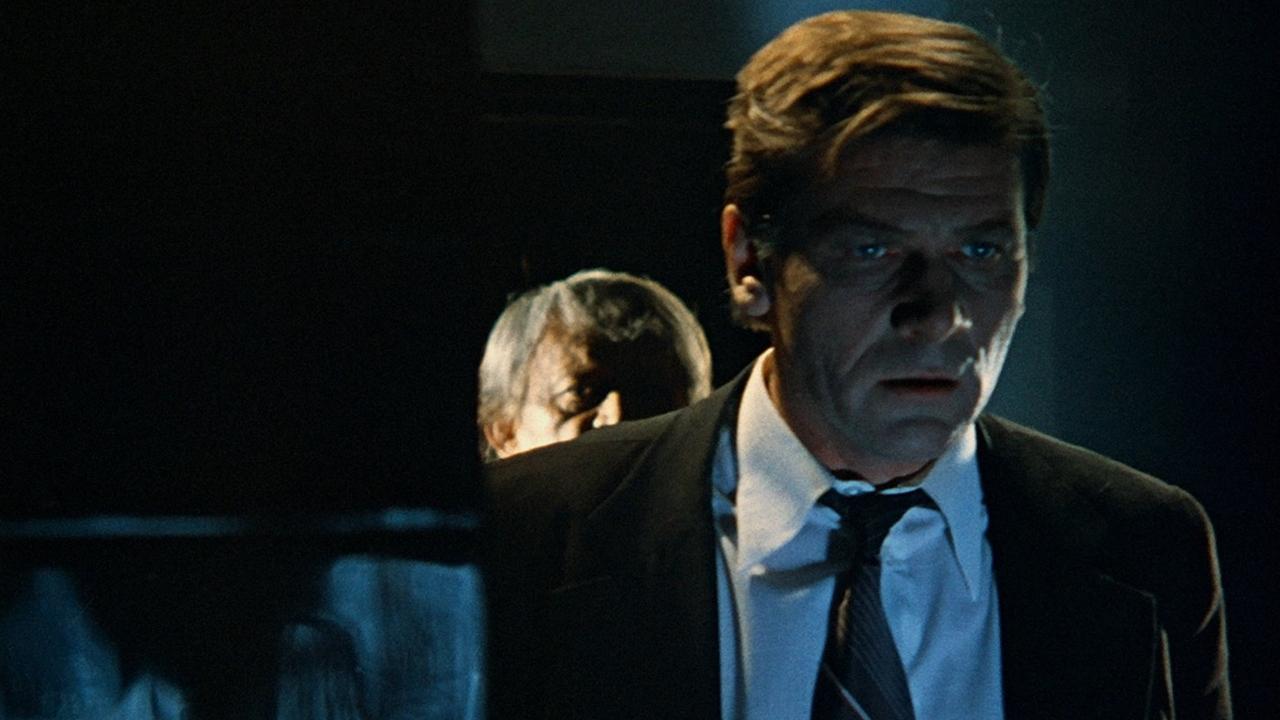
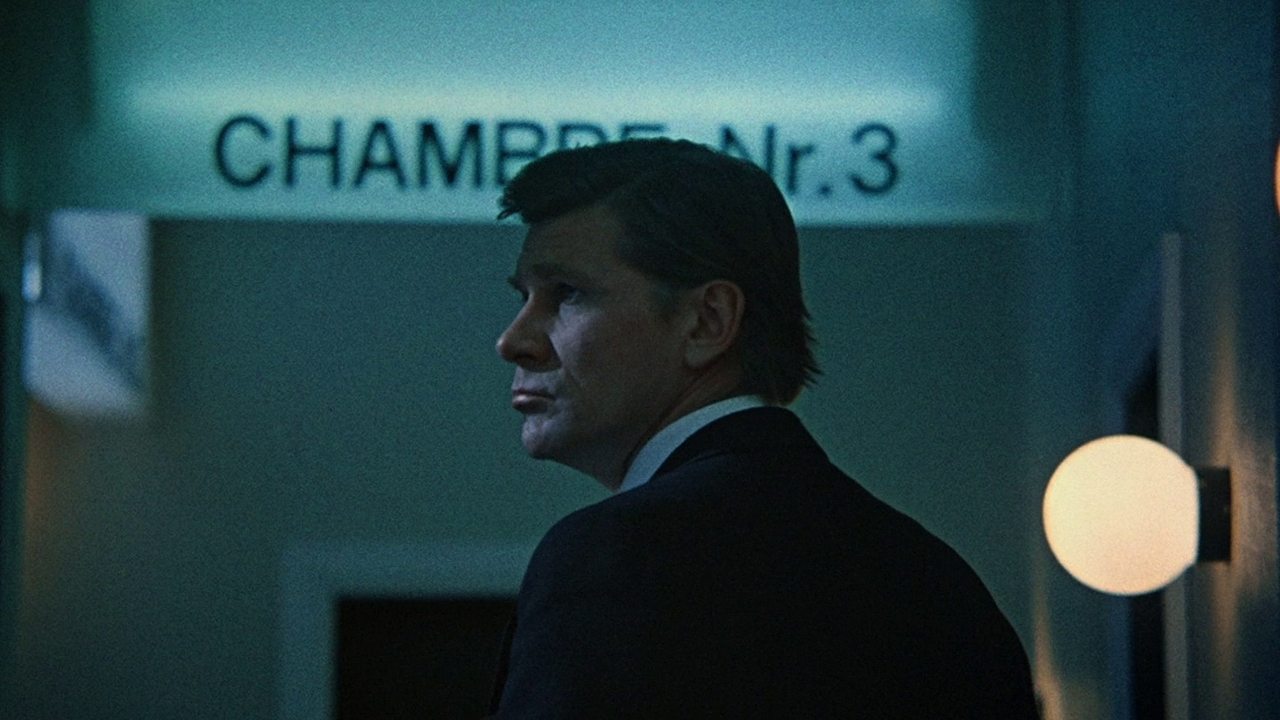
Our anchor in this increasingly bizarre situation is Police Inspector Peter Glebsky, played with a perfect blend of weary professionalism and mounting bewilderment by Uldis Pucitis. Called to the isolated hotel on an anonymous tip, he arrives just as an avalanche conveniently cuts off all escape routes. The guests are an odd bunch: a melancholic physicist, a flamboyant couple, a mysterious man named Moses and his wife, and the strangely detached hotel staff. When a body eventually turns up, Glebsky tries to apply logic and procedure, interviewing suspects and searching for clues. But the evidence refuses to conform to earthly reason. Doors lock themselves, strange technology appears, and the guests' explanations become increasingly fantastical.
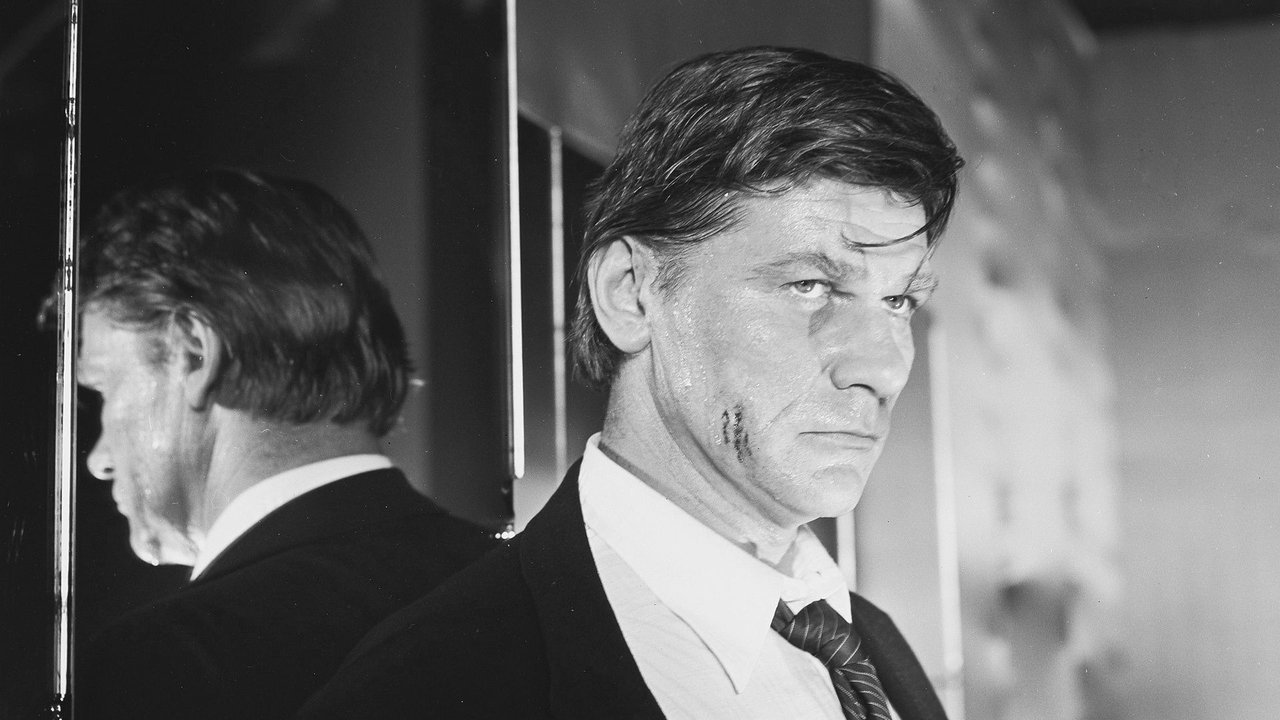
What elevates Dead Mountaineer's Hotel beyond a simple mystery is its dedication to mood. Kromanov masterfully uses the claustrophobic setting – the plush, slightly dated interiors of the hotel contrasting with the stark, imposing mountain landscape outside – to build a palpable sense of unease. The pacing is deliberate, meditative even, allowing the strangeness to seep in gradually rather than relying on jump scares or overt action. It forces you, alongside Glebsky, to question everything you see and hear. Is this paranoia? A complex hoax? Or something truly beyond human comprehension?
Beyond the Whodunit: Existential Snowfall
The performances are key to maintaining this delicate balance. Jüri Järvet, instantly recognizable to fans of Andrei Tarkovsky's Solaris (1972), brings a quiet, otherworldly intensity to his role, while the entire ensemble contributes to the feeling that everyone knows more than they're letting on. Pucitis, as Glebsky, is our grounding force. His frustration mirrors our own as rational explanations crumble. He represents the mundane world attempting to grapple with the extraordinary, and his struggle raises questions: how do we react when the rules we understand simply cease to apply? What happens when protocol meets the paranormal?
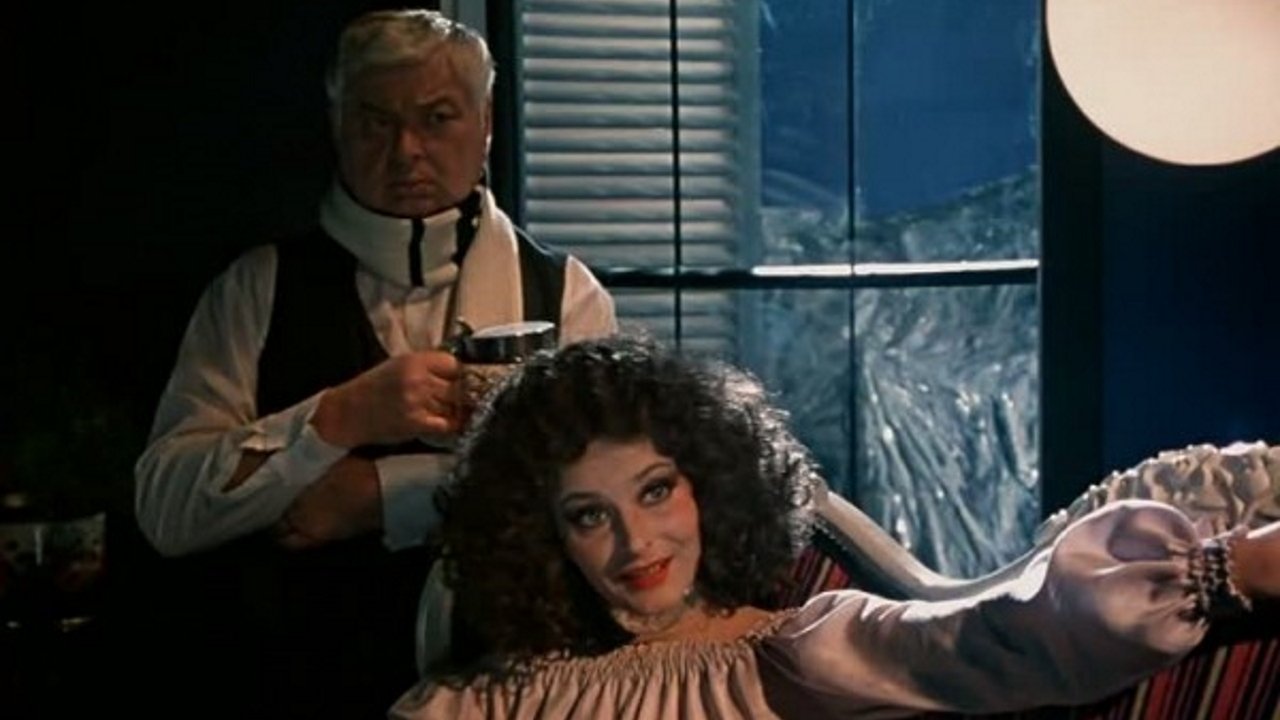
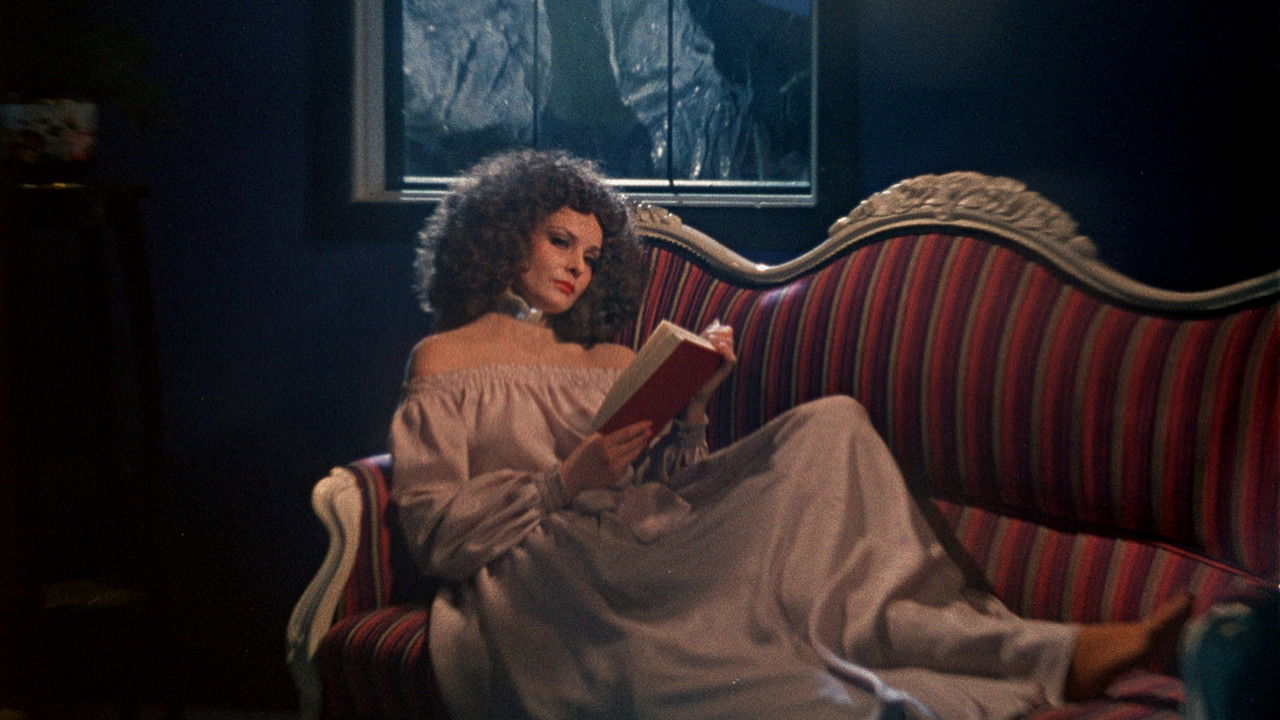
It's fascinating to consider this film emerging from the Soviet Union in the late 70s. While Western sci-fi was often focused on space battles and laser guns (think Star Wars, released just two years prior), Dead Mountaineer's Hotel offers a more introspective, philosophical journey, typical of the Strugatskys' work (fans might also know their novel Roadside Picnic, the basis for Tarkovsky's Stalker, also from 1979). There's a certain elegant constraint here, perhaps partly born from budget limitations common in Soviet filmmaking, but Kromanov turns it into a strength. The focus remains squarely on character, atmosphere, and the central enigma, relying on suggestion and psychological tension rather than flashy special effects. The minimal sci-fi elements, when they appear, feel genuinely alien precisely because they are understated and integrated into the mundane hotel setting.
Echoes in the Avalanche
The film doesn't offer easy answers. The ending is ambiguous, perhaps even frustrating for those seeking neat resolutions. Yet, that ambiguity is precisely the point. It leaves you contemplating the nature of perception, the vastness of the unknown, and the possibility of encounters that defy our neat categorizations of reality. It’s a film that rewards patience and a willingness to embrace the strange. Did the events truly happen as suggested, or is there a more rational, albeit complex, explanation Glebsky couldn't grasp? The film leaves that door slightly ajar.
Dead Mountaineer's Hotel might not have been a blockbuster smash, unlikely to be found nestled between Raiders of the Lost Ark and E.T. on the rental shelves, but its unique blend of genres, pervasive atmosphere, and thoughtful exploration of unusual themes make it a captivating piece of retro cinema. It's a perfect example of the kind of unexpected gem you could unearth in the sprawling aisles of a well-stocked video store – a reminder that cinematic wonders existed far beyond the mainstream currents.
---
Rating: 7/10
Justification: While its deliberate pacing and ambiguous nature might not appeal to all viewers, Dead Mountaineer's Hotel earns a solid 7 for its masterful atmosphere, intriguing blend of mystery and philosophical sci-fi, strong central performance, and its unique status as a compelling piece of Soviet-era genre filmmaking. It successfully creates a palpable sense of isolation and unease, posing questions that linger long after viewing.
Final Thought: It’s a film that feels like a half-remembered dream – unsettling, beautiful, and ultimately resistant to easy interpretation, much like the strange events within its snowy confines.