From the mind that gave us the neon-drenched, psychic apocalypse of Akira (1988), came something perhaps quieter, yet possessing its own fractured, haunting power. Memories (1995) wasn't a single narrative blast, but an anthology – three distinct visions born from Katsuhiro Otomo's manga, brought to life by different creative teams, yet somehow coalescing into a singular, unforgettable experience on that worn-out VHS tape. Pulling this one from the shelf felt like unearthing a rare import, a transmission from a darker, more contemplative corner of the animation world than many were used to seeing in the mid-90s.
### Echoes in the Void: Magnetic Rose
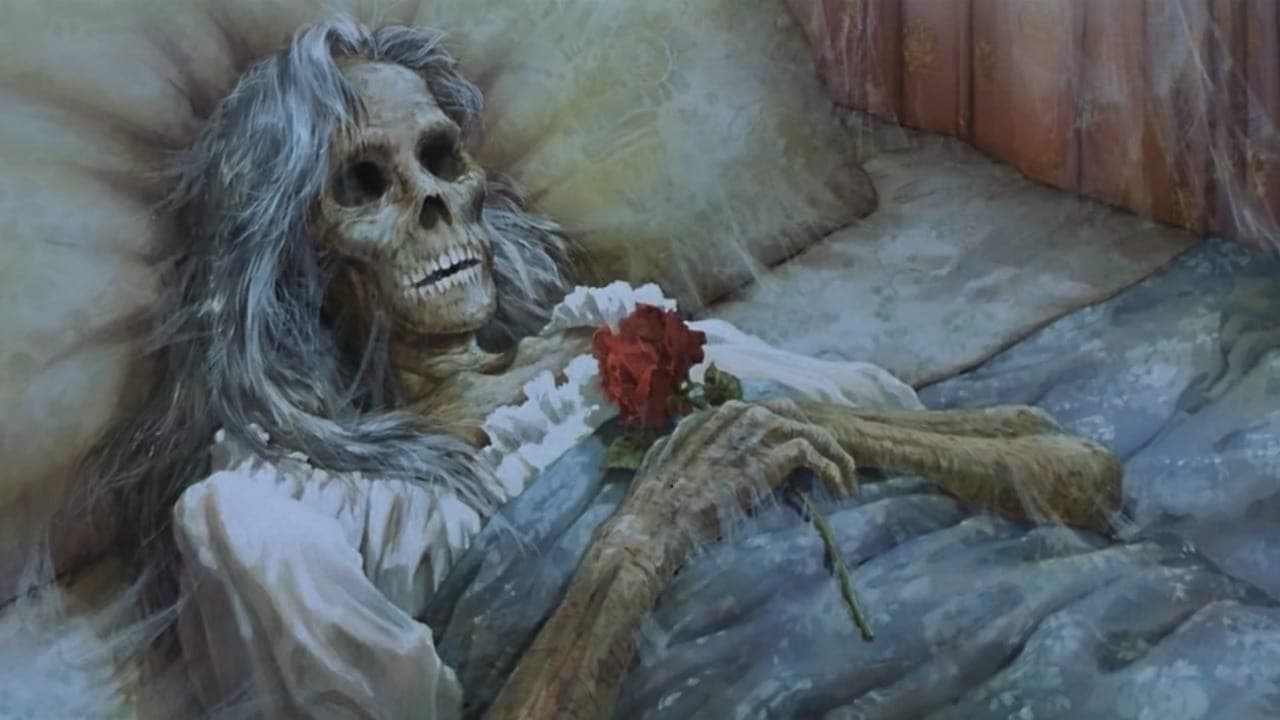
The descent begins with Kōji Morimoto's "Magnetic Rose." This segment, scripted by none other than a pre-Perfect Blue Satoshi Kon in his screenwriting debut, is arguably the jewel in this tarnished crown. It's a ghost story wrapped in decaying sci-fi grandeur. A deep space salvage crew, tracking a distress signal, finds themselves drawn into the orbit of a colossal, rose-shaped space station – a technological mausoleum created by a long-lost opera diva named Eva Friedel. What follows is less Alien and more Solaris by way of Visconti, drenched in a chilling, operatic melancholy. The score by Yoko Kanno, years before her iconic work on Cowboy Bebop, is absolutely crucial here, weaving Puccini's "Un bel dì, vedremo" into the fabric of the dread. The station itself, a decaying baroque palace filled with holographic memories and lethal traps, is a masterclass in atmospheric design. You feel the chill of the void seep into the ornate, empty rooms. The animation beautifully captures the unsettling juxtaposition of high-tech decay and ghostly projections. Kon's script masterfully explores themes of memory, loss, and obsession, building towards a climax that feels both tragic and terrifying. The psychological disintegration of the crew, particularly Heintz, resonates long after the credits roll. Doesn't the image of Eva's holographic ghost, forever performing, still linger in the mind's eye?
### The Accidental Apocalypse: Stink Bomb

The mood shifts violently, almost jarringly, with Tensai Okamura's "Stink Bomb." This is pitch-black satire disguised as a frantic action-comedy. A young lab technician, Tanaka, battling a cold, mistakenly swallows an experimental drug instead of flu pills. The result? He becomes an unwitting biological weapon, emitting a lethal gas that incapacitates (or kills) everything around him while remaining blissfully unaware of the chaos he's causing. His simple mission to deliver documents to headquarters in Tokyo becomes a national (and international) crisis, a frantic military operation against one oblivious man whose stink precedes him like the angel of death. The dark humor here is relentless, watching the escalating military response – tanks, helicopters, biohazard suits – hilariously fail against Tanaka's potent aroma. It's absurd, yes, but carries a deeply cynical edge about bureaucratic incompetence and the terrifying potential of scientific accidents. Rumor has it the core concept had roots in real anxieties about accidental bioweapon creation during the Cold War era, adding another layer of unease beneath the slapstick. It’s a tonal curveball, certainly, but its bleak punchline about duty and disaster feels perfectly at home in this collection.
### A Day in the Life of Destruction: Cannon Fodder
Finally, Katsuhiro Otomo himself steps into the director's chair for "Cannon Fodder." This segment is visually arresting, employing a unique, single-take style (or the illusion of it) that immerses the viewer completely in its world. Forget sleek cyberpunk; this is a grimy, vaguely European, steampunk-esque city perpetually at war with an unseen, possibly non-existent enemy. We follow a day in the life of a young boy and his father, whose sole purpose, like everyone in the city, is to load and fire the colossal cannons that dominate the skyline. The atmosphere is oppressive, thick with coal smoke and the weight of endless, pointless conflict. The character designs are deliberately rough, almost grotesque, emphasizing the dehumanizing nature of this society. There are no heroes here, just cogs in a vast, self-perpetuating war machine. Otomo's direction is masterful, the camera moving seamlessly through the cavernous interiors of the cannon batteries and the cramped, joyless living quarters. It's a powerful allegorical statement about militarism, propaganda, and the cyclical nature of conflict, delivered with stark, unforgettable imagery. The final shot, questioning the very existence of the enemy, leaves a profound sense of unease.


### The Lingering Signal
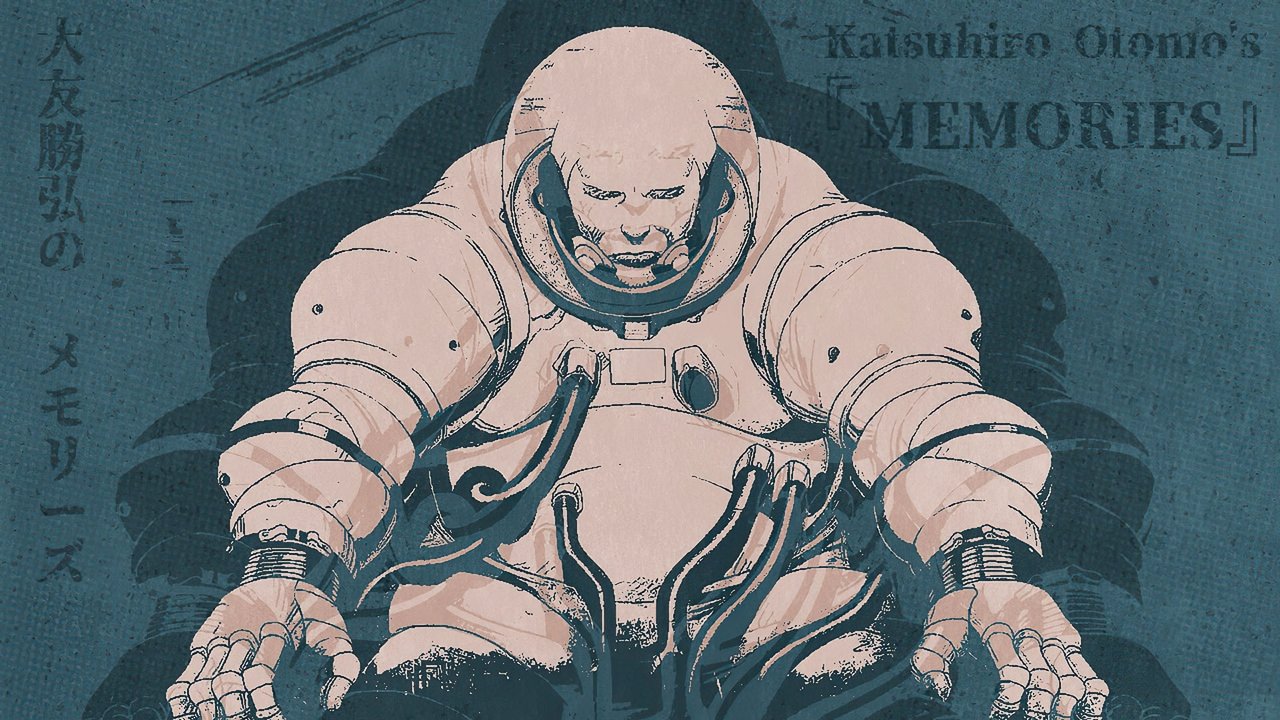
What made Memories stand out, especially finding it nestled between action blockbusters and horror schlock at the video store, was its ambition and artistic integrity. This was animation aimed squarely at adults, tackling complex themes with visual sophistication. The cel animation across all three segments holds up remarkably well, a testament to the craftsmanship of the era. While the anthology format inherently means some viewers might gravitate towards one story more than others – "Magnetic Rose" often being the critical favorite for its sheer atmospheric power – the collection as a whole works beautifully. It showcases the versatility of Otomo's imagination and the incredible talent pool working in anime during the 90s. It felt like a glimpse into a richer, more diverse world of animation than many Western audiences were typically exposed to.
VHS Heaven Rating: 9/10
This score reflects the sheer artistic achievement, particularly of "Magnetic Rose" and "Cannon Fodder," the influential talent involved (Otomo, Kon, Kanno), and the film's status as a landmark piece of 90s anime. The animation quality is superb, the themes are mature and thought-provoking, and the atmosphere across the segments, though varied, is consistently strong and memorable. While "Stink Bomb" might feel tonally different, its dark satire complements the other pieces in unexpected ways. Memories isn't just a nostalgia trip; it's a potent collection of animated shorts that still feels vital and unsettling today. It’s a tape that, once watched, leaves indelible images burned onto your retinas, like ghostly holograms in a decaying space station.