The name "Thomas Lee" appears under Director. A phantom signature on a film born under a dark star, cobbled together in editing suites long after the original visions had fled. Supernova (2000) didn't just drift onto screens; it crash-landed, a vessel carrying the ghosts of what might have been. Watching it unfold now, years later, still evokes that specific late-night rental feeling – the hum of the VCR, the static hiss, and the unsettling sense that something vital is missing, lost somewhere in the cold expanse between studio meddling and artistic intent.
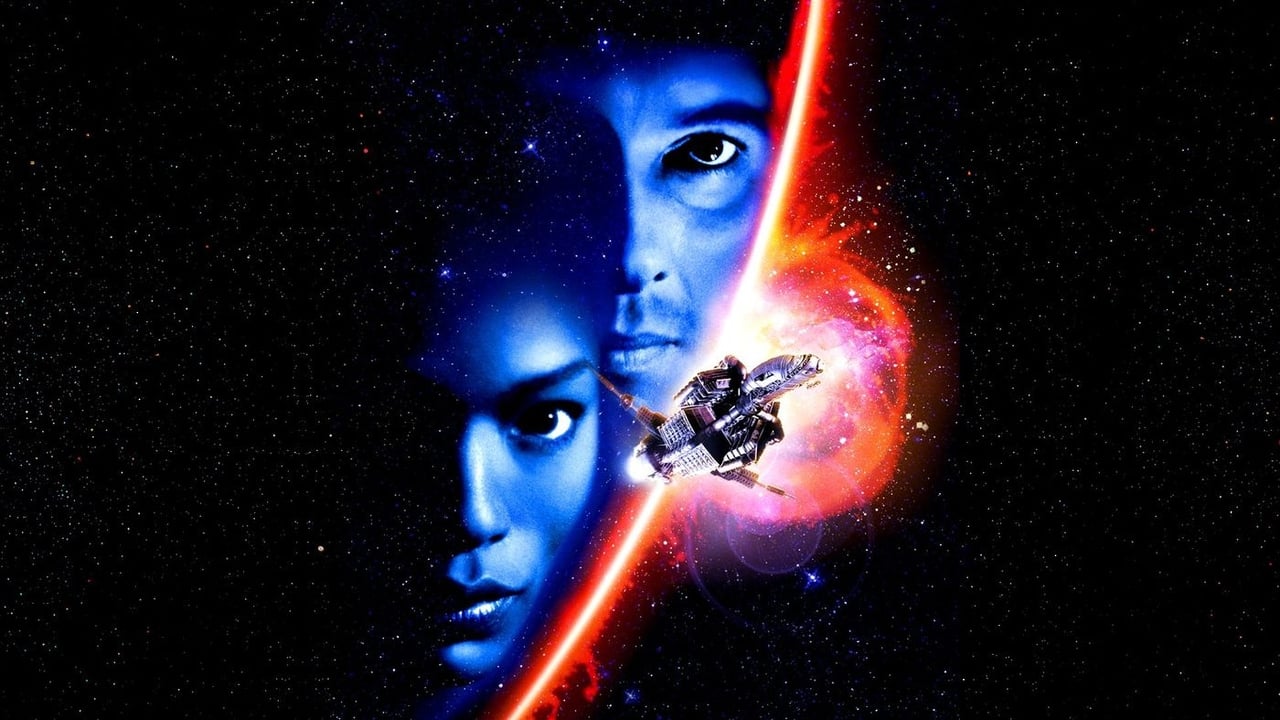
Distress Call from Deep Space
The premise is pure pulp sci-fi, the kind that practically begged for a worn VHS clamshell case. The medical rescue ship Nightingale 229, a deep-space ambulance crewed by a surprisingly stacked cast including James Spader, Angela Bassett, the late, great Robert Forster, Lou Diamond Phillips, Robin Tunney, and Peter Facinelli, answers a distress call from a mining operation trillions of miles away. They find a lone survivor, Karl Larson (Facinelli), and a strange, glowing alien artifact. What follows should be a tense descent into paranoia and body horror as the artifact's dangerous power – transporting matter, granting strength, mutating flesh – infects the mission. And sometimes, fleetingly, it is. The isolation of the ship, the vast emptiness outside the viewports, the initial suspicion – the ingredients are there.
Ghosts in the Machine
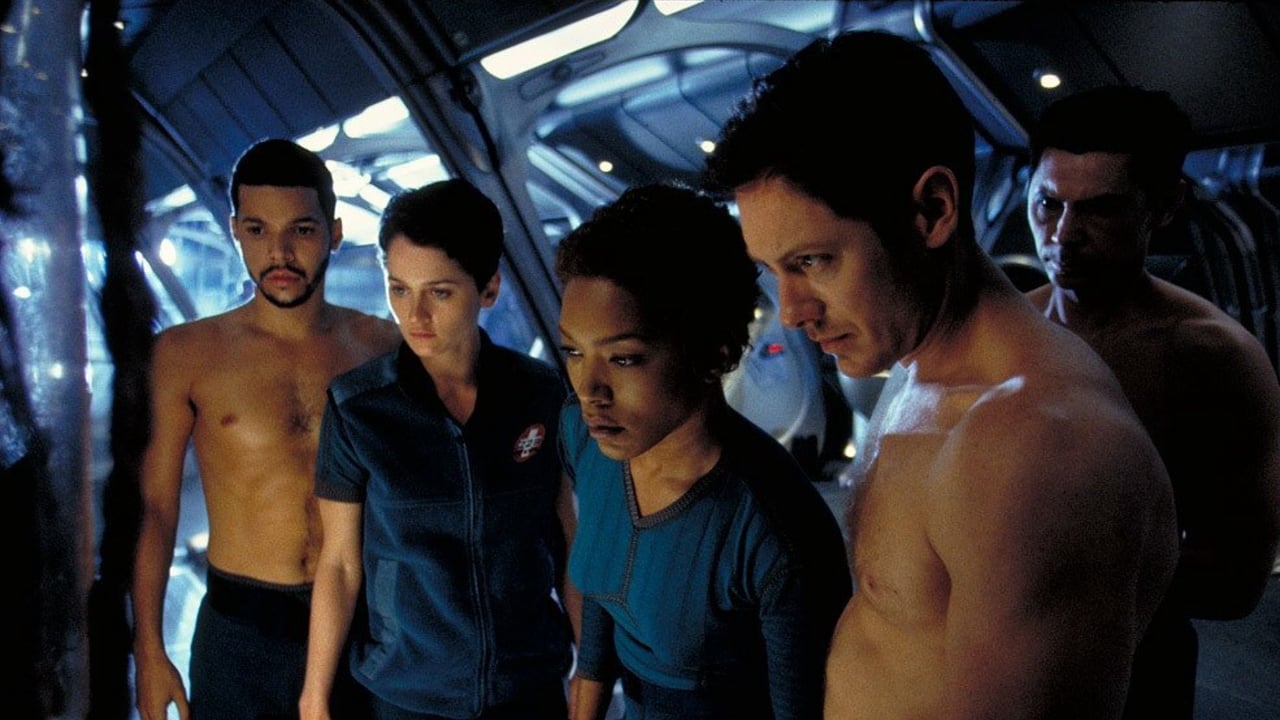
But Supernova is less a coherent film and more an autopsy report of one. The shadow hanging over it isn't just the cosmic threat, but the infamous production nightmare. Initially helmed by action auteur Walter Hill (The Warriors, 48 Hrs.), who envisioned a darker, more philosophical sci-fi horror piece, the project quickly devolved. Clashes with MGM over budget, tone, and casting led to Hill's departure (or firing, depending on who you ask). Veteran director Jack Sholder (A Nightmare on Elm Street 2: Freddy's Revenge, The Hidden) was brought in for extensive reshoots, reportedly trying to salvage Hill's vision while fulfilling studio demands for more conventional thrills. When that didn't test well, none other than Francis Ford Coppola (yes, that Coppola) was brought in by MGM (where he had a board seat) to supervise a final re-edit, supposedly focusing on tightening the pace and emphasizing the Spader/Bassett relationship. The result? A narrative Frankenstein, stitched together from disparate parts, bearing the scars of compromise. Hill and Sholder both took their names off, leaving the notorious "Thomas Lee" pseudonym – a close cousin to the more famous "Alan Smithee" reserved for directors disowning their work.
This turbulent history isn't just trivia; it's imprinted on the film's DNA. Why does the alien artifact feel so ill-defined? Why do character motivations seem to shift on a dime? Why does the pacing lurch between slow-burn tension and abrupt bursts of action or gore? Because entire subplots and connective tissue were excised. Hill's original cut was reportedly much longer and delved deeper into the artifact's nature and the philosophical implications of its power. The studio, panicked after poor test screenings and wanting a leaner, more marketable product, chopped it down, allegedly removing crucial character development and plot logic. Rumors persisted for years about explicit zero-gravity sex scenes between Spader and Bassett being filmed and cut – a detail that speaks volumes about the conflicting priorities during its chaotic post-production. Doesn't that turbulent production history make the film's disjointed feel almost understandable, if not excusable?
Flickers of Light in the Void
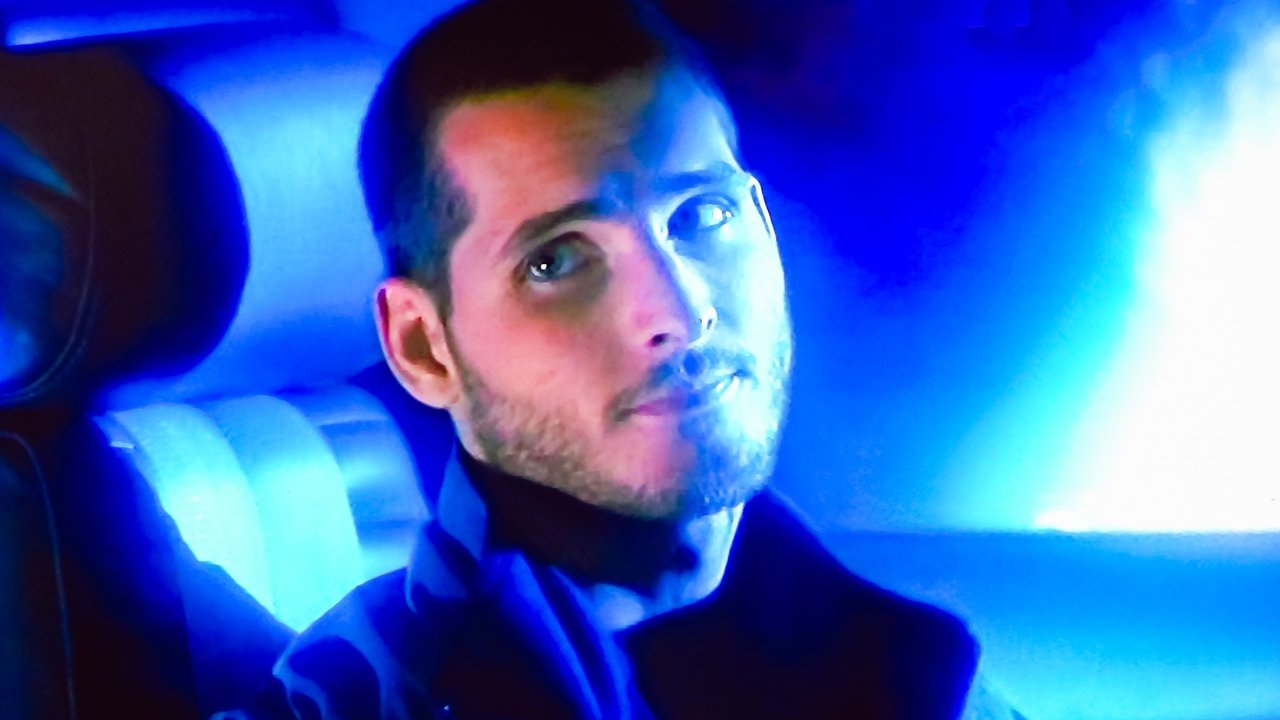
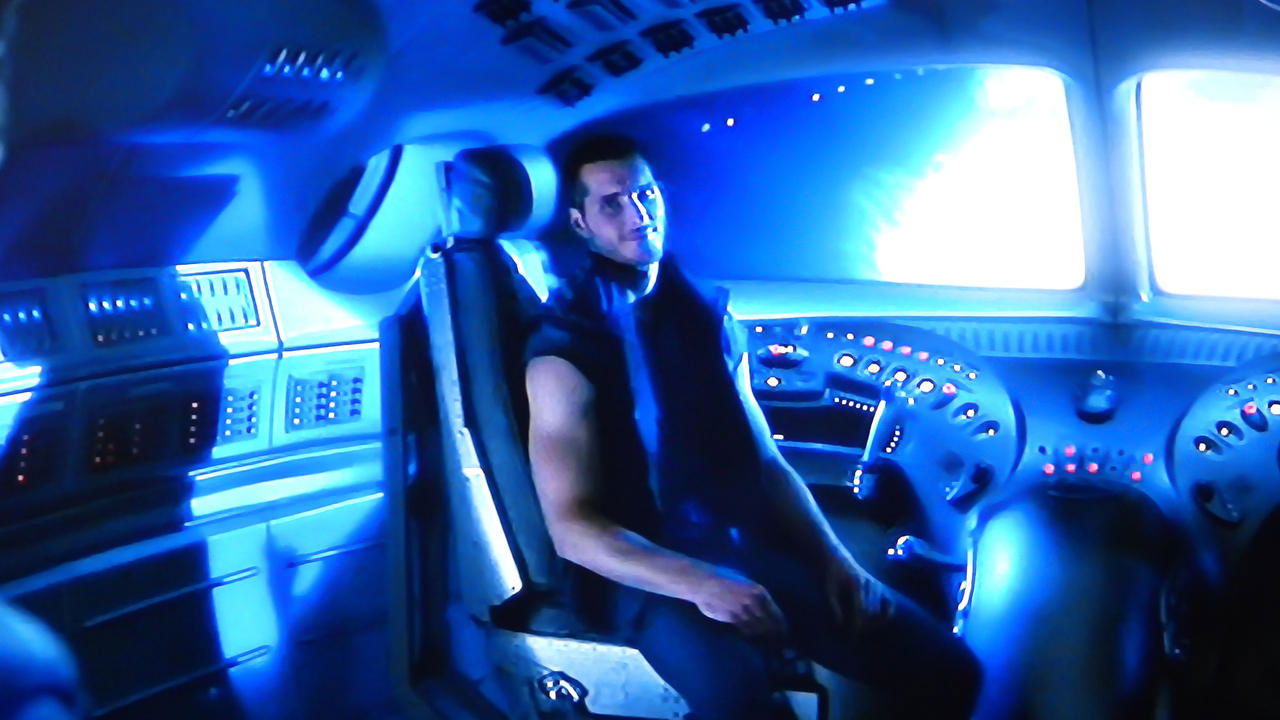
Despite the wreckage, there are elements that shine dimly. The cast commits, bringing more gravity than the script sometimes earns. James Spader, pre-Boston Legal but already radiating that unique, slightly detached intensity, makes for a compelling reluctant hero. Angela Bassett, a powerhouse in anything she touches, lends credibility and strength as the ship's doctor and co-pilot. And Robert Forster, as always, brings weary authority to the captain's chair. The production design of the Nightingale 229 has a certain utilitarian charm, a lived-in feel that contrasts effectively with the sleek, dangerous alien tech. Some of the practical effects, particularly glimpses of the mutations caused by the artifact, have that visceral, pre-millennium quality that CGI often lacks, even if they feel dated now. The score, a blend of work by David C. Williams, Burkhard Dallwitz, and others brought in during the post-production shuffle, occasionally hits notes of genuine cosmic dread.
A Troubled Legacy
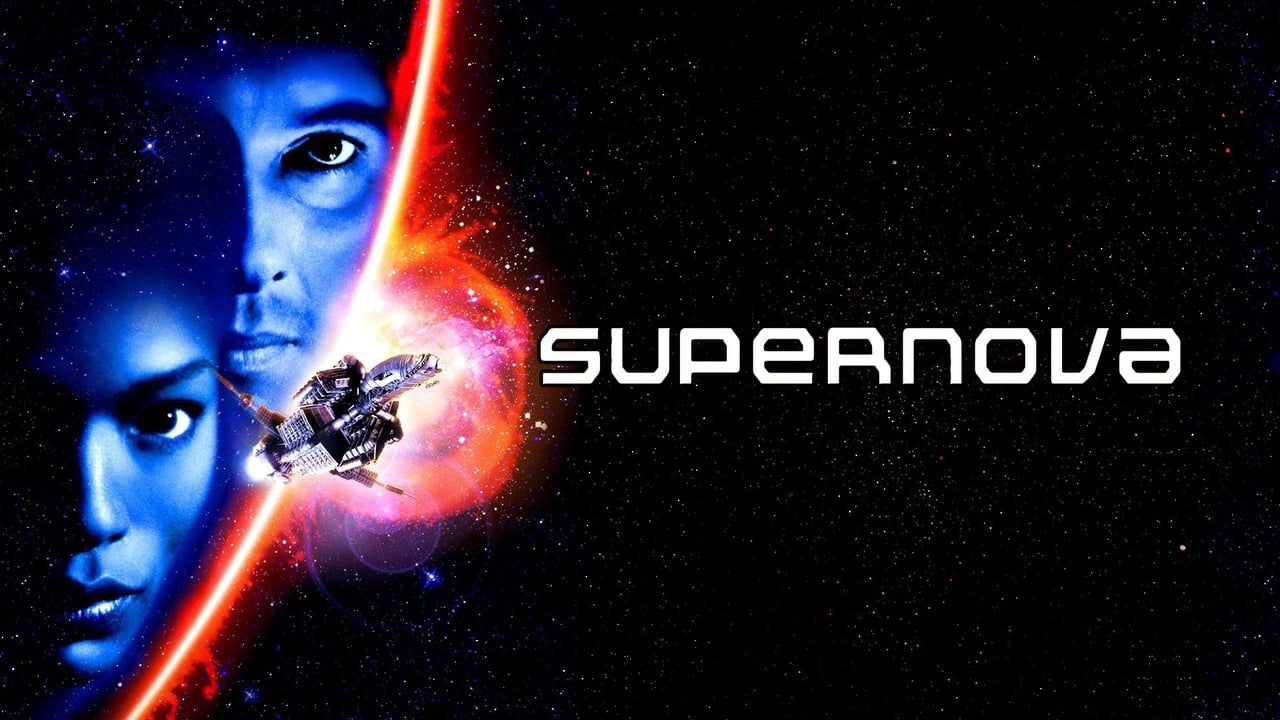
Supernova bombed hard, recouping only about $15 million of its estimated $90 million budget (a staggering loss, even adjusted for inflation). It became shorthand for studio interference run amok. Yet, there's a strange fascination in watching it. It’s a glimpse into alternate possibilities, a puzzle with missing pieces. You find yourself wondering what Hill's original R-rated, more cerebral version might have looked like, or even what Sholder's salvage attempt contained before Coppola and the studio took the reins for the final, commercially driven edit. It’s a film that invites speculation, a genuine Hollywood "what if?". It exists in that peculiar zone of late 90s/early 00s sci-fi that tried to blend gritty realism with high-concept horror, landing somewhere awkwardly in between. For those of us who remember grabbing that VHS tape, perhaps drawn by the cool cover art or the promise of deep-space chills, it remains a curious artifact itself – flawed, compromised, but undeniably memorable for its troubled journey.
VHS Heaven Rating: 3/10
The rating reflects the undeniable messiness – the incoherent plot, the jarring tonal shifts, and the clear evidence of studio butchery that hobbled what could have been a solid sci-fi thriller. However, the dedicated performances from a strong cast, moments of atmospheric potential, and its legendary status as a production disaster prevent it from being a total void. It earns a few points purely as a fascinating case study in filmmaking gone wrong.
Final Thought: Supernova isn't a good film, but it is a captivating Hollywood casualty, a reminder that sometimes the most terrifying monsters aren't alien artifacts, but studio executives with editing shears.