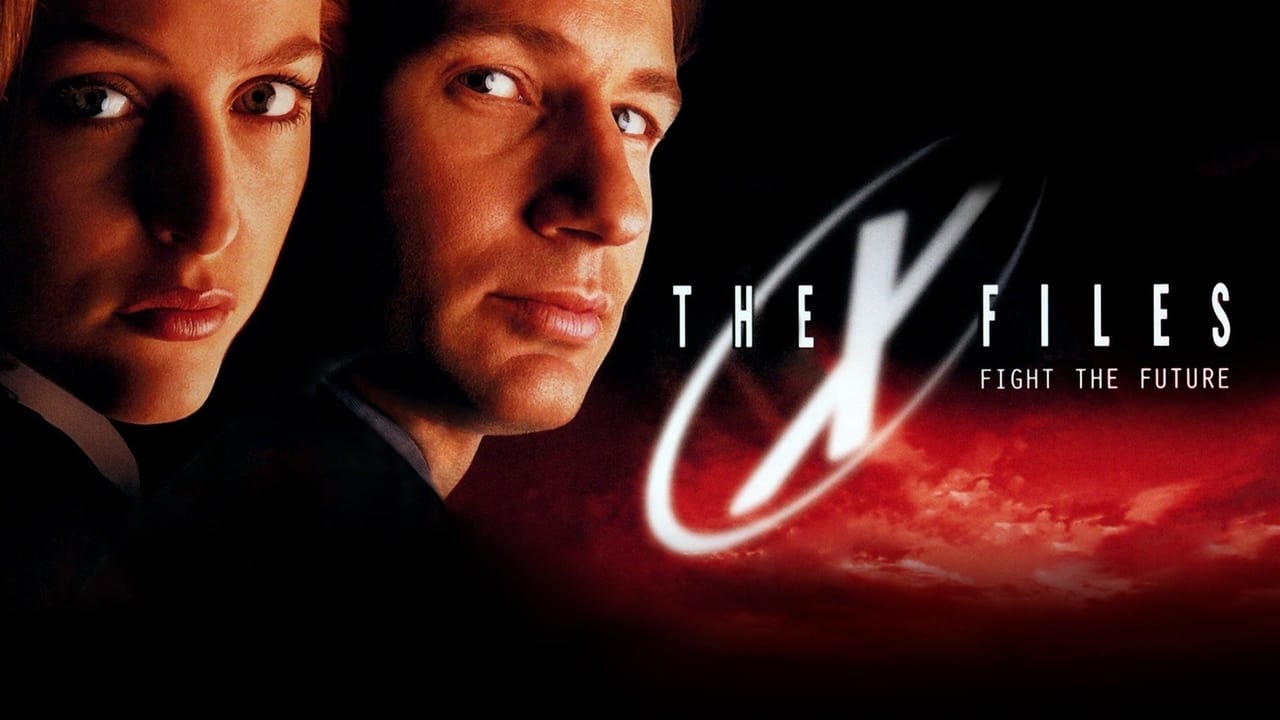
The static hiss of the tracking adjustment fades, the blue screen flickers out, and the familiar strains of Mark Snow's score swell, but this time… bigger. Broader. The darkness in the room feels heavier, the conspiracy hinted at for years on the small screen suddenly sprawling onto a cinematic canvas. The X-Files (often subtitled Fight the Future) landed in the summer of 1998 not just as a movie, but as an event for anyone who'd spent years hunched close to their CRT sets, absorbing the paranoia drip-fed by Chris Carter. Could the truth, finally, handle the multiplex spotlight?
The Weight of Expectation
Translating a beloved, complex television series into a satisfying summer blockbuster is a razor's edge walk. How do you please the die-hards, steeped in alien black oil and syndicate secrets, while also pulling in the uninitiated? Chris Carter, alongside series veteran writer Frank Spotnitz, tackled this head-on. The result aimed to be both a standalone sci-fi thriller and a crucial bridge between the show's fifth and sixth seasons. It was a gamble shrouded in secrecy, filmed under the code name "Project Blackwood" with scripts printed on red paper to foil photocopiers – the paranoia extended even to its creation. Did it fully succeed on both fronts? Perhaps not perfectly, but the ambition itself was palpable, a feeling amplified by the larger-than-life anticipation surrounding its release.
Bigger Canvas, Deeper Shadows
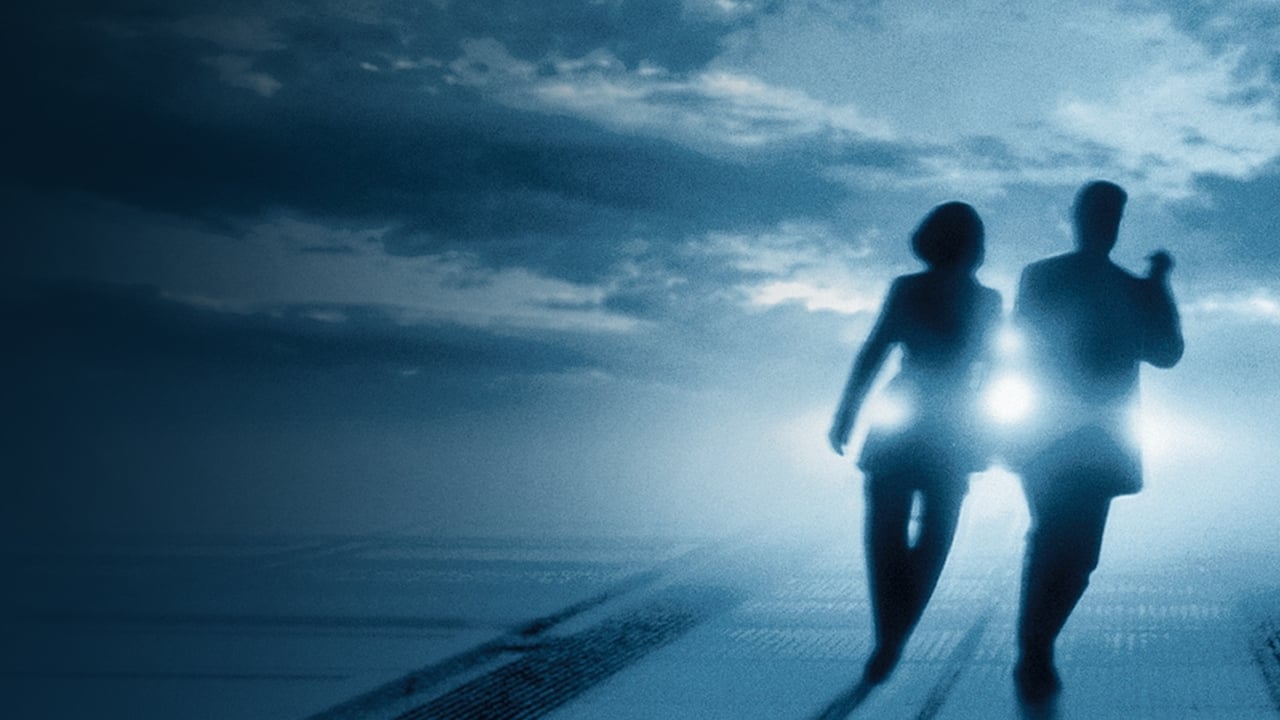
Director Rob Bowman, who helmed numerous standout episodes of the series, understood the assignment: maintain the show's core atmospheric dread but amplify it tenfold. The claustrophobic corridors and misty Vancouver forests of the series give way to expansive Texas cornfields, gleaming (and menacing) federal buildings, and ultimately, the stark, frozen wasteland of Antarctica (convincingly faked near Whistler, British Columbia, a logistical feat in itself). The colour palette remains steeped in shadow, punctuated by the iconic flashlight beams slicing through the dark, but the scope feels undeniably cinematic. Mark Snow's score, too, expands beautifully, retaining its haunting motifs while embracing orchestral grandeur. Watching it back then, on a decent-sized screen if you were lucky, felt like graduating – the familiar unease was still there, but now it echoed in a much larger space.
Mulder and Scully Go Hollywood
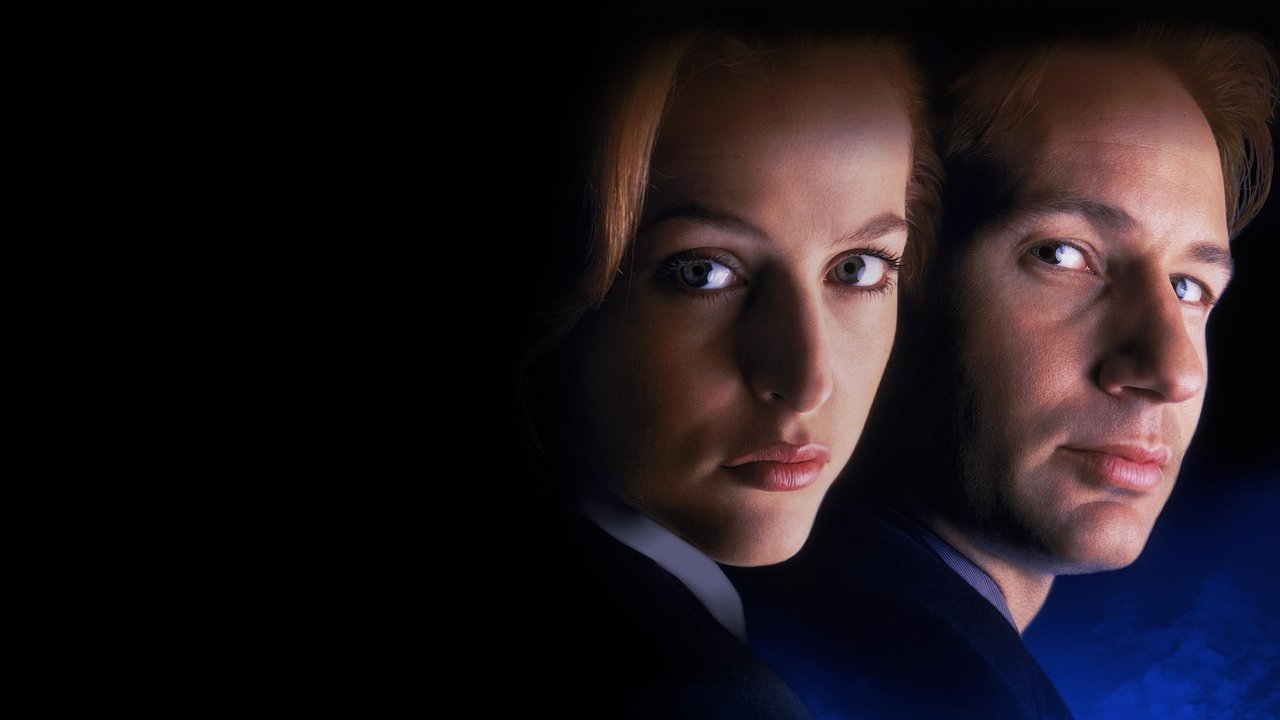
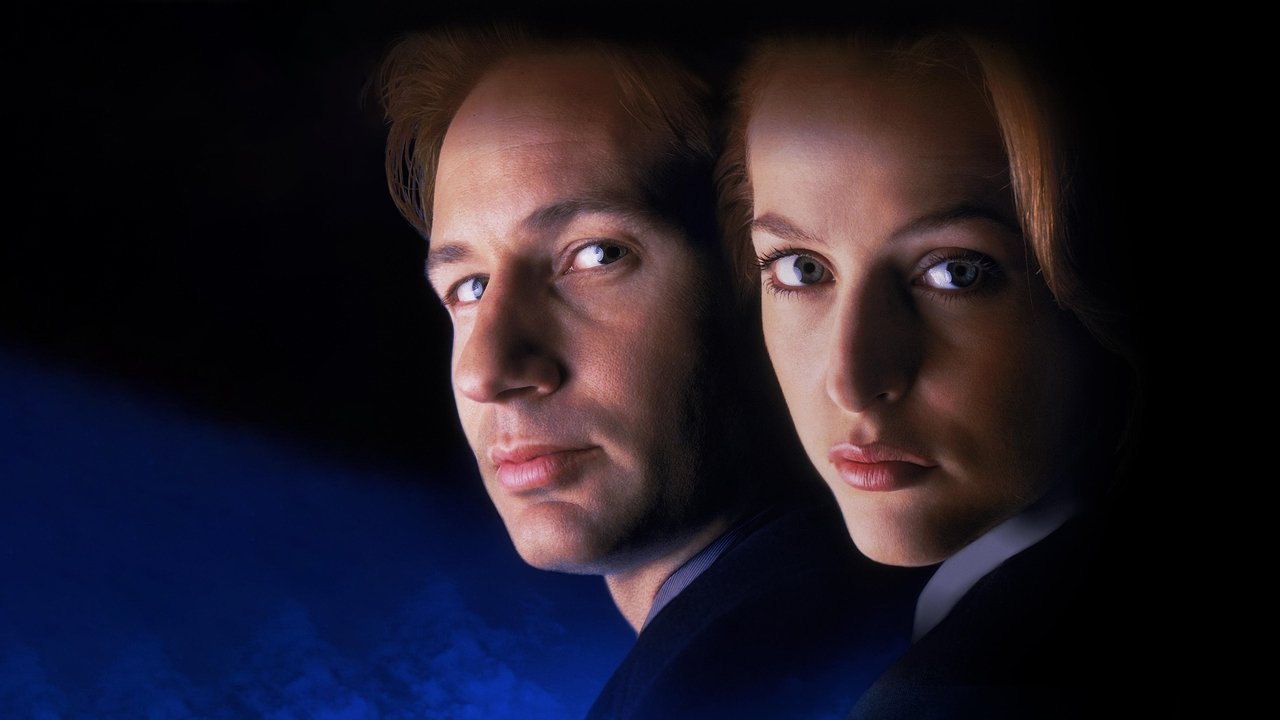
At the heart of it, of course, are David Duchovny as the beleaguered believer Fox Mulder and Gillian Anderson as the skeptical scientist Dana Scully. Their chemistry, honed over five seasons, translates seamlessly. If anything, the big screen allows for more nuanced expressions, quieter moments of shared vulnerability amidst the chaos. Anderson, in particular, carries the emotional weight, grounding the extraordinary events. Remember that scene in the hallway? The raw emotion, the near-confession – it felt earned, a culmination fans had waited years for, handled with surprising restraint. Supporting players step up too; Mitch Pileggi brings his usual weary authority as Skinner, William B. Davis’s Cigarette Smoking Man remains chillingly enigmatic, and the addition of Oscar-winner Martin Landau as the paranoid Dr. Alvin Kurtzweil lends significant gravitas, a knowing nod to classic conspiracy thrillers. Landau reportedly relished the role, adding a touch of old-school gravitas to the modern paranoia.

Secrets and Set Pieces
The X-Files movie delivered spectacle the series budget rarely allowed. The sequence involving the explosive destruction of the building hiding the infected bodies felt huge, a terrifying display of the conspiracy’s reach. Then there’s the infamous Bee Dome sequence – thousands of bees, genetically engineered carriers of the alien virus, swarming our heroes. It's a fantastic blend of practical effects (real bees, apparently calmer than expected on set) and nascent CGI, creating a genuinely skin-crawling set piece. Finding a suitably epic cornfield for another key sequence proved a challenge, requiring extensive scouting across California before settling on a location near Bakersfield that could accommodate the necessary scale and destruction (including those iconic black helicopters). These weren't just monster-of-the-week encounters; they felt like integral parts of a global threat, finally glimpsed in its terrifying totality. This expansion came with a hefty price tag, around $66 million, but the gamble paid off, pulling in nearly $190 million worldwide – proof that the audience’s belief was strong.
Mythology vs. Accessibility
The plot dives deep into the series' overarching mythology – the alien colonists, the black oil virus, the Syndicate's complicity – while trying to frame it within a relatively self-contained terrorist bombing investigation. For fans, it offered tantalizing confirmations and explosive revelations (that final Antarctic spaceship reveal!). For newcomers, it might have felt dense, perhaps even slightly bewildering. The film walks a tightrope, sometimes successfully explaining just enough, other times relying heavily on pre-existing knowledge. Does it matter now, looking back through the warm haze of VHS nostalgia? Perhaps less. Taken as a 90s sci-fi thriller steeped in post-Cold War paranoia and pre-millennial anxiety, it holds up remarkably well, capturing a specific cultural moment of distrust and fascination with the unknown.
Lasting Echoes
While the later sequel, The X-Files: I Want to Believe (2008), aimed for a smaller, standalone story, this first cinematic outing remains the definitive big-screen X-Files experience. It proved the franchise’s viability beyond television, momentarily satisfying the hunger for answers while, true to form, leaving us with even more questions. It demonstrated that Mulder and Scully’s dynamic, and the pervasive sense of shadowy forces at work, resonated deeply with a mass audience. For many, slipping this tape into the VCR wasn't just watching a movie; it felt like plugging back into a universe we desperately wanted to believe in, even as it chilled us to the bone.
---
Rating: 8/10
The X-Files: Fight the Future successfully translated the beloved series' atmosphere and central relationship to the big screen, delivering cinematic spectacle and genuinely tense moments. While potentially dense for newcomers, it rewarded loyal fans with significant mythology advancements and captured the paranoid spirit of the late 90s perfectly. Minor pacing issues and the inherent difficulty of balancing accessibility with deep lore prevent a higher score, but its ambition, Rob Bowman's assured direction, and the iconic leads make it a standout sci-fi thriller of the era and a must-have in any respectable VHS collection. It didn't just fight the future; for a thrilling two hours, it was the future of the franchise.