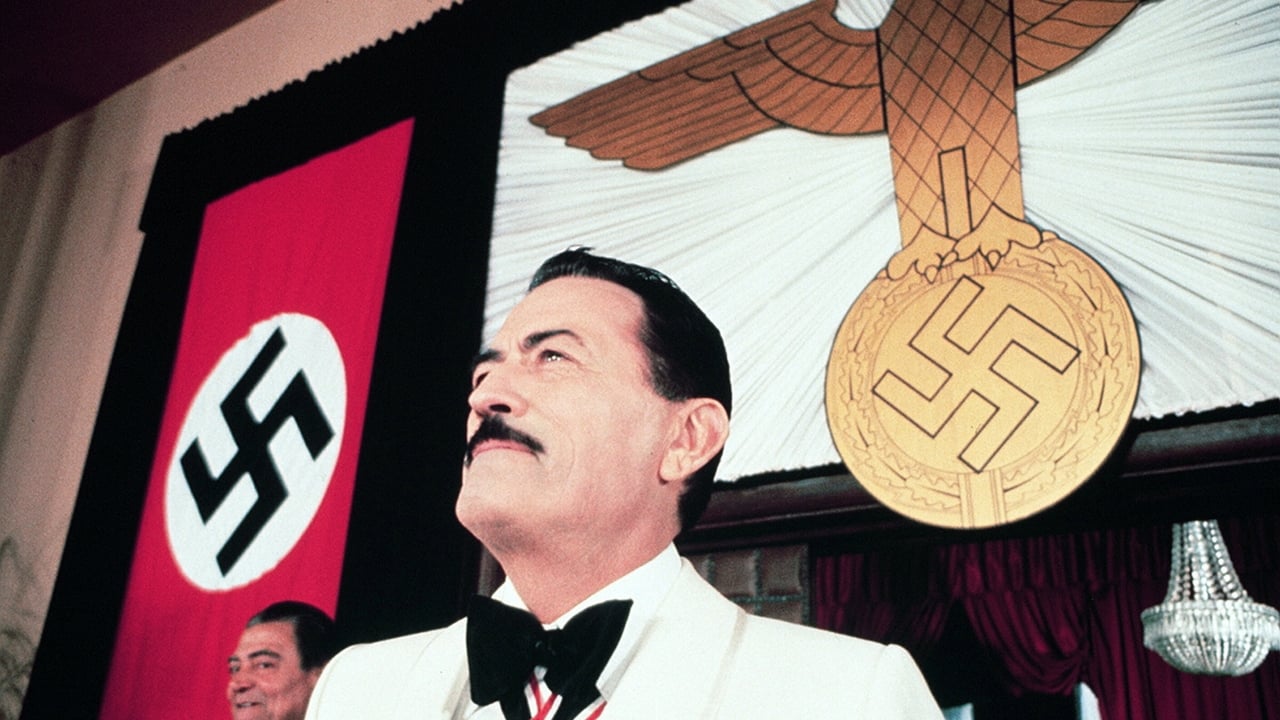
It’s hard to shake the image: Gregory Peck, the face of American integrity in films like To Kill a Mockingbird, eyes blazing with fanatical cruelty, embodying one of history's most notorious monsters. Seeing The Boys from Brazil for the first time, likely on a grainy rental tape under the weak glow of a table lamp, was profoundly unsettling precisely because of that casting against type. It wasn't just a thriller; it felt like a violation, a beloved icon twisted into the architect of pure evil, Dr. Josef Mengele. That initial shock perfectly sets the stage for a film that, while rooted in the political paranoia of the 70s, still carries a unique and disturbing chill.
### The Whisper Campaign of Evil
The premise, drawn from Ira Levin's bestseller, is audacious even now. Aging Nazi hunter Ezra Lieberman (Laurence Olivier, in a performance etched with weariness and fierce resolve) intercepts a fragment of a phone call hinting at a sinister plot orchestrated by Mengele, hiding out in South America. The plan? Activate the "Kameradenwerk" organization to assassinate 94 seemingly ordinary men scattered across North America and Western Europe. These men share mundane jobs, similar ages, and domineering wives, but the truly horrifying link only emerges as Lieberman digs deeper: they all have adopted sons, identical black-haired, blue-eyed boys, clones of Adolf Hitler himself. It’s a concept so grotesque, so steeped in the lingering horrors of the Third Reich, that it feels torn from suppressed nightmares. The film, directed by Franklin J. Schaffner (who brought similar scale and tension to Patton and Planet of the Apes), leans into this inherent dread, treating the impossible as terrifyingly plausible.
### A Duel Across Continents
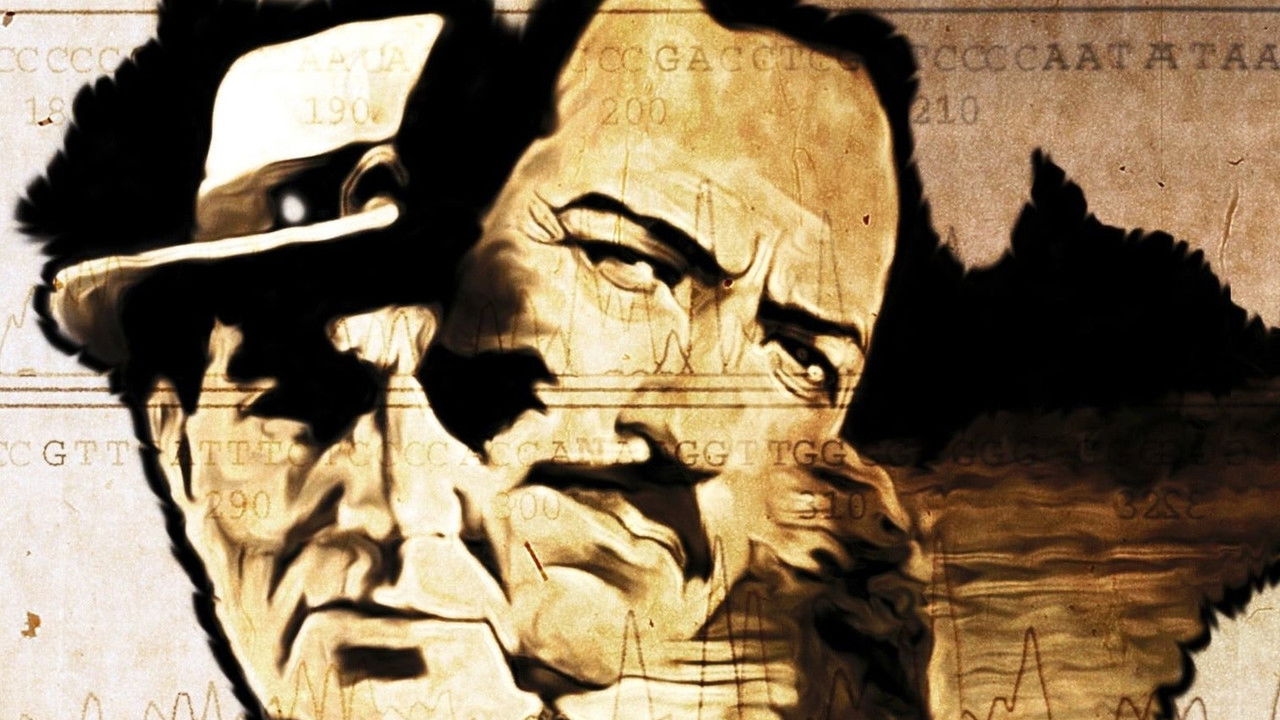
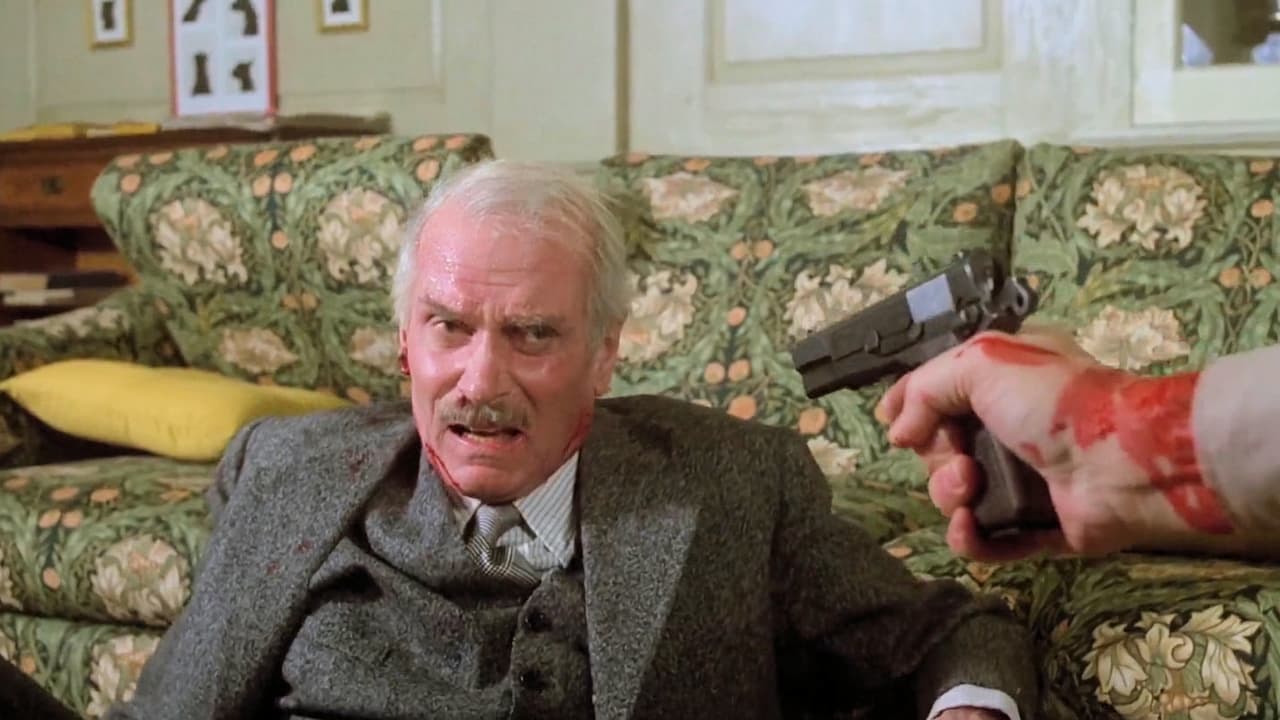
What truly elevates The Boys from Brazil beyond a potentially lurid concept is the powerhouse confrontation between its leads. Olivier, despite battling serious illness during filming (dermatomyositis, which caused him significant pain and muscle weakness), delivers a masterful portrayal of Lieberman. He's frail, shuffling, sometimes seemingly overwhelmed, but his intellect and moral fury burn brightly. You feel the weight of his lifelong hunt, the toll it's taken. It’s said Olivier drew inspiration from Simon Wiesenthal, the famed real-life Nazi hunter, adding layers of authenticity to his exhaustion and determination.
Against him stands Peck's Mengele. Initially hesitant to take a role so dark, fearing it would forever taint his heroic image, Peck ultimately embraced the challenge. His Mengele isn't a cartoon villain; he’s chillingly composed, driven by unwavering ideology and scientific arrogance. The moments where his composure cracks – the flashes of rage, the unsettling paternal pride he displays towards his "project" – are genuinely frightening. Supporting them is the ever-reliable James Mason as Eduard Seibert, a former SS officer acting as Mengele's reluctant liaison, conveying the unease of a man complicit in something monstrous.
### Goldsmith's Twisted Waltz
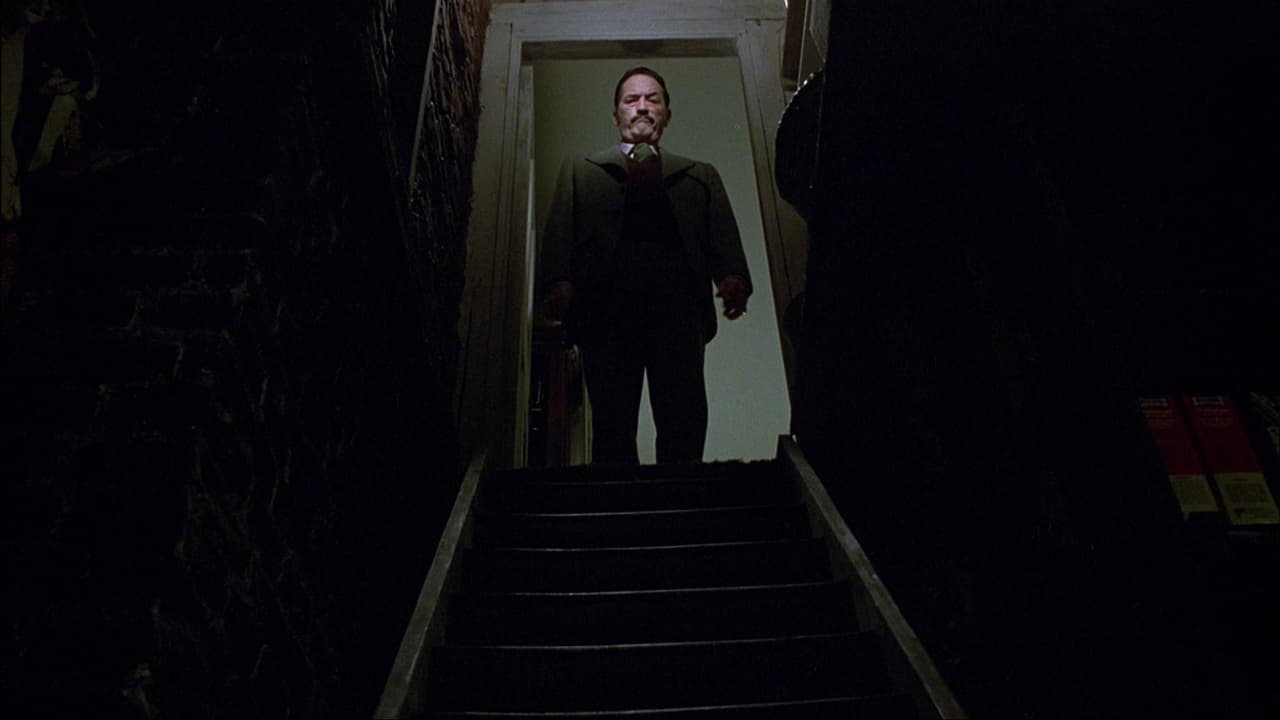
The film's atmosphere owes a tremendous debt to Jerry Goldsmith's brilliant score. Goldsmith employs a deceptively elegant, lilting waltz motif that becomes increasingly sinister as the plot unfolds. It’s the musical equivalent of Mengele's refined cruelty – a veneer of civilization masking utter barbarity. This juxtaposition is key to the film's unsettling power, echoing through the crisp cinematography that captures locations from Paraguay (standing in for Brazil) to Austria, London, and Pennsylvania. Schaffner uses these locales effectively, creating a sense of a vast, hidden network operating just beneath the surface of the everyday world, a hallmark of the best 70s conspiracy thrillers. The production, costing a respectable $12 million back in '78, certainly put its budget on screen, giving the hunt a tangible, globe-spanning scope.
### Echoes in the Static
Watching it today, certain elements inevitably feel of their time. The depiction of cloning science is, naturally, simplified by modern standards. Yet, the core ethical questions – nature versus nurture, the potential for evil lurking in genetics, the terrifying persistence of Nazi ideology – remain disturbingly relevant. One element that hasn't lost its power to shock is the infamous Doberman attack scene. It’s brutal, sudden, and filmed with a raw intensity that likely had viewers hitting the pause button even back in the VHS era, perhaps wondering just how they managed to film something so vicious (it involved careful training and editing, thankfully, not actual harm to the esteemed actor involved). The fact that the real Josef Mengele was still believed to be alive and at large when the film was released added an extra layer of chilling verisimilitude that's hard to recapture now, knowing his eventual fate (drowning in Brazil in 1979). It wasn't just fiction; it felt like a terrifying possibility ripped from the headlines people feared reading.
Does the central twist, the reveal of the boys' origins, still genuinely shock? Maybe not with the same force it did initially, having permeated pop culture to some degree. But the implications certainly do. The film doesn’t offer easy answers about whether destiny is predetermined, leaving the audience grappling with uncomfortable possibilities long after the credits roll – and the tape ejects with a satisfying clunk. It grossed around $19 million, a decent return but perhaps indicative that audiences, while intrigued, were also deeply unnerved by the subject matter.
***
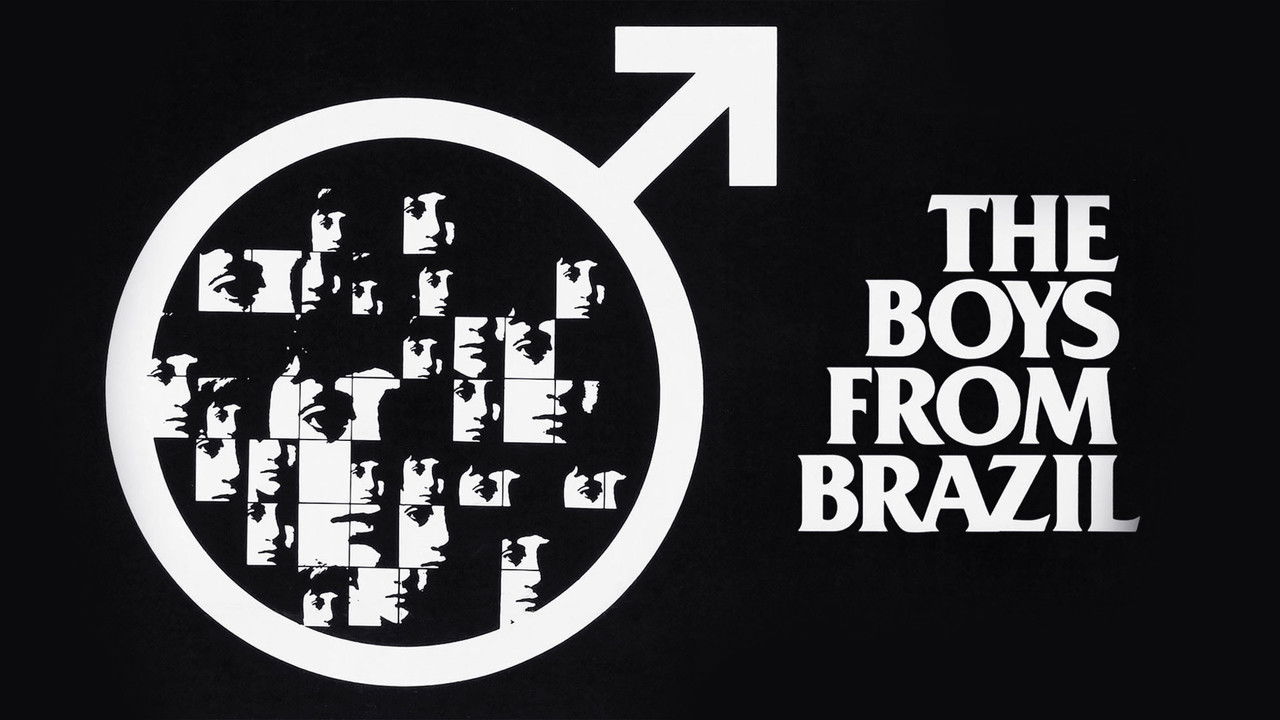
VHS Heaven Rating: 8/10
Justification: The Boys from Brazil earns its high rating through its audacious premise, the titanic performances from Peck (brilliantly cast against type) and Olivier (powerfully portraying frail determination), Schaffner's taut direction, and Goldsmith's iconic, unsettling score. The globetrotting plot maintains tension, and the film tackles disturbing themes with a seriousness that elevates it beyond simple exploitation. While some scientific aspects feel dated, the core ethical dilemmas and the chilling "what if" scenario remain potent. Minor pacing dips in the middle and the inherent bleakness prevent a perfect score, but its power to disturb is undeniable.
Final Thought: More than just a conspiracy thriller, The Boys from Brazil remains a chilling exploration of legacy and evil, anchored by two legendary actors giving unforgettable performances. It’s the kind of film that burrows under your skin, a dark whisper from the past that the static of time hasn't quite managed to erase.