Some films don't just tell a story; they coil around you, leaving a chill long after the tape has clicked off. Louis Malle's Damage (1992) is precisely that kind of film—a stark, unsettling exploration of an obsession so consuming it obliterates everything in its path. It wasn't the sort of movie you casually grabbed off the "New Releases" shelf at Blockbuster; it felt destined for the 'Drama' section, perhaps even 'World Cinema' if your local store had one, hinting at something more complex and potentially discomforting than the usual Friday night fare. Watching it again now, decades later, that initial sense of quiet dread remains remarkably potent.
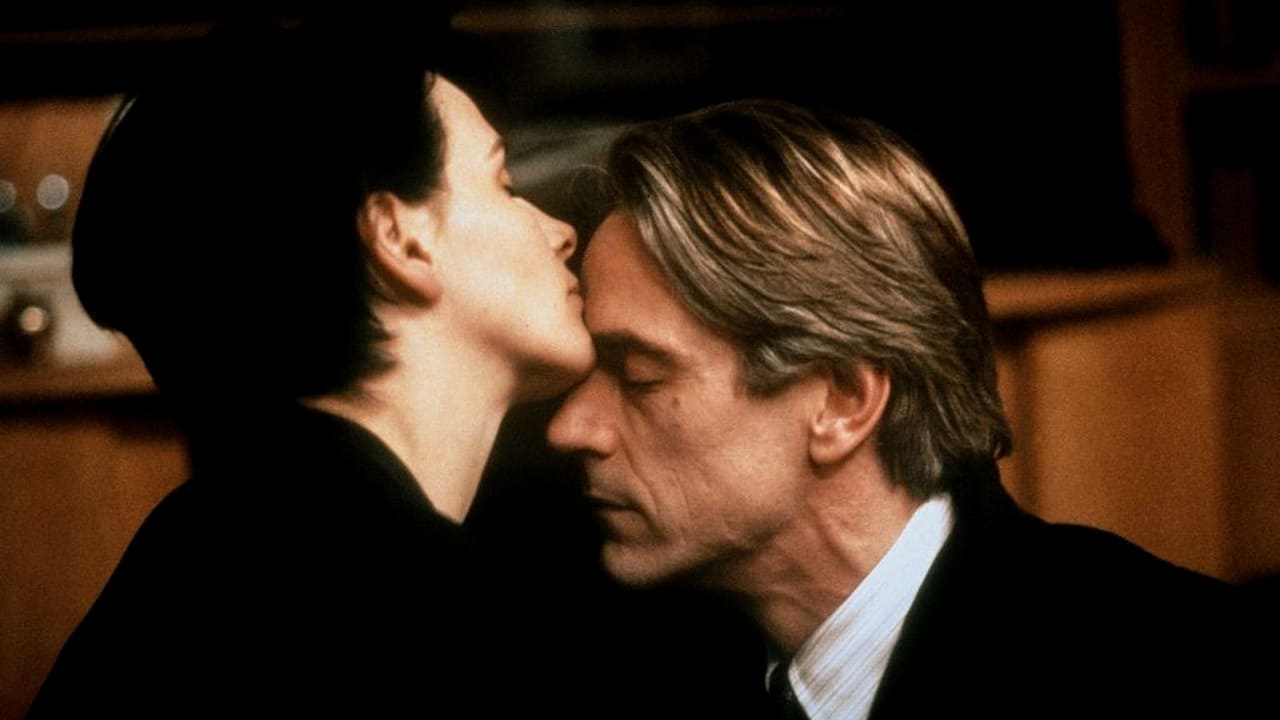
Adapted by playwright David Hare (The Hours, The Reader) from Josephine Hart's devastatingly concise novel, Damage presents us with Dr. Stephen Fleming (Jeremy Irons), a successful politician seemingly content in his measured, upper-class existence. He has a respected career, a comfortable home, and a loving wife, Ingrid (Miranda Richardson). Yet, beneath this veneer of control lies a profound emptiness, a void swiftly and irrevocably filled the moment he locks eyes with Anna Barton (Juliette Binoche), his son Martyn's (Rupert Graves) enigmatic new fiancée. What unfolds isn't a whirlwind romance; it's a gravitational pull, a descent into a purely physical, almost wordless affair marked by a dangerous, trance-like intensity.
A Study in Controlled Implosion
The power of Damage rests heavily on its central performances, particularly that of Jeremy Irons. Fresh off his Oscar win for Reversal of Fortune (1990), Irons embodies Stephen with a chilling precision. It’s not a performance of grand gestures but of minute shifts – the flicker in his eyes, the slight tightening of his jaw, the way his carefully constructed composure seems perpetually on the verge of shattering. He portrays a man sleepwalking through his own life, only truly awakened by a destructive force he makes no real effort to resist. You don't necessarily sympathise with Stephen, yet Irons makes his catastrophic choices feel terrifyingly inevitable. His internal struggle, or perhaps the shocking lack of one, is palpable.
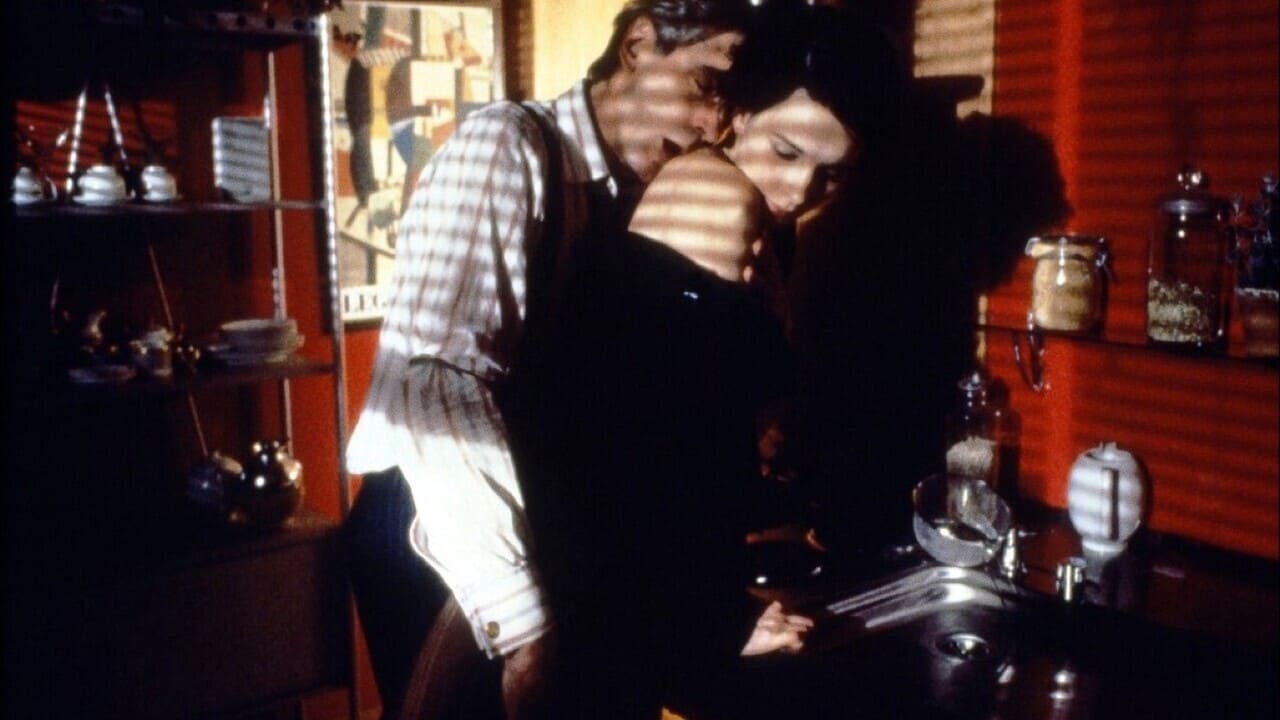
Juliette Binoche, who had captivated audiences in The Unbearable Lightness of Being (1988), is equally compelling as Anna. She's deliberately opaque, a survivor scarred by past trauma (revealed late in the film) who seems to navigate the world through a detached, almost predatory sensuality. Is she a victim, a manipulator, or something far more complex? Binoche refuses easy answers, her performance radiating a damaged allure that explains Stephen's fixation, even if it doesn't excuse it. Their scenes together are charged with an uncomfortable, almost claustrophobic intimacy, filmed by Malle with an unflinching gaze that refuses to romanticize the transgression.
Behind the Polished Surface
Louis Malle, a director celebrated for his versatility across films like the poignant Au Revoir les Enfants (1987) and the conversational My Dinner with Andre (1981), brings a cool, European sensibility to the material. He avoids melodrama, opting instead for a stark, observational style. The cinematography by Peter Biziou (Mississippi Burning) enhances this, often framing the characters within sterile, elegant environments that contrast sharply with the messy, primal nature of their affair. The sparse score by Zbigniew Preisner adds to the unsettling atmosphere, underlining the emotional desolation rather than manufacturing tension.
Retro Fun Facts:
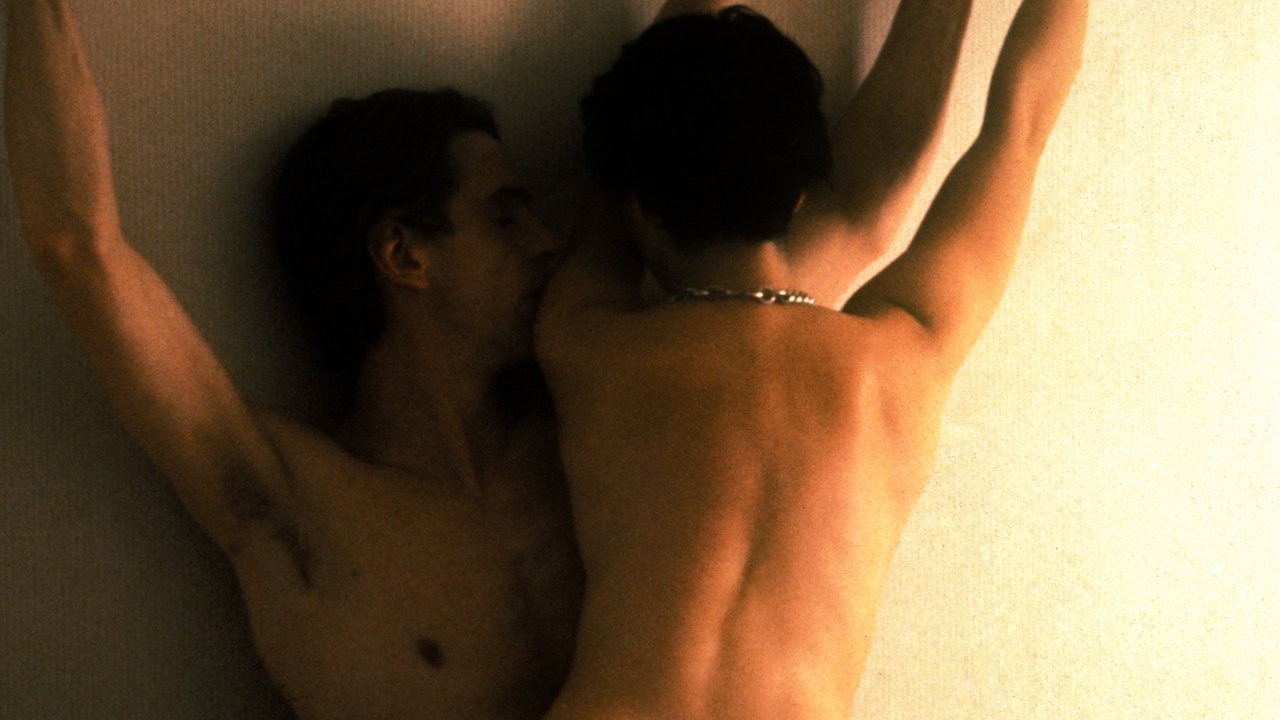
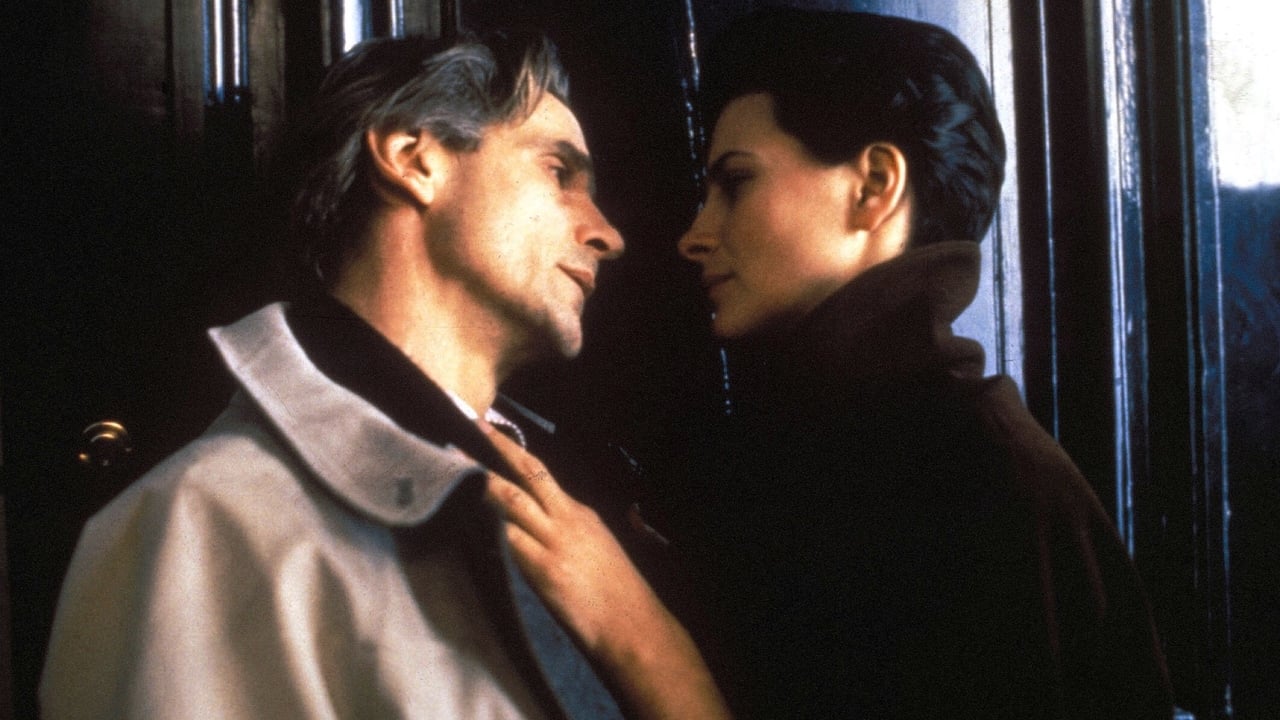
- The film's explicit sexual content was highly controversial upon release, particularly in the US. Malle famously battled the MPAA over the initial NC-17 rating, eventually making minor cuts to secure an R rating, though the more explicit version is what most remember from international releases or later director's cuts on home video. This ratings battle itself became a talking point, reflecting the cultural anxieties surrounding screen sexuality in the early 90s.
- Josephine Hart’s 1991 novel was a bestseller, known for its intense, almost poetic prose capturing the obsessive mindset. David Hare's screenplay necessarily streamlines some of the internal monologue but effectively translates the core themes.
- Miranda Richardson's performance as the betrayed wife, Ingrid, earned her an Academy Award nomination for Best Supporting Actress (and a BAFTA win). Her confrontation scene with Irons remains one of the most electrifying and devastating depictions of marital betrayal committed to film – raw, visceral, and utterly unforgettable. Reportedly, the intensity on set during that scene was palpable.
- Finding the right Anna was crucial. Before Juliette Binoche was cast, other actresses were considered, but Binoche’s unique combination of vulnerability and intensity ultimately won Malle over.
The Weight of Consequences
Damage isn't an easy watch. It denies the audience the comfort of clear heroes or villains. Stephen's actions are reprehensible, driven by a profound selfishness, yet the film presents his fall not as a sudden lapse but as the grim culmination of a life lived without true passion or connection. Anna remains an enigma, her motivations clouded by past tragedy. The true tragedy, however, belongs to the collateral damage – the lives shattered by their obsessive union, most notably Stephen’s son Martyn and his wife Ingrid.
Does the film endorse their behavior? Absolutely not. It functions more like a clinical observation of obsession's destructive power, forcing us to confront uncomfortable questions about the hidden desires and potential for self-destruction lurking beneath civilized surfaces. What happens when societal constraints are abandoned for pure, unadulterated impulse? The film suggests the result is not liberation, but utter devastation.
Final Reflections
Rewatching Damage evokes a specific kind of 90s cinematic memory – the era of the "erotic thriller," but here elevated (or perhaps deepened) into something far more psychologically complex and artistically ambitious by Malle's detached, European perspective. It lacks the flashy tropes of Basic Instinct (released the same year) but offers a more profound, if chilling, exploration of similar themes. It’s a film that stays with you, not for its plot twists, but for its haunting atmosphere and the devastating truths revealed in its characters' unraveling.

Rating: 8/10
Justification: Damage is a masterclass in controlled direction and features powerhouse performances, particularly from Irons and Richardson. Its unflinching exploration of destructive obsession, coupled with Malle's stark, atmospheric style, makes it a compelling, albeit deeply uncomfortable, watch. The pacing might feel deliberate to some, and the characters' coldness can be alienating, but these are arguably intentional choices reinforcing the film's themes. Its bravery in tackling difficult subject matter and the unforgettable impact of its key scenes solidify its place as a significant, challenging piece of early 90s cinema.
It leaves you pondering the fragility of composure and the terrifying ease with which a carefully constructed life can be dismantled by a single, consuming fixation. What secrets do seemingly perfect lives hide, and what is the true cost of giving in to forbidden desire? Damage offers no easy answers, only a stark, unforgettable portrait of the wreckage left behind.