It starts not with a bang, but with a breath held, then violently expelled. There’s an image from Tom Tykwer’s The Princess and the Warrior (2000) – known in its native Germany as Der Krieger und die Kaiserin – that lodges itself firmly in the mind long after the credits fade: a desperate, life-saving incision made beneath the roar of a passing truck. It's a moment of shocking intimacy born from pure chance, and it becomes the axis around which this strange, beautiful, and deeply melancholic modern fairytale revolves. Stepping into this film, especially if your main exposure to Tykwer and star Franka Potente was the kinetic explosion of Run Lola Run (1998), feels like entering a different world altogether. Gone is the breathless pace; here, silence and observation reign.
A Collision of Solitudes
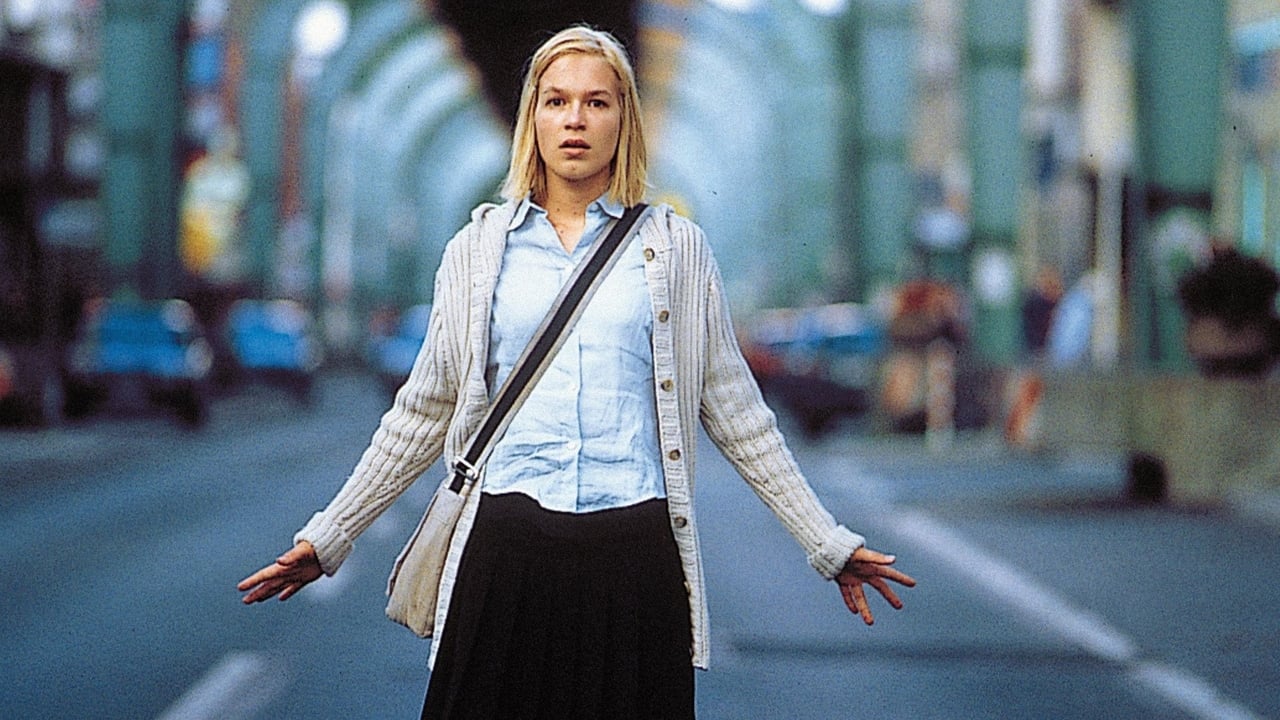
We meet Sissi (Franka Potente), a psychiatric nurse working at the Klinik Aprath (a real clinic near Wuppertal, lending an unsettling authenticity to these scenes). She lives a life almost hermetically sealed, devoted to her patients, seemingly untouched by the chaos of the outside world. Her existence is quiet, contained, almost ethereal. Then comes the accident. A tanker truck bears down on her, and in the frantic aftermath, Bodo (Benno Fürmann), a brooding ex-soldier fleeing his own demons, performs an emergency tracheotomy, saving her life before vanishing back into the urban landscape. For Sissi, this violent, intimate act isn't just a rescue; it's a sign, a moment of profound connection that convinces her their destinies are intertwined. She becomes consumed with finding this mysterious stranger. Bodo, however, is a fortress of unspoken trauma, adrift and disconnected, caught in a troubled relationship with his brother Walter (Joachim Król). He doesn't seek connection; he actively avoids it. What unfolds isn't a conventional romance, but an exploration of how two deeply wounded souls might orbit each other, drawn together by an event that was simultaneously brutal and life-affirming.
The Eloquence of Silence
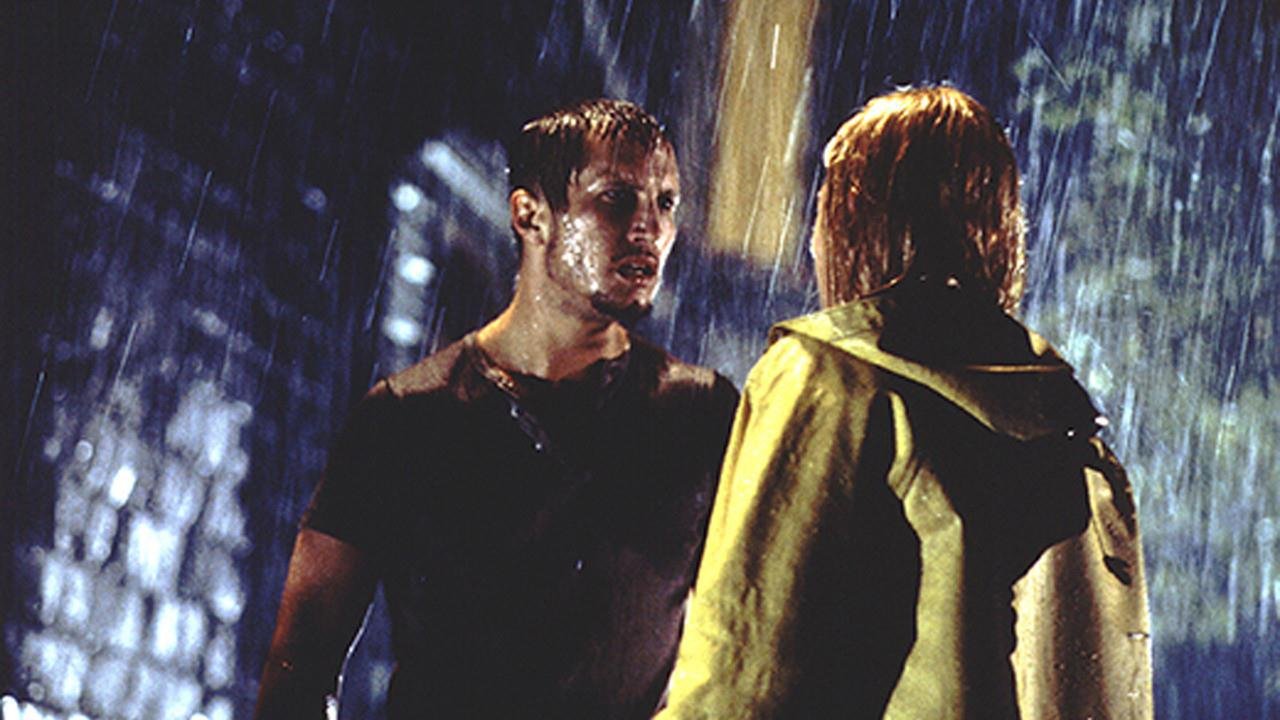
If Run Lola Run was a cinematic sprint, The Princess and the Warrior is a deliberate, meditative walk. Tykwer, who also wrote the screenplay, consciously chose to pivot away from the rapid-fire editing and pulsing techno score that defined his previous hit. Here, the camera lingers, observing gestures, expressions, the textures of skin and fabric. The unique landscape of Wuppertal, with its famous suspended Schwebebahn railway gliding eerily overhead, becomes another character, contributing to the film's distinct, almost dreamlike atmosphere. This slower pace demands patience, asking the viewer to sink into the characters' internal worlds. It wasn’t the massive global hit Run Lola Run was, perhaps partly because of this stylistic shift; it felt less immediately accessible, more demanding. Yet, its power lies precisely in this quiet intensity. Budgeted around DM 13 million, it was a more modestly scaled production aiming for depth over dazzle.
Performances That Breathe
The film rests heavily on the shoulders of its leads, and they deliver performances of remarkable subtlety. Franka Potente, shedding the frantic energy of Lola, embodies Sissi with a wide-eyed vulnerability that gradually reveals a core of unwavering, almost unsettling conviction. Her quest to find Bodo isn't flighty; it's deeply felt, bordering on mystical obsession. You see the sheltered life in her movements, the profound impact of the near-death experience in her gaze. Opposite her, Benno Fürmann is equally compelling as Bodo. His is largely a non-verbal performance, conveying immense pain and emotional shutdown through posture, fleeting glances, and moments of unsettling stillness. He’s the ‘Warrior’ of the title, but his battles are internal, etched onto his face and carried in the tension of his body. The connection between them feels less like conventional chemistry and more like the tentative interaction of two different magnetic fields, sometimes repelling, sometimes irresistibly drawn together. Joachim Król, a familiar face in German cinema, provides a crucial anchor as Bodo’s more grounded, albeit troubled, brother.


The Weight of Touch
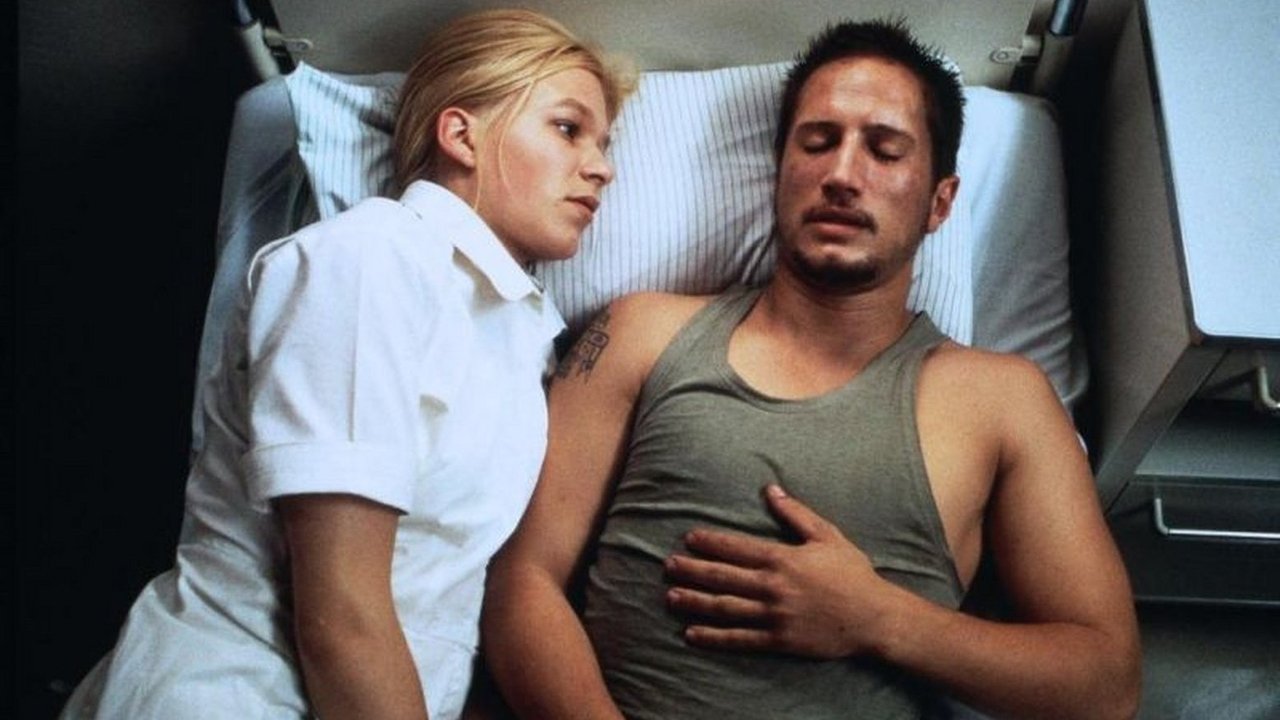
One of the film's most resonant themes is the significance of touch. Sissi's work as a nurse involves constant physical contact, bathing patients, tending to their needs with a gentle intimacy. This contrasts sharply with the violent, life-saving touch Bodo administers during the tracheotomy – a moment captured with unflinching, almost clinical detail (a testament to skillful prosthetic work and direction). Later, as Sissi seeks Bodo, touch becomes a complex language: a hand tentatively offered, a flinch away from contact, the charged space between two bodies. The film seems to ask, how does physical connection relate to emotional connection? Can touch heal wounds that words cannot reach? It explores the body not just as a vessel, but as a repository of trauma and a potential site for healing.
Beyond the Fairytale
While the German title Der Krieger und die Kaiserin ("The Warrior and the Empress") hints at fairytale archetypes, Tykwer grounds the story in a gritty, psychological realism. The bank robbery subplot that emerges feels less like a genre convention and more like a desperate lashing out from characters pushed to their limits. The film doesn't offer easy answers or neat resolutions. Questions linger: Was the connection Sissi felt purely fate, or a projection born from trauma? Can Bodo ever truly escape his past? The film trusts the audience to sit with this ambiguity, finding meaning in the unspoken and the unresolved. It's a film that resonates not because it provides closure, but because it captures the often-messy, unpredictable ways human lives intersect and impact one another.
Final Thoughts
The Princess and the Warrior might have arrived just as the new millennium dawned, feeling like a quiet coda to the frantic energy often associated with late 90s cinema. It perhaps didn't fill the shelves at Blockbuster quite like Run Lola Run, maybe being discovered later, a slightly more obscure gem passed between friends who appreciated something deeper. Watching it now, it feels like a mature, introspective work that uses the framework of romance to explore profound questions about fate, trauma, and the fragile possibility of human connection. It’s a film that requires you to slow down, to watch closely, and to feel its quiet rhythms.
Rating: 8.5/10
Justification: The film earns this high score for its masterful direction, deeply affecting performances from Potente and Fürmann, its unique and evocative atmosphere, and its courageous exploration of complex emotional themes through subtlety and silence rather than exposition. It's a challenging film, and its deliberate pace might deter some, but its artistic ambition and emotional resonance are undeniable.
Lingering Question: In a world saturated with noise, what power remains in silence, in the unspoken connection between two souls marked by chance and trauma? The Princess and the Warrior leaves you pondering just that.