There’s a particular tension that vibrates through White Nights (1985), a film born directly from the deep freeze of the Cold War. It’s not just the political paranoia, though that’s certainly present, thick and palpable as Siberian air. It’s the tension between confinement and expression, between state control and the irrepressible freedom of art, embodied most powerfully by two dancers seemingly worlds apart, yet thrust together by fate and ideology. This was a tape I remember distinctly renting, drawn perhaps initially by the promise of Mikhail Baryshnikov, whose real-life defection was still relatively recent news, lending the premise an almost documentary-like frisson.
Worlds Collide on Frozen Ground
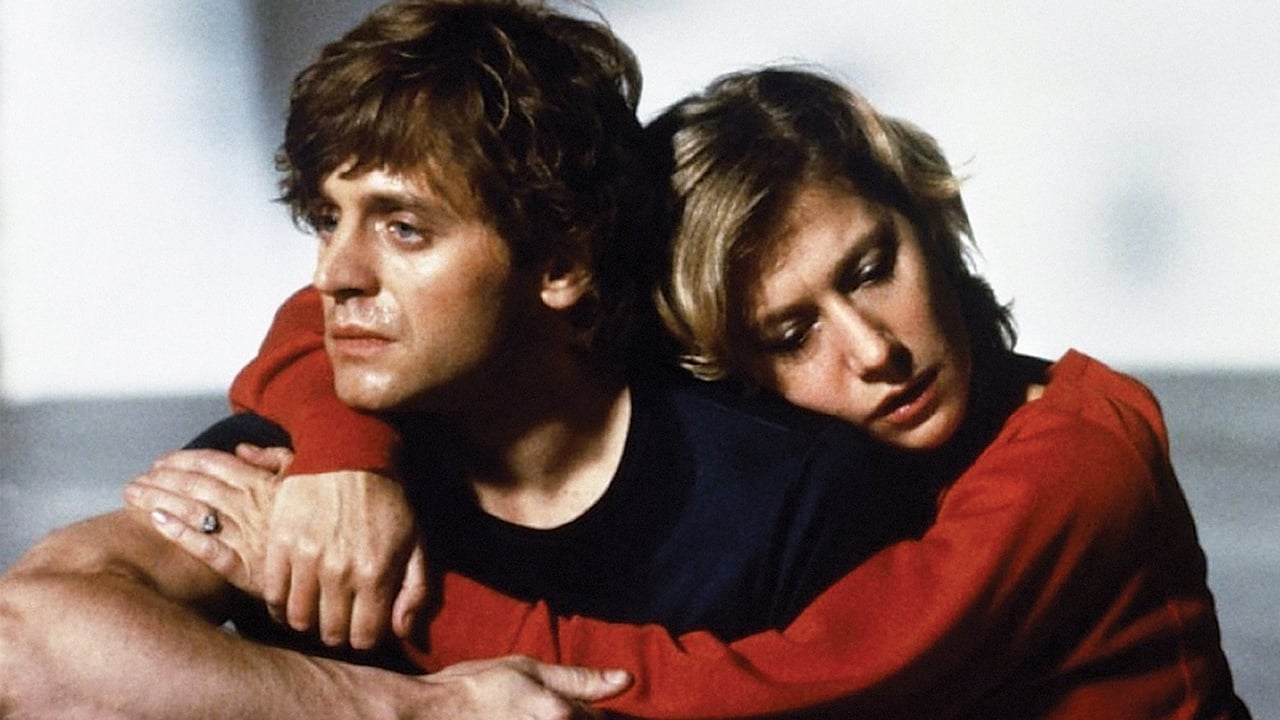
The setup is pure high-concept Cold War drama: Nikolai 'Kolya' Rodchenko (Baryshnikov), a Soviet ballet legend who defected to the West years prior, is on a flight forced to make an emergency landing deep inside the Soviet Union. Recognized and swiftly contained by the calculating KGB Colonel Chaiko (Jerzy Skolimowski, himself a notable Polish filmmaker stepping in front of the camera), Kolya finds himself a prisoner in the land he fled. His reluctant minder? Raymond Greenwood (Gregory Hines), an American tap dancer who defected to the USSR, disillusioned with his home country during the Vietnam War era. Raymond lives there with his Russian wife Darya (Isabella Rossellini), seemingly resigned to his situation. This collision of opposing journeys – one escaping from tyranny, the other escaping to what he perceived as an alternative – forms the conflicted heart of the film.
A Dance of Defiance and Understanding
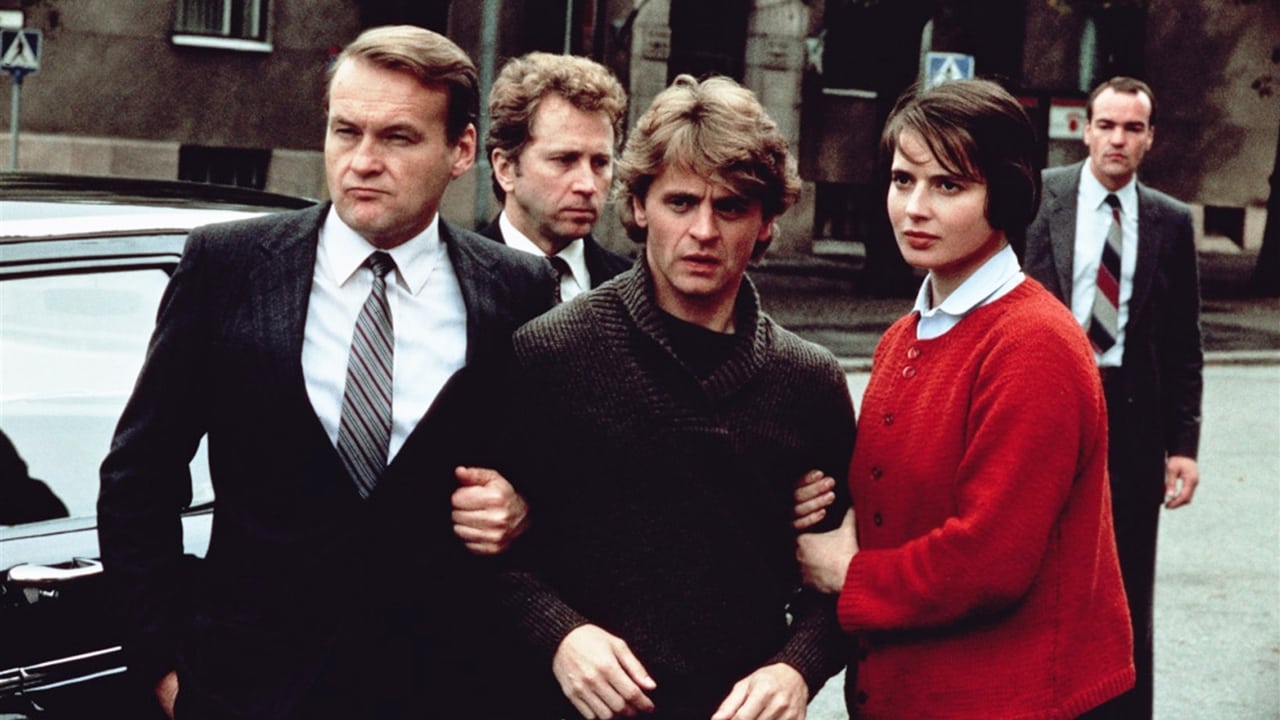
Where White Nights truly transcends its political thriller framework is in the electrifying presence of its leads. Baryshnikov, arguably the most famous ballet dancer on the planet at the time, brings an astonishing vulnerability and coiled intensity to Kolya. Knowing his own perilous defection from the Kirov Ballet in 1974 hangs over the performance adds layers of authentic anguish and defiance. You feel the weight of his character's history, the constant fear simmering beneath the surface. Opposite him, the late, great Gregory Hines is simply phenomenal. His Raymond isn't just a tap virtuoso; he's a complex character wrestling with past choices and present realities. Hines conveys the frustration, the buried anger, and the slow awakening of conscience with charisma and nuance. His effortless cool masks a deep well of conflict, and his tap sequences, which Hines choreographed himself, are explosions of rhythmic energy and emotion.
The film wisely gives both men space to express themselves through their art. The rehearsal scenes, culminating in their iconic impromptu duet – Baryshnikov’s fluid ballet grace weaving around Hines’ percussive tap mastery – is more than just a showstopper. It’s dialogue without words, a physical manifestation of their burgeoning, complex relationship, finding common ground in the universal language of movement. It's a moment that still gives me chills, perfectly capturing the film's central theme: art as a bridge, even across the most heavily fortified ideological divides.
Behind the Iron Curtain (On Screen)
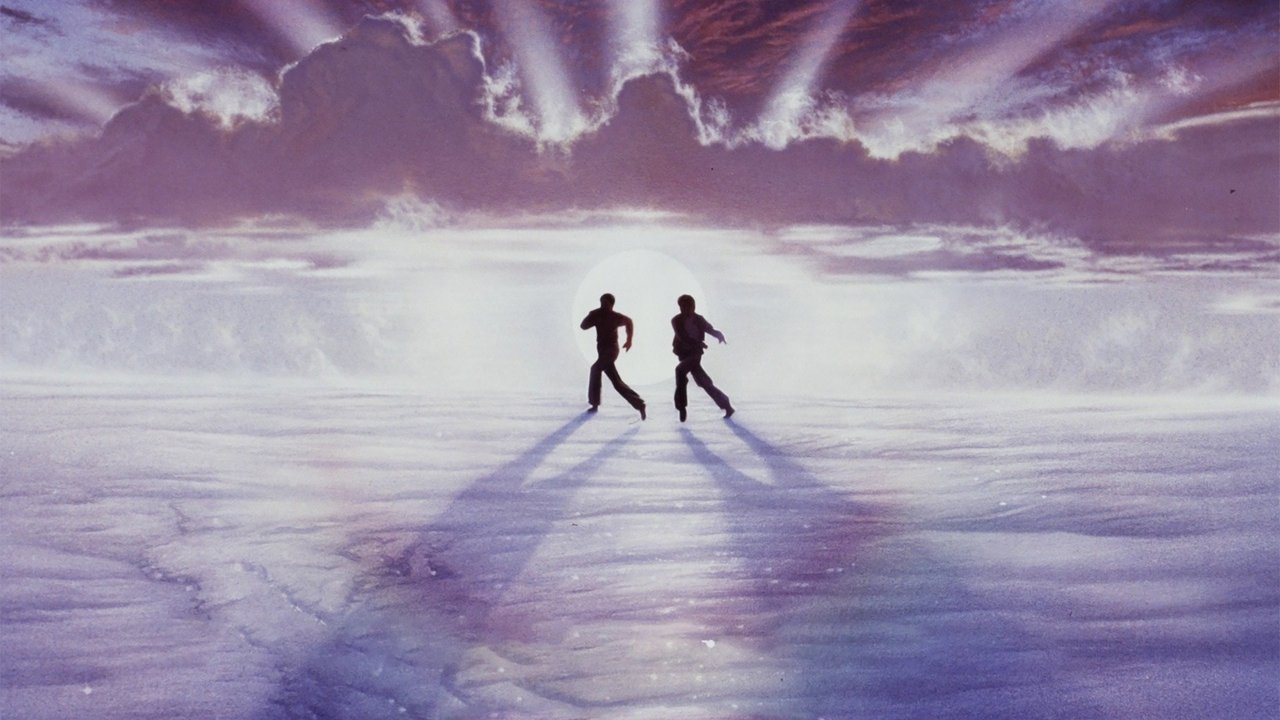
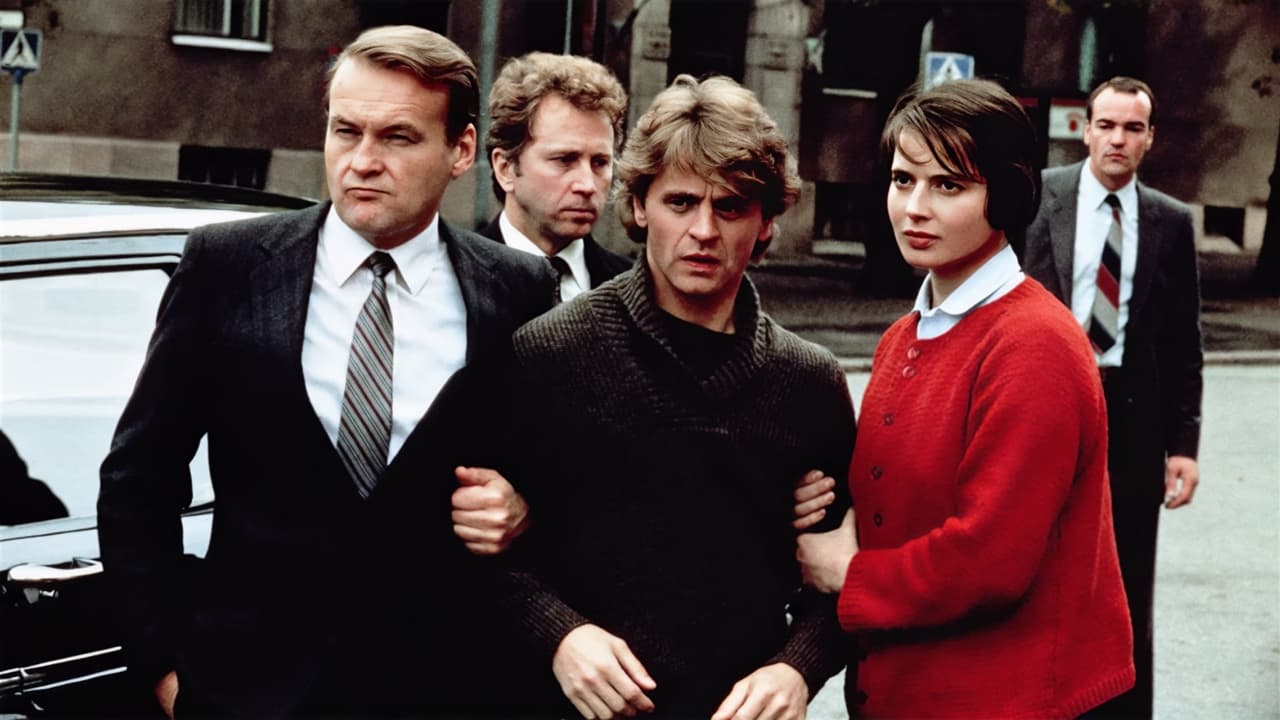
Director Taylor Hackford, fresh off the success of An Officer and a Gentleman (1982), demonstrates a keen sense for balancing character drama with spectacle and suspense. He understood the power lay in his stars. Filming within the actual Soviet Union was impossible, of course, so locations in Finland and Portugal, along with studio work at Elstree in the UK, convincingly stood in for the stark beauty and oppressive atmosphere of Siberia and Leningrad. The production design effectively conveys both the grandeur of the Kirov theatre and the claustrophobia of Kolya's confinement.
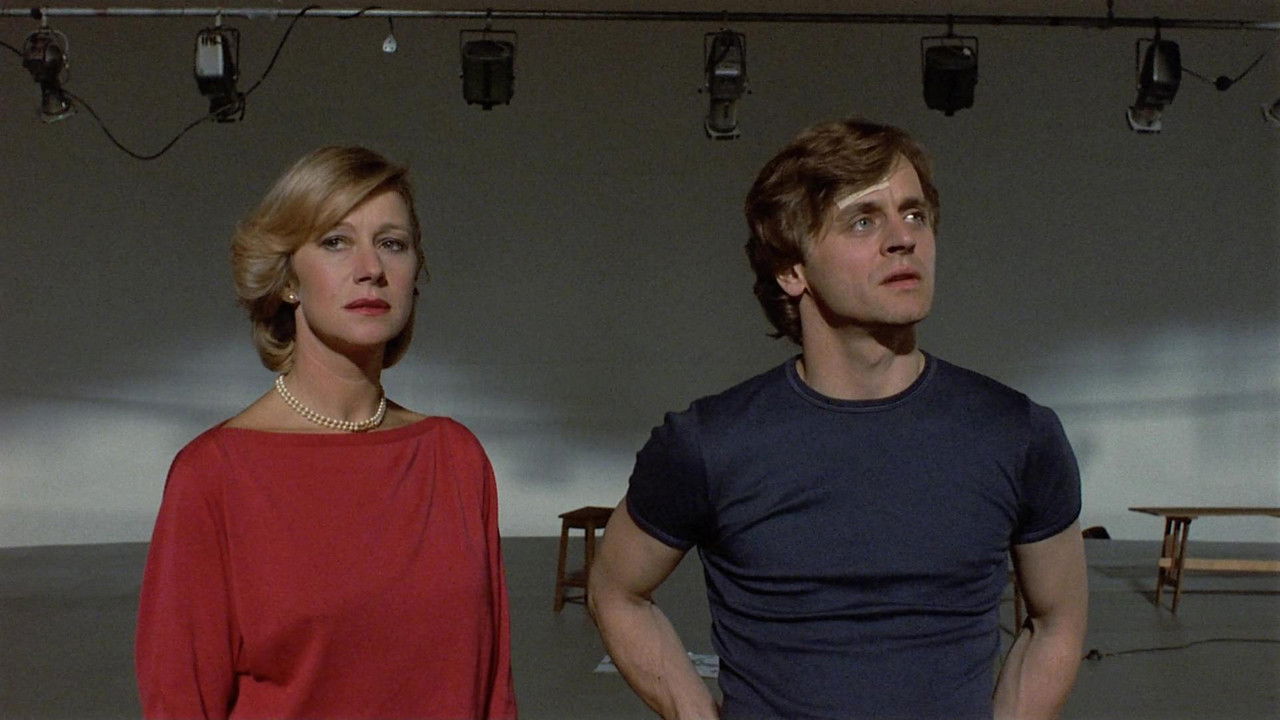
It's worth noting the supporting cast adds significant texture. Helen Mirren, as Kolya's former lover and ballet partner Galina Ivanova, exudes a weary elegance and suppressed regret. Mirren, who had some childhood ballet training, worked diligently to portray the bearing of a seasoned Kirov administrator. And Skolimowski, as the pragmatic yet menacing KGB colonel, avoids caricature, presenting Chaiko as a man simply doing his job within a system he represents, making him arguably more chilling.
The film was also a massive commercial success, grossing over $42 million in the US against its estimated $10 million budget. A significant part of that success, undeniably, was its powerhouse soundtrack. Lionel Richie's "Say You, Say Me" won the Academy Award for Best Original Song, and the duet "Separate Lives" performed by Phil Collins and Marilyn Martin was also a colossal hit. These smooth pop ballads feel, in retrospect, perhaps a touch incongruous with the film's dramatic tension, very much anchoring it in the mid-80s soundscape, but there's no denying their massive popularity helped propel the film into the mainstream. Remember hearing those songs everywhere back then?
Freedom's Price Tag
Does the plot require some suspension of disbelief? Certainly. The ease of certain maneuvers in the latter half might feel a bit convenient by today's gritty thriller standards. The political backdrop, too, is painted with the broad strokes typical of Reagan-era cinema – the Soviets are unequivocally the antagonists, the West the beacon of freedom. Yet, the film's core questions resonate beyond specific geopolitics. What risks are worth taking for freedom? How does political ideology impact personal lives and artistic expression? Can understanding blossom even in the most hostile environments? The film doesn't offer easy answers, but it poses these questions with sincerity, carried by the conviction of its central performances.
Rating: 8/10
White Nights earns this score primarily on the strength of its two magnetic leads and their unforgettable dance partnership. The blending of high art (ballet and tap at their finest) with a compelling Cold War narrative and thriller elements creates a unique cinematic experience. Baryshnikov's lived-in authenticity and Hines' dynamic portrayal are captivating, lifting the film beyond its occasional plot contrivances and distinctly 80s soundtrack choices. It’s a film where the sheer force of talent on screen overcomes narrative bumps.
It remains a potent time capsule – capturing Cold War anxieties, showcasing legendary performers at their peak, and delivering moments of genuine artistic transcendence. It’s a reminder of a time when a film could seamlessly blend political intrigue, breathtaking dance, and chart-topping pop songs into something uniquely compelling – a true gem from the shelves of VHS Heaven.