It feels like yesterday, yet also a lifetime ago, doesn't it? The year 2000. The world felt poised on the edge of something new, and maybe cinema did too. It was right around then, perhaps one of the last times many of us rented a hefty plastic clamshell before the sleek DVD fully conquered the living room, that Proof of Life landed on shelves. Not quite an 80s action romp or a 90s grunge-era thriller, it occupied a space between – a mature, tense drama wrapped in the clothes of a geopolitical thriller, asking uncomfortable questions about love, loyalty, and the value placed on a single human life.

### The Unthinkable Phone Call
The premise grips you immediately with a cold dread any traveler fears: Peter Bowman (David Morse), an American engineer working on a dam project in the fictional South American country of Tecala, is abducted by anti-government guerrillas. His wife, Alice (Meg Ryan), receives the terrifying confirmation and is thrown into a bewildering world of corporate indifference, cultural clashes, and the harrowing reality of kidnap and ransom (K&R) negotiation. The film wastes little time plunging us into Alice's nightmare, the sheer helplessness palpable through Ryan's shell-shocked performance. It was a notable departure for her, moving far from the effervescent charm of her romantic comedy reign (When Harry Met Sally..., Sleepless in Seattle). Here, she’s frayed, desperate, yet imbued with a steely resolve that feels earned.
### Enter the Negotiator
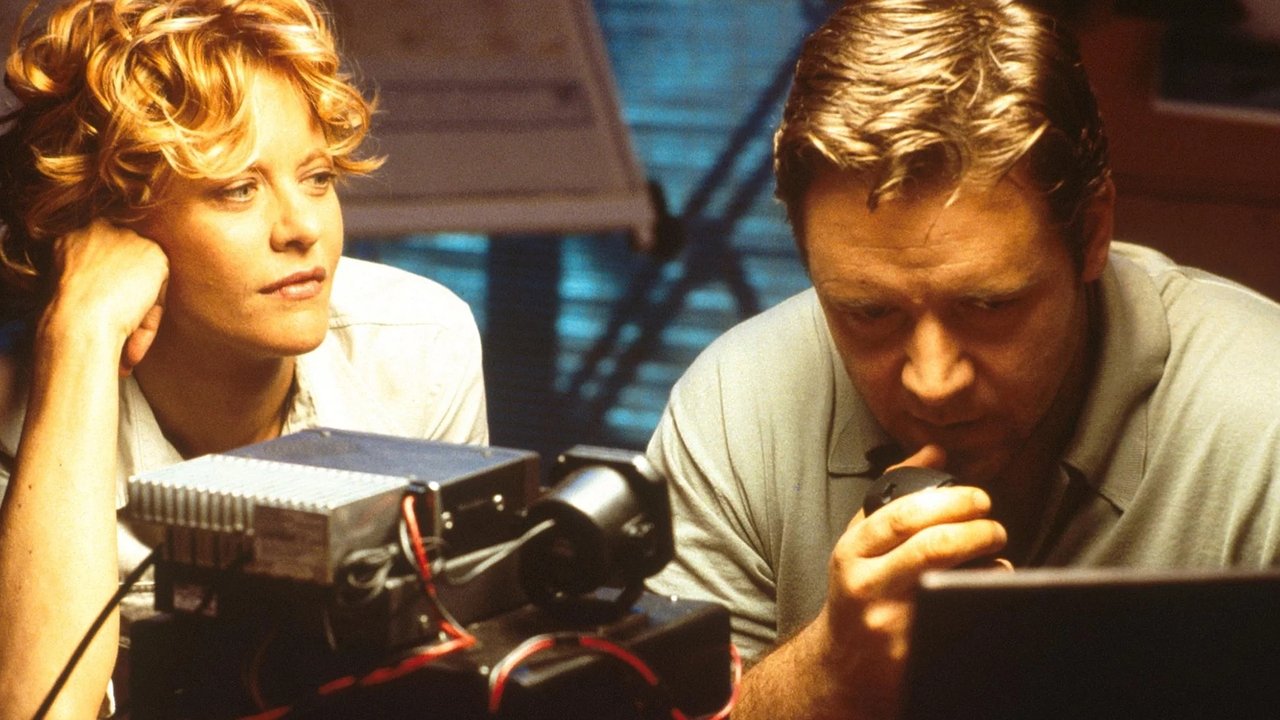
Into this chaos steps Terry Thorne (Russell Crowe), a former SAS operative turned expert K&R negotiator. Fresh off his colossal success in Gladiator earlier that same year, Crowe brings a quiet, coiled intensity to Thorne. He's pragmatic, methodical, and deeply understands the brutal calculus of the situation. The film, directed by Taylor Hackford (known for works like An Officer and a Gentleman and Ray), smartly focuses less on explosive action and more on the grinding, psychological toll of the negotiation process. The tension isn't just in the threat of violence against Peter, but in the delicate dance between Alice, Thorne, the under-resourced local police, and the guerrillas holding Peter captive. Screenwriter Tony Gilroy, who would later master this blend of procedural detail and character depth in Michael Clayton and the Bourne series, lays the groundwork here, making the logistics and moral quandaries of the K&R world feel disturbingly authentic.
### Captivity and Chemistry
Where the film truly excels is in its parallel narratives. While Alice and Thorne navigate the complex, often frustrating negotiation landscape in the city, we witness Peter Bowman's ordeal in the jungle. David Morse delivers a phenomenal performance, arguably the film's strongest. He conveys the physical deprivation, the crushing boredom, the flashes of defiance, and the sheer terror of captivity with profound realism. His scenes, often dialogue-sparse, rely heavily on his expressive face and body language, making his plight deeply affecting. The contrast between his raw survival struggle and the calculated moves back in civilization forms the film's emotional core.
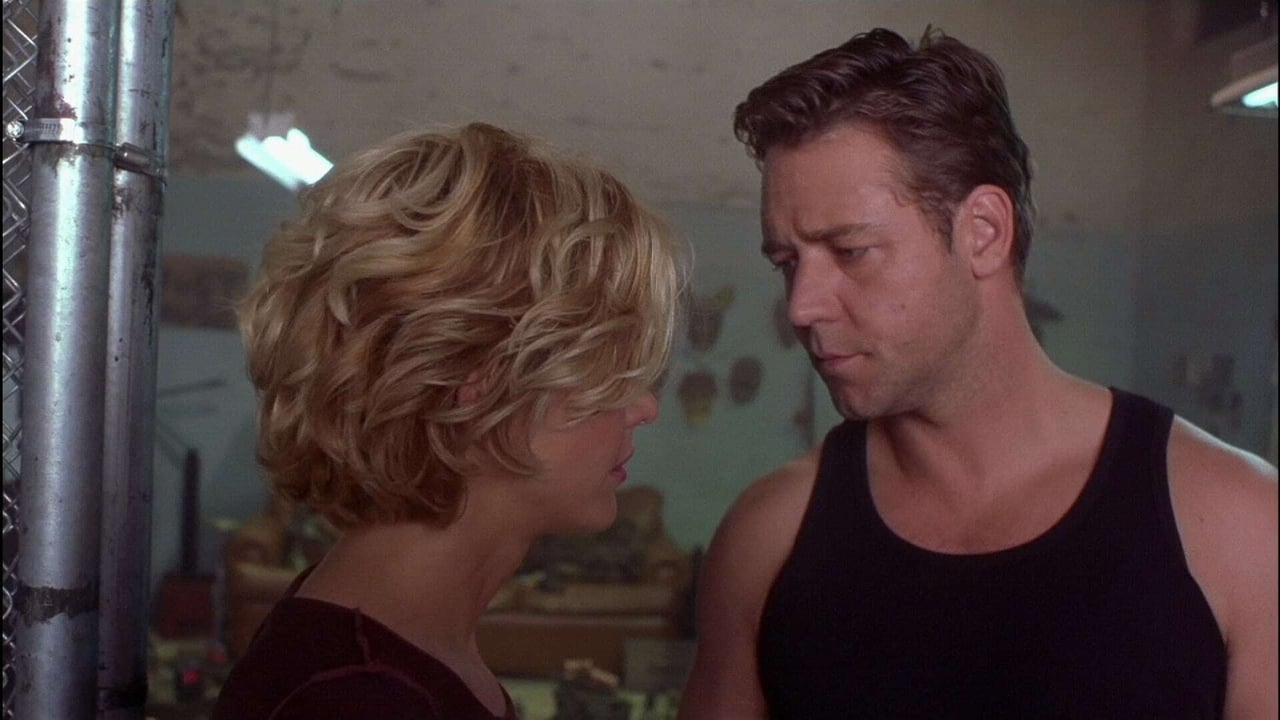

Of course, much buzz at the time surrounded the off-screen relationship that developed between Ryan and Crowe. Does it translate to on-screen chemistry? Yes, but perhaps not in the way a conventional thriller might demand. Their connection feels born of shared trauma and intense circumstances, a wary intimacy rather than overt romance. It’s a subtle, slow-burn connection that feels appropriate given the life-and-death stakes surrounding them.
### Retro Fun Facts & Production Realities
- Inspired by Reality: The film was heavily inspired by Thomas Hargrove's real-life kidnapping ordeal in Colombia and the Vanity Fair article "Adventures in the Ransom Trade" by William Prochnau, which detailed the shadowy world of K&R specialists. Hargrove even has a brief cameo as a negotiating consultant offering Alice advice via phone.
- Location Challenges: Filming primarily in Ecuador presented significant logistical hurdles, including unpredictable weather and navigating remote jungle locations, adding a layer of authenticity to the film's look and feel.
- Budget vs. Box Office: With a hefty reported budget of around $65 million, Proof of Life unfortunately didn't ignite the box office, grossing only about $62 million worldwide. This might have been due to its more measured pace compared to typical action fare, or perhaps the media frenzy surrounding its stars overshadowed the film itself. Adjusted for inflation, that budget is closer to $115 million today – a significant investment for a character-driven thriller.
- The Gilroy Touch: This film marked an early foray for Tony Gilroy into the kind of intelligent, procedural thrillers he'd become known for. You can see the DNA of his later work in the film's focus on process, consequence, and morally gray areas.
- Against Type: Casting Meg Ryan was a deliberate move to play against her established screen persona, aiming for a more dramatic, grounded performance. While reviews were mixed on her overall success, it undeniably showed her willingness to stretch beyond romantic comedies.
### Enduring Tension
What lingers after watching Proof of Life isn't necessarily spectacular action sequences (though the climactic rescue attempt is effectively staged), but the gnawing tension and the human drama at its center. It’s a film about professionals doing a dangerous, ethically complex job, and ordinary people pushed to extraordinary limits. It explores the cold realities often underlying geopolitical instability and the deeply personal cost of conflict. Doesn't the quiet professionalism of Thorne, contrasted with the raw fear of Alice and Peter, make you ponder the different kinds of strength people possess?
It might not be the first film that springs to mind when thinking of turn-of-the-millennium thrillers, overshadowed perhaps by more bombastic entries. Yet, Proof of Life offers something quieter, more thoughtful. It’s a mature, well-crafted film anchored by strong performances, particularly from Morse and Crowe. It felt like a grown-up thriller back then, and it still does today. Revisiting it evokes that specific Y2K era – a time just before everything changed, captured here with a grounded seriousness that resonates.

Rating: 7.5/10
This score reflects the film's strong performances (especially Morse), its tense atmosphere, and its intelligent handling of a complex subject, slightly tempered by a pacing that might feel slow to some and a central relationship that, while fitting, lacks explosive chemistry.
Final Thought: A tense, absorbing look into the harrowing world of kidnap and ransom, Proof of Life remains a compelling adult thriller that values character and procedural detail over spectacle, leaving you to ponder the price – and proof – of survival.