There's a certain kind of chill that crawls under your skin when ambition curdles into something truly monstrous. It’s not the jump-scare chill of a slasher flick, but the deeper, more unsettling cold that comes from watching seemingly ordinary people make extraordinarily dark choices. Dead Man's Curve (often found under the alternate title The Curve), released in 1998, plunges us headfirst into that icy water, presenting a campus nightmare fueled not by masked killers, but by the desperate desire for academic perfection. Remember grabbing this one off the shelf, maybe intrigued by Matthew Lillard hot off Scream (1996), expecting another witty slasher, only to find something... bleaker?

Grades, Guilt, and Graduation
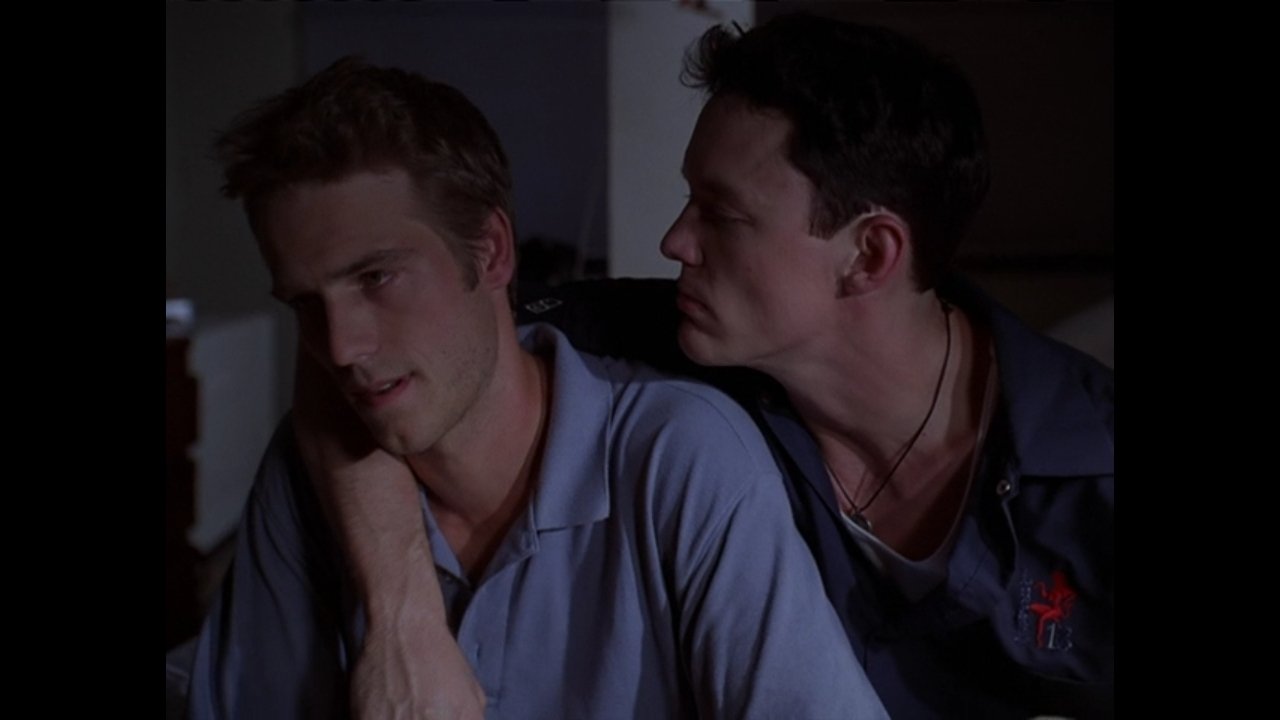
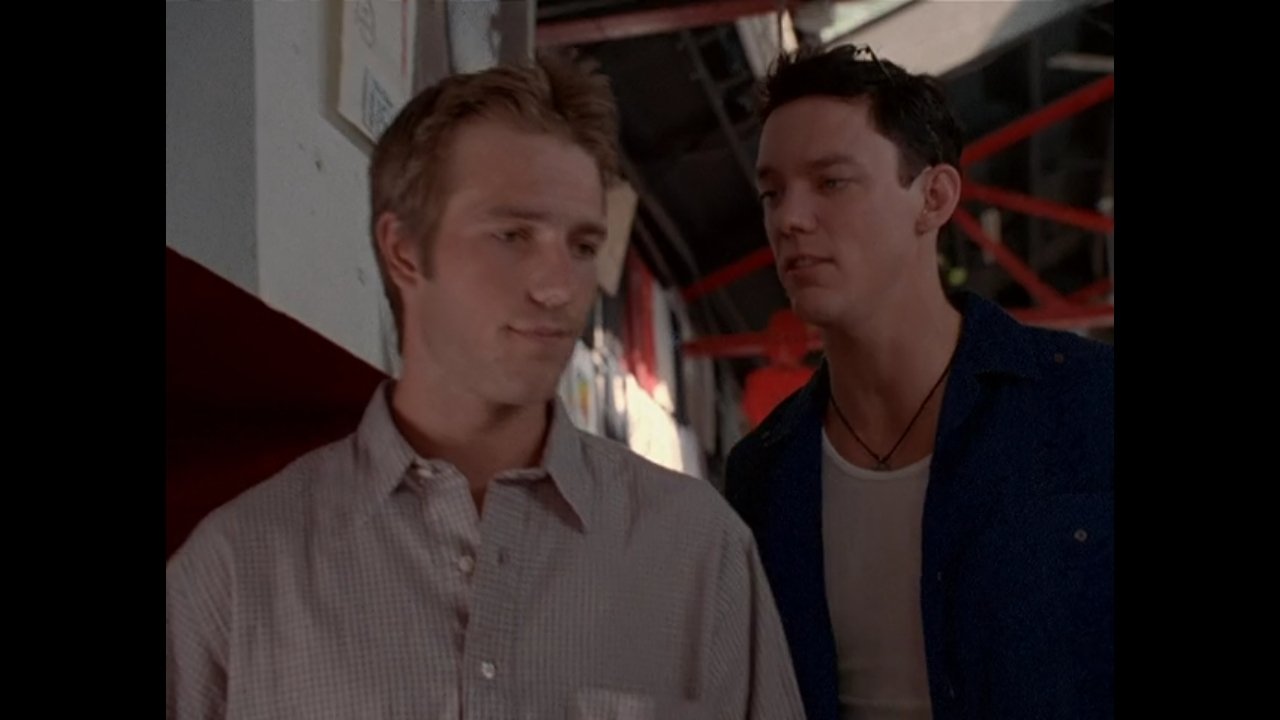
The premise, cooked up by writer-director Dan Rosen in his feature debut, feels like a twisted campus urban legend brought to life. We meet roommates Chris (Michael Vartan) and Tim (Matthew Lillard) at their unnamed, prestigious university. They're smart, privileged, but staring down the barrel of academic mediocrity that threatens their bright futures. Their solution? Exploit a rumored, utterly morbid loophole in the university's charter: if a student commits suicide, their roommates automatically receive straight A's for the semester. Their target becomes their third roommate, the earnest but perhaps too trusting Rand (Randall Batinkoff). What unfolds isn't a straightforward murder plot, but a slippery descent into paranoia, manipulation, and escalating desperation where alliances shift like sand and trust becomes a forgotten currency. It’s a stark reminder that the pressure cooker environment of elite academia, often romanticized, can harbor its own unique darkness.
A Study in Spiraling Characters
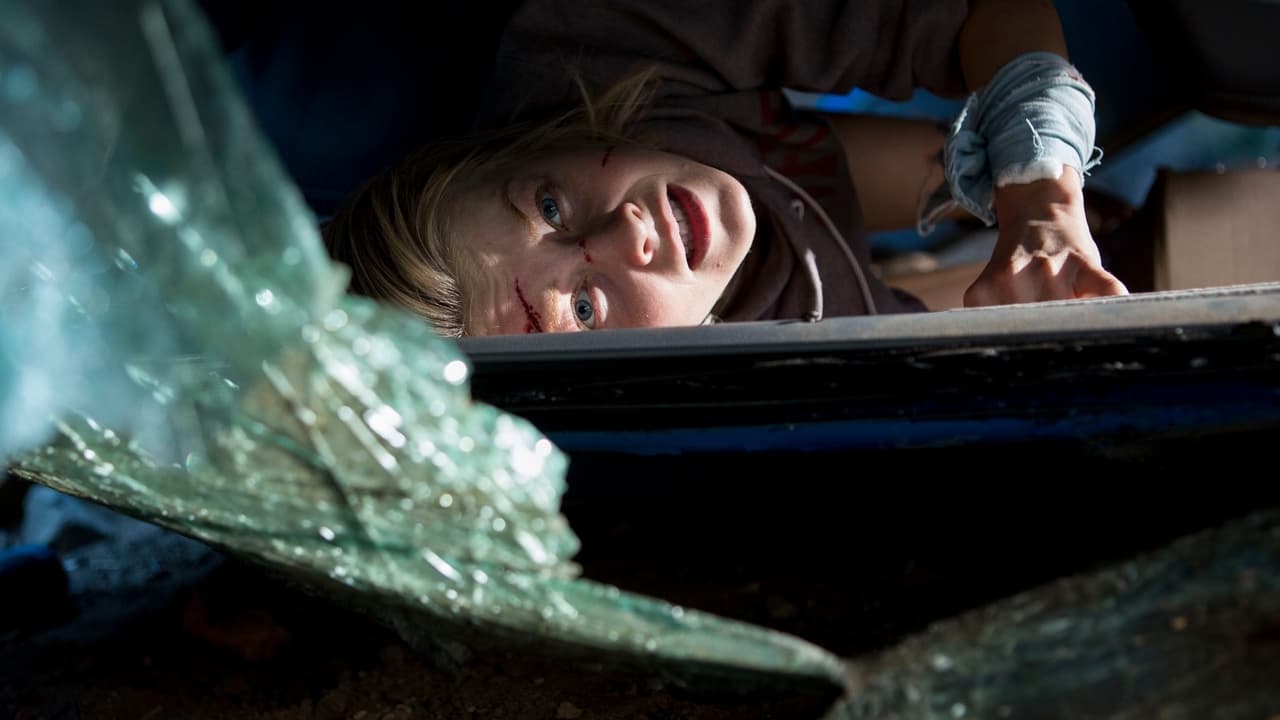
The film rests heavily on its central performances, and thankfully, they deliver. Matthew Lillard, already known for his kinetic, often unhinged energy, channels that into Tim’s increasingly erratic behavior. He’s the more outwardly volatile of the pair, his panic and plotting etched onto every exaggerated expression. It's a performance that skirts the edge of caricature but feels frighteningly plausible within the film's heightened reality. Contrast that with Michael Vartan as Chris, the cooler, more calculating architect of the plan. Vartan, who would later gain wider fame on TV's Alias, imbues Chris with a chilling pragmatism that slowly cracks under pressure. You see the wheels turning, the moral compass spinning wildly before shattering completely. And Randall Batinkoff effectively portrays Rand not just as a victim, but as someone whose own desires and flaws become entangled in the deadly game. Adding another layer is Keri Russell, just before Felicity made her a household name, as Emma, Chris's girlfriend who finds herself drawn into the vortex of secrets and lies. Her performance provides a necessary grounding, a semblance of normalcy against which the boys' monstrous actions stand out even more starkly. Does her presence offer a path to redemption, or is she just another potential pawn? The film keeps you guessing.
Crafting the Curve
Premiering at the Sundance Film Festival in 1998, Dead Man's Curve has the distinct feel of a late-90s indie thriller – a bit rough around the edges, perhaps, but pulsing with a cynical energy that set it apart from glossier studio fare. Dan Rosen's direction leans into the claustrophobia of campus life and the isolating nature of guilt. While it might lack the visual polish of its bigger-budget contemporaries, there's an intimacy to its low-budget aesthetic that works. You feel trapped in those dorm rooms, lecture halls, and shadowy campus corners right alongside the characters. The film doesn't shy away from the ugliness of its premise, forcing us to confront the uncomfortable question: how far would you go for success? The infamous "dead man's curve" policy itself, by the way, is pure fiction – a chilling fabrication rooted perhaps in whispered campus legends but thankfully not university reality. That it feels even remotely plausible speaks volumes about the pressures the film explores.
Retro Fun Facts & Lingering Questions
Digging this one out feels like unearthing a slightly forgotten relic of the post-Scream teen thriller boom. It arrived alongside films like I Know What You Did Last Summer (1997) and Urban Legend (1998) but carved its own darker, more morally ambiguous path, closer in spirit perhaps to the pitch-black comedy of Heathers (1989) than the slasher revival. The title itself caused some confusion, switching between Dead Man's Curve and The Curve in different markets, perhaps hindering its initial visibility. It didn't set the box office alight, but its bleak outlook and twisty narrative helped it cultivate a quiet cult following among those who appreciated its sharper edges. Watching it today, nestled amongst our well-worn VHS tapes or revisited via streaming, the film feels less like a typical thriller and more like a cautionary tale about the corrosion of the soul. What truly motivates these characters beyond the superficial goal of grades? Is it fear of failure, entitlement, or something deeper and more rotten?
Final Reflection
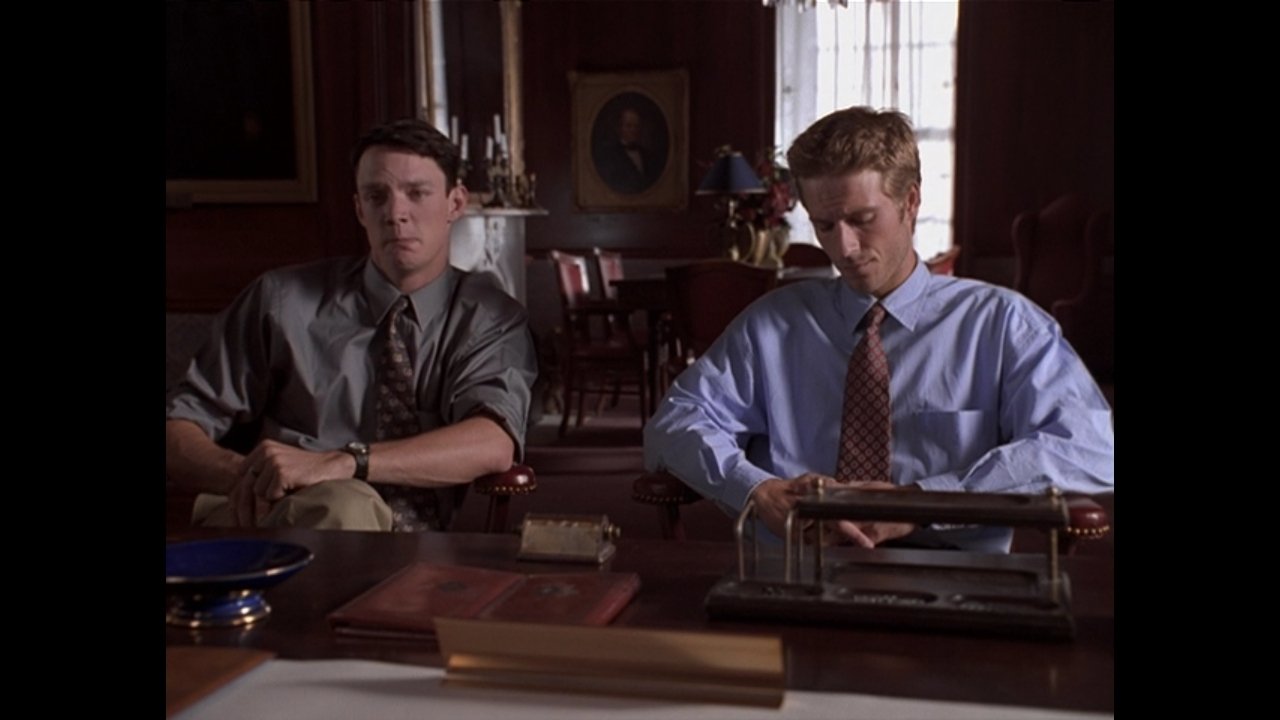
Dead Man's Curve isn't a perfect film; its plot requires a certain suspension of disbelief, and some character motivations can feel murky under scrutiny. Yet, its willingness to embrace the darkness, anchored by committed performances (especially from Lillard and Vartan), gives it a staying power that many of its contemporaries lack. It doesn't offer easy answers or comfortable resolutions, leaving a lingering sense of unease.
Rating: 6.5/10
This score reflects a film with a killer premise and strong central performances that delves into compellingly dark territory. While sometimes hampered by indie budget constraints and a plot that occasionally strains credulity, its cynical bite and twisty narrative make it a noteworthy, if somewhat overlooked, entry in the late-90s thriller canon. It's a film that reminds you that sometimes the most dangerous monsters aren't hiding under the bed, but sitting next to you in class. What lingers most is the chilling thought: could this really happen?