Okay, pull up a comfy chair, maybe grab a Werther's Original from that dusty bowl on the end table, because we're diving into a corner of the 90s TV movie landscape that might just spark a flicker of recognition. Remember when major networks, particularly under banners like The Wonderful World of Disney, would occasionally swing for the fences with adaptations of classic literature? That’s precisely where we find 1997's Oliver Twist, a surprisingly starry affair directed by Tony Bill, a man who knew a thing or two about crafting compelling stories, having produced the absolute classic The Sting back in '73 and directed gems like My Bodyguard. This wasn't just another run-of-the-mill production; it felt like an event back then, didn't it? A chance to see familiar faces tackle iconic roles, beamed right into our living rooms.
A Familiar Tale, A Different Hue
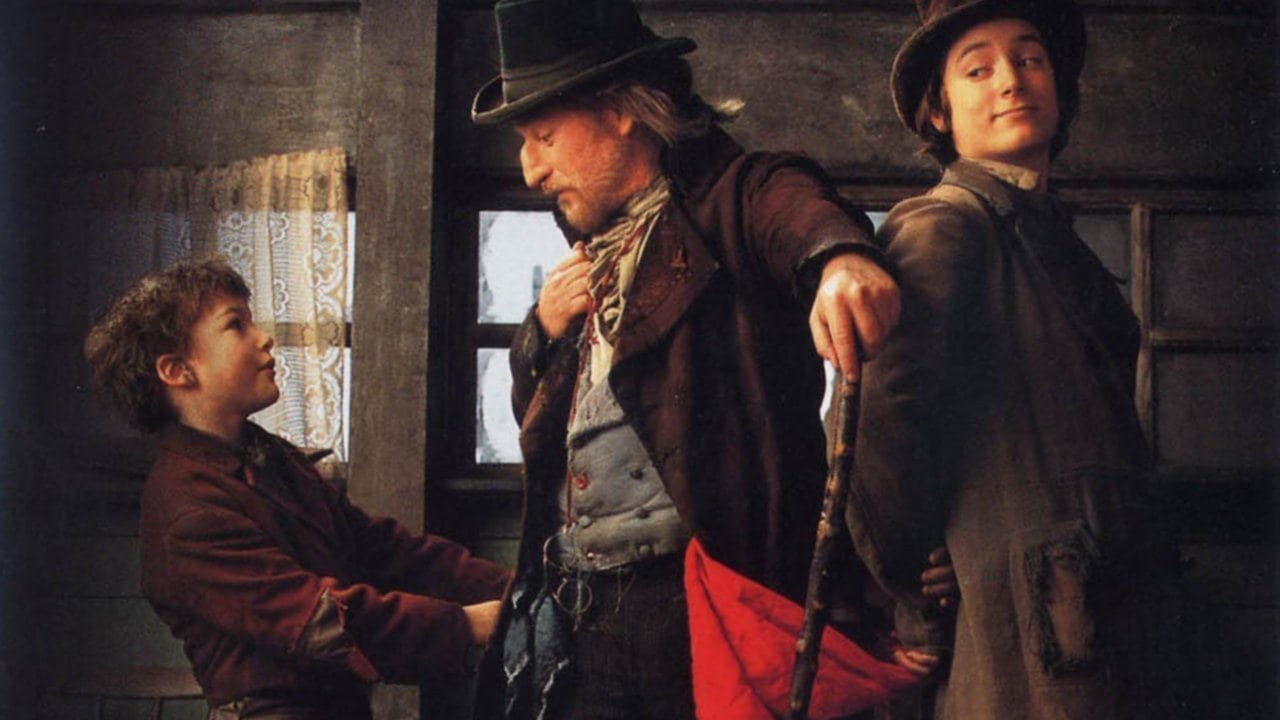
We all know the story – the orphaned Oliver, the grim workhouse, the escape to London, falling in with Fagin's den of young thieves, the menacing Bill Sikes, the kindhearted Nancy, and the eventual discovery of Oliver's true heritage. It's a narrative etched into our collective cultural memory, thanks largely to Charles Dickens' enduring prose and countless adaptations. What makes Tony Bill's version stand out, particularly when revisiting it now, isn't necessarily radical reinvention, but rather its specific casting choices and the particular flavour they bring. Filmed largely on location in Dublin, standing in for the grimy streets of Victorian London, the production manages to evoke a palpable sense of place, even within the inevitable constraints of a television budget from the era. It feels appropriately damp and shadowed, a world where hardship clings to the cobblestones.
The Intrigue of Fagin and Dodger
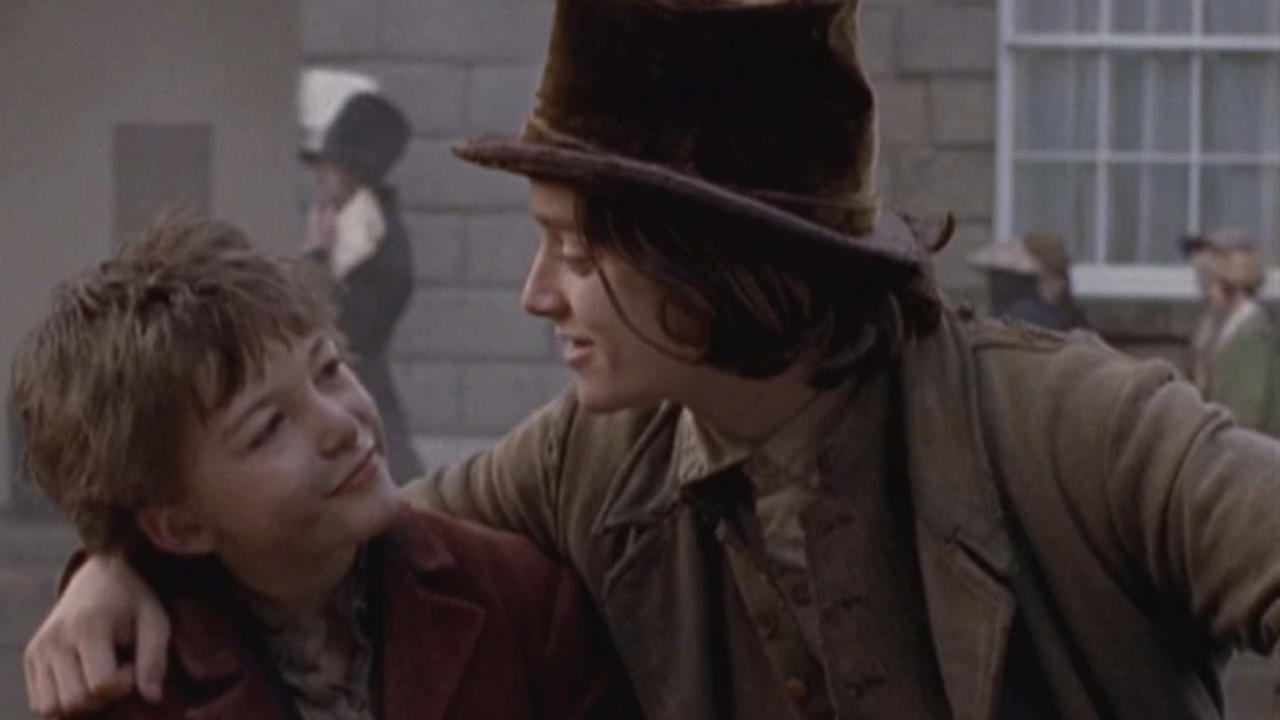
The real draw here, let's be honest, was seeing Richard Dreyfuss step into the notoriously complex role of Fagin. Fresh off his Oscar-nominated turn in Mr. Holland's Opus just a couple of years prior, seeing the energetic star of Jaws and Close Encounters of the Third Kind inhabit this character was certainly intriguing. And Dreyfuss delivers a performance that feels... considered. He largely eschews the more overt theatricality or potentially problematic caricatures seen in some earlier portrayals. His Fagin is undeniably manipulative, a corrupter of youth driven by self-preservation, yet Dreyfuss injects moments of weariness, even a flicker of something resembling paternal concern, albeit deeply warped. It’s less flamboyant, perhaps, but possesses a grounded cunning that feels quite deliberate. It's a performance that invites you to watch his eyes, to see the calculations happening behind them.
Equally fascinating is a pre-Frodo Elijah Wood as the Artful Dodger. Already a seasoned young actor by this point, Wood brings a sparky intelligence and inherent watchability to Jack Dawkins. He nails the charm and the street-smart swagger, the quick wit that makes Dodger such a memorable character. There's a lightness to his portrayal, a sense of youthful bravado masking the grim reality of his existence. Watching Wood, just a few years before he'd carry the One Ring through Middle-earth, navigate the perils of London's underworld alongside Dreyfuss is one of the primary pleasures of revisiting this version. Their scenes together have a certain energy, a master and apprentice dynamic layered with inherent danger.
Navigating the Darkness
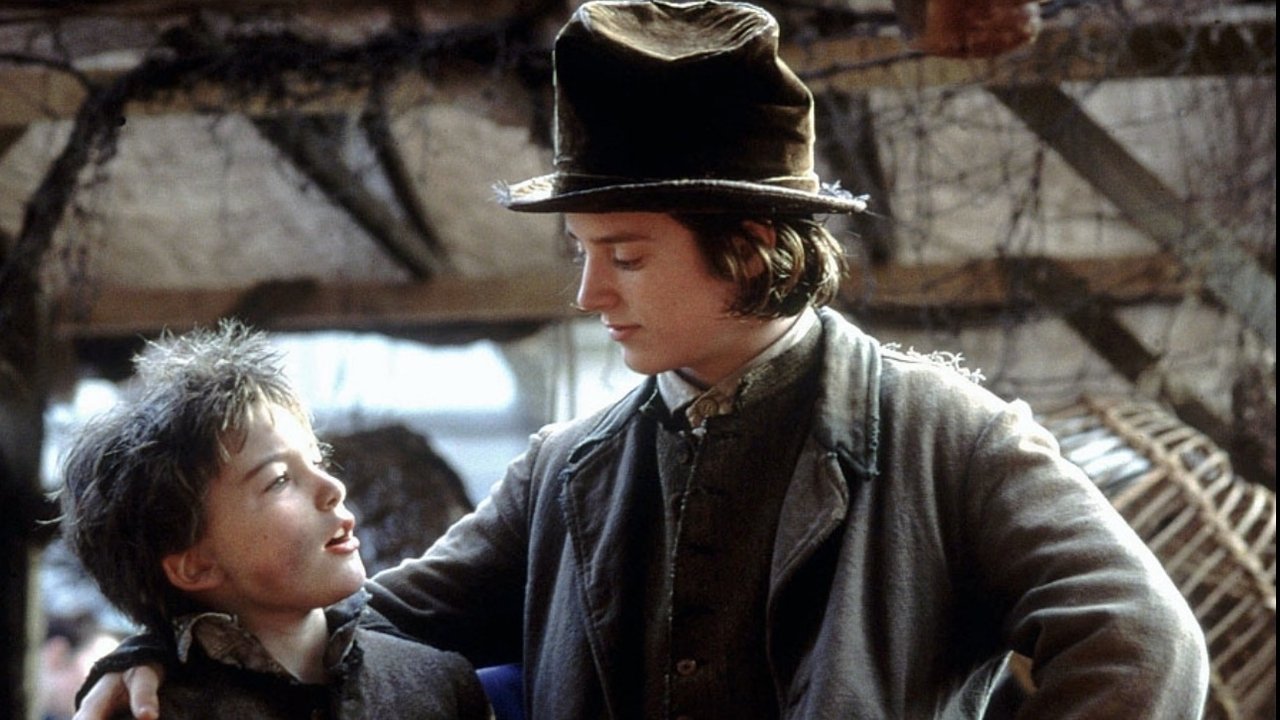
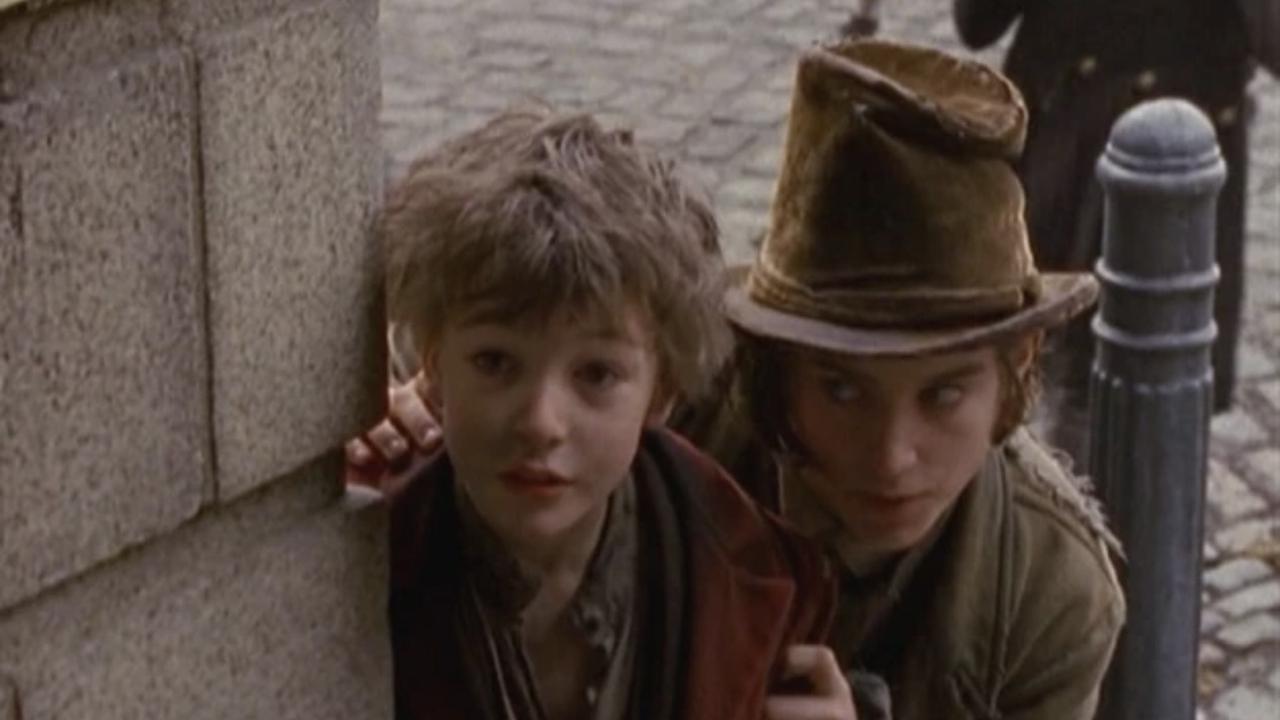
Of course, Oliver Twist isn't just about charismatic rogues. The story plunges into considerable darkness, primarily embodied by Bill Sikes. David O'Hara, an actor consistently adept at portraying simmering menace (you might recognise him from Braveheart or much later in The Departed), brings a chilling brutality to Sikes. He’s terrifying not through overt monster-acting, but through a cold, unpredictable violence that feels genuinely dangerous. Alex Trench, as Oliver himself, carries the unenviable task of being the innocent eye of the storm. He’s suitably wide-eyed and sympathetic, navigating the plot’s tumultuous currents as required, providing the moral center amidst the squalor and crime.
A TV Movie Gem?
So, how does this Oliver Twist hold up? As a product of its time – a well-funded, star-studded network TV movie aiming for prestige – it succeeds admirably. Tony Bill directs with a steady hand, focusing on character and atmosphere over flashy spectacle. The production values are solid for television in the mid-90s, effectively recreating the period without feeling overly stagey. It manages to condense Dickens’ sprawling novel into a manageable runtime (around 90 minutes) without feeling excessively rushed, hitting the key plot points and emotional beats effectively.
Was it aiming to supplant David Lean's definitive 1948 masterpiece or the beloved 1968 musical Oliver!? Likely not. This adaptation feels more like an accessible, well-acted entry point or a satisfying revisit for those already familiar with the tale. It played under the Wonderful World of Disney banner on ABC, suggesting an intention to bring a slightly sanitised (though still impactful) version of this classic to a broad family audience. It reportedly pulled in decent viewership, proving there was still an appetite for these kinds of literary adaptations on television.
What lingers after watching it again isn't just the plot, but the specific texture brought by Dreyfuss and Wood. Their interpretations feel unique to this version, offering a slightly different shade to these immortal characters. It might not be the most celebrated Oliver Twist, but there's a certain charm and earnestness to it, a snapshot of ambitious 90s television that feels comfortably familiar, like discovering a well-preserved tape tucked away on the shelf.
Rating: 7/10
Justification: This is a strong, well-acted television adaptation that largely succeeds on its own terms. The central performances from Richard Dreyfuss and Elijah Wood are compelling and offer interesting interpretations of iconic characters. Tony Bill's direction is solid, and the production effectively creates the necessary atmosphere despite TV constraints. It loses points perhaps for lacking the cinematic scope or definitive edge of some other versions, and occasionally the pacing feels dictated by its TV-movie format. However, it remains an engaging and worthwhile telling of the story, particularly notable for its cast.
Final Thought: A commendable effort that brought Dickens to 90s living rooms with notable talent – perhaps not the definitive Twist, but a version whose specific casting choices give it a unique and memorable flavour worth rediscovering. Remember settling in to watch this one when it first aired?