There are films that glide comfortably into the warm bath of nostalgia, the ones we rented on a Friday night, pizza on the way, ready for uncomplicated thrills or laughs. And then there are films that hit you square in the chest, knocking the wind out of you, leaving you staring at the flickering static of the final tape rewind, profoundly unsettled. Lee Tamahori's 1994 gut-punch, Once Were Warriors, belongs firmly in the latter category. It arrived on VHS shelves not as escapism, but as a stark, electrifying confrontation, a film whose power hasn't dimmed one watt in the intervening decades.
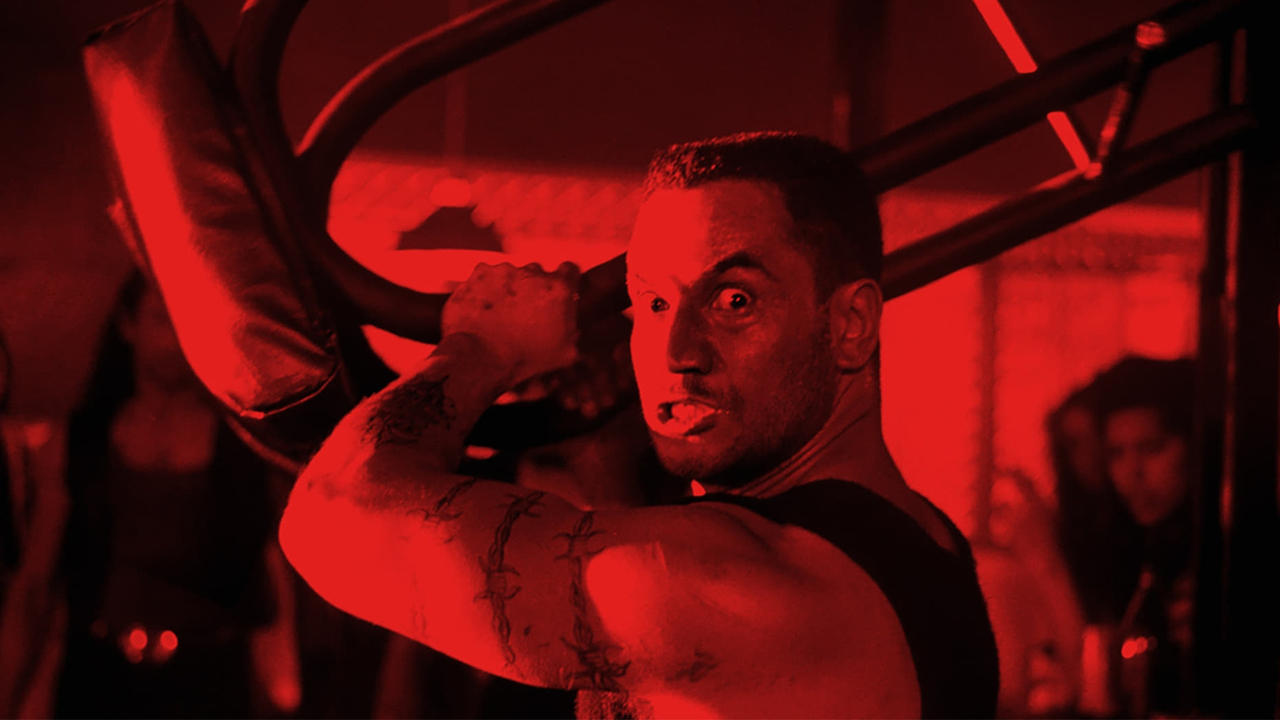
Watching it again now, decades removed from that first stunned viewing – likely rented from a store where it sat incongruously near action blockbusters – its force feels even more focused. It doesn't just depict struggle; it immerses you in the suffocating reality of the Heke family, urban Māori living on the fringes of society in Auckland, New Zealand. This isn't the picturesque landscape often associated with the country; it's a world of state housing, bleak pubs, and simmering resentment.
A Force of Nature, A Wellspring of Pain
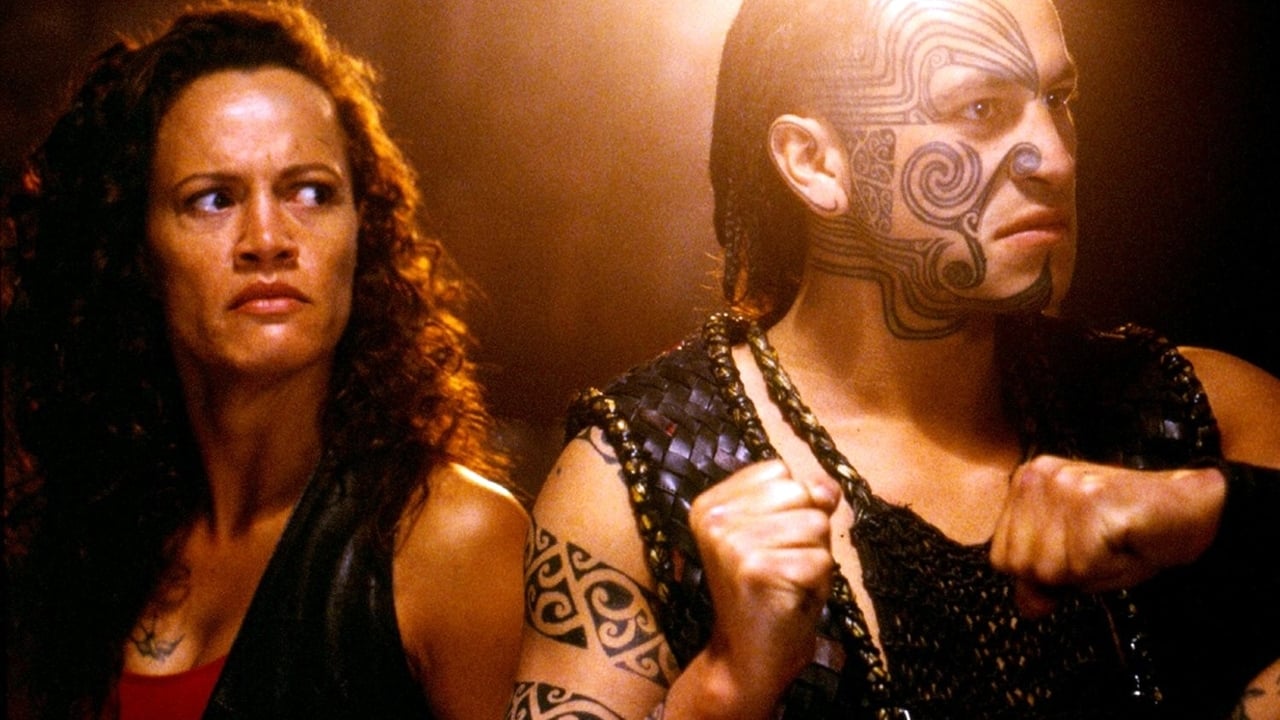
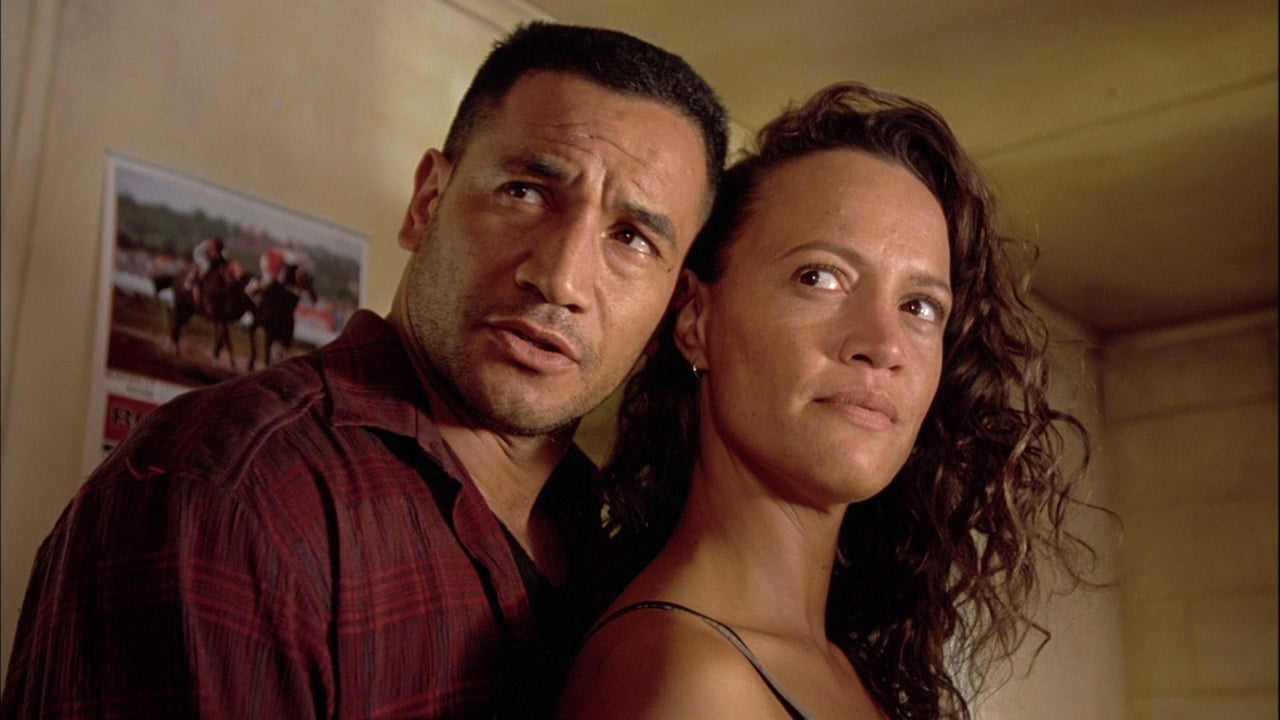
At the fractured heart of the Heke family are Beth and Jake. Rena Owen delivers a performance of staggering resilience and raw vulnerability as Beth. She’s the anchor, trying desperately to hold her family together against the hurricane force of her husband, Jake "The Muss" Heke. And what a force Temuera Morrison unleashes. Many viewers might know Morrison primarily from his later roles, like Jango Fett in the Star Wars prequels, but his portrayal of Jake is something else entirely – a terrifying embodiment of charm curdled into menace, of explosive rage fueled by alcohol and a deep-seated insecurity masked by brute strength. Morrison famously wrestled with taking on such a dark character, fearing it might stereotype him, but his commitment is absolute. He doesn’t just play Jake; he inhabits him, making the character's magnetic pull and sudden descents into violence utterly believable, and utterly horrifying. You understand, somehow, why Beth stays, even as you scream inwardly for her to run. It’s a testament to both actors that this toxic dynamic feels so tragically authentic.
Beyond the Bruises
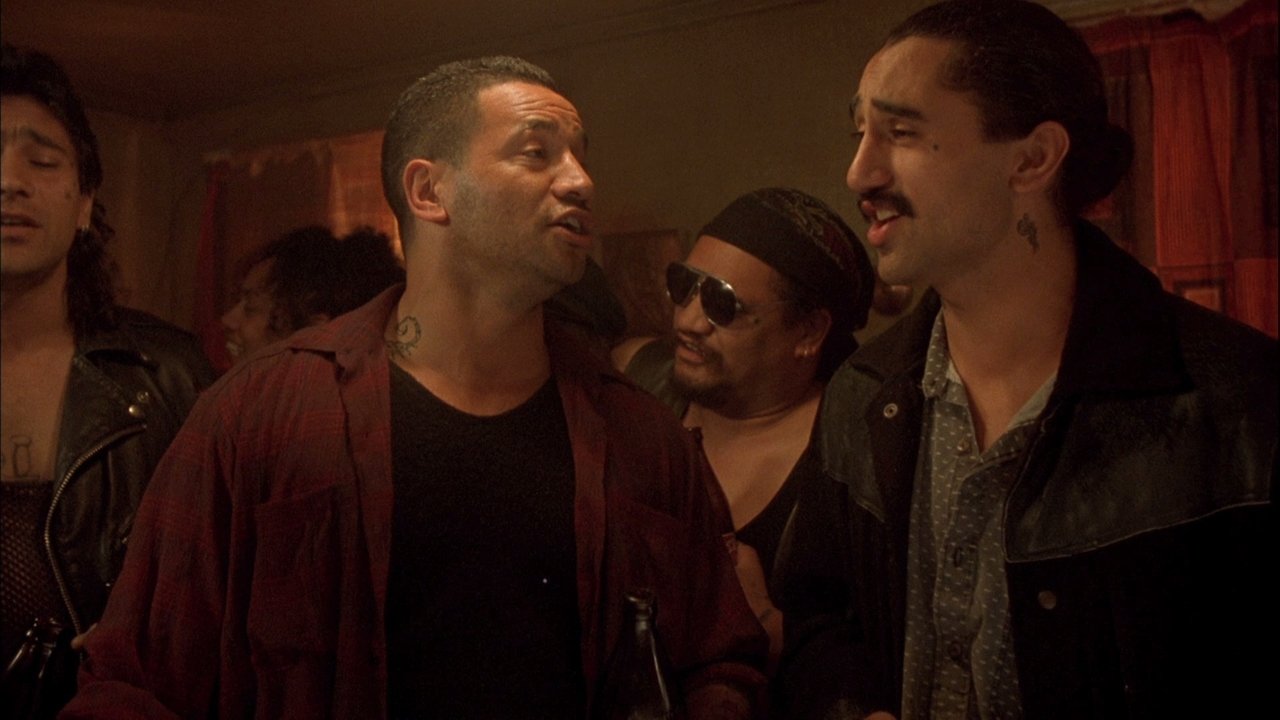
Tamahori, making an astonishing feature debut before Hollywood beckoned with films like Die Another Day (2002), directs with an unflinching gaze. He refuses to aestheticize the poverty or sanitize the violence. The domestic abuse is brutal and hard to watch, captured with a raw immediacy that forces you to bear witness. Yet, Once Were Warriors is more than just a chronicle of suffering. Tamahori masterfully contrasts the bleakness with moments of fragile beauty and cultural longing. There's the fierce loyalty between Beth and her children, particularly the sensitive, watchful Grace, played with heartbreaking conviction by the young Mamaengaroa Kerr-Bell. There are scenes pulsating with the energy of Māori culture – the haka, the songs, the yearning for connection to a heritage seemingly lost in the concrete jungle.
The film, adapted by Riwia Brown from Alan Duff's equally controversial 1990 novel, struck a massive chord upon release. Made for a modest NZ$1.5 million (around US$1 million at the time), it became a cultural phenomenon in New Zealand, shattering box office records (grossing over NZ$6.8 million domestically) and igniting vital national conversations about domestic violence, poverty, and the struggles of urban Māori identity. Its international success (grossing over US$25 million worldwide, a huge return on investment) brought these issues to a global audience, though its unflinching content saw it slapped with restrictive ratings in many territories.
Echoes of a Lost Warrior Spirit
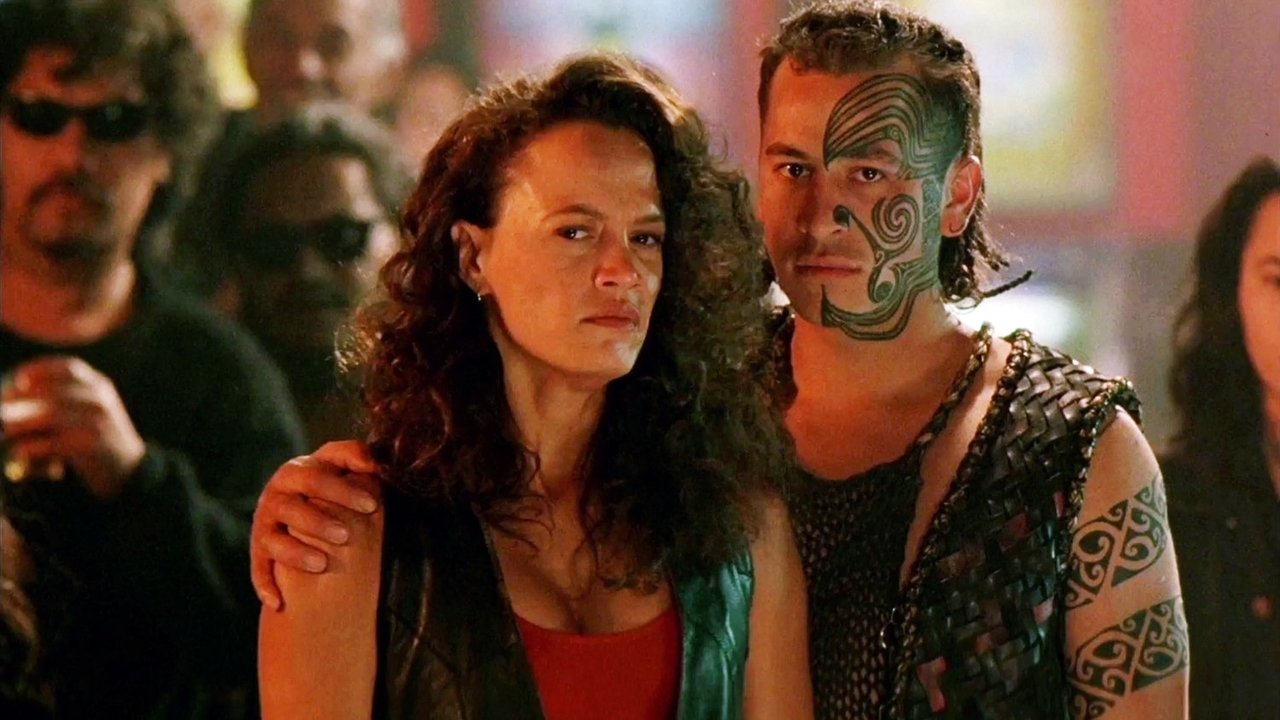
What elevates Once Were Warriors beyond a powerful social drama is its exploration of cultural identity. The title itself speaks volumes – a lament for a noble past seemingly eroded by modern despair. Jake’s rage often stems from a misplaced sense of warrior pride, twisted into aggression against his own family. Beth’s journey becomes one of reclaiming her own Māori heritage, finding strength not in violence, but in the traditions and community Jake rejects. Doesn’t this search for meaning and belonging amidst social decay resonate deeply, even today? The film asks difficult questions about how cultural identity survives, adapts, or tragically fractures under pressure.
The narrative thread involving Grace is perhaps the film's most devastating element (Spoiler Alert for those who haven't seen it: Grace’s storyline culminates in a horrific sexual assault and her subsequent suicide). It’s handled with sensitivity but pulls no punches, serving as the catalyst for Beth's ultimate decision to break the cycle. It's a narrative choice that underscores the terrible cost of the Heke family's dysfunction and the vulnerability of the young in such environments.
Still Standing Tall
Once Were Warriors isn't an "easy" watch. It wasn't then, nestled amongst the action tapes and comedies on the rental shelf, and it isn't now. It's a harrowing, demanding film that stays with you long after the credits roll. The violence is disturbing, the emotional toll significant. But its importance cannot be overstated. It's a landmark of New Zealand cinema, a showcase for powerhouse performances, and a film that tackles incredibly tough subjects with honesty and artistry. It doesn’t offer simple solutions, but it powerfully illuminates the devastating cycles of violence and the enduring strength required to break them. It reminds us that some stories need to be told, no matter how uncomfortable they make us feel.
Rating: 9/10
Justification: The film earns this high rating through its exceptional, career-defining performances from Owen and Morrison, Tamahori's raw and impactful direction, its courageous handling of brutal subject matter, and its profound cultural resonance. It's technically proficient, emotionally shattering, and socially significant. While undeniably difficult viewing, its artistry and impact are undeniable. Minus one point only because its sheer intensity makes it a film many might admire more than revisit frequently.
Final Thought: Decades later, the echoes of Jake’s roar and Beth’s quiet determination still reverberate. Once Were Warriors remains a vital, visceral piece of cinema, a potent reminder from the VHS era that some films weren't just entertainment; they were essential confrontations.