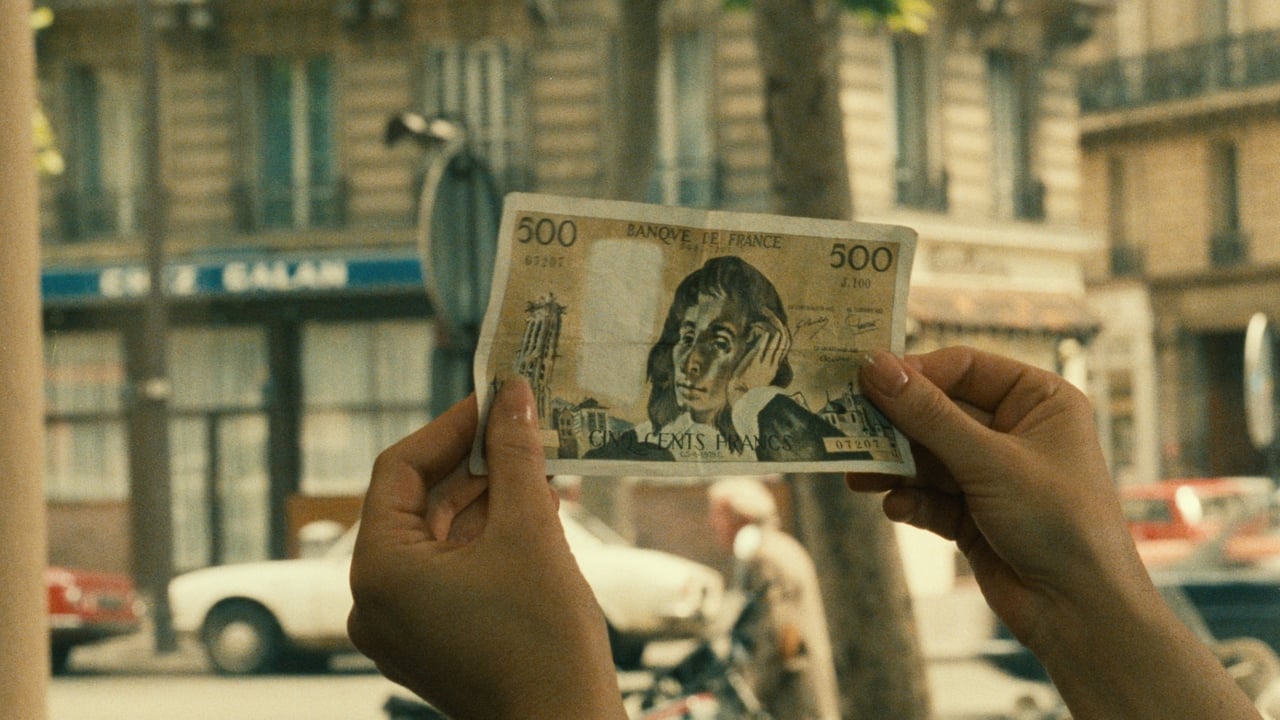
It begins with something mundane, almost trivial: a counterfeit 500-franc note passed by a spoiled schoolboy to avoid asking his father for money. Yet, this single act, captured with the stark precision characteristic of director Robert Bresson, sets in motion a chain of events as devastating as it is inevitable. Robert Bresson's final film, L'Argent (1983), isn't the kind of movie you'd typically grab for a Friday night pizza-and-popcorn session back in the day. Tucked away perhaps in the 'World Cinema' section of the more discerning video rental store, its austere cover art likely promised something far removed from the neon-drenched action or creature features dominating the shelves. But stumbling upon it, then or now, is to encounter a work of chilling power, a film that burrows under your skin and stays there.
### The Price of a Lie
The counterfeit bill passes from the schoolboy to an unsuspecting photo shop owner, who then knowingly palms it off onto an innocent oil delivery man, Yvon Targe (Christian Patey). When Yvon tries to use the note at a café, he's accused, arrested, and ultimately loses his job. This initial injustice, born from casual deceit and bourgeois self-preservation, becomes the catalyst for Yvon's complete descent. L'Argent, loosely based on the first part of Leo Tolstoy's novella "The Forged Coupon," transposes the story to contemporary early 80s France, stripping it down to its brutal essentials. There’s a terrifying logic to the narrative’s progression; one small sin ripples outwards, corrupting and destroying everything in its path.
### The Bressonian Touch
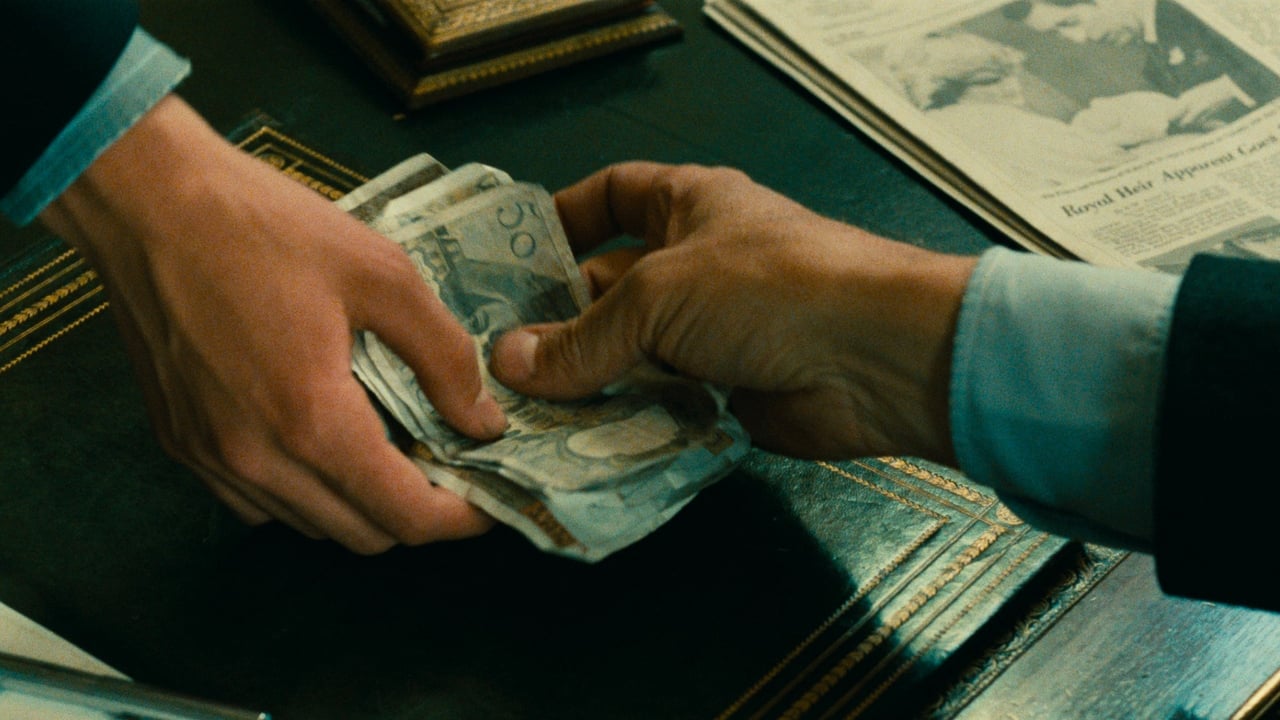
Watching L'Argent is to be immersed in the unique cinematic language Robert Bresson honed over decades. Forget expressive acting or psychological hand-holding. Bresson famously used non-professional actors, whom he called "models," instructing them to deliver lines without inflection and perform actions with minimal expression. Christian Patey, reportedly a student at the time, embodies Yvon not through emoting, but through presence and action. Bresson forces us to observe, to deduce emotion and meaning from gestures, glances, the framing of a shot, or the stark sound design. We see hands exchanging money, doors closing with ominous finality, feet walking towards an inescapable fate. It's a demanding style, yes, but incredibly potent. By denying us easy emotional access, Bresson intensifies the impact of the events themselves. He wasn't interested in acting; he was interested in the stark truth of the situation, the weight of consequence. This rigorous approach feels almost like a religious austerity, fitting for a film grappling with profound moral and spiritual questions. It's fascinating to learn that Bresson, then in his early 80s, reportedly struggled to finance his preferred project (an adaptation of the Book of Genesis) and turned to L'Argent, making it relatively quickly with backing from Swiss and French television sources. It’s a testament to his unwavering vision that even under such circumstances, his final statement is so uncompromising.
### Money, Morality, and Modern Malaise
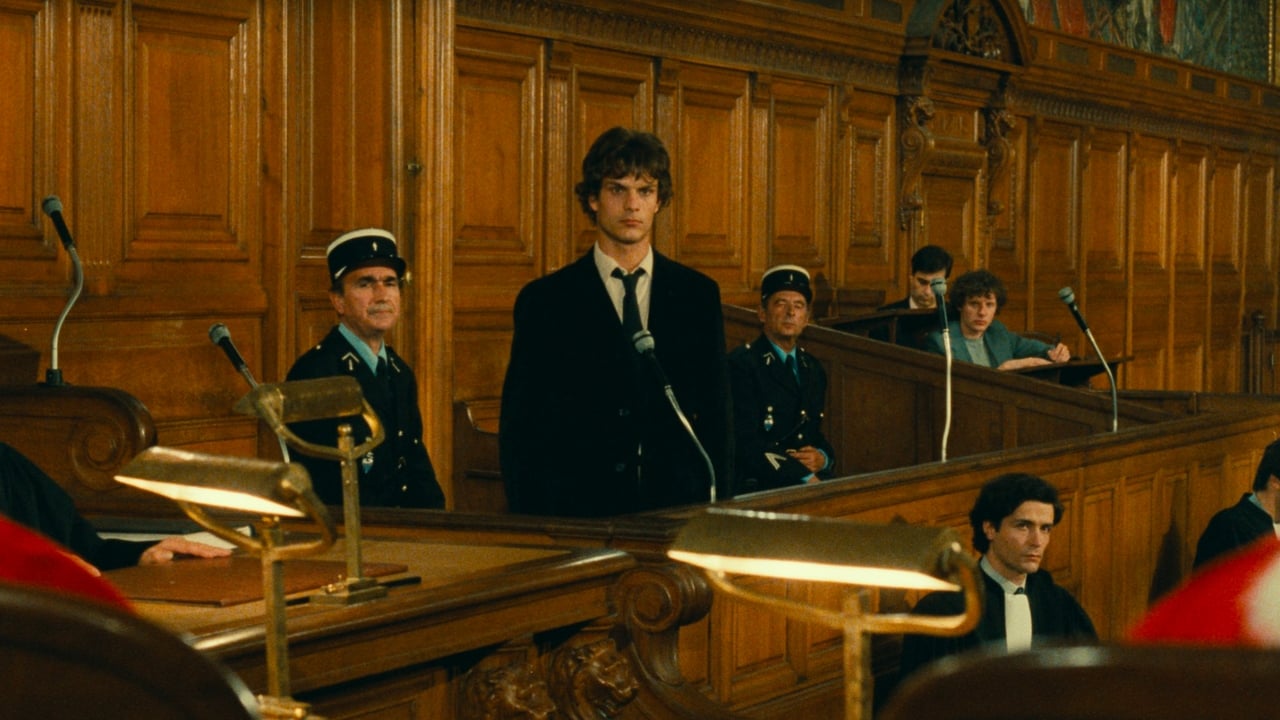
At its heart, L'Argent is a devastating critique of a society poisoned by materialism and moral indifference. Money isn't just currency; it's the film's antagonist, a force that dehumanizes and corrupts. The initial crime is committed out of convenience and cowardice by the privileged; the consequences fall disproportionately on the working-class Yvon. The legal system offers no justice, only further alienation. As Yvon's life unravels – job loss, involvement in crime, imprisonment, estrangement from his family – Bresson refuses to portray him as merely a victim. His eventual acts of violence are presented with the same chilling detachment, suggesting a world where grace is absent and humanity has been stripped bare. The film's bleakness is profound, reflecting perhaps Bresson’s view of the spiritual emptiness lurking beneath the surface of modern life, even amidst the burgeoning consumerism of the early 80s. It’s a stark counterpoint to the era's dominant cinematic trends.

### An Unforgettable Final Statement
Bresson’s mastery is undeniable. The precise compositions, the elliptical editing that skips over dramatic moments to focus on the before and after, the heightened use of sound (the rustle of banknotes, the click of locks) – every element serves his bleak vision. The film shared the Best Director prize at the 1983 Cannes Film Festival (alongside Andrei Tarkovsky for Nostalghia), a fitting recognition for such a singular artist. While it may lack the immediate nostalgic warmth of other VHS-era staples, L'Argent's power is arguably more enduring. It doesn’t comfort; it confronts. It asks difficult questions about complicity, societal structures, and the ease with which humanity can be discarded. What happens when fairness disappears? How easily can injustice cascade into utter ruin?
Rating: 9/10
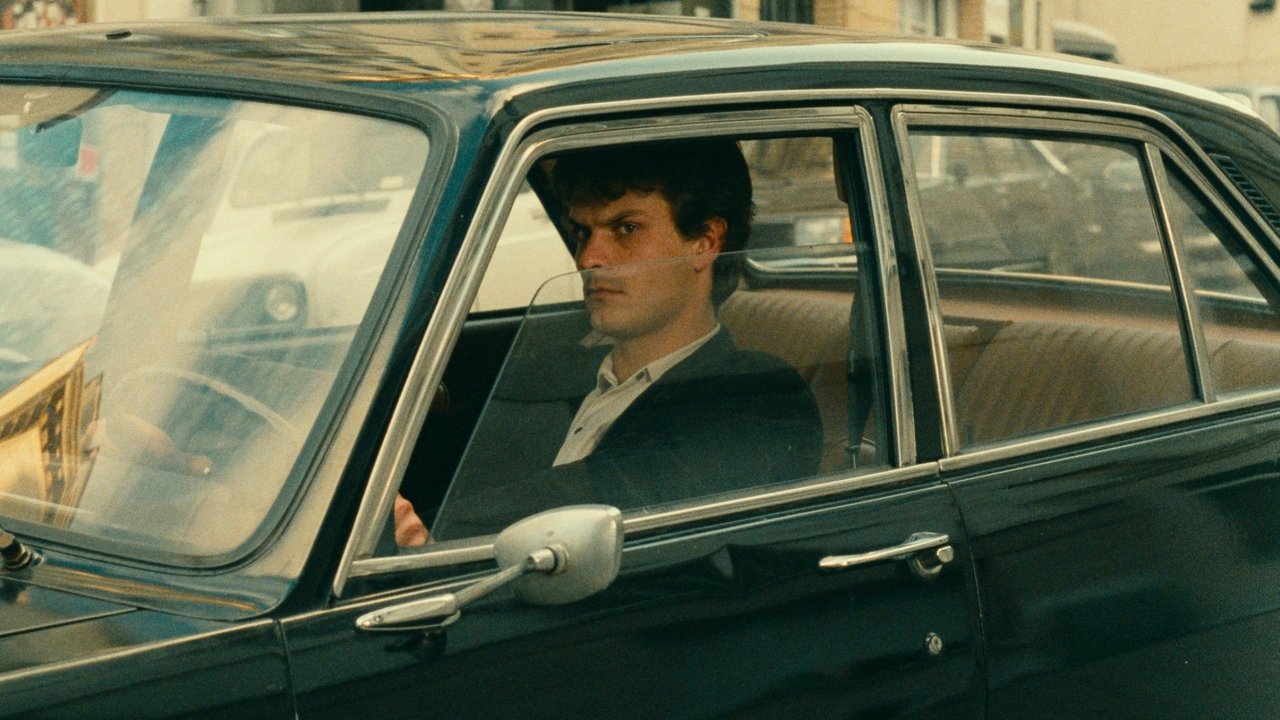
This near-perfect score reflects the film's masterful execution and the sheer force of Bresson's unique, uncompromising vision. It achieves precisely what it sets out to do, delivering a profound and disturbing cinematic experience. It loses a point perhaps only for its demanding nature, which, while integral to its power, undeniably makes it less accessible than more conventional narratives.
L'Argent is not an easy watch, but it is essential viewing. It's a stark, chilling masterpiece from one of cinema's true auteurs, a final testament delivered with unwavering clarity. It reminds us that sometimes, the quietest films shout the loudest truths, truths that echo long after the tape stops rolling.