There are films that entertain, films that thrill, and then there are films that lodge themselves deep within your chest, demanding reflection long after the tape hiss fades. Steve Anderson’s 1992 directorial debut, South Central, falls squarely into that last category. It arrived amidst a wave of powerful urban dramas exploring the realities of inner-city life, yet it carries a particular weight, a raw vulnerability centered on the agonizing struggle for redemption against overwhelming odds. It’s a film that doesn't flinch, and maybe that’s partly thanks to the name attached as executive producer – Oliver Stone, a filmmaker never known for shying away from difficult truths.
A Father's Shadow, A Son's Future
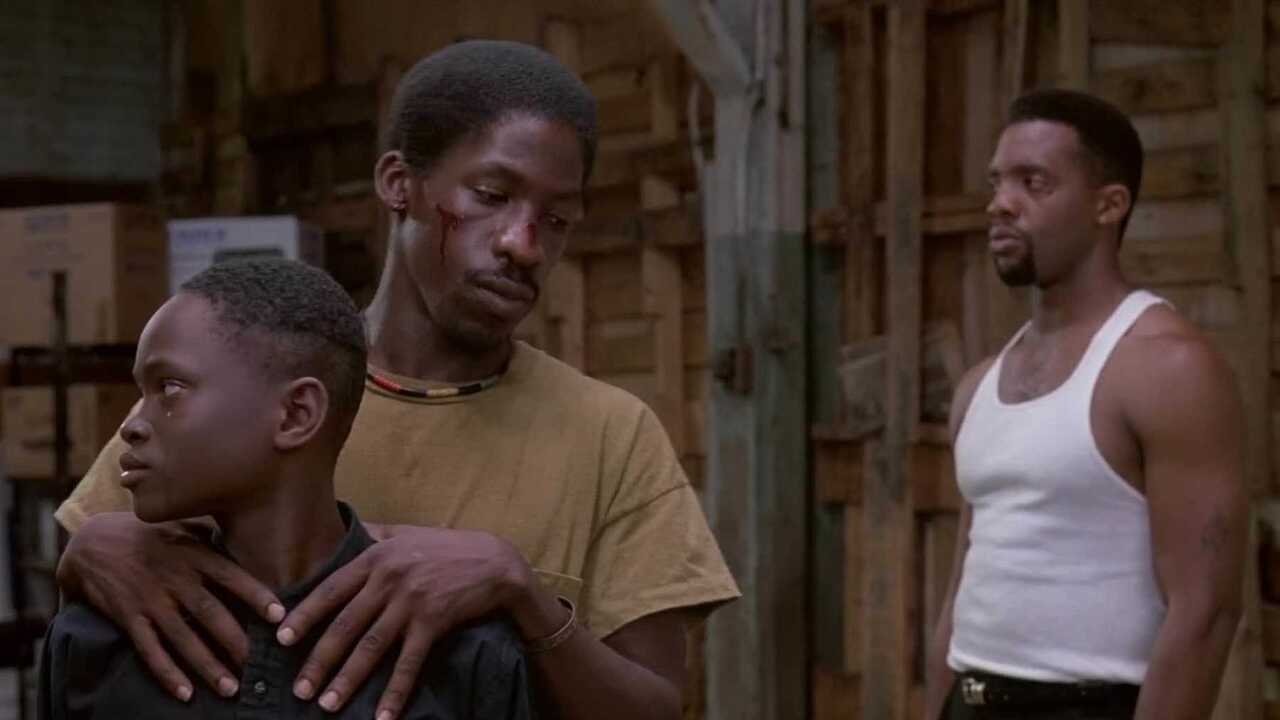
South Central plunges us headfirst into the harsh realities of 1980s Los Angeles gang culture, focusing on Bobby Johnson (Glenn Plummer), a young Hoover Street Crip. Early scenes establish his world with stark efficiency: the camaraderie, the casual violence, the desperate need for belonging that fuels destructive choices. A tragically impulsive act lands Bobby a ten-year prison sentence for murder, leaving behind his girlfriend Carole (LaRita Shelby) and their newborn son, Jimmie. This is where the film truly finds its soul. It’s not just another gang narrative; it becomes a meditation on consequence, legacy, and the desperate hope that a father's mistakes don't have to define his son's life.
The narrative jumps forward a decade. Bobby, hardened by prison but slowly awakening to the futility of his past life, learns his son Jimmie (Christian Coleman) is now ten and teetering on the edge of repeating the same cycle, drawn into the orbit of the very gang life Bobby wants to escape. The film pivots, becoming a tense, emotionally charged race against time as Bobby, still incarcerated, tries to reach his son and break the chain.
The Powerhouse at its Core: Glenn Plummer
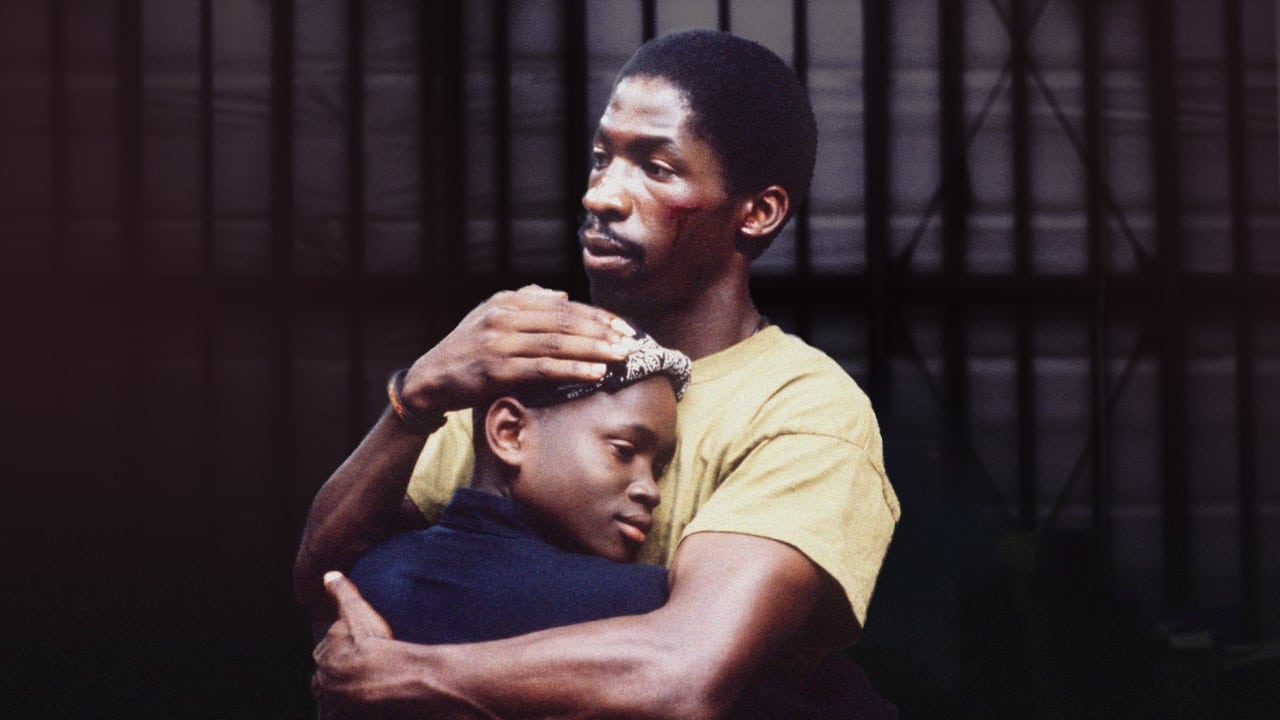
Let’s be clear: Glenn Plummer delivers a career-defining performance here. Having already made his mark in films like Colors (1988) and New Jack City (1991), Plummer inhabits Bobby Johnson with a ferocious intensity that evolves into profound weariness and desperate love. He captures the youthful arrogance of the early scenes, the simmering rage stoked by prison indignities, and, most crucially, the dawning awareness and heartbreaking vulnerability of a father realizing the true cost of his actions. There's a scene where Bobby, hearing about his son’s path, physically crumples against the prison bars – it’s a moment of pure, unvarnished anguish that stays with you. It’s not just acting; it feels like witnessing a soul laid bare. Reportedly, Plummer deeply immersed himself in the role, understanding the gravity of portraying this journey from hardened gangster to determined father fighting for his son's soul from behind bars.
Beyond the Violence: Authenticity and Hope
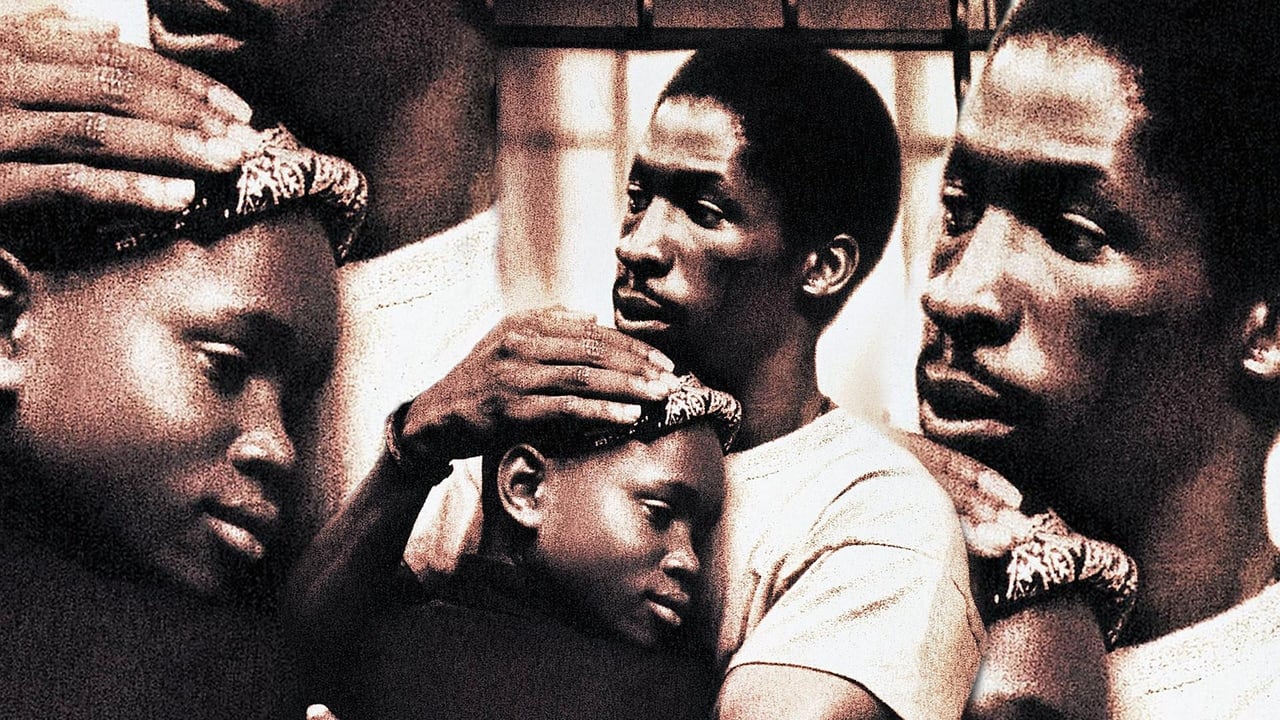
What sets South Central apart from some of its contemporaries is its source material and its focus. Adapted from the 1987 novel "Crips" by Donald Bakeer, himself a teacher working within the community he wrote about, the film possesses an undercurrent of lived experience. It doesn't sensationalize the violence (though it is brutal and impactful when shown) but frames it as a tragic symptom of systemic issues – poverty, lack of opportunity, the desperate search for identity and power. Director Steve Anderson, in his only feature film directorial credit, crafts a world that feels grounded and grimly authentic, avoiding stylistic flourishes in favor of raw immediacy.
Filming on location often presented challenges for productions tackling these themes in the early 90s, navigating complex community relations and safety concerns, which adds another layer to the film's gritty realism. The relatively modest budget (reflected in its approximate $3.8 million box office return) likely contributed to this stripped-down feel, forcing a focus on character and story over spectacle. It’s a film less concerned with intricate plotting and more with the internal journey of its protagonist and the thematic weight of his struggle. Does one moment of clarity, one act of desperate love, have the power to redirect a life seemingly preordained for tragedy?
Echoes in the Concrete Jungle
Watching South Central today, nestled amongst memories of worn VHS tapes and the glow of CRT screens, its power hasn't diminished. While films like Boyz n the Hood (1991) received wider acclaim and Menace II Society (1993) perhaps pushed the stylistic envelope further, South Central holds its own ground with its laser focus on the father-son dynamic and the arduous path to redemption. It asks difficult questions about personal responsibility within broken systems. Can change truly come from within, even when trapped by circumstance, by prison walls, by the crushing weight of the past?
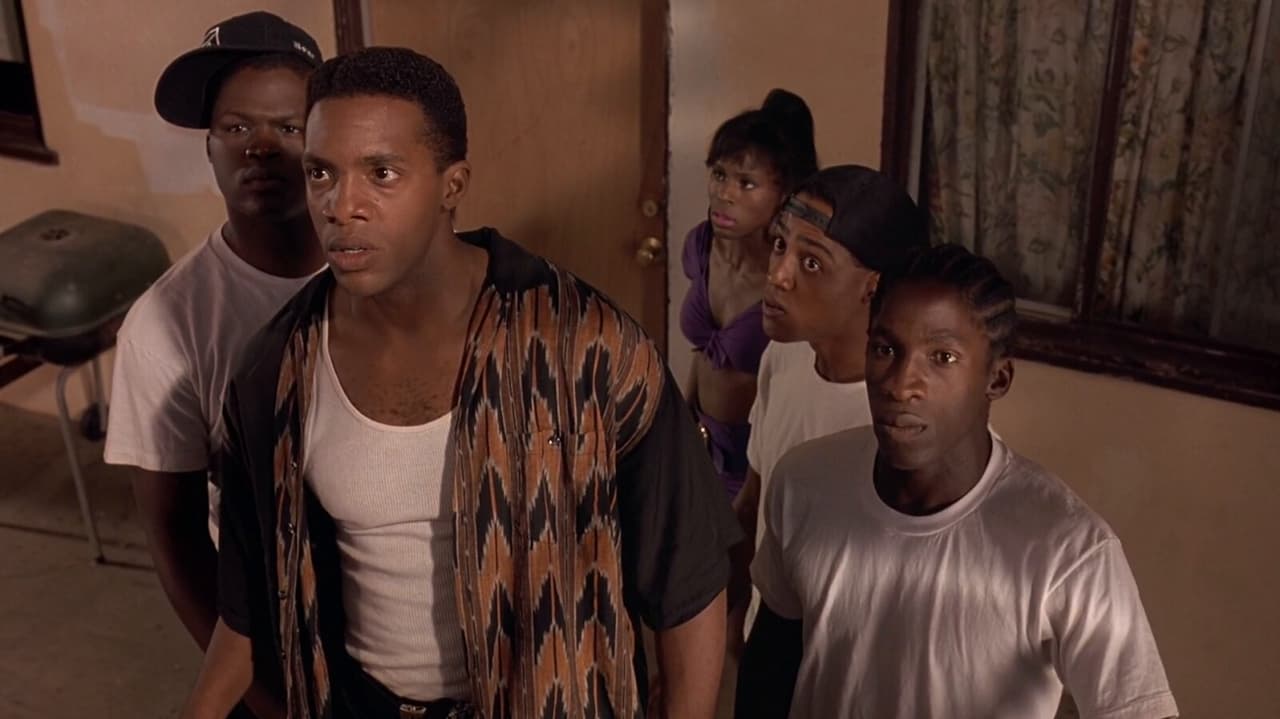
The supporting cast, including Byron Keith Minns as Ray Ray, Bobby’s former friend who becomes a negative influence on Jimmie, and Lexie Bigham as Bear, provide crucial texture to Bobby’s world, representing the forces pulling Jimmie towards the life Bobby now desperately wants him to avoid. The soundtrack, featuring era-appropriate tracks from artists like Scarface and Ice Cube, further roots the film in its time and place, adding another layer of authenticity.
Rating and Final Reflection
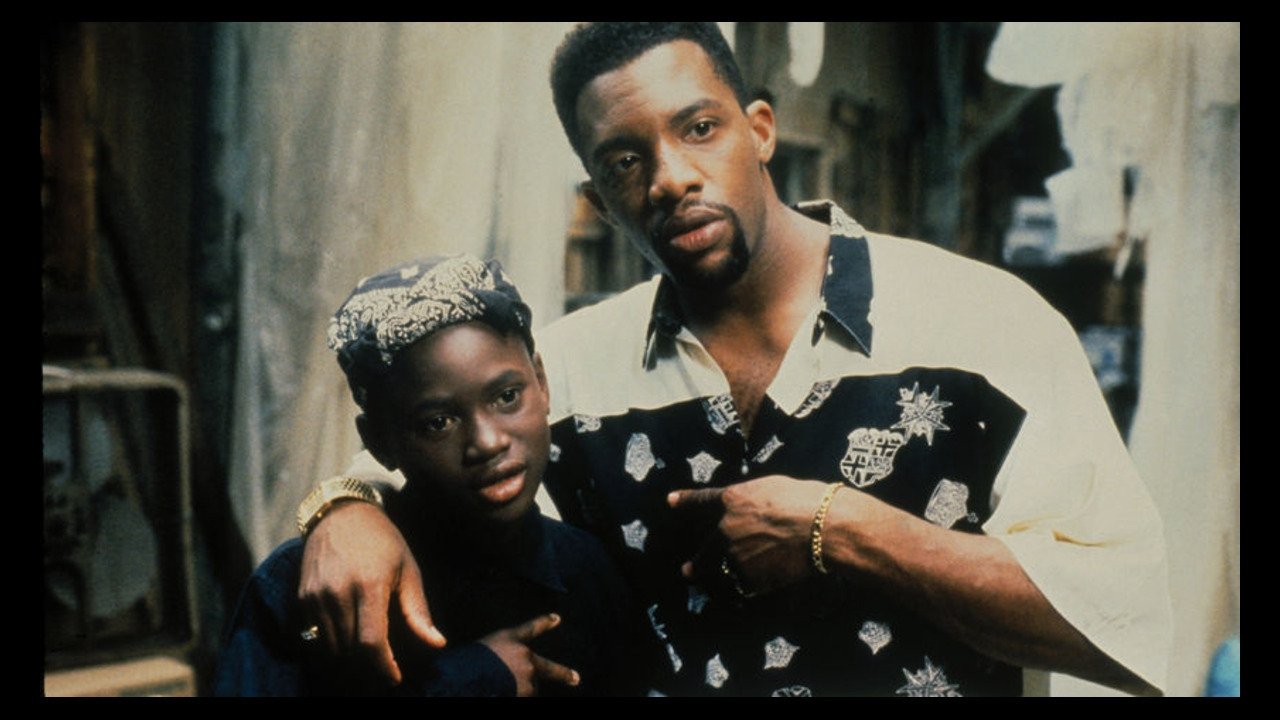
South Central is a tough watch, undoubtedly. It’s bleak, often heartbreaking, and offers no easy solutions. But its sincerity, driven by Glenn Plummer's towering performance and Steve Anderson's unflinching direction, makes it essential viewing from the era. It tackles profound themes with gravity and avoids devolving into simple moralizing. It might lack the polish or broader scope of some contemporaries, but its focused emotional intensity is its strength.
Rating: 8/10
This rating reflects the film's powerful core message, Plummer's exceptional performance, and its authentic portrayal of a specific time and struggle. While perhaps overshadowed and sometimes rough around the edges due to budget or first-time feature direction, its emotional impact is undeniable. South Central remains a potent reminder, pulled from the shelves of VHS Heaven, that even in the darkest circumstances, the fight for hope, for family, for a different future, is a battle worth waging. It leaves you contemplating the ripples of our choices and the enduring strength of the human spirit’s desire to protect the next generation.