It doesn't begin with a bang, but with the quiet click of a prison gate. That sound echoes throughout Martin Bell's American Heart (1992), a film less concerned with explosive drama and more with the slow, grinding pressure of lives lived on the margins. This wasn't a tape likely found in the bright 'New Releases' section of Blockbuster; you might have discovered it tucked away in the drama shelves, its stark cover hinting at something heavier, something more resonant than the usual Friday night fare. For me, it was a discovery spurred by word of mouth about Jeff Bridges' powerhouse performance, a promise of grit and truth that the film delivers in spades.
### From Documentary Roots to Narrative Grit
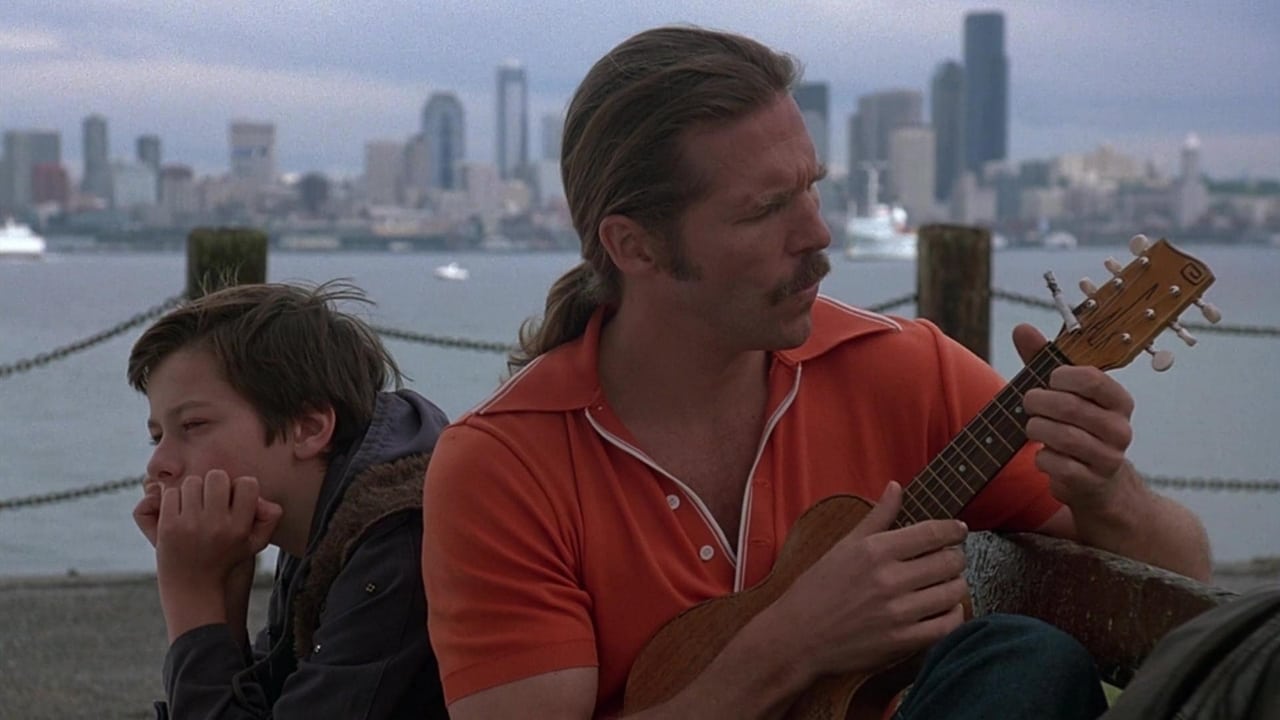
What immediately sets American Heart apart is its almost tactile sense of realism, a feeling deeply rooted in its origins. Director Martin Bell, along with his wife, the acclaimed photographer Mary Ellen Mark, had previously immersed themselves in the lives of Seattle's street youth for the harrowing 1984 documentary Streetwise. That experience permeates every frame of American Heart. It’s not just set in Seattle; it feels like the Seattle rarely seen in glossy postcards – the damp grey skies, the overlooked corners, the quiet desperation simmering beneath the surface. Bell doesn’t romanticize poverty or crime; he simply presents it, allowing the environment itself to become a character, shaping the choices and limitations of those within it. This commitment to authenticity feels like a direct descendant of 70s character studies, a welcome island of realism in the often bombastic landscape of early 90s cinema.
### A Father's Burden, A Son's Hope
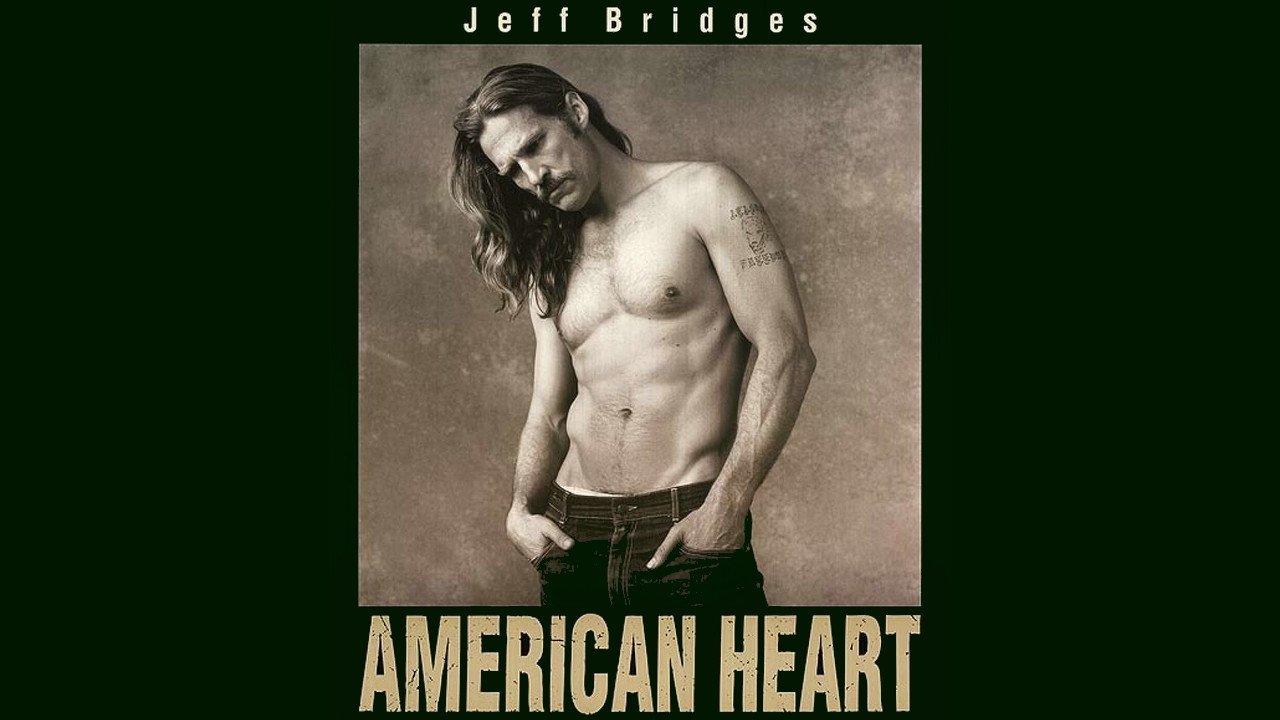
At the story's core is Jack Kelson (Jeff Bridges), fresh out of prison and burdened by a past he can't easily shed. He’s a man tightly wound, his coiled energy threatening to spring loose at any moment. Bridges is simply magnificent here, embodying Jack's contradictions – the yearning for a clean slate warring with ingrained cynicism and flashes of volatile anger. It's a deeply physical performance; you see the weight of his past in his posture, the wariness in his eyes. Reportedly, Bridges spent considerable time researching the role, immersing himself in the world of ex-convicts to capture that lived-in authenticity, and it absolutely shows. This isn't just acting; it's inhabiting a soul scarred by experience.
Into Jack's reluctant life comes his estranged teenage son, Nick, played by Edward Furlong. Fresh off the global phenomenon of Terminator 2: Judgment Day (1991), Furlong delivers a performance steeped in vulnerability and a desperate yearning for connection. Nick sees in Jack not just a father, but a potential escape route from his own troubled circumstances. Furlong beautifully captures that fragile adolescent hope colliding with the harsh reality of his father's limitations and the precarious world they navigate. Their scenes together crackle with unspoken history and the awkward, painful dance of rebuilding a relationship from rubble. You ache for Nick's optimism, even as you see the immense challenges Jack faces in simply staying afloat, let alone being the father Nick needs.
### Life on the Ledge
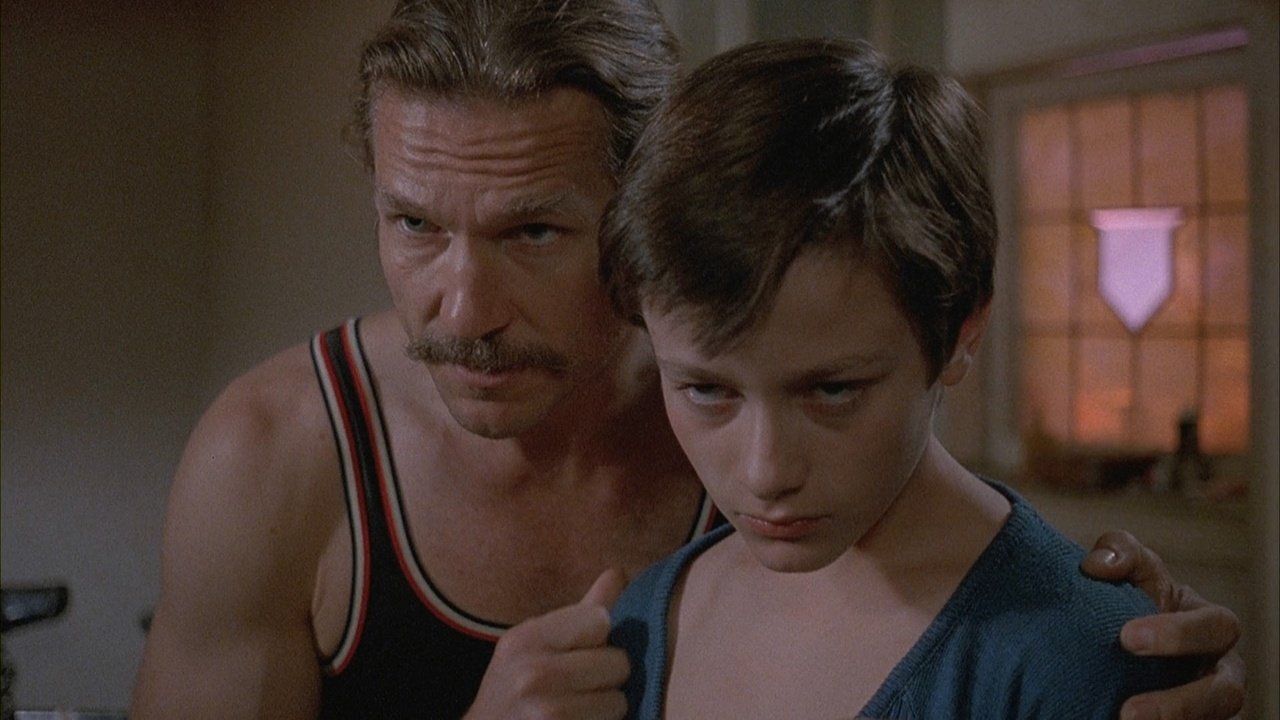
The narrative follows their attempts to forge a life together, navigating low-wage jobs (Jack’s stint as a window washer provides some potent visual metaphors), precarious living situations, and the constant gravitational pull of Jack’s past associates. Lucinda Jenney also offers a quietly impactful performance as Charlotte, a fellow traveler in this world who offers Jack a glimpse of stability, though even that feels fragile. Bell avoids easy answers or sentimental clichés. The film doesn't offer a simple redemption arc; instead, it explores the immense difficulty of breaking cycles, the societal barriers faced by those trying to re-enter society, and the ways hope can flicker even in the bleakest circumstances. Made on an estimated $4 million budget and barely registering at the box office (grossing under $400,000 in the US), its journey reflects the tough, unglamorous reality it portrays – a film perhaps too honest for mainstream tastes at the time, destined for discovery on home video.
There's a rawness here, an unvarnished quality that feels distinctly of the early 90s independent scene. The film doesn't shy away from the ugliness, the setbacks, the moments where despair threatens to engulf everything. What prevents it from becoming overwhelmingly bleak, however, is the undeniable humanity Bell finds in his characters. We see their flaws, their destructive tendencies, but also their capacity for love, loyalty, and resilience. Doesn't this struggle for a second chance, against formidable odds, resonate deeply, regardless of circumstance?
### Lasting Echoes
American Heart isn't an easy watch, but it's a profoundly affecting one. It lingers long after the tape clicks off, leaving you contemplating the invisible struggles happening just outside the frame of more conventional stories. It’s a testament to the power of performance, particularly Bridges' career-highlight turn, and a potent reminder of Martin Bell's unique ability to blend documentary sensibility with narrative filmmaking. It captures a specific time and place with unflinching honesty, yet its themes of fractured families, the search for belonging, and the arduous path to redemption remain painfully relevant.
Rating: 8.5/10
Justification: The rating reflects the film's exceptional performances, particularly from Bridges and Furlong, its powerful authenticity rooted in Bell's documentary background, and its brave, unflinching look at difficult themes. While its pacing is deliberately measured and its outlook often grim, its emotional honesty and resonant character work make it a standout piece of early 90s drama that deserves to be rediscovered.
Final Thought: It’s a film that reminds you that sometimes the most compelling dramas aren't about grand events, but about the quiet, desperate fight for dignity and connection in the face of overwhelming adversity.