There’s a certain ache that settles in the chest when watching Francis Ford Coppola’s The Outsiders. It’s not just nostalgia for 1983, though that’s certainly part of it for those of us who first encountered Ponyboy and Johnny on a flickering CRT via a well-worn VHS tape. It’s the enduring throb of adolescent yearning, the raw vulnerability peeking through hardened exteriors, that Coppola, perhaps surprisingly, captured with such sincerity. Fresh off the monumental weight of Apocalypse Now (1979), who expected him to turn his lens towards the Greasers and Socs of Tulsa, Oklahoma?
Tulsa Twilight and Teenage Tension
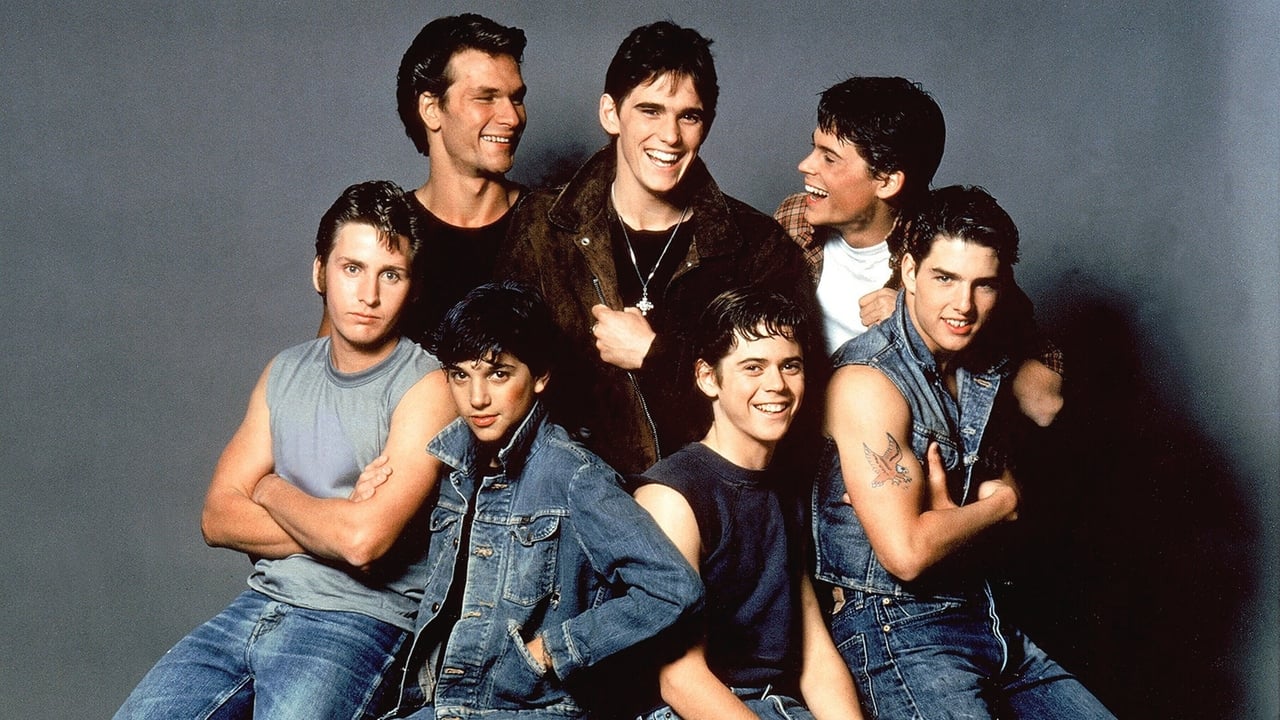
The film, adapted from the beloved novel by S.E. Hinton (who was famously inspired to write it by divisions within her own high school), throws us immediately into a world starkly divided by class and geography. On one side, the working-class Greasers – leather jackets, slicked-back hair, lives lived on the edge of poverty and trouble. On the other, the Socs (short for Socials) – affluent, clean-cut, cruising in Mustangs, their privilege a weapon. Caught in the middle are Ponyboy Curtis (C. Thomas Howell) and his best friend Johnny Cade (Ralph Macchio), sensitive souls navigating a landscape of simmering resentment that inevitably boils over into violence.
Coppola, working from a script largely shaped by Kathleen Rowell but heavily influenced by Hinton herself (who was present on set and even has a cameo as a nurse), doesn't shy away from the melodrama inherent in the source material. Instead, he leans into it, painting the film in almost operatic visual strokes. The sunsets over Tulsa are impossibly golden, almost lurid, reflecting the fleeting moments of beauty the boys cling to. There’s a heightened reality here, a sense of teenage emotions writ large against a backdrop of social decay. It feels less like strict realism and more like a memory, burnished and intensified by time.
A Brotherhood Forged On and Off Screen
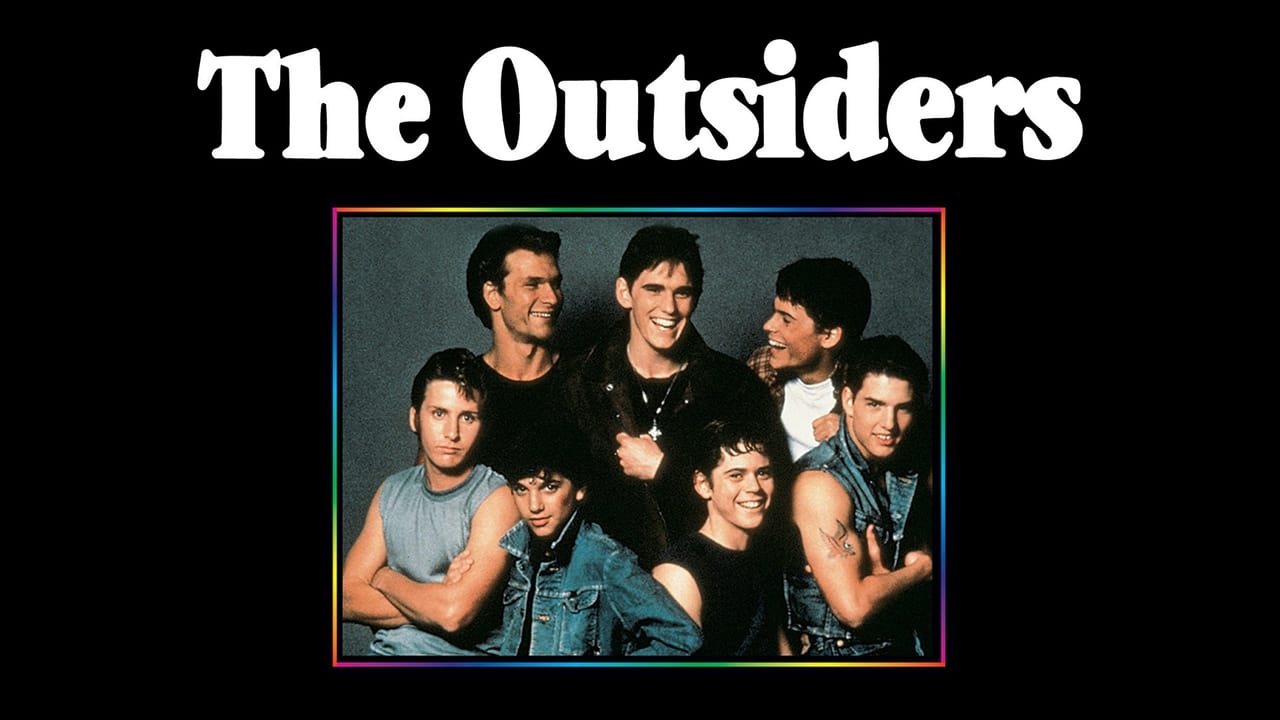
What truly elevates The Outsiders beyond a standard teen drama, however, is its astonishing cast of young actors, many on the cusp of major stardom. C. Thomas Howell carries the film with a quiet intensity as Ponyboy, the thoughtful observer trying to make sense of his fractured world. Ralph Macchio, embodying Johnny’s tragic vulnerability, breaks your heart with just a look. And then there’s Matt Dillon as Dallas Winston, the charismatic but self-destructive leader figure. Dillon had already shown promise, but here he radiates a dangerous energy that’s utterly magnetic.
The chemistry between these actors feels authentic, born perhaps from Coppola’s somewhat unconventional methods. Inspired by a letter from librarian Jo Ellen Misakian and her students arguing the book deserved a film adaptation, Coppola approached the project with dedication. He reportedly had the actors playing Greasers live together during production, limiting their allowances to foster a sense of shared struggle, while the Socs were put up in nicer accommodations, deepening the on-screen rivalry. Little anecdotes like the main Greaser cast pulling pranks on set, or the competitive nature during auditions (a young Tom Cruise, in a memorable early role as Steve Randle, apparently did a backflip during his), hint at the energy Coppola harnessed. This wasn't just acting; it felt like they became these characters, embodying the fierce loyalty and fragile bonds that define the Greaser gang. Look closely, and you'll spot Patrick Swayze, Rob Lowe, Emilio Estevez, and Diane Lane rounding out this incredible ensemble – a snapshot of future Hollywood royalty.
Staying Gold Amidst the Grit
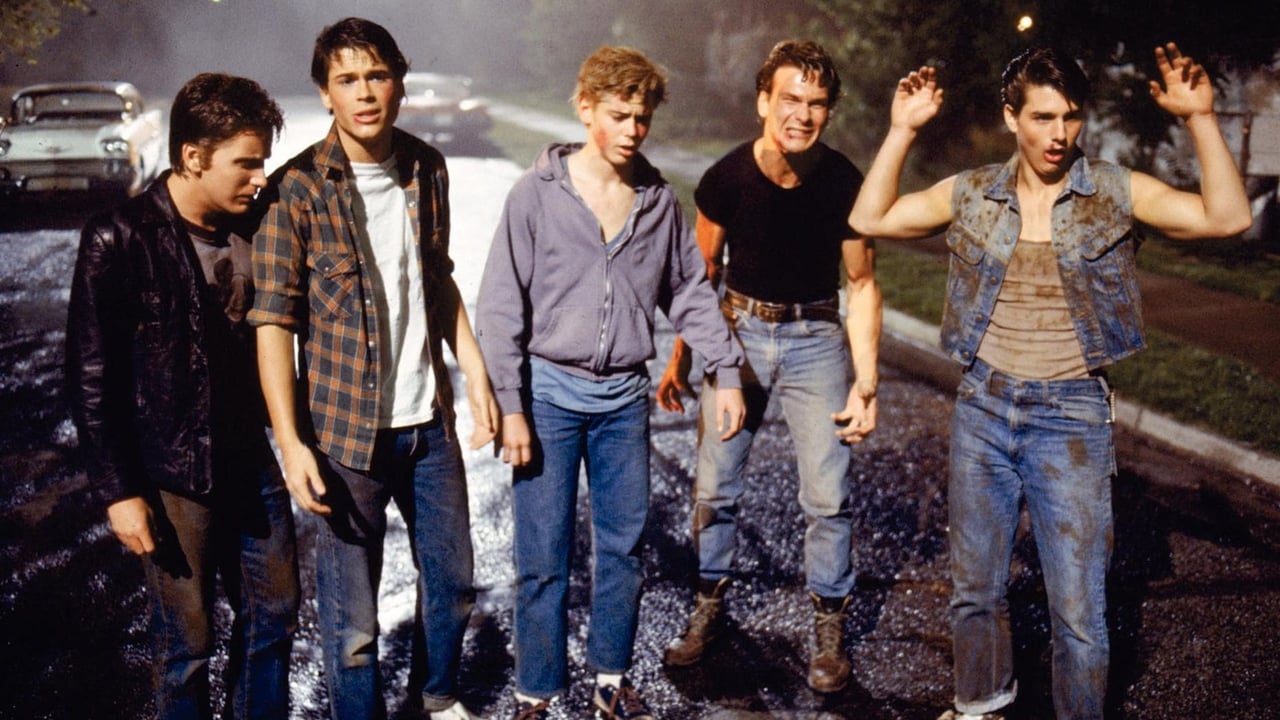
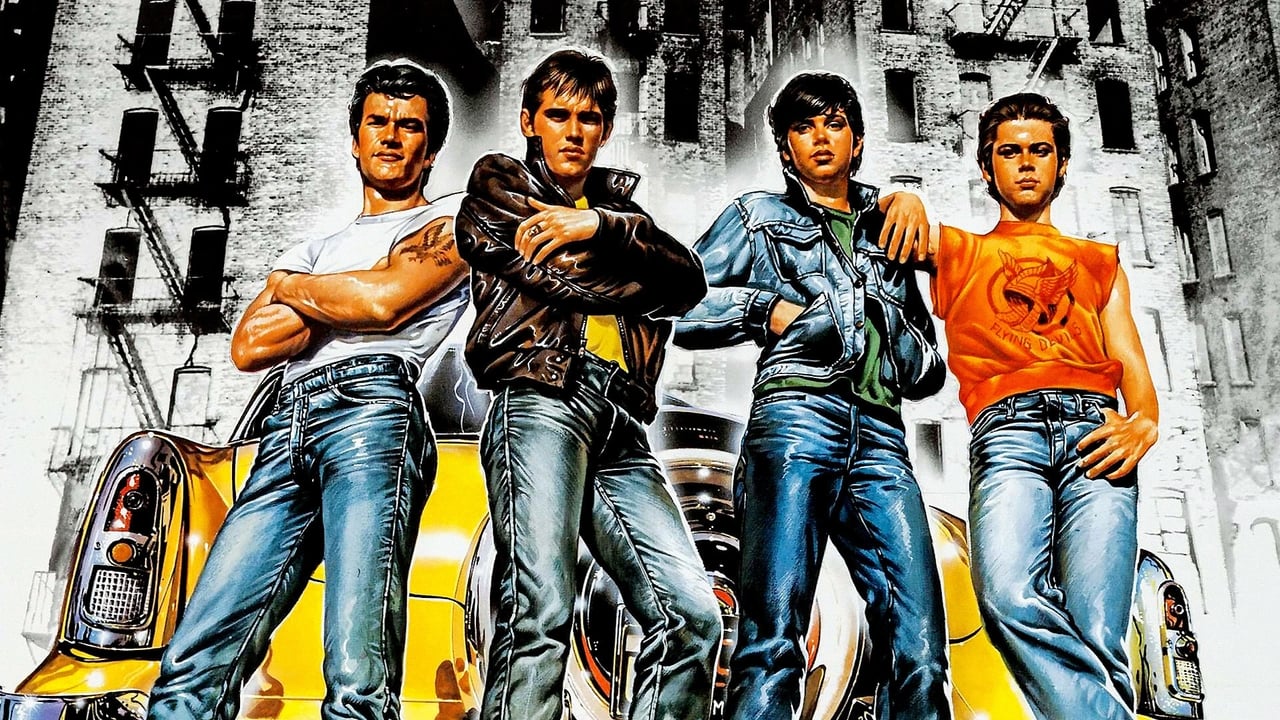
The film grapples with themes that resonated deeply then and still echo now: the corrosive effects of class division, the desperate search for identity and belonging, the weight of violence, and the painful loss of innocence. Johnny’s quiet plea to Ponyboy, "Stay gold," quoting Robert Frost, becomes the film's emotional anchor – a reminder to hold onto goodness and beauty even when the world tries to grind it out of you. Does it feel a little on-the-nose sometimes? Perhaps. But its sincerity is undeniable.
It's fascinating to learn that the film's original theatrical release, which grossed a respectable $33 million against its $10 million budget, featured a sweeping, orchestral score by Carmine Coppola, the director's father. Many felt it sometimes overwhelmed the gritty realism. Years later, in 2005, Coppola released The Outsiders: The Complete Novel, a director's cut that restored nearly 22 minutes of footage (deepening character arcs, particularly for the Curtis brothers) and replaced the original score with a rock-and-roll soundtrack featuring artists like Elvis Presley and Jerry Lee Lewis, arguably bringing it closer to the book's raw energy. Both versions have their merits, but revisiting the original VHS cut often feels like stepping back into that specific 80s cinematic moment.
The Outsiders wasn't trying to be subtle; it was aiming for the heart. It presented teenage angst not as a passing phase, but as a matter of life and death, where loyalty was everything and the sunset held the promise of something better, even if just for a moment. It treated its young characters and their struggles with a seriousness that was often missing in the teen films of the era.

Rating: 8/10
This rating reflects the film's enduring emotional power, its iconic status as a launching pad for so many stars, and Coppola's visually striking, if sometimes romanticized, direction. The performances remain potent, capturing a specific kind of youthful vulnerability and defiance. While some dialogue or dramatic beats might feel dated to modern ears, the core themes and the palpable sense of brotherhood resonate strongly. It’s a film that earns its place not just in the annals of 80s cinema, but in the hearts of anyone who remembers navigating those treacherous teenage years.
It leaves you thinking about those friendships that felt like lifelines, and maybe, just maybe, reminds you to appreciate those fleeting golden moments. Stay gold, indeed.