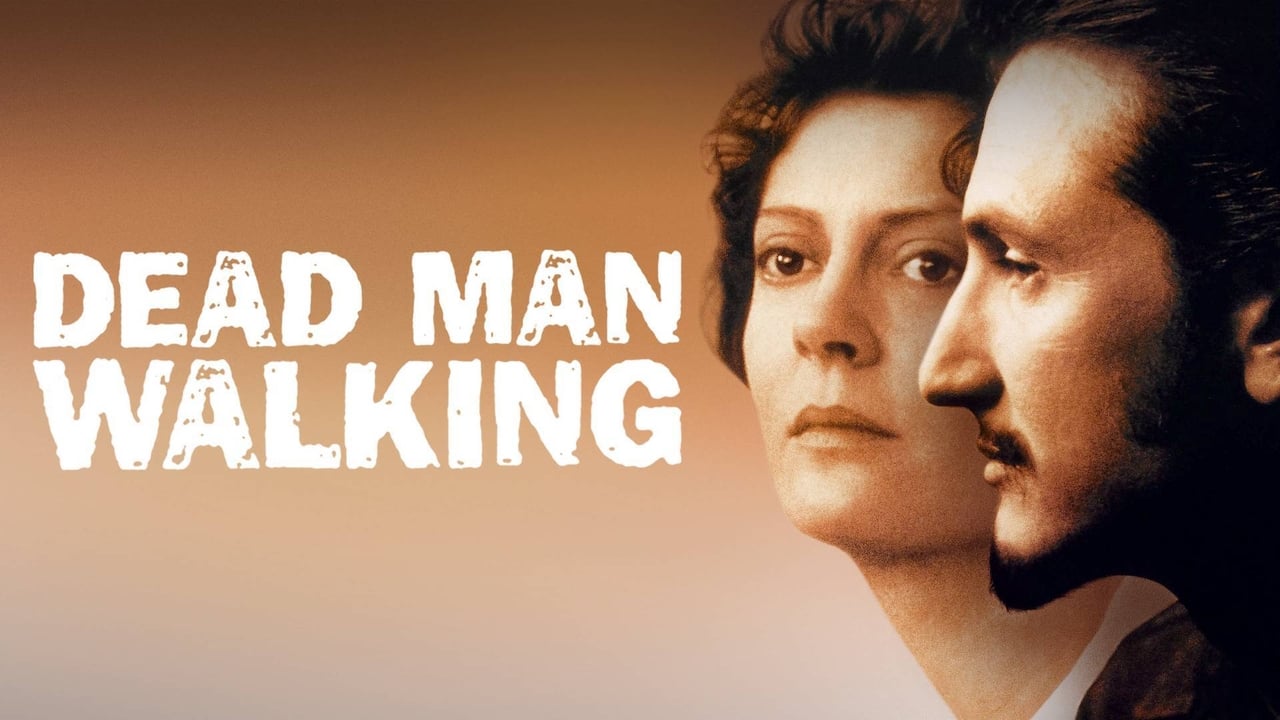
It's a film that doesn't announce itself with fanfare, but rather settles into your consciousness with a quiet, insistent weight. Dead Man Walking (1995) arrived not as a typical blockbuster, but as a challenging, deeply human drama that felt starkly different from much of the mid-90s cinematic landscape. Watching it again now, decades after first sliding that tape into the VCR – a tape often rented with a certain gravity, knowing it wasn't going to be an easy watch – its power hasn't diminished. If anything, the passage of time has only sharpened its focus on the uncomfortable questions it dares to ask.
### An Unlikely Connection
The film plunges us immediately into a world of profound moral complexity. Sister Helen Prejean, portrayed with extraordinary grace and resilience by Susan Sarandon, receives a letter from Matthew Poncelet (Sean Penn), an inmate on death row convicted of a brutal rape and murder. What begins as an act of correspondence, perhaps born of faith or simple compassion, evolves into a complex spiritual advisership. Director Tim Robbins, stepping behind the camera after cementing his stardom in films like The Shawshank Redemption, crafts a narrative that refuses easy judgments. He doesn't shy away from the horror of Poncelet's crimes, nor does he sanitize the man himself. Instead, he forces us, alongside Sister Helen, to confront the inherent humanity, however damaged or repellent, within someone condemned by society.
### The Weight of Truth

What truly elevates Dead Man Walking beyond a simple issue film are the performances, particularly the central duet between Sarandon and Penn. Susan Sarandon embodies Sister Helen not as a plaster saint, but as a woman grappling with the implications of her faith in the face of unimaginable darkness. Her portrayal is a masterclass in conveying inner conflict – the tension between her spiritual calling to offer unconditional love and the visceral revulsion at Poncelet's actions, coupled with the raw pain of the victims' families. It’s in the subtle shifts in her expression, the quiet determination in her eyes, the moments of doubt that flicker across her face. Her eventual Oscar win for Best Actress felt not just deserved, but inevitable; it's a performance etched with profound empathy and searching honesty.
Opposite her, Sean Penn delivers a performance of coiled intensity and unnerving ambiguity. His Matthew Poncelet is arrogant, manipulative, steeped in racist ideology, yet simultaneously capable of vulnerability and fear. Penn resists any temptation to make Poncelet easily sympathetic. Instead, he presents a fractured, contradictory human being, forcing the audience to wrestle with the uncomfortable truth that even monsters are, in some undeniable way, human. The chemistry between Penn and Sarandon crackles with unspoken tension – their scenes together, often confined to the stark visiting room of the prison, are the heart of the film, charged with theological debate, raw emotion, and the slow, painful excavation of truth. It's worth noting that Tim Robbins, then Sarandon's partner, specifically sought Penn for the role, recognizing the actor's ability to inhabit such challenging territory. Filming reportedly took place with access to the Louisiana State Penitentiary (Angola), adding a layer of chilling authenticity.
### A Director's Restraint
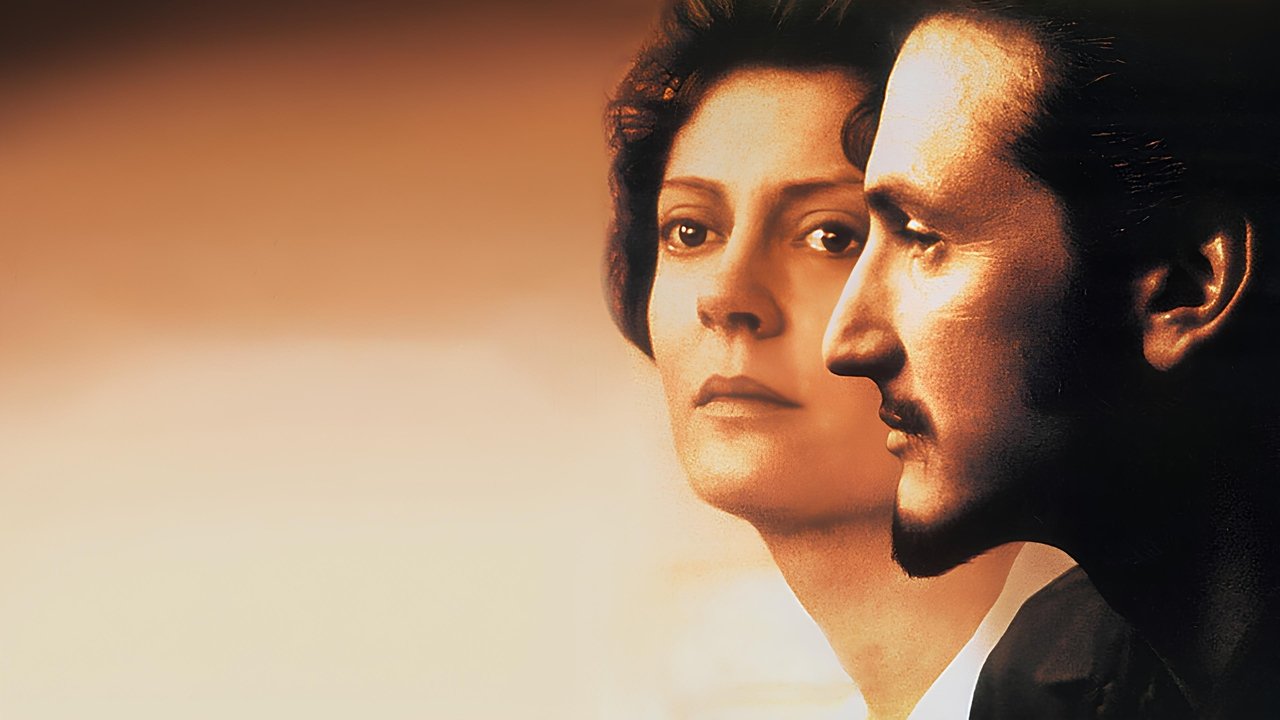
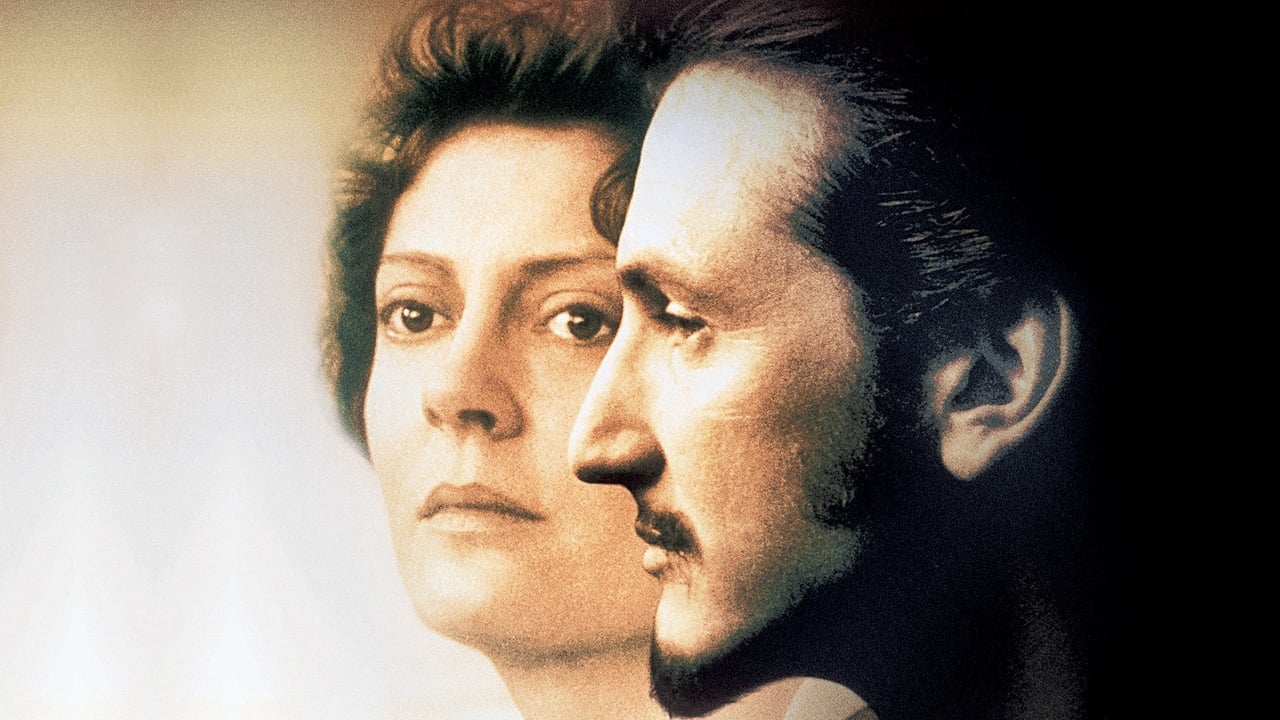
Tim Robbins directs with remarkable restraint, trusting his actors and the inherent power of the material, adapted from Sister Helen Prejean's own non-fiction book. There are no flashy camera tricks or manipulative scoring cues telling us how to feel. Instead, Robbins employs a measured pace, often using close-ups to draw us into the characters' internal landscapes. He balances the claustrophobia of the prison scenes with the raw grief of the victims' families, represented powerfully by actors like Raymond J. Barry and R. Lee Ermey, ensuring their suffering is never minimized or forgotten. This dual focus is crucial; the film doesn't advocate for Poncelet's innocence or excuse his actions, but rather questions the morality and efficacy of state-sanctioned killing, regardless of the crime. The film's relatively modest $11 million budget feels invisible on screen, channeled entirely into the performances and the stark, effective atmosphere. Its eventual box office take of over $83 million worldwide spoke volumes about its resonance with audiences hungry for substantial fare.
### More Than Just Facts
The production wasn't without its own interesting facets. The haunting soundtrack, featuring contributions from Nusrat Fateh Ali Khan, Bruce Springsteen (whose song "Dead Man Walking" earned an Oscar nomination), and Eddie Vedder, perfectly complements the film's somber, reflective mood. It wasn't just a collection of songs, but an integral part of the atmosphere. And the film’s existence owes everything to the real Sister Helen Prejean, whose willingness to share her story, and Sarandon’s commitment to bringing it to the screen (she actively championed the project), provided the foundation. It stands as a testament to the power of adapting true-life experiences with integrity and artistic courage.
### Lingering Questions
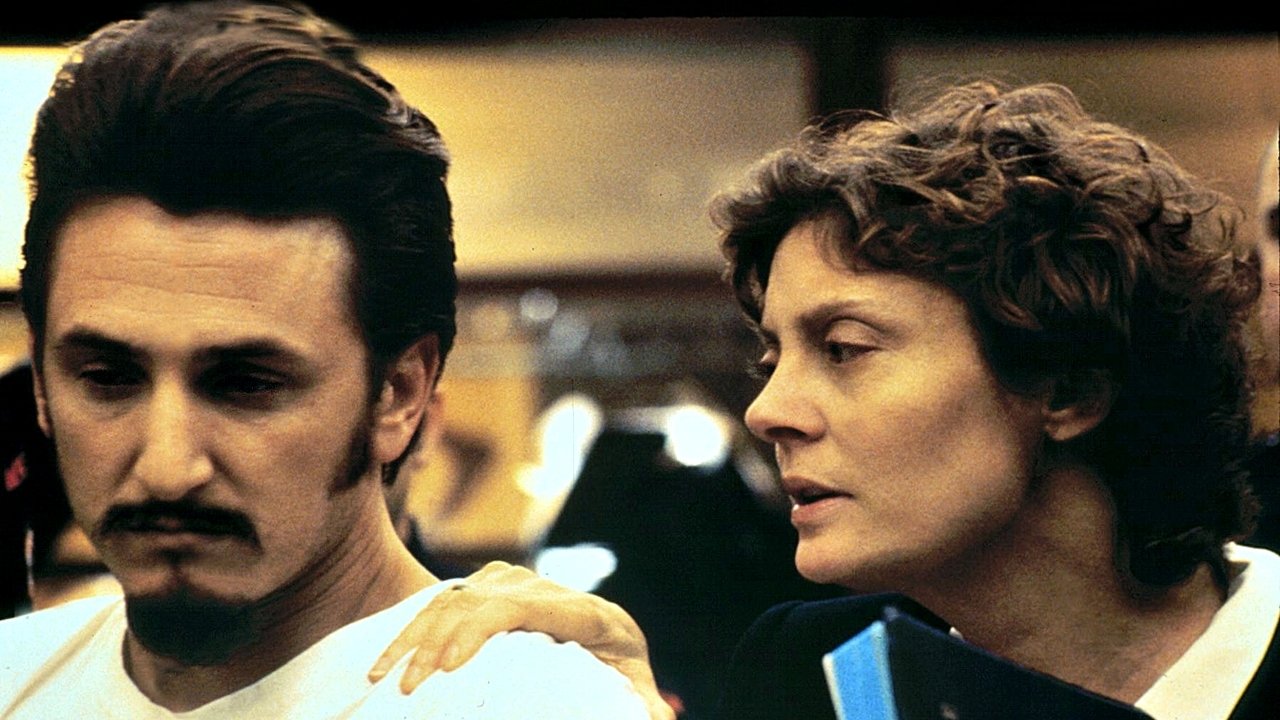
Dead Man Walking isn't a film you simply watch and forget. It burrows under your skin, prompting reflection long after the credits roll. It forces uncomfortable but essential questions about justice, mercy, redemption, and the value we place on human life, even life that has inflicted terrible suffering. Does extending compassion to the condemned diminish the suffering of the victims? Can true atonement ever be achieved? The film offers no easy answers, leaving the viewer to grapple with the moral weight of it all. Seeing it back in the day, maybe on a slightly fuzzy CRT screen via that trusty VHS copy, somehow amplified its intimacy and intensity – a private confrontation with difficult truths.
Rating: 9/10
This rating reflects the film's exceptional performances, particularly from Sarandon and Penn, Robbins' sensitive and restrained direction, and its unflinching, courageous engagement with a profoundly difficult subject. It avoids polemic, instead offering a deeply human, thought-provoking experience that remains remarkably powerful and relevant. Dead Man Walking is a cornerstone of 90s drama, a film that proves cinema's capacity to challenge, provoke, and ultimately, deepen our understanding of the human condition, in all its complexity and contradiction. It reminds us that some stories demand to be told, regardless of how uncomfortable they make us feel.